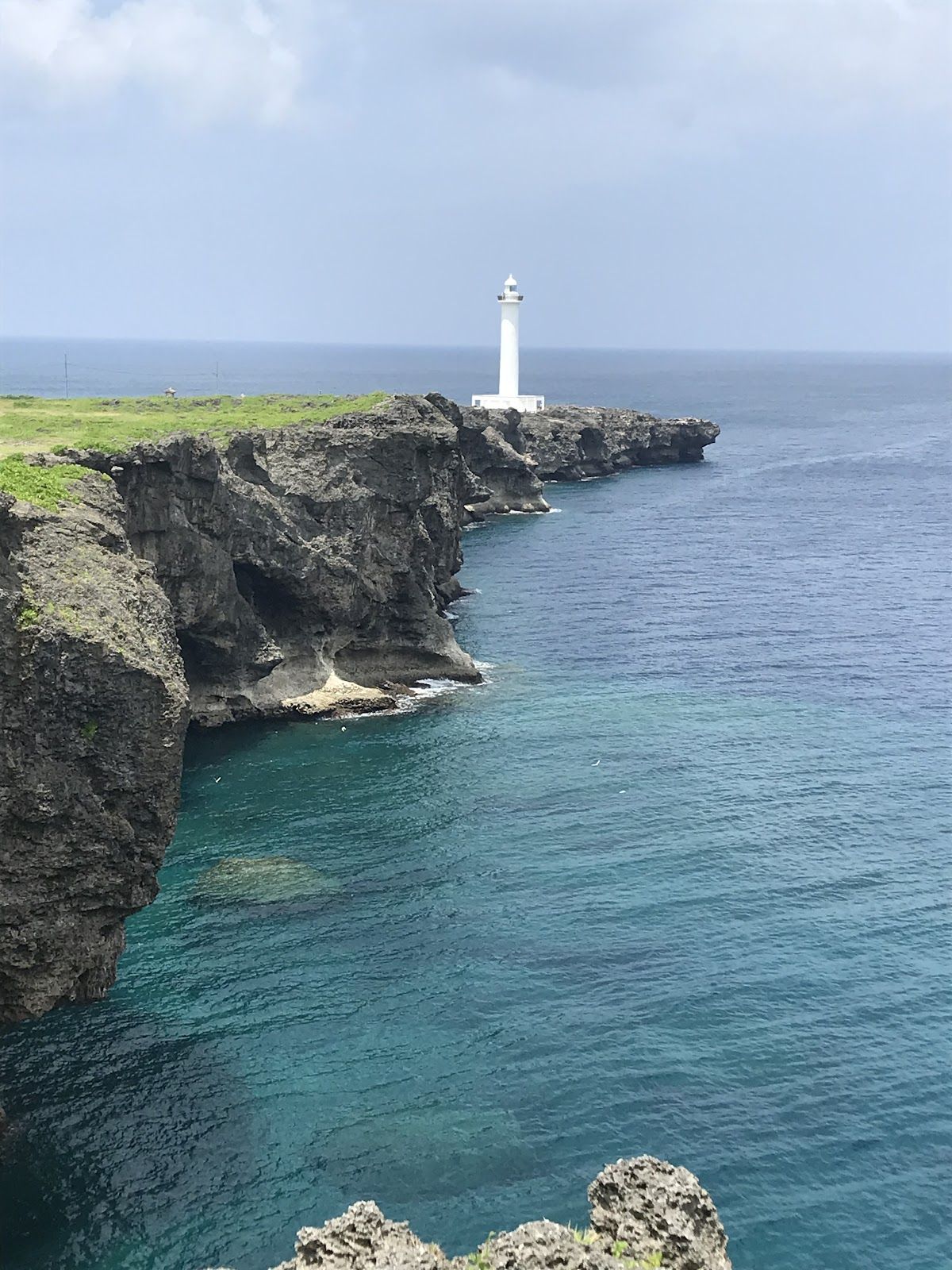
Things to Do in Okinawa
38 experiences in Okinawa
Get notified about new experiences in Okinawa
Be the first to know when we add tours and tickets in Okinawa.
About Okinawa
Okinawa isn't really Japan in the way most visitors imagine it. This chain of subtropical islands, once the independent Ryukyu Kingdom, spent centuries trading with China and Southeast Asia before Japan annexed it in 1879 — and that history still shows up in the food, the language, the burial customs, and the unhurried pace of life locals call uchinaa time. Add turquoise water, coral reefs, and a climate that rarely dips below 15°C in winter, and you get a destination that feels closer to Taiwan or the Philippines than to Tokyo.
The main island splits into distinct experiences: Naha, the only real city, with its markets, nightlife, and the rebuilt Shuri Castle; the quieter central and northern coasts where the beach resorts, the Churaumi Aquarium, and jungle-covered hills take over; and the outer islands — Ishigaki, Miyako, Kerama — where the diving and snorkeling get genuinely world-class. It's also, bluntly, the site of the bloodiest ground battle of the Pacific War, and the Peace Memorial Park in the south is a sobering, essential stop that most itineraries skip at their peril.
This is a destination for beach lovers who want coral reefs without leaving Japan, for divers chasing manta rays at Ishigaki, for history buffs interested in a culture Japan itself tried to erase, and for anyone burned out on Tokyo's intensity who wants slower days and better weather. It's less good for travelers wanting classic ryokan-and-temple Japan, or those without a rental car — the outer islands and northern beaches are genuinely hard to reach without one.
Good to Know
- Get an eSIM or airport SIM before leaving arrivals — signal is fine island-wide but data plans bought in advance save time and money
- Cash still matters outside Naha; many local eateries, market stalls, and small guesthouses in the north or outer islands don't take cards
- Tipping isn't practiced anywhere in Japan, Okinawa included — don't leave money on the table, it can cause confusion
- Rent a car with a GPS set to English/romaji place names, and book it weeks ahead for summer and Golden Week travel
- Reef-safe sunscreen is not just polite but often legally required near marine protected areas like Kerama
- Typhoon season (roughly June-October) can ground flights and ferries for a day or two — build a buffer day into your itinerary if flying home right after
- Dress modestly and quietly at war memorial sites in the south (Peace Memorial Park, Himeyuri) — these remain solemn, actively visited memorial grounds, not just tourist stops
- Jellyfish nets mark safe swimming zones at many beaches June-October; stay inside them, as habu jellyfish stings are genuinely dangerous


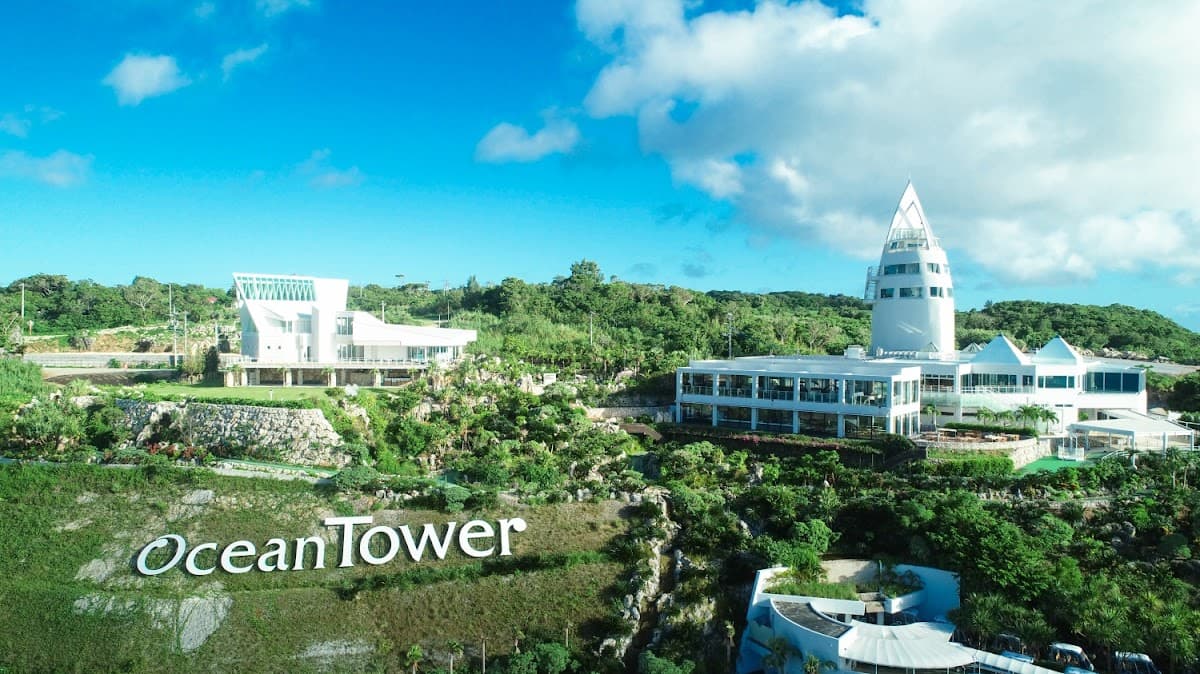
![[Okinawa] Kouri Ocean Tower](/_next/image?url=https%3A%2F%2Ftixlayer.com%2Fstorage%2Fattractions%2F3027%2Fgoogle_0_1776175375.jpg&w=3840&q=75)