
Okinawa Travel Guide: Plan Your Perfect Trip
By Matt Cuckston, Founder & Travel Technology Expert at TixLayer
Okinawa sits roughly 1,500 kilometres southwest of Tokyo, and the distance shows in every way that matters. The air is warmer, the pace is slower, and the culture draws from a distinct Ryukyu Kingdom heritage that sets it apart from mainland Japan. If you're searching for things to do in Okinawa and not sure where to begin, this guide covers everything from arrival to departure, including when to go, how to get around, and where to spend your time and money.
Getting to Okinawa
The main gateway is Naha Airport (OKA), which receives direct flights from Tokyo (Haneda and Narita), Osaka, Fukuoka, and several other Japanese cities. Flight time from Tokyo is roughly two and a half hours. International flights connect Naha to cities including Taipei, Seoul, Shanghai, and Hong Kong, making it accessible for travellers coming directly from elsewhere in Asia.
Ferries also serve Okinawa from Osaka, Kobe, and Tokyo, though these take between 20 and 45 hours depending on the route. The ferry is a genuine experience in itself and works well for travellers with flexible schedules or those bringing a vehicle.
Getting Around
Naha has a single monorail line, the Yui Rail, which connects the airport to Shuri in about 27 minutes and is useful for getting between central sights. Beyond that, the monorail has limited reach.
For exploring the rest of the main island, renting a car is by far the most practical option. Roads are well-maintained, traffic outside Naha is light, and many of the best beaches, castles, and viewpoints are difficult to reach by public transport. International driving permits are accepted. Car rental is widely available at the airport and in Naha, and daily rates are reasonable, typically between 3,000 and 6,000 yen depending on the vehicle and season.
Buses do connect major towns and tourist areas, but services can be infrequent and journey times are long. Taxis are available but expensive for longer distances.
Best Neighbourhoods and Areas
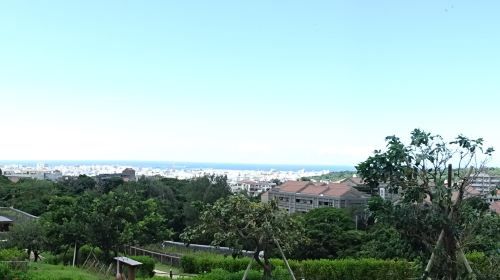
Naha is the capital and the most practical base for first-time visitors. Kokusai Dori (International Street) is the main tourist corridor, lined with restaurants, souvenir shops, and izakayas. The nearby Makishi Public Market is worth a visit for local produce and fresh seafood.
Chatan and American Village offer a different atmosphere, shaped by decades of American military presence. The area has a relaxed, slightly retro feel with good cafes, surf shops, and a popular beachfront strip.
Onna Village and the central coast is where most of the resort hotels are concentrated. It's a good base if beaches and water activities are your priority.
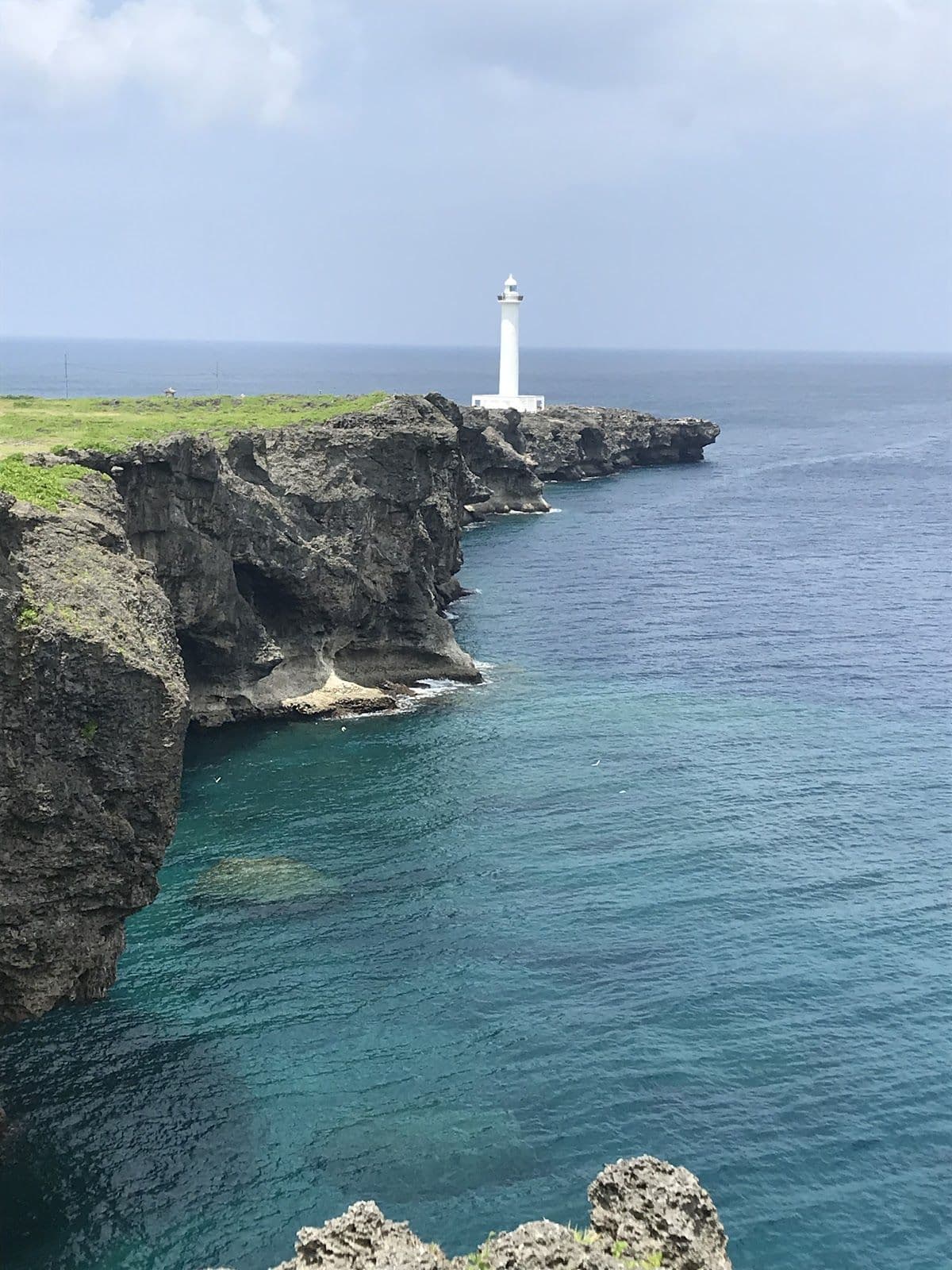
Northern Okinawa (Yanbaru) is quieter and more forested, home to the Churaumi Aquarium and some of the island's most dramatic coastal scenery.
When to Visit
The best months to visit Okinawa are March to May and October to November. Spring brings warm temperatures, lower humidity, and the start of the beach season. Autumn offers similar conditions with slightly fewer crowds.
Summer (June to September) is the peak season for beaches and diving, but it comes with real trade-offs. June marks the start of the rainy season (tsuyu), and typhoons are a serious risk between July and September. If a typhoon hits during your trip, outdoor plans will be cancelled entirely, and some years see multiple storms in quick succession.
Winter (December to February) is mild compared to mainland Japan, with temperatures rarely dropping below 15°C, but the sea is too cool for most swimmers and some attractions reduce their hours. It's a good time for sightseeing without crowds.
Avoid Golden Week (late April to early May) and Obon (mid-August) if possible. Domestic tourism peaks sharply during these periods, accommodation prices spike, and popular sites become very crowded.
What to See and Do
Okinawa rewards travellers who mix its natural and cultural offerings rather than focusing on one or the other.
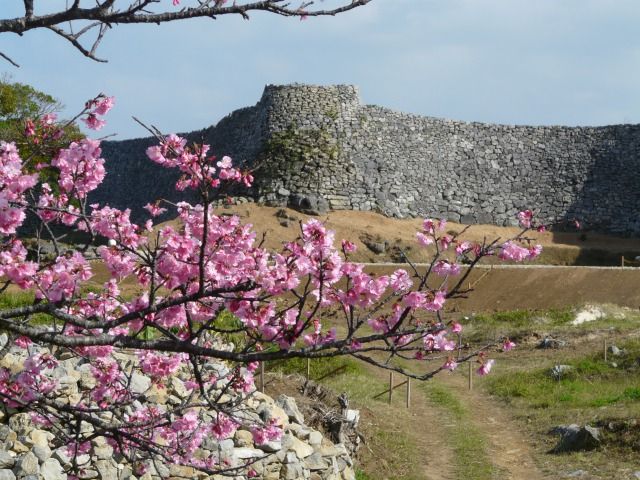
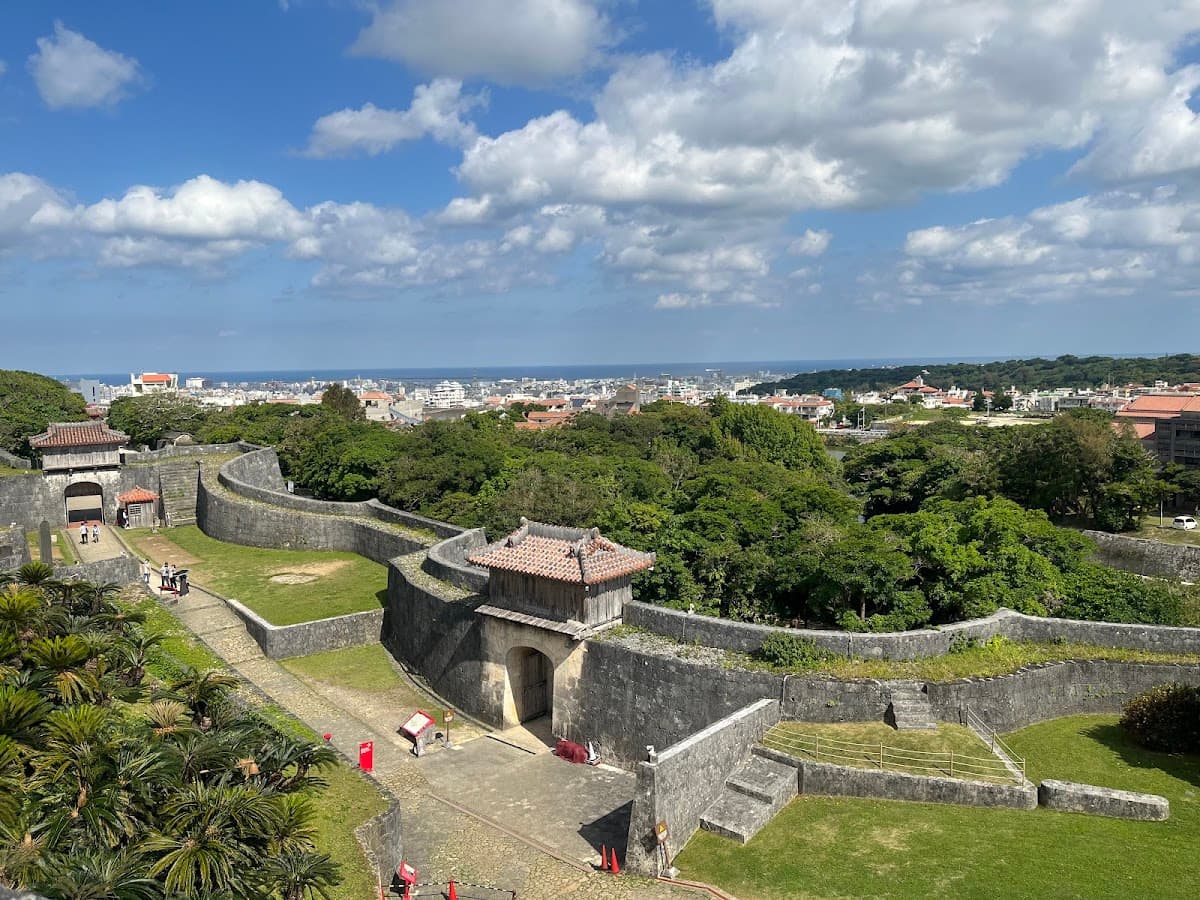
Shurijo Castle is the most significant historical site on the main island. The castle served as the seat of the Ryukyu Kingdom for several centuries and is a UNESCO World Heritage Site. Restoration work is ongoing following the 2019 fire, but substantial sections are open to visitors and the grounds alone are worth the trip.
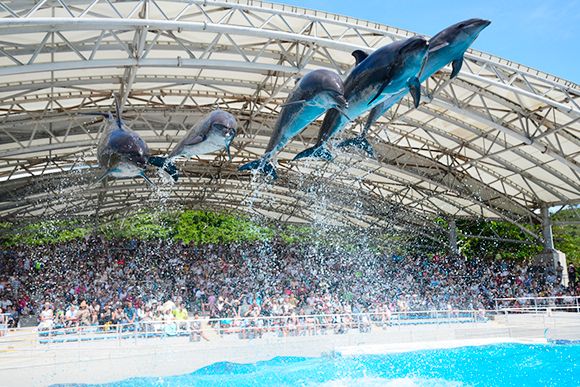
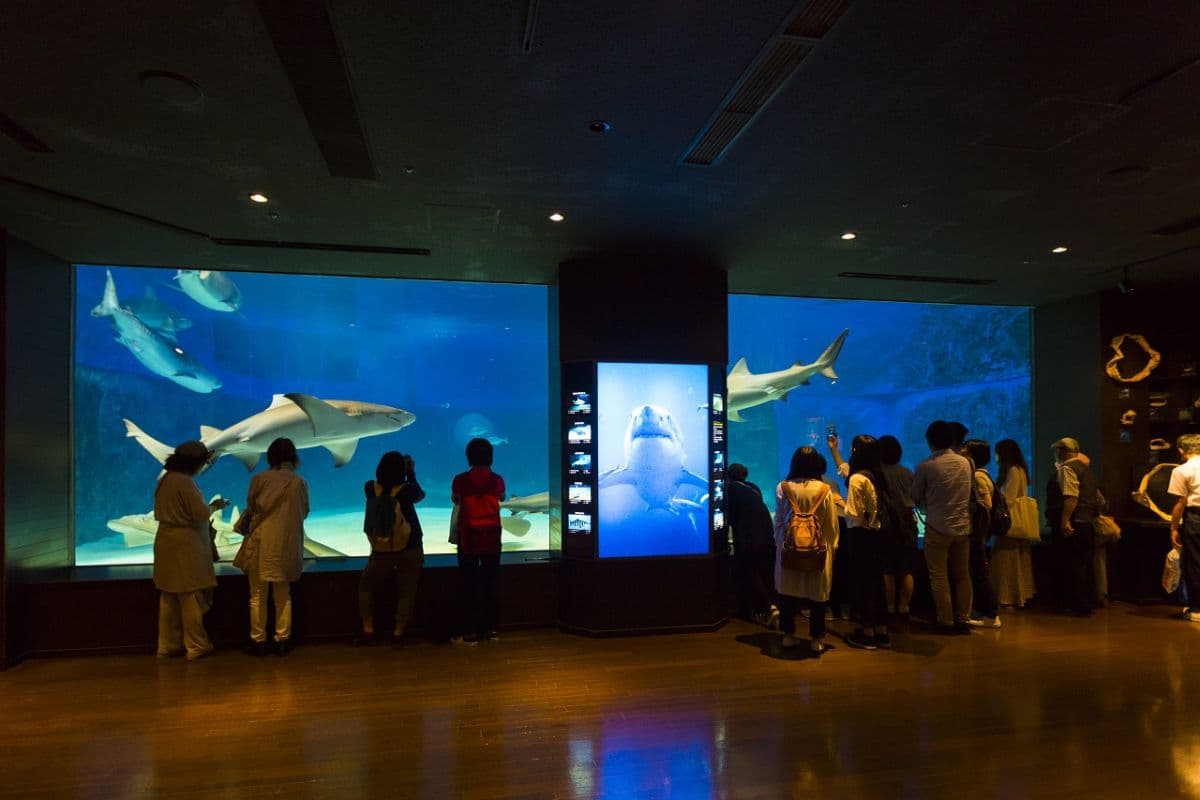
For marine life, the Okinawa Churaumi Aquarium is one of the largest aquariums in the world and home to whale sharks and manta rays in its main tank. It's genuinely impressive rather than just a tourist checkbox. If you'd prefer a guided experience that combines the aquarium with nearby cultural stops, the Okinawa Churaumi Aquarium Day Tours are a practical option, particularly if you don't have a rental car.
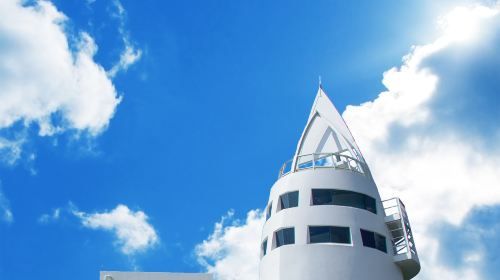
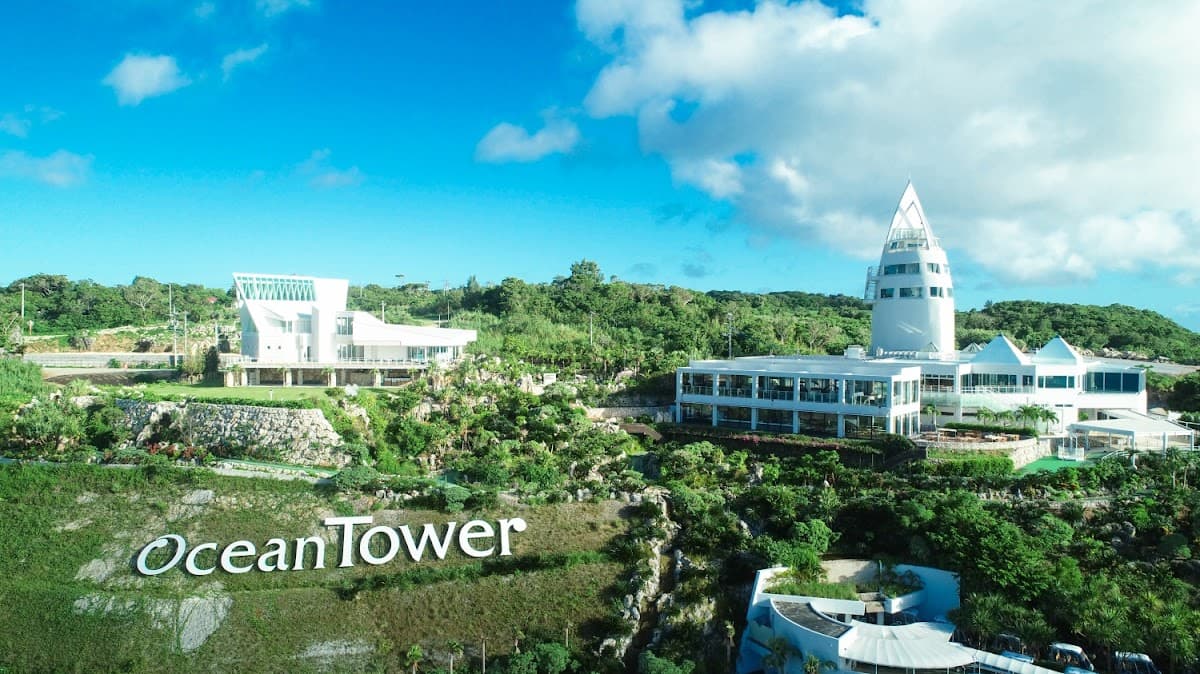
Kouri Ocean Tower sits on Kouri Island in the north, connected to the mainland by a long bridge. The views across the coral-blue water from the tower are among the best on the island, and the drive across the bridge is memorable in its own right.
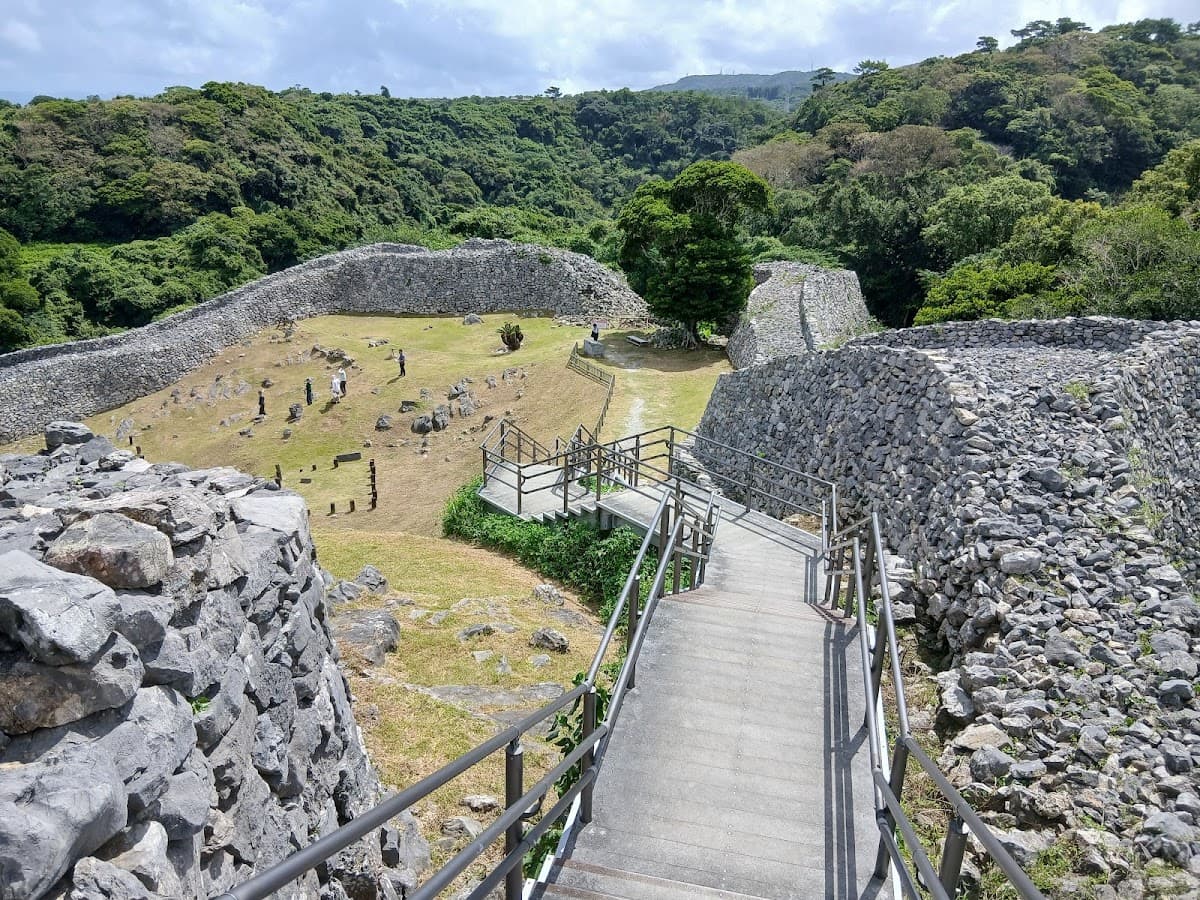
For cultural immersion, Okinawa World combines a large limestone cave system (Gyokusendo Cave) with a traditional village, craft demonstrations, and Habu snake shows. It's well-organised and gives a solid overview of Ryukyu culture in a single afternoon.
Divers and snorkellers should look into the outer islands. Kerama Islands, accessible by ferry from Naha in about 35 to 70 minutes depending on the island, have some of the clearest water and healthiest coral in the region.
Where to Eat
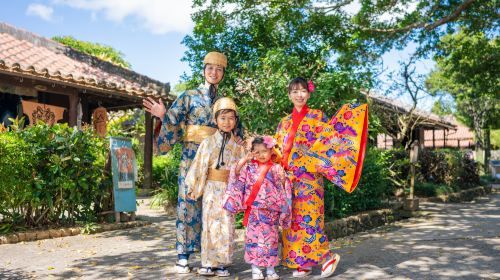
Okinawan cuisine is distinct from Japanese mainland food and worth exploring seriously. Key dishes to try include goya champuru (bitter melon stir-fry with tofu and egg), rafute (slow-braised pork belly in soy and awamori), soki soba (wheat noodles in a clear pork broth with spare ribs), and taco rice, a local invention that layers seasoned taco meat over rice and is a direct product of the American military influence.
For budget eating, the stalls and restaurants around Makishi Public Market in Naha are reliable and affordable. Set lunches (teishoku) at local restaurants typically run between 800 and 1,200 yen. Kokusai Dori has plenty of options but prices lean slightly tourist-level.
For something more considered, the resort areas along the central coast have a growing number of restaurants using local ingredients well. Awamori, the local distilled spirit made from long-grain rice, is worth trying alongside food rather than just as a standalone drink.
Budget Expectations
Okinawa sits in the mid-range for Japan. It's more affordable than Tokyo for accommodation and food at the budget end, but resort hotels on the central coast can be expensive, particularly in summer.
A reasonable daily budget for a mid-range traveller, including accommodation, meals, car rental, and entry fees, is around 15,000 to 25,000 yen per day. Budget travellers staying in guesthouses and eating at local restaurants can manage on 8,000 to 12,000 yen. The main cost spikes come from peak season accommodation and water sports activities.
Insider Tips
The northern forest is undervisited. The Yanbaru region in the far north of the main island is designated as a UNESCO Natural Heritage site and home to endemic wildlife including the Okinawa rail. Most tourists don't make it past the Churaumi Aquarium, which means the roads and trails further north are quiet even in high season.
Local supermarkets are excellent for food exploration. Okinawan supermarkets like San-A stock regional products you won't find elsewhere, including local tofu varieties, mozuku seaweed in seasoned packs, and a wide range of awamori at far better prices than tourist shops. It's a practical and genuinely interesting way to engage with local food culture.
Book ferry tickets to the Kerama Islands in advance during summer. The ferries are popular and fill up quickly on weekends and public holidays. Showing up at the port without a reservation in July or August is a gamble that often doesn't pay off.
Practical Tips
- The currency is Japanese yen. Cards are increasingly accepted but cash is still expected at smaller restaurants, markets, and guesthouses.
- Google Maps works well for navigation, including public transport routes.
- Sunscreen is essential year-round. The UV index is high even in winter.
- English signage is more common in Okinawa than in many parts of Japan, partly due to the long-term American presence, but learning a few basic Japanese phrases is always appreciated.
- Tap water is safe to drink throughout the island.
Okinawa rewards slow travel. The island has enough to fill two weeks comfortably, but even a long weekend gives you time to understand why people return here repeatedly.
![[Okinawa] Kouri Ocean Tower](/_next/image?url=https%3A%2F%2Ftixlayer.com%2Fstorage%2Fattractions%2F3027%2Fgoogle_0_1776175375.jpg&w=3840&q=75)