
Cosas que hacer en Cairns
51 experiencias en Cairns
Recibe avisos sobre nuevas experiencias en Cairns
Sé el primero en saber cuándo añadimos tours y entradas en Cairns.
About Cairns
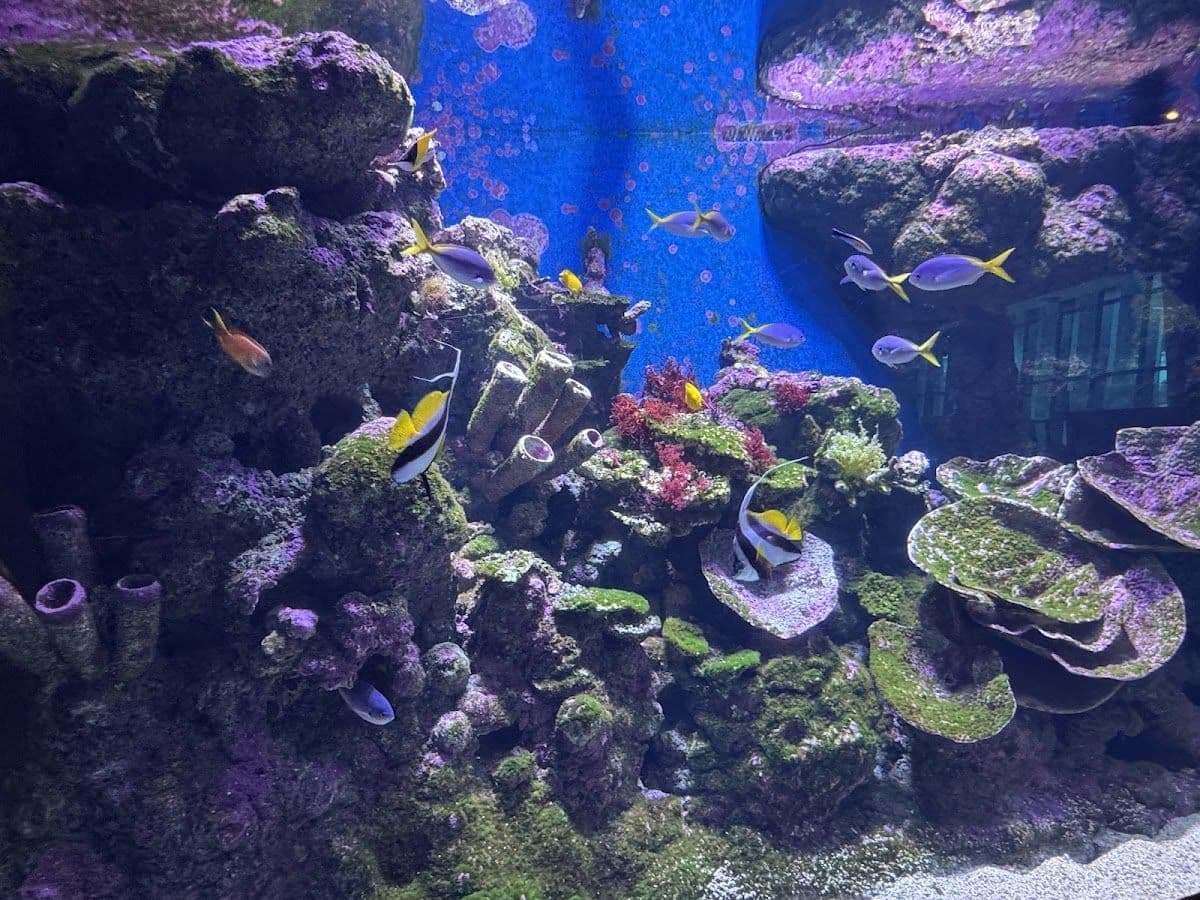
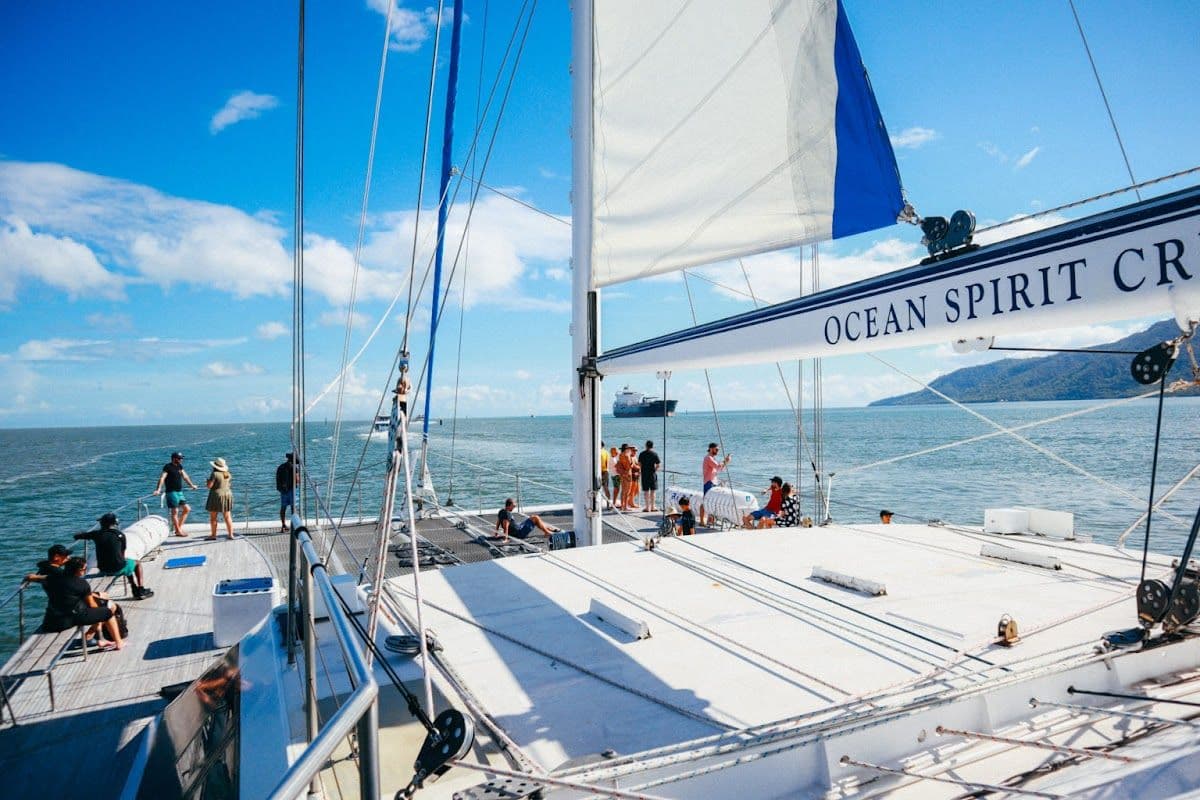
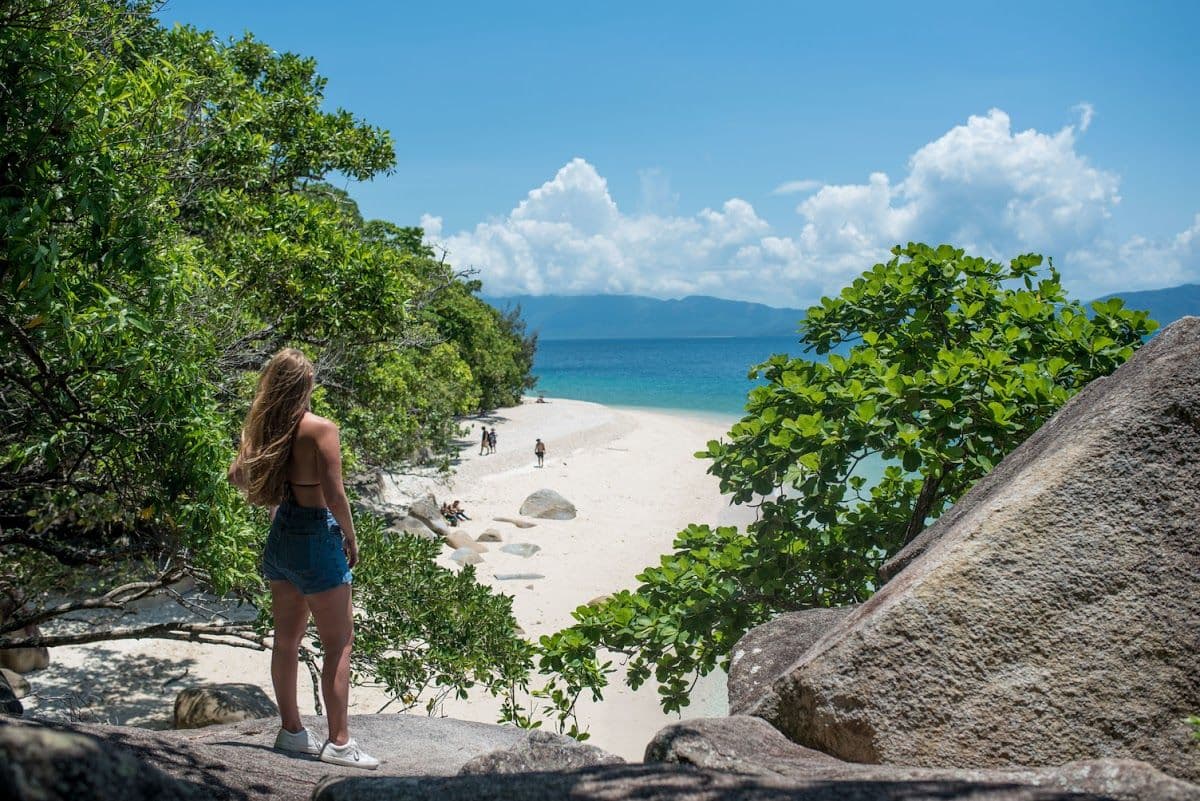
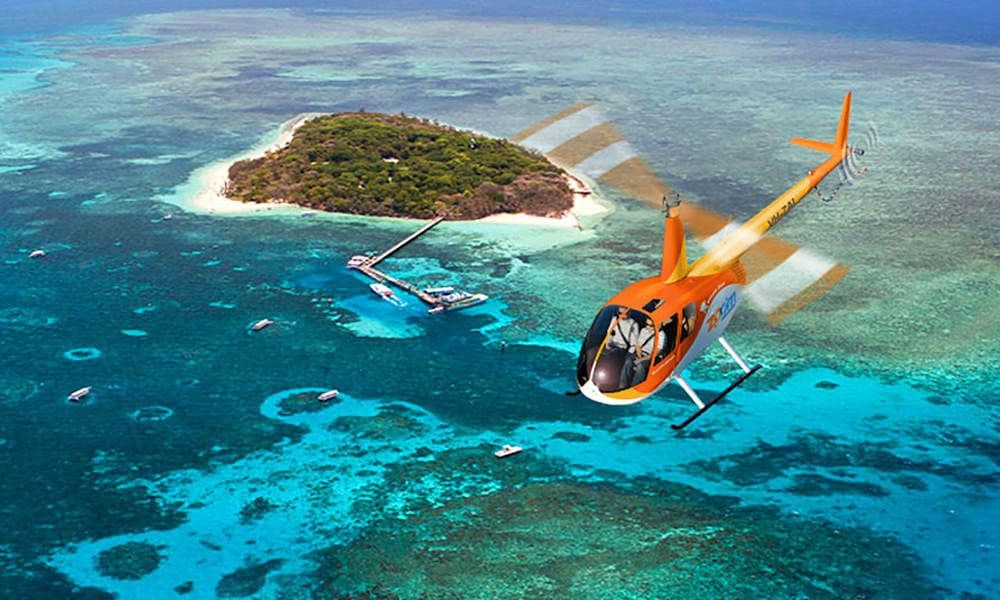
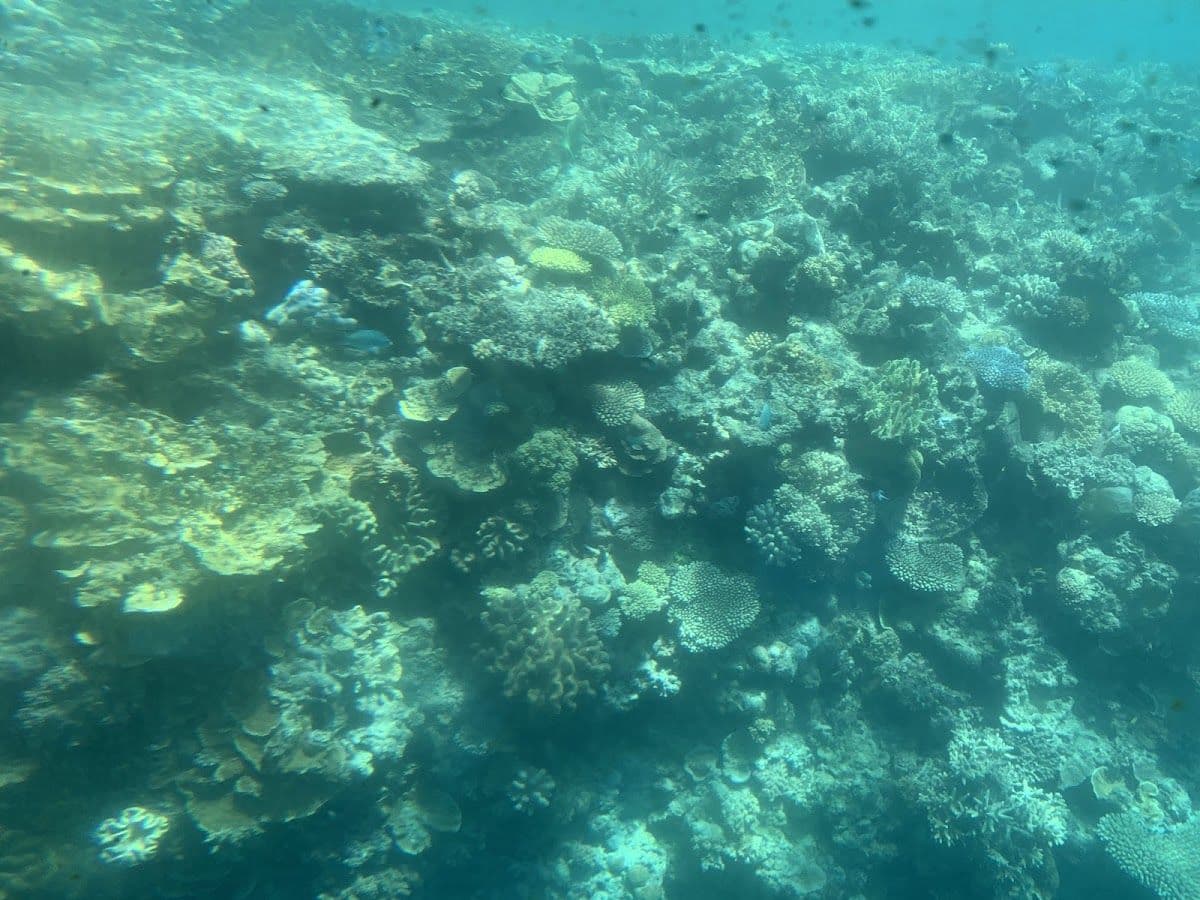
Cairns exists for one reason: it's the launchpad to the Great Barrier Reef, and everyone here knows it. The city itself is a low-rise, humid, slightly scruffy tropical town wrapped around a mangrove-lined esplanade, but its real value is as base camp — reef boats leave from the marina every morning, and the Daintree Rainforest, the world's oldest, starts less than two hours north. This isn't a place for polished city breaks; it's a place for people who want to get wet, sunburnt, and covered in rainforest mud within the same 24 hours.
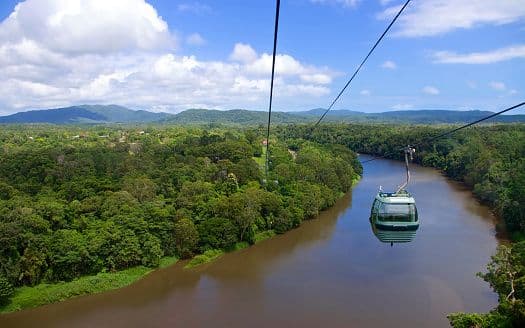
The city centre is compact and unpretentious — think backpacker hostels, dive shops, poke bowls, and souvenir stores selling stinger suits. What Cairns lacks in architectural grandeur it makes up for with sheer access: you can snorkel a living reef system in the morning, ride the Skyrail cableway over rainforest canopy in the afternoon, and eat a barramundi dinner by the lagoon at sunset. The Esplanade Lagoon, a free saltwater swimming pool built because the actual sea here is thick with mud and stingers for much of the year, is the social heart of the city and says a lot about how Cairns operates: pragmatic, outdoorsy, built around water even when the water itself isn't swimmable.
Cairns suits divers, backpackers, families chasing reef trips, and anyone using it as a gateway to Port Douglas, Cape Tribulation, or the Atherton Tablelands. It's less suited to travellers wanting boutique hotels, fine dining scenes, or a walkable historic core — for that, book a few nights and then move on. Most visitors stay two to four nights, long enough for one reef trip, one rainforest day, and a night out on the notoriously loud backpacker strip around Spence and Lake Streets.
Good to Know
Stinger season (Nov-May): box jellyfish make ocean swimming dangerous outside netted areas — always use the Esplanade Lagoon or a stinger suit on reef trips (usually provided free by tour operators)
Sun protection is non-negotiable: UV levels are extreme even on cloudy days — reef-safe sunscreen, a hat, and a rash vest for snorkelling will save you from a ruined trip
Tipping isn't expected: round up or leave 10% for exceptional service only, never obligatory
SIM cards: Telstra has the best coverage for remote reef and rainforest areas; grab a prepaid SIM at the airport or a CBD store, Optus and Vodafone are cheaper but patchier outside town
Book reef trips a day or two ahead in peak season (Jun-Sep), and always check whether snorkel gear, lunch, and stinger suits are included in the price
Cash is rarely needed: tap-to-pay is standard everywhere, including market stalls and small cafés
Crocodile awareness: obey all signage near river mouths, mangroves, and the Daintree — they are present and this is not exaggerated for tourists
Dress is casual everywhere: thongs (flip-flops) and shorts are fine even at nicer restaurants, no need to pack for a dress code