
Okinawa on a Budget: How to See the Best Without Overspending
By Matt Cuckston, Founder & Travel Technology Expert at TixLayer
Okinawa is unlike anywhere else in Japan. The islands offer turquoise water, coral reefs, a distinct Ryukyuan culture, and a pace of life that feels worlds away from Tokyo. As a complete Okinawa travel guide, this article is designed to help you experience the best of the islands while keeping your spending firmly in check. With a little planning, you can enjoy stunning scenery, rich history, and genuinely great food without paying tourist prices at every turn.
Free and Low-Cost Beaches
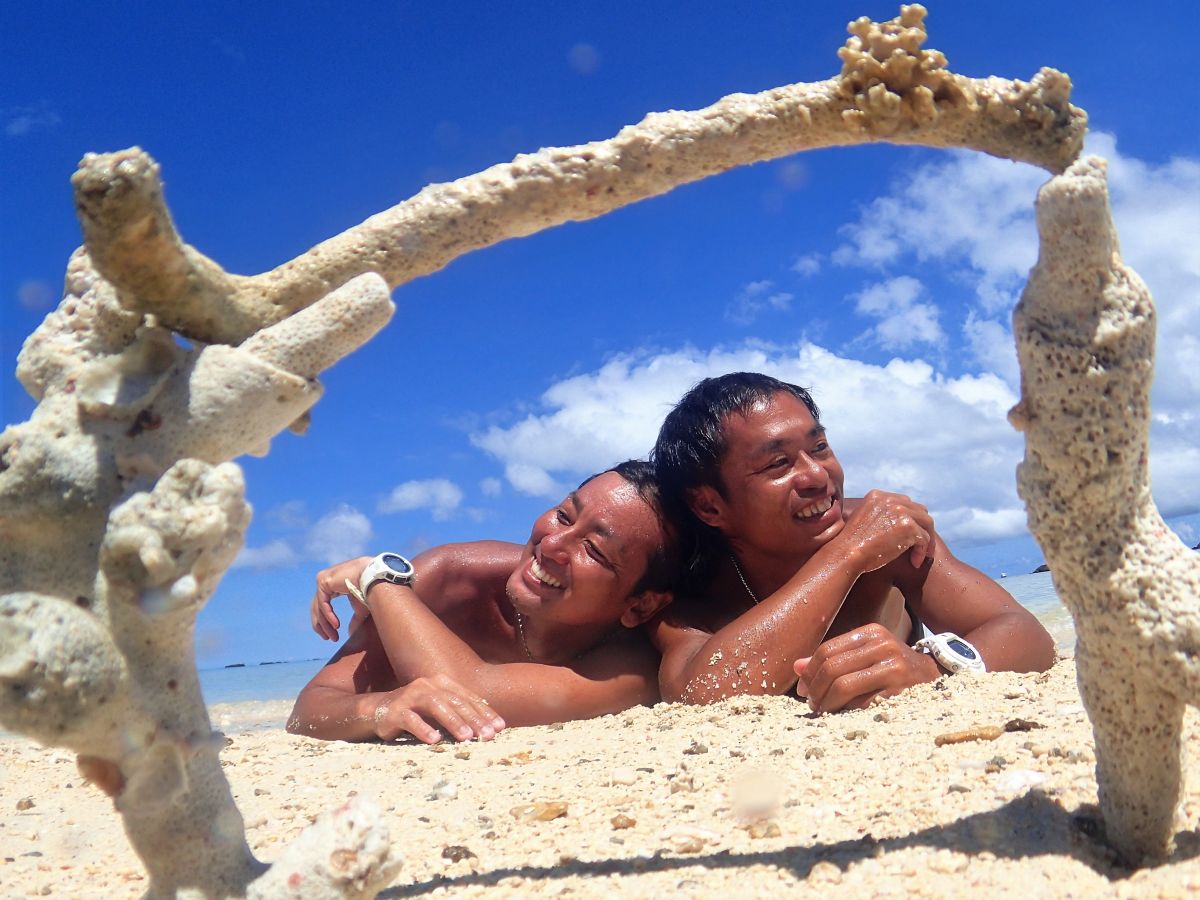
The beaches here are the main attraction, and the good news is that most of them are completely free. Emerald Beach, located within Ocean Expo Park in northern Okinawa, is one of the most photographed stretches of sand on the island and costs nothing to enter. Sunset Beach near American Village is another popular spot that requires no admission fee and is easy to reach by bus.
For snorkeling, Onna Village and the reefs around Cape Maeda offer some of the best underwater scenery without requiring a guided tour. You can rent basic snorkel gear from local shops for around 500 to 1,000 yen per day. Arriving early on weekdays helps you avoid crowds and secure a good spot without paying for a premium beach club setup.
Affordable Food That Actually Reflects the Island

Okinawan food is one of the most underrated parts of visiting the island, and eating well here does not require a large budget. Look for places serving soba, the local noodle dish made with wheat flour and served in a rich pork broth. A bowl typically costs between 600 and 900 yen at local restaurants and is far more satisfying than anything you will find at a convenience store.
Public markets are your best option for low-cost meals and snacks. Makishi Public Market in Naha has stalls selling fresh fish, tropical fruit, and Okinawan specialties at prices aimed at locals rather than tourists. Picking up a bento from a supermarket or convenience store in the evening, when discounts are applied, is another reliable way to cut food costs without sacrificing quality.
For something a little different, try Okinawan taco rice, a local invention that blends American military base culture with island ingredients. It is widely available for under 800 yen and is worth trying at least once.
Smart Transport Choices
Getting around without spending heavily on transport takes some planning but is entirely doable. The Yui Rail monorail connects Naha Airport to central Naha and is the most cost-effective way to get between those two points. A one-day pass costs around 700 yen and covers unlimited rides across the route.
Beyond Naha, buses run to most major towns and attractions. The Okinawa Bus Pass, available for tourists, offers unlimited travel on designated routes for a set daily rate and is worth purchasing if you plan to visit multiple sites in a single day. Renting a bicycle is a good option for exploring areas like Naha's Tsuboya pottery district or the quieter parts of Okinawa City.
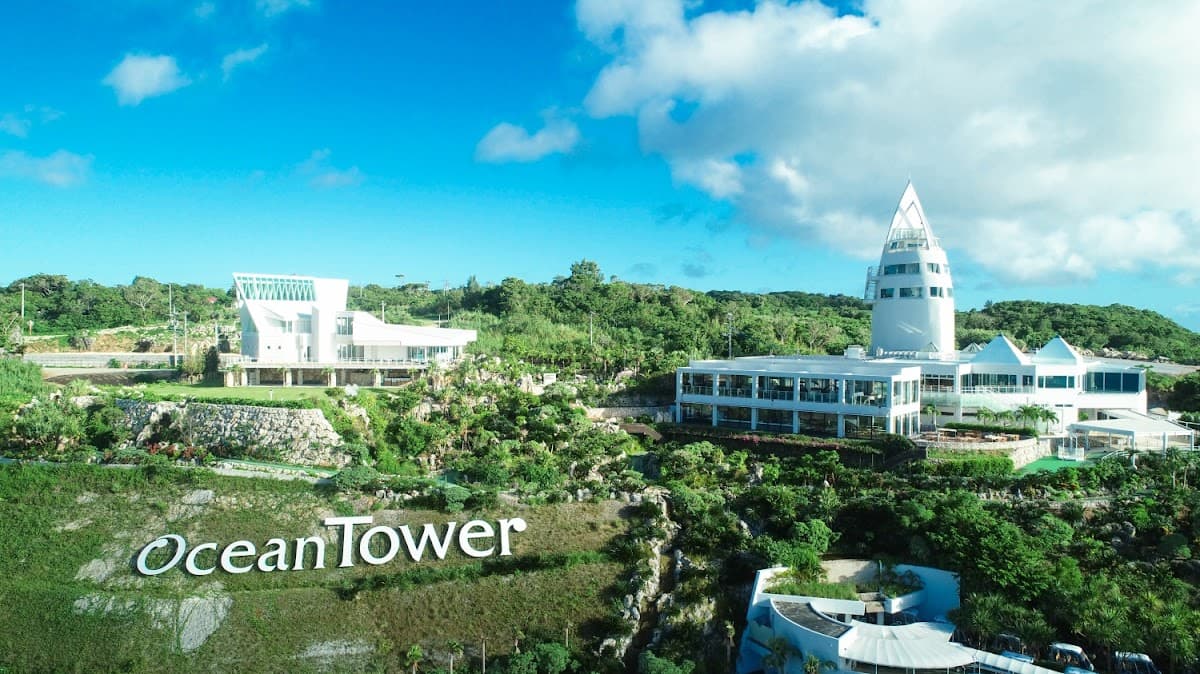
If you want to reach the northern parts of the main island or explore areas like Kouri Island, renting a small car splits costs effectively when traveling with others. Car rental rates start from around 3,000 to 5,000 yen per day outside of peak season.
Where to Save
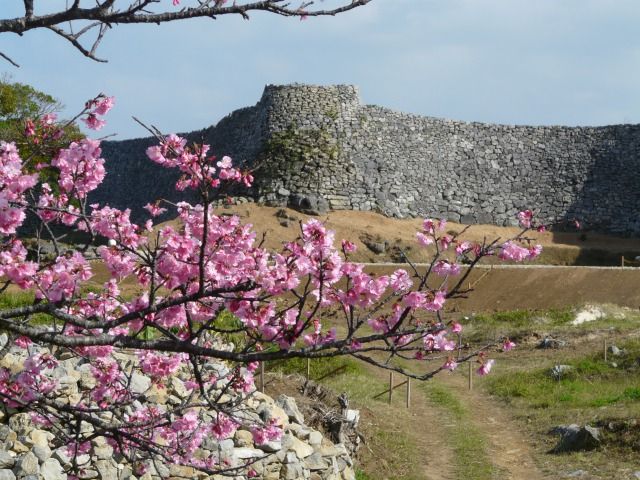
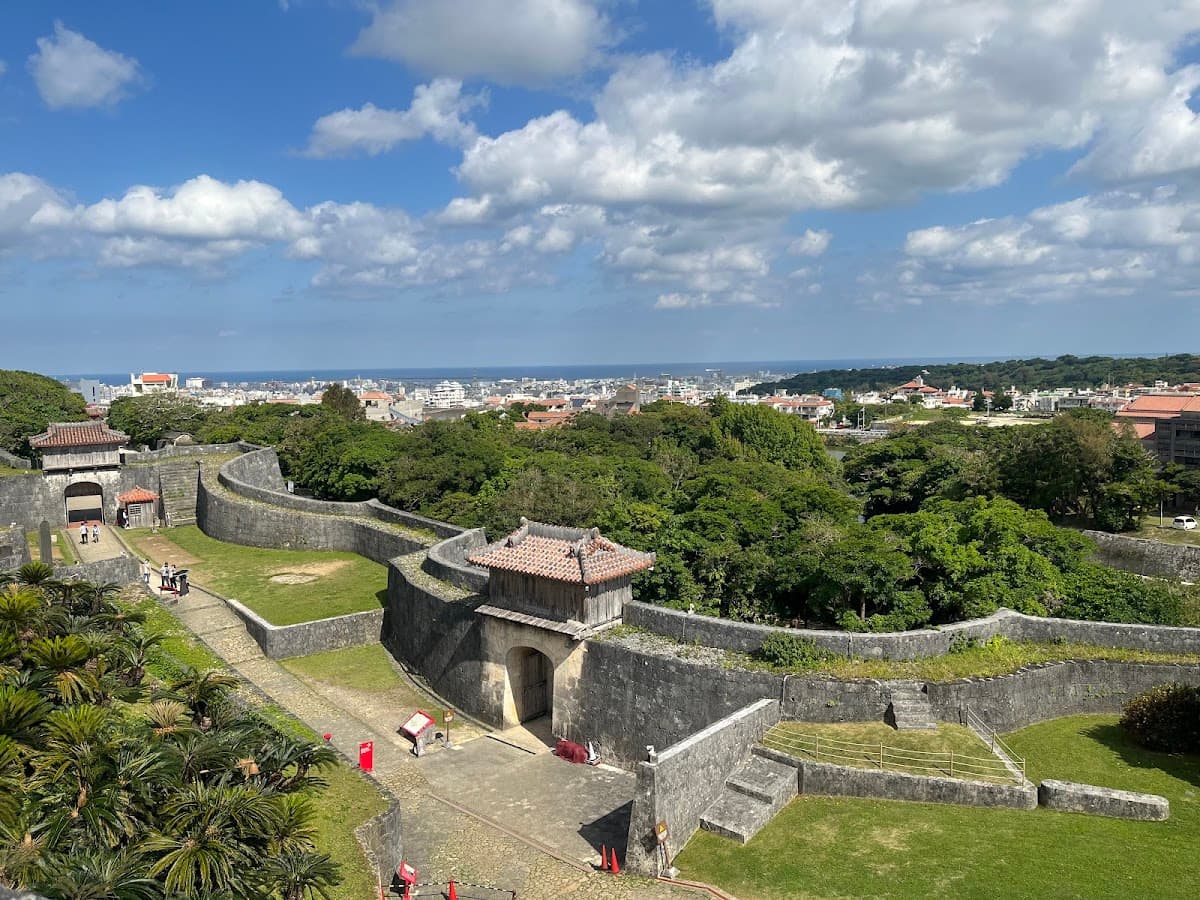
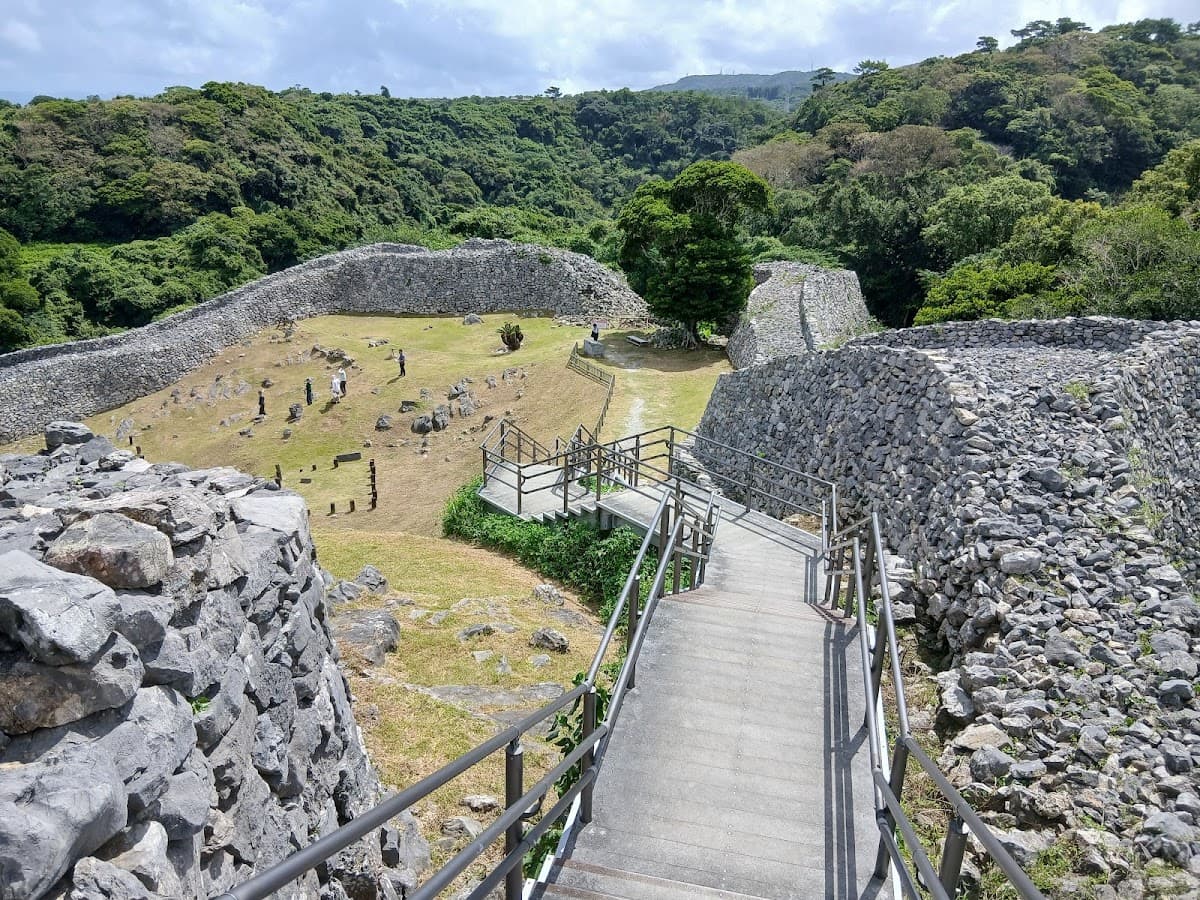
Several major attractions offer free or very low admission. The grounds of Shurijo Castle include areas open to the public at no charge, and while the main hall does require a ticket, the surrounding park and views over Naha are free. Nakijin Castle Ruins, a UNESCO World Heritage site in the north, charges a modest entry fee of around 400 yen and delivers sweeping coastal views that are hard to match anywhere on the island.
The Southeast Botanical Gardens offer a peaceful and affordable afternoon among tropical plants and walking paths, with tickets priced well below most major attractions. Neo Park Okinawa is another low-key option where you can walk among free-roaming birds and animals at a reasonable entry price.
Where to Splurge
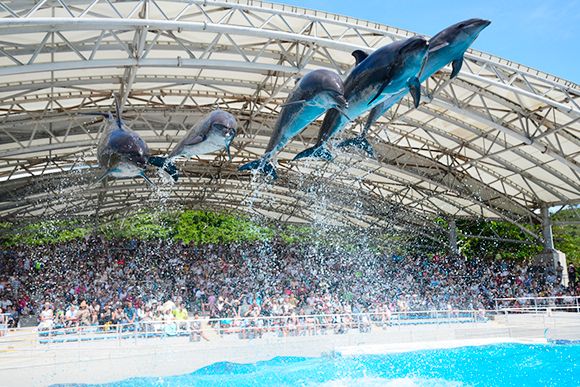
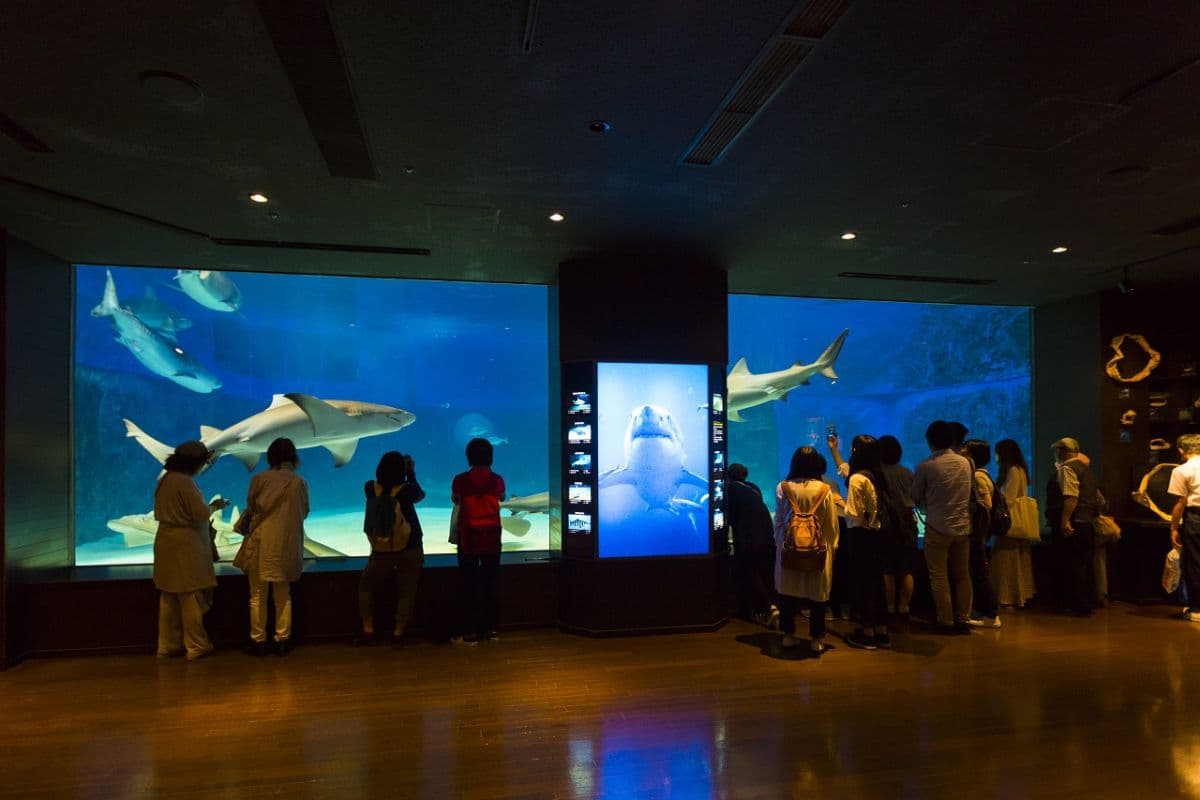
Some experiences genuinely justify the extra cost. The Okinawa Churaumi Aquarium is one of the largest aquariums in the world and home to whale sharks and manta rays swimming in an enormous main tank. The admission price of around 2,180 yen for adults is reasonable given the scale of what you are seeing, and it is worth every yen.
If you want to combine the aquarium with other highlights in an organized way, the Okinawa Churaumi Aquarium & Nago Pineapple Park & Kouri Island day tour is a practical option that covers transport and multiple sites in a single day, removing the logistics of figuring out bus connections in the north.
For a hands-on cultural experience that goes beyond sightseeing, the Okinawa Shisa experience at Ryukyukiln lets you paint and fire your own shisa, the lion-dog guardian figures found across the island. It costs more than a museum ticket but gives you something personal to take home and a genuine connection to local craft traditions.
Practical Money Tips for Okinawa
Cash is still king across much of the island, particularly at smaller restaurants, local markets, and rural attractions. Withdraw yen from 7-Eleven or Japan Post ATMs, which reliably accept international cards with lower fees than airport currency exchanges.
Many attractions offer discounted entry if you book tickets in advance online rather than paying at the gate. Checking TixLayer before you go can save a meaningful amount, especially on popular spots where walk-up prices are higher.
Traveling in spring (March to May) or autumn (October to November) keeps accommodation costs lower than peak summer rates while still offering warm weather and good beach conditions. Avoiding Golden Week in late April and early May will save you significantly on both flights and hotels.
Finally, do not underestimate how much of what makes this destination special costs nothing at all. The views from the Katsuren Peninsula, the sound of sanshin music drifting from a local practice session, and the feeling of standing at the edge of a coral reef are all free. That is the kind of travel that stays with you long after the trip is over.

![[Okinawa] Kouri Ocean Tower](/_next/image?url=https%3A%2F%2Ftixlayer.com%2Fstorage%2Fattractions%2F3027%2Fgoogle_0_1776175375.jpg&w=3840&q=75)