Things to Do in Languedoc
2 experiences in Languedoc
Get notified about new experiences in Languedoc
Be the first to know when we add tours and tickets in Languedoc.
About Languedoc
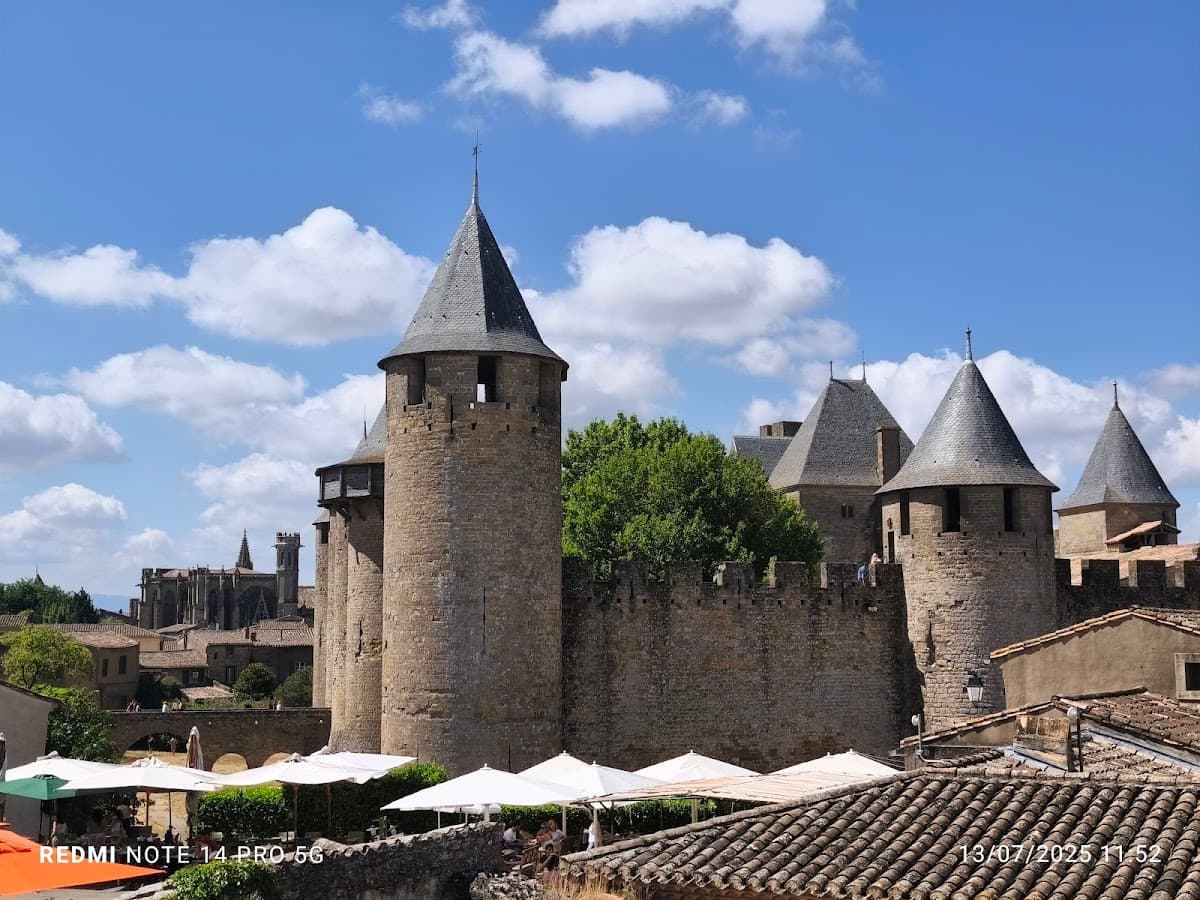
Languedoc is the sun-scorched stretch of southern France that runs from the Rhône down to the Spanish border, and it's the anti-Provence: rougher around the edges, cheaper, less precious, and all the better for it. This is Cathar country and Roman country in equal measure — medieval fortress towns like Carcassonne and Minerve sit within an hour of Nîmes' astonishingly intact Roman arena and the Pont du Gard aqueduct. The landscape shifts from the flat pink flamingo wetlands of the Camargue fringe to the scrubby garrigue hills of the Corbières, then up into proper Pyrenean foothills around Céret and Prades.
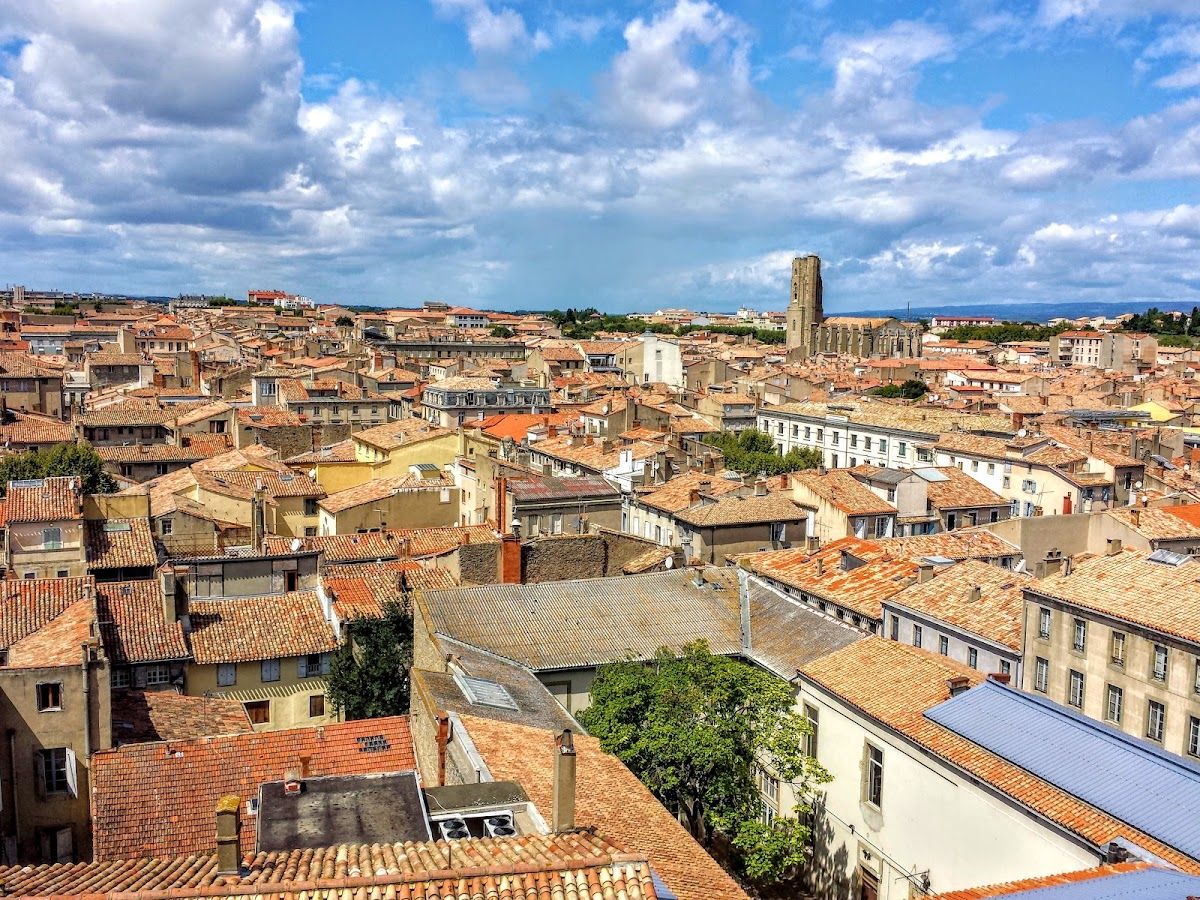
What sets Languedoc apart is that it's still a working region rather than a museum piece. The vineyards you drive through around Minervois, Faugères, and Saint-Chinian aren't decorative — this is the largest wine-growing area in the world by volume, and you can taste extraordinary Syrah and Grenache blends for a fraction of Bordeaux prices, often poured by the winemaker themselves. Montpellier, the region's big city, has a young, student-heavy energy that Aix-en-Provence lacks, while coastal towns like Sète feel genuinely lived-in, with a fishing-port grit and a Venice-of-Languedoc canal network that tourists haven't yet flattened into cliché.
This is a region for travelers who want history without velvet ropes, beaches without Riviera prices, and food built around what actually grows and swims nearby — oysters from the Bassin de Thau, brandade from salt cod, and cassoulet that locals will argue over for hours. It suits independent travelers with a rental car more than anyone hoping to hop between sights by train; distances are real and public transport thins out fast once you leave the coastal spine. Families do well here in July and August thanks to long sandy beaches around Le Grau-du-Roi and La Grande-Motte, while couples and wine-focused travelers should aim for shoulder season, when the Cathar castles are near-empty and the light on the garrigue turns gold by 6pm.
Good to Know
- Rent a car for anything beyond the coastal cities — inland wine villages and Cathar sites have minimal public transport
- Tipping isn't obligatory since service is included by law, but rounding up or leaving a few euros for good service is normal
- Many rural restaurants, wineries, and small museums close on Mondays and shut entirely for lunch between 2-7pm — plan around it
- August is when many locals go on holiday too, so some family-run restaurants and shops close for two or three weeks
- Carry a European SIM or eSIM — coverage is solid on the coast but patches out in the Corbières hills and Cathar castle country
- Book Pont du Gard and Carcassonne's Cité entry tickets online in July-August to skip long queues
- Sun protection matters more than people expect — inland limestone country reflects heat and shade is scarce on castle hikes
- Cash still helps in small wine-village cellar doors and rural markets, even though cards are widely accepted in towns