Languedoc Travel Guide: Plan Your Perfect Trip
By Matt Cuckston, Founder & Travel Technology Expert at TixLayer
Few regions in France offer the same breadth of experiences as Languedoc. Stretching from the foothills of the Pyrenees to the shores of the Mediterranean, this is a place where Roman aqueducts stand beside Cathar castles, where local markets overflow with produce, and where wine has been made for over two thousand years. If you are researching things to do in Languedoc for an upcoming trip, this guide will help you plan every detail, from arrival to your last glass of local Picpoul.
Getting to Languedoc
The most convenient entry point for most international travellers is Montpellier-Méditerranée Airport, which handles direct flights from major European cities including London, Amsterdam, and Brussels. Alternatively, Toulouse-Blagnac Airport to the west and Marseille Provence Airport to the east both provide easy onward access to the region by train or car.
By rail, the high-speed TGV connects Paris to Montpellier in just over three hours, making a train journey a genuinely attractive option. Nîmes and Béziers are also served by the main line, giving you flexibility depending on where you plan to base yourself.
If you are arriving from elsewhere along the French Mediterranean coast, regional trains and bus services connect the area with Nice, Marseille, and beyond.
Getting Around

Renting a car is the single best decision you can make for exploring Languedoc. The region's most rewarding experiences, including the Cathar castles perched above remote valleys, the wine villages of the Hérault, and the flamingo-dotted lagoons near Aigues-Mortes, are simply not accessible without one. Roads are generally well-maintained, traffic outside of July and August is manageable, and parking in smaller towns is rarely a problem.
For city-based travel, Montpellier has an excellent tram network that covers the main urban areas efficiently. Between towns, regional buses fill the gaps, though timetables can be infrequent, so always check schedules in advance.
If you are combining Languedoc with the wider French Riviera, boat transfers offer a scenic and practical alternative to road travel. A Cannes Round-Trip Boat Transfer to Saint Tropez is a memorable way to move along the coast while avoiding summer traffic entirely.
When to Visit
Best months: May, June, and September are the ideal windows. The weather is warm and settled, crowds are manageable, and accommodation prices have not yet reached their summer peak. The vineyards are at their most photogenic in September during harvest season, and local festivals fill the calendar throughout June.
July and August bring intense heat, particularly inland, with temperatures regularly exceeding 35°C. Coastal areas become extremely crowded and prices spike sharply. If you must visit in summer, plan outdoor activities for the early morning and late afternoon.
October to April offers a quieter, more local experience. The autumn colours across the Cévennes are genuinely spectacular, and winter markets in Montpellier and Nîmes are worth the cooler temperatures. Some smaller villages and rural restaurants close from November through March, so check ahead.
Best Areas to Base Yourself

Montpellier is the regional capital and the most practical base for first-time visitors. It has the best transport connections, a wide range of accommodation, a lively university-town atmosphere, and easy access to both the coast and inland villages.
Nîmes suits travellers drawn to Roman history. The city's arena and Maison Carrée are among the best-preserved Roman monuments anywhere in Europe, and the city itself is less touristed than many comparable destinations.
Béziers and the Canal du Midi corridor appeal to those who want a slower pace. Hiring a canal boat and drifting through the plane-tree-lined waterway is one of the most relaxing things you can do in the region.
The Hérault Valley is the right choice if wine is your primary motivation. Villages like Pézenas, Saint-Guilhem-le-Désert, and Clermont-l'Hérault put you at the heart of some of France's most exciting wine country.
What to See and Do

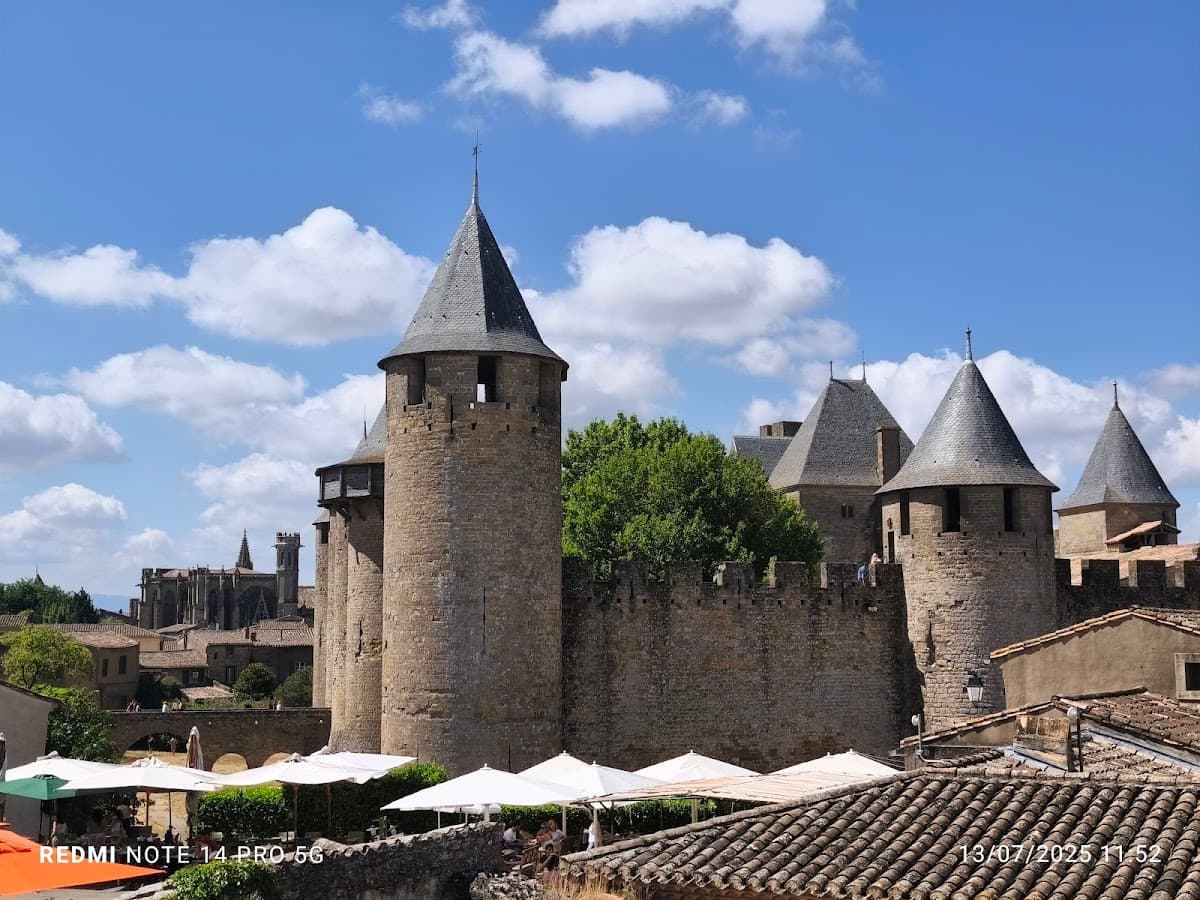
The Pont du Gard, a UNESCO-listed Roman aqueduct near Nîmes, is one of the most impressive ancient structures in Europe and deserves at least half a day. The medieval walled city of Carcassonne is similarly unmissable, though arriving early or staying overnight helps you experience it before the day-trip crowds arrive.
For wine lovers, a Provence Wine Tour from Cannes offers a well-organised introduction to the regional wine culture, taking in picturesque vineyards with a knowledgeable guide handling all the logistics.
If you are based near the coast and want to explore further afield, a Private Riviera Sightseeing Tour from Cannes lets you cover significant ground at your own pace, tailoring the itinerary to your interests.
For something more unusual, the town of Grasse, historically the perfume capital of the world, offers a genuinely fascinating half-day. A Perfume Making Class and Fragonard Factory Tour in Grasse gives you hands-on experience crafting your own fragrance, guided by professionals who know the craft deeply.
The Camargue Natural Park, shared with Provence, is worth a dedicated day trip for its white horses, black bulls, and extraordinary birdlife. Early morning visits offer the best wildlife sightings before the heat sets in.
Where to Eat

Languedoc's food culture is rooted in honest, ingredient-led cooking. Look for dishes built around local produce: oysters from the Étang de Thau, lamb from the Lozère, and the region's own take on cassoulet, which differs subtly but meaningfully from the Toulouse version.
In Montpellier, the area around Place de la Comédie and the Écusson neighbourhood has a strong concentration of restaurants ranging from affordable lunch spots to serious gastronomic tables. Seek out restaurants that list their suppliers on the menu, a reliable indicator of quality.
Markets are central to the food experience here. The Tuesday and Saturday markets in Pézenas are among the best in the region, and the covered market in Nîmes is excellent for charcuterie and local cheese.
Budget travellers will find Languedoc genuinely affordable compared to Paris or the Côte d'Azur. A solid three-course lunch with wine at a traditional restaurant typically costs between €18 and €28. Dinner at a good mid-range restaurant runs €35 to €55 per person. Fine dining establishments in Montpellier can reach €100 or more, but these are the exception rather than the rule.
Budget Expectations
Overall, Languedoc sits comfortably in the mid-range category. Accommodation in Montpellier is noticeably cheaper than in Nice or Marseille. Rural gîtes and chambres d'hôtes offer excellent value, often including breakfast and direct access to vineyards or countryside. Fuel, market food, and local wine are all reasonably priced. The main cost driver is accommodation during July and August, when rates can double or triple.
Insider Tips

Visit Saint-Guilhem-le-Désert on a weekday. This medieval village is widely considered one of the most beautiful in France, and it genuinely is. But on summer weekends it becomes extremely crowded on its single main street. A Tuesday morning visit in May or early June gives you the village almost to yourself.
Buy wine directly from the domaine. The Languedoc wine region produces some of France's most interesting bottles at a fraction of the price you would pay in Paris or London. Many small producers welcome visitors without appointments, especially in the Faugères, Saint-Chinian, and Pic Saint-Loup appellations. Tasting is usually free and buying direct supports the grower.
Use the smaller coastal lagoons, not just the beaches. The étangs (lagoons) that line much of the Languedoc coast, particularly around Palavas-les-Flots and La Grande-Motte, are calmer, warmer, and far less crowded than the open Mediterranean beaches in summer. They are also excellent for birdwatching and kayaking.
Practical Tips
- The French healthcare system is excellent. EU citizens should carry a European Health Insurance Card. Non-EU travellers should ensure they have comprehensive travel insurance.
- Most towns have a pharmacie on the main square, identifiable by the green cross sign, and pharmacists are well-trained to handle minor medical queries.
- Tap water is safe to drink throughout the region.
- Many smaller restaurants close on Sunday evenings and Monday. Always check ahead, particularly outside of peak season.
- Mobile coverage is good in cities and along major roads but can be patchy in the Cévennes and other rural highland areas.
Whether you are planning a wine-focused road trip, a history-driven cultural tour, or simply a relaxed week in the sun, Languedoc has the depth and variety to deliver a genuinely rewarding trip. The key is giving yourself enough time to move beyond the obvious stops and settle into the slower rhythms that define life here.