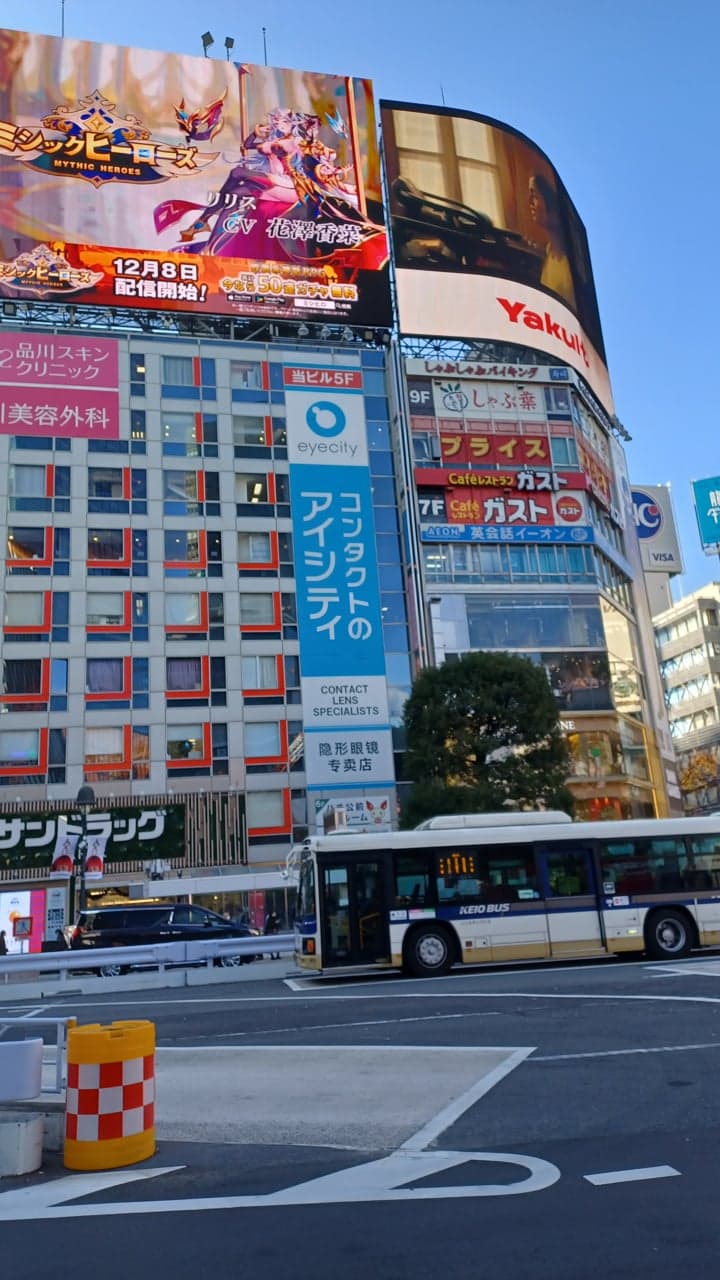
What Is the Retro Shibuya Food Tour Actually Like?
It's a 3-hour walk through Shibuya's older, quieter corners, led by an English-speaking guide who takes you into tachinomi (standing bars) and retro izakayas you'd probably walk past on your own. You start at the Hachiko mural, the famous meeting spot outside Shibuya Station, and end near Tokyu Department Store. Along the way you eat, not just look. Think small plates, a few drinks, and dessert, spread across several stops rather than one big sit-down meal.
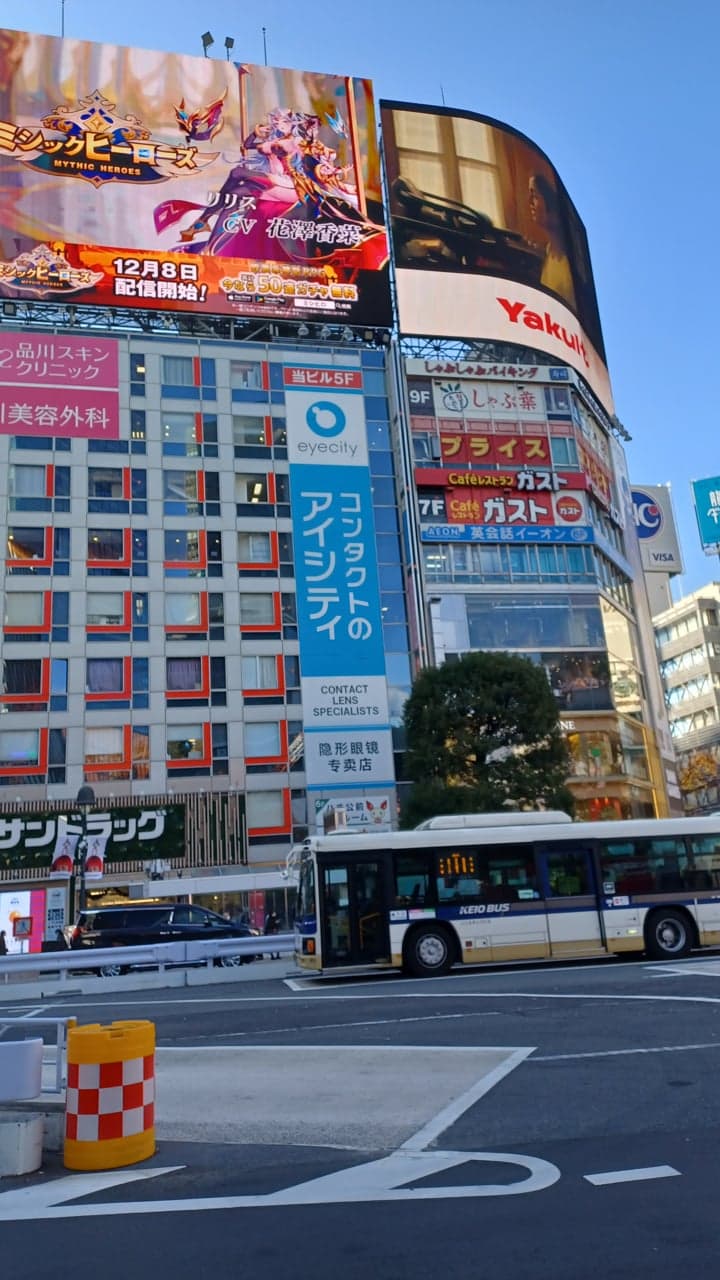
It's less about the crossing and the neon you see in postcards and more about the Showa-era side of Shibuya that survived redevelopment: narrow lanes, standing bars where regulars have been going for decades, and alleyways like Nonbee Yokocho tucked behind the station. If you want the story behind the food as much as the food itself, this fits. You can see the current schedule and details on the Retro Shibuya Food Tour Day Tours page.
How Much Walking Is Involved?
Expect a slow, stop-start pace rather than a hike. You're moving between bars and alleyways on foot for the full 3 hours, with pauses to eat, drink, and listen to the guide talk about Shibuya's history. It's not strenuous, but it's also not something you do while resting your feet after a full day at a theme park. If you've already spent the morning walking around a place like Shinjuku Gyoen National Garden or doing a rickshaw tour in Asakusa, your legs will feel it by evening.
What Should I Eat (or Not Eat) Beforehand?
Go hungry, but not starving. The tour includes a variety of seasonal dishes, snacks, and dessert across multiple stops, so you'll be eating steadily rather than getting one large meal. Skipping breakfast and lunch entirely and hoping to fill up here is risky, since portions at standing bars tend to be small by design. A light lunch a few hours before is a safer bet than nothing at all.
Will There Be Options If I Don't Eat Everything?
This isn't something we can promise either way, since menus depend on the season and what each bar is serving that day. If you have allergies or strong dietary restrictions, the safest move is to check directly through the booking page before you commit, rather than assume substitutions are available on the spot. Guides on food-based walking tours are usually flexible where they can be, but standing bars have limited kitchens.
When Is the Best Time of Day to Do This?
That depends on the specific tour slot you book, since timing and availability can vary and should be confirmed on the Retro Shibuya Food Tour Day Tours booking page before you plan your day around it. What we can say generally is that evening food tours tend to suit the mood of standing bars and izakayas better, since that's when they fill up with regulars and the atmosphere feels most like what the tour is trying to show you. If you're the type who prefers doing this earlier in the day, look at the available slots on the page rather than guessing.
What Should I Wear?
Comfortable shoes are the main thing, since you're on your feet moving between stops for the full tour. Shibuya's back streets involve some narrow, slightly uneven ground, and standing bars mean literally standing while you eat and drink, so this isn't the outing for uncomfortable footwear. Beyond that, dress for the season, since Tokyo weather swings hard between summer heat and winter cold and nothing about this tour is climate-controlled.
Is This a Good Fit for a First Day in Tokyo, or Better Later?
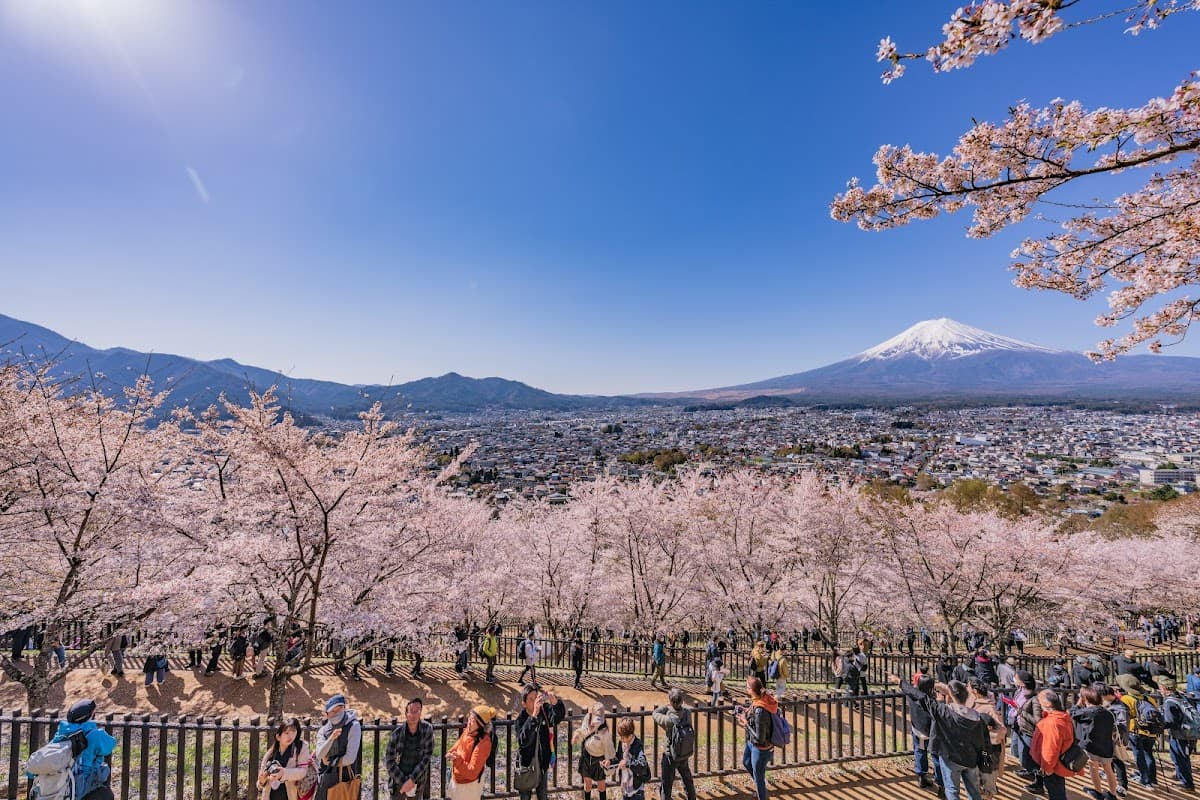
It works well later in a trip, honestly, once you've got a feel for the city and want a local's read on a neighborhood you've already glimpsed. If Shibuya Crossing was a five-minute photo stop for you earlier in your trip, this tour is the way to actually understand the area beyond the crossing. Pairing it with a full day already built around Shibuya or Shinjuku makes more geographic sense than tacking it onto a day spent out near Mount Fuji or Hakone.
What Should I Do Before or After This Tour?
Since the tour ends near Tokyu Department Store, that's a natural point to browse for souvenirs afterward if you've got energy left. If you want to build a fuller day around it, consider spending the afternoon at TeamLab Planets TOKYO, which is a very different, more visual experience that contrasts well with an evening of food and history. Travelers doing a broader Tokyo history theme sometimes pair this with the Asakusa Rickshaw Sightseeing Tour earlier in the trip, since both dig into old Tokyo neighborhoods rather than the modern skyline. If your trip includes a Mount Fuji day, save this food tour for a separate evening back in the city rather than the same day, since Mount Fuji day trips tend to run long and leave you tired by the time you're back in Shibuya.
Is It Worth Doing Solo, or Better With a Group?
Either works. Solo travelers often like it because it's a built-in way to talk to a local guide and see parts of Shibuya you wouldn't find wandering alone. Groups and couples tend to enjoy the shared aspect of trying small plates together at each stop. It's not a large-group party tour, it's closer to a walking conversation with food stops along the way, so both solo and paired travelers tend to find it a comfortable pace.
How Do I Check Current Availability and Details?
Schedules, group sizes, and what's included can shift, so the most reliable source is the official tour page itself rather than general guidance like this. That page also lists cancellation policy and how the ticket works, which is worth reading once you've decided this is the kind of evening you want in Tokyo.