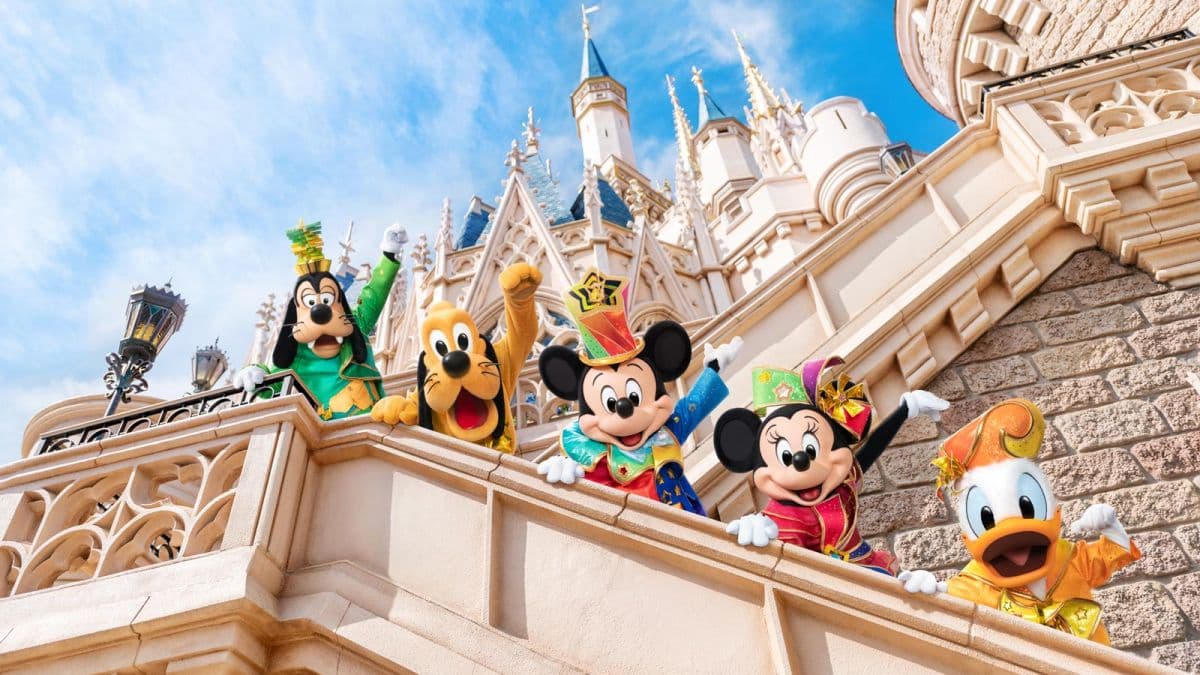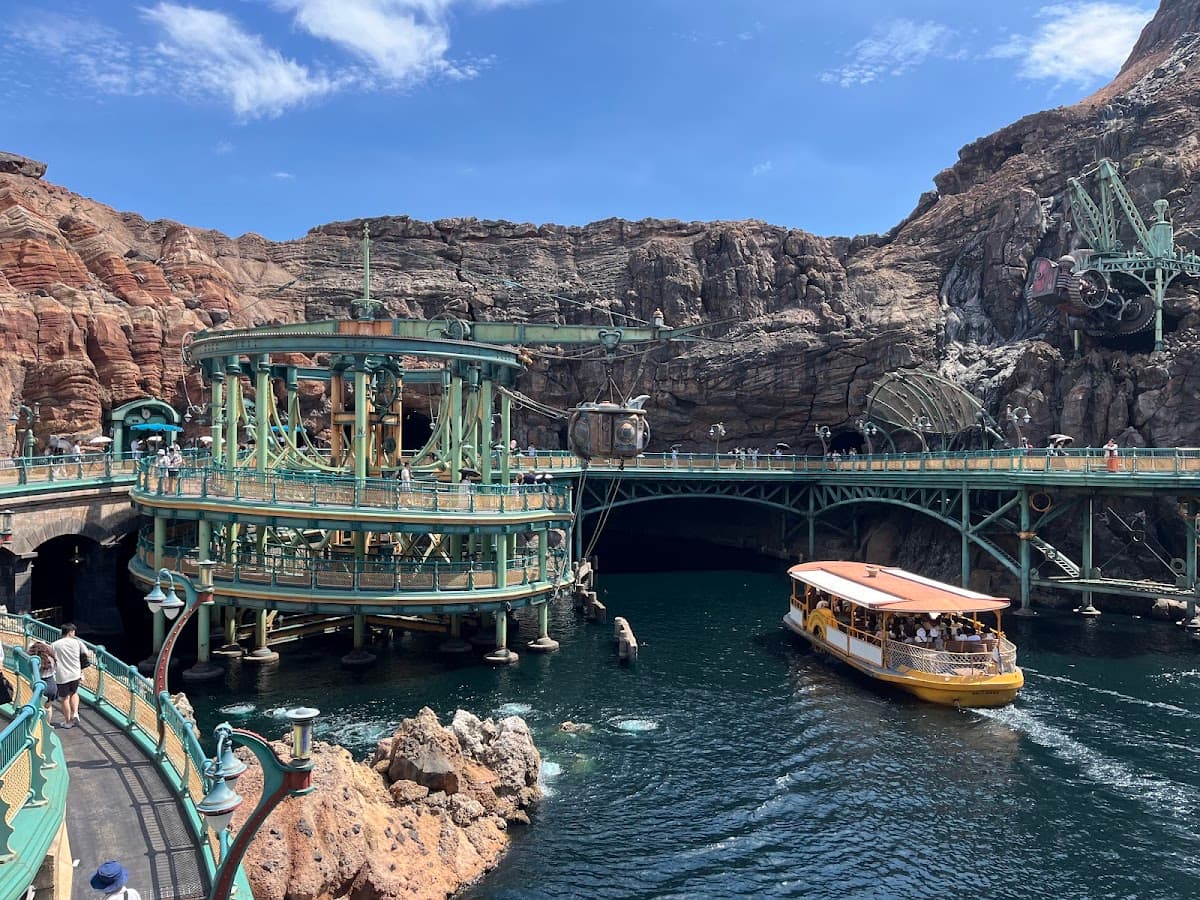
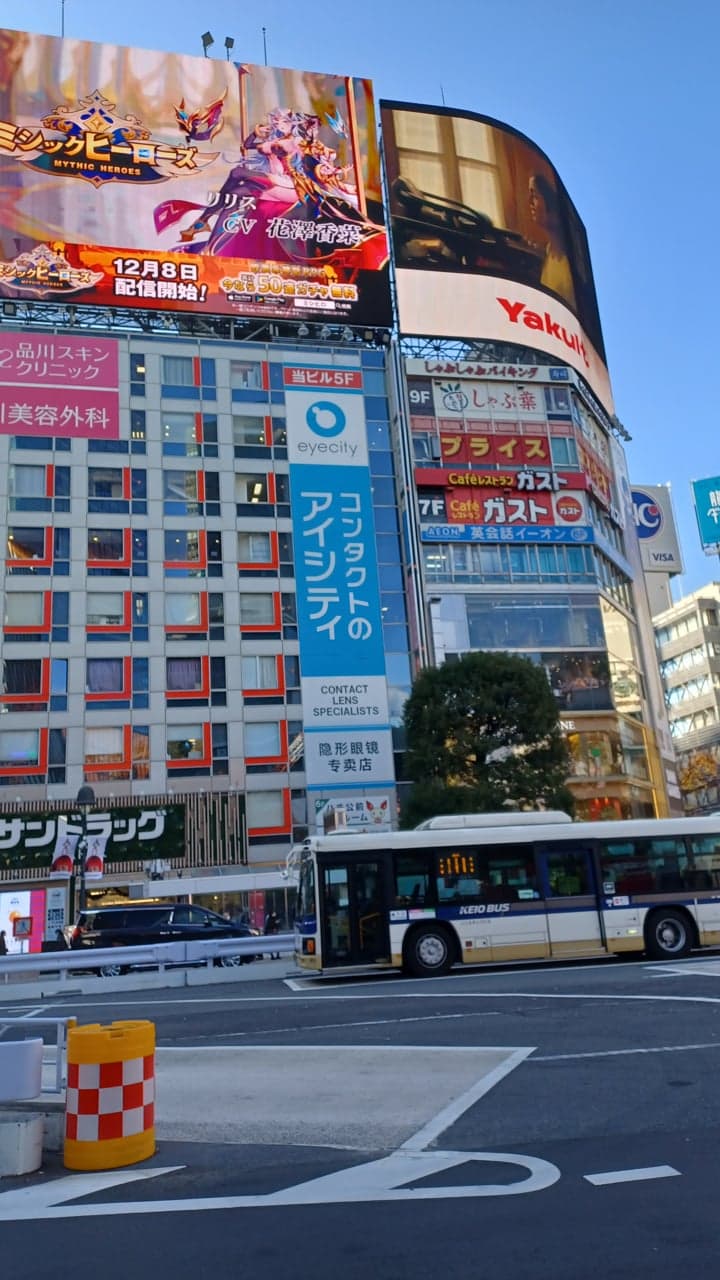
Tokio atakuje zmysły w najlepszy możliwy sposób. W jednej chwili otacza Cię kontrolowany chaos skrzyżowania Shibuya, a w następnej odnajdujesz zen w 400-letnim ogrodzie świątynnym. To 14-milionowe miasto w jakiś sposób wydaje się jednocześnie ogromne i zaskakująco kameralne; miejsce, gdzie stuletnie tradycje współistnieją z najnowocześniejszą technologią, a najlepszy ramen na świecie można zjeść o 2 w nocy z automatu.
Kiedy jechać
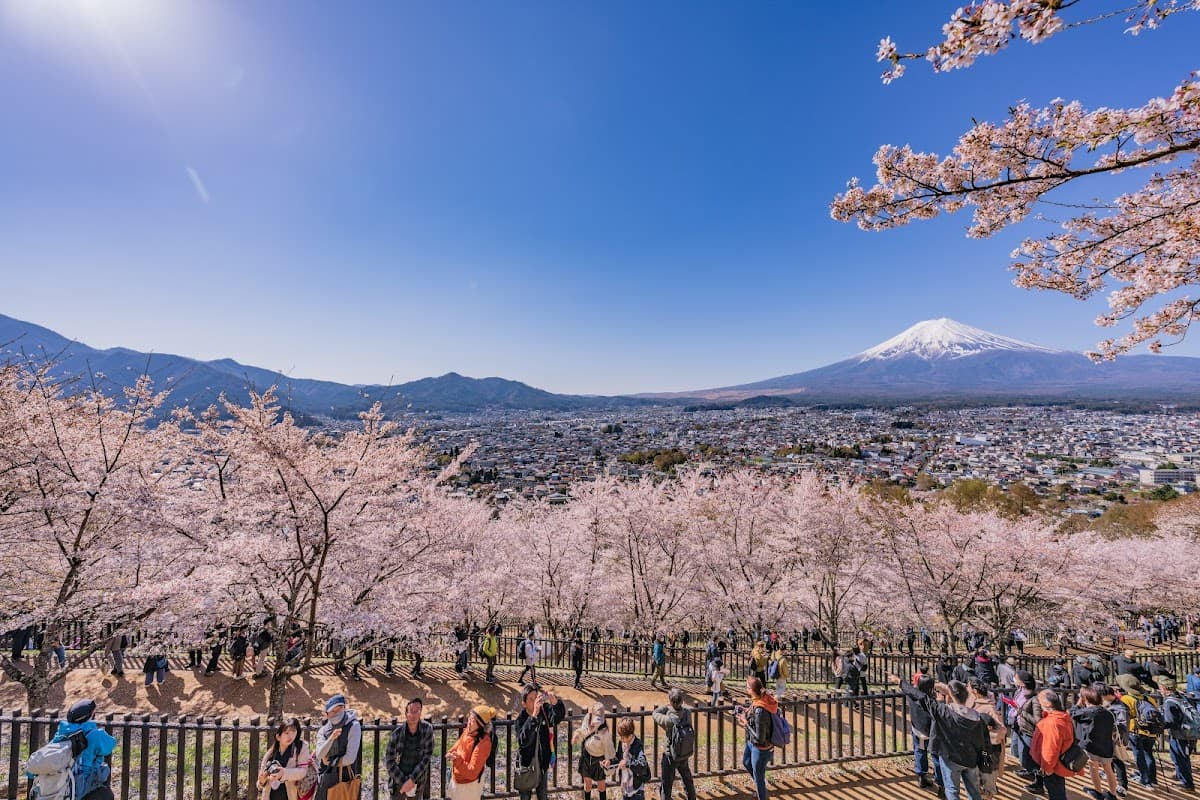
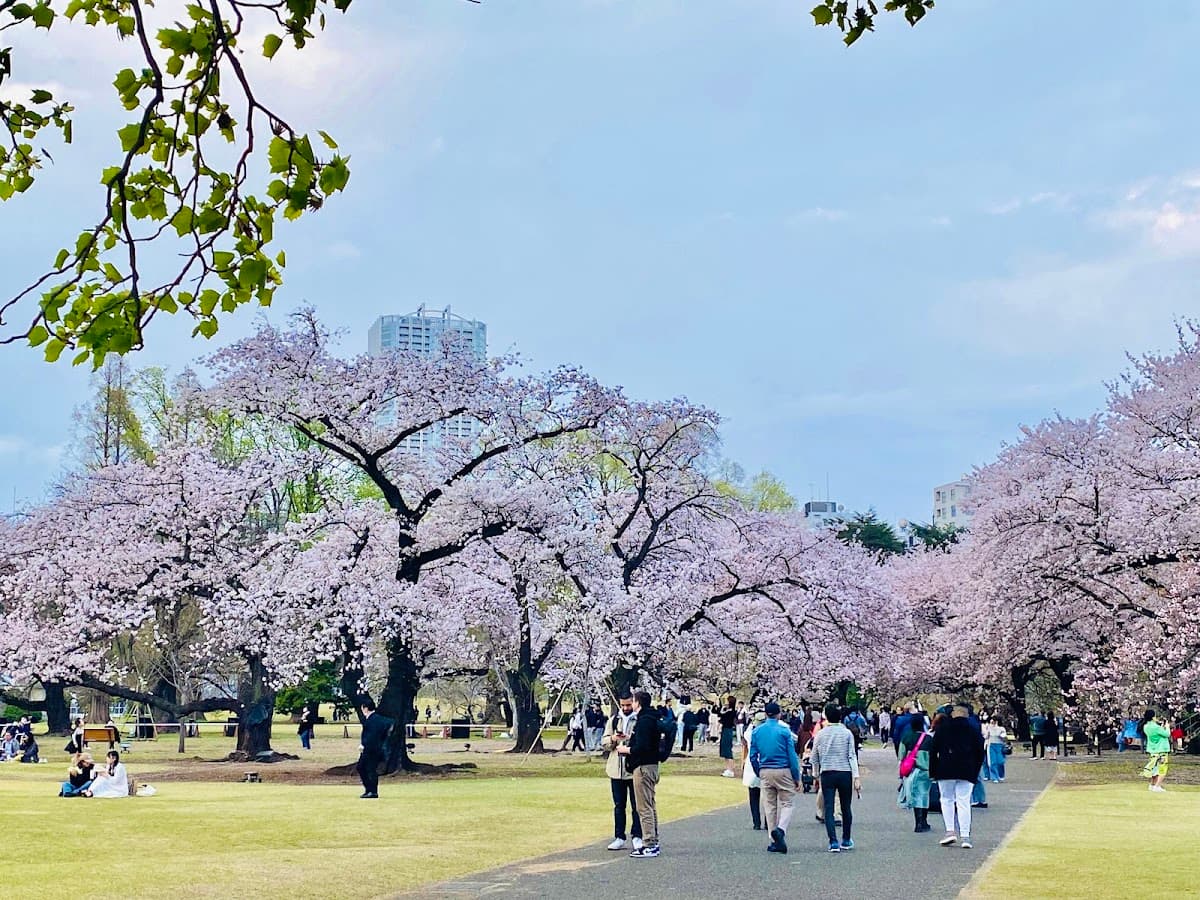
Wiosna (marzec-maj) pozostaje złotym okresem w Tokio i nie bez powodu. Kwitnące wiśnie od końca marca do początku maja zmieniają parki w różowe krainy czarów. Pogoda jest łagodna, idealna na spacery, choć należy liczyć się z tłumami i wyższymi cenami w szczycie sezonu sakura.
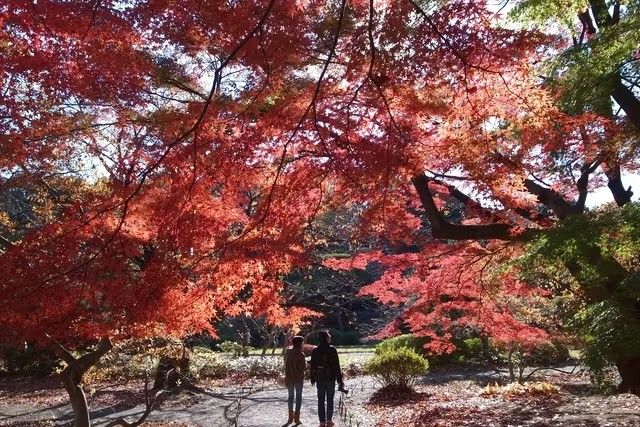
Jesień (wrzesień-listopad) to najlepiej strzeżony sekret Tokio. Uciążliwa letnia wilgotność ustępuje, liście przybierają odcienie czerwieni i pomarańczy, a miasto staje się bardziej przystępne. Październik i listopad są szczególnie zachwycające.
Lato (czerwiec-sierpień) przynosi upały i wilgotność, które zmuszą Cię do ucieczki między klimatyzowane sklepy. W lipcu i sierpniu temperatury przekraczają 35°C, przy ogromnej wilgotności. Plusy? Letnie festiwale (matsuri) rozświetlają dzielnice pokazami fajerwerków, ulicznym jedzeniem i tradycyjnymi obchodami.
Zima (grudzień-luty) zaskakuje wielu odwiedzających rześkimi, przejrzystymi dniami i okazjonalnymi opadami śniegu. Choć jest zimno, zazwyczaj jest słonecznie i sucho. Ponadto zimowe iluminacje zmieniają miasto w migoczącą krainę czarów, a gorące źródła (onsen) w granicach miasta wydają się jeszcze bardziej luksusowe.
Najważniejsze festiwale:
- Kanda Matsuri (połowa maja, lata nieparzyste): Jeden z trzech wielkich festiwali w Tokio
- Festiwal Fajerwerków na rzece Sumida (koniec lipca): Spektakularne pokazy nad rzeką
- Jidai Matsuri (październik): Historyczna parada
- Nowy Rok (koniec grudnia – początek stycznia): Wizyty w świątyniach i tradycyjne ceremonie
Jak dojechać i poruszać się po mieście
Dojazd
Międzynarodowe lotnisko Narita znajduje się około 60 km na wschód od centrum Tokio, podczas gdy lotnisko Haneda jest bliżej, ale obsługuje mniej lotów międzynarodowych. Pociąg Narita Express dowiezie Cię do głównych stacji w 36-60 minut, podczas gdy Keisei Skyliner jest nieco szybszy i tańszy. Z Hanedy, kolejka Tokyo Monorail lub linia Keikyu dowiezie Cię do centrum miasta w 30 minut.
Poruszanie się po mieście
Zapomnij o wszystkim, co wiesz o transporcie publicznym – system w Tokio to cud wydajności, który zawstydza większość miast. Linia JR Yamanote tworzy pętlę wokół centrum Tokio, łącząc główne dzielnice, takie jak Shinjuku, Shibuya i Ginza.
Niezbędne bilety okresowe:
- Bilety Tokyo Metro 24/48/72-godzinne: Nielimitowane przejazdy liniami Tokyo Metro
- JR Pass: Opłacalny, jeśli podróżujesz również poza Tokio
- Greater Tokyo Pass: Obejmuje JR, metro i niektóre linie prywatne
Pobierz Google Maps i Hyperdia do planowania tras. Zaufaj systemowi – jeśli mówi, że następny pociąg przyjedzie za 3 minuty, to przyjedzie za 3 minuty.
Wskazówka: Unikaj godzin szczytu (7:30-9:30 oraz 17:30-19:30), chyba że chcesz doświadczyć słynnych „popychaczy”, którzy dosłownie upychają ludzi do wagonów.
Gdzie się zatrzymać
Shinjuku umieszcza Cię w samym sercu zorganizowanego chaosu Tokio. Ta ogromna dzielnica oferuje wszystko, od budżetowych hoteli kapsułowych po luksusowe wieżowce, a najruchliwsza stacja kolejowa świata łączy Cię z każdym zakątkiem miasta. Zatrzymaj się tutaj, jeśli chcesz być w centrum wydarzeń – neonów, nocnych restauracji i niekończącej się rozrywki.
Shibuya przyciąga młodszych podróżników i każdego, kto chce poczuć kulturę młodzieżową Tokio. Słynne skrzyżowanie, niezliczone opcje zakupowe i tętniące życiem nocne życie sprawiają, że jest to ekscytujące miejsce, choć może wydawać się przytłaczające. Idealne dla osób odwiedzających Tokio po raz pierwszy.
Ginza obsługuje zamożną klientelę Tokio, oferując ekskluzywne sklepy, restauracje z gwiazdkami Michelin i wyrafinowaną atmosferę. Zatrzymaj się tutaj, jeśli cenisz luksus i nie przeszkadza Ci jego koszt. Okolica znacznie cichnie po godzinach pracy biur.
Asakusa oferuje urok dawnego Tokio z tradycyjnymi opcjami ryokan i bliskością świątyni Senso-ji. Ta wschodnia dzielnica wydaje się bardziej autentycznie japońska i mniej międzynarodowa, co czyni ją idealną dla podróżników szukających kontaktu z kulturą.
Roppongi obsługuje międzynarodowych gości i ekspatów dzięki lokalom przyjaznym anglojęzycznym klientom i aktywnemu życiu nocnemu. Choć wygodne, może wydawać się mniej autentycznie japońskie niż inne obszary.
Harajuku/Omotesando łączy dziwaczną kulturę młodzieżową z modą wysoką. Świetne dla podróżników zainteresowanych kreatywną stroną Tokio i fenomenami popkultury.
Co zjeść
Ramen różni się drastycznie w zależności od regionu i lokalu. Wypróbuj tonkotsu (bogaty wywar na kościach wieprzowych) w Ichiran lub Ippudo, shoyu (na bazie sosu sojowego) w tradycyjnych sklepach w Asakusa lub tsukemen (makaron do maczania) w Fuunji w Shinjuku. Nie przegap Shin-Yokohama Ramen Museum, aby zdobyć kompleksową wiedzę o ramenie.
Sushi osiąga swoje wyżyny na tokijskich targach rybnych i w ekskluzywnych lokalach. Aby zjeść przystępnie i wyśmienicie, wypróbuj kaiten-zushi (sushi na taśmie) w Sushi Zanmai lub Numazuko. Poważni miłośnicy sushi powinni rezerwować miejsca z wielomiesięcznym wyprzedzeniem w lokalach takich jak Sukiyabashi Jiro lub odwiedzić bardziej dostępny Tsukiji Outer Market, aby zjeść świeże miski sushi.
Tempura wznosi się do rangi sztuki w miejscach takich jak Daikokuya w Asakusa (działające od 1887 roku) lub Tsunahachi w Shinjuku. Lekka, chrupiąca i nietłusta, gdy jest przygotowana prawidłowo.
Yakitori błyszczy w Memory Lane (Omoide Yokocho) w pobliżu stacji Shinjuku, gdzie maleńkie stragany serwują grillowane szaszłyki z kurczaka i zimne piwo. Spróbuj różnych części – nie tylko piersi, ale także serca, wątróbki i skóry.
Monjayaki to wyjątkowe tokijskie danie typu comfort food – wytrawny naleśnik smażony na stołowych grillach. Udaj się do dzielnicy Tsukishima, znanej jako „Ulica Monja”, aby przeżyć najbardziej autentyczne doświadczenie.
Depachika (food courty w piwnicach domów towarowych) oferują niesamowite gotowe dania, pudełka bento i słodycze. Isetan, Takashimaya i Mitsukoshi mają szczególnie imponujący wybór.
Bary na stojąco (tachinomiya) oferują tanie drinki i małe przekąski. Ebisu Yokocho i obszary pod torami kolejowymi oferują autentyczne lokalne doświadczenia.
Najważniejsze atrakcje i przeżycia
Świątynia Senso-ji w Asakusa to duchowe serce Tokio. Podejdź przez ulicę handlową Nakamise, aby kupić tradycyjne przekąski i pamiątki, a następnie zwiedzaj teren świątyni, gdzie dym z kadzideł ma przynosić szczęście i zdrowie.
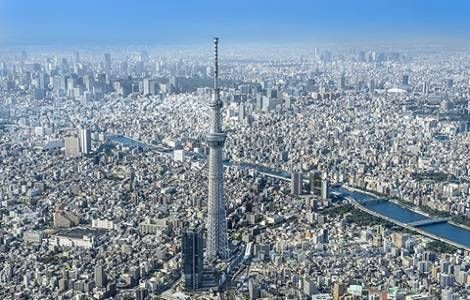
Tokyo Skytree i Tokyo Tower oferują różne perspektywy na rozległą metropolię. Skytree jest nowsza i wyższa; Tokyo Tower ma więcej nostalgicznego uroku. Obie zapewniają oszałamiające widoki, zwłaszcza o zachodzie słońca.
Świątynia Meiji tworzy oazę spokoju w ruchliwej Shibuyi. Przejdź przez las, aby dotrzeć do tej świątyni poświęconej cesarzowi Meiji; możesz być świadkiem tradycyjnych ceremonii ślubnych w stylu shinto.
Tsukiji Outer Market wciąż tętni życiem pomimo przeniesienia głównego targu. Przyjdź głodny na najświeższe sushi, tamagoyaki (omlety) i inne specjały z owoców morza.
Golden Gai w Shinjuku mieści ponad 200 maleńkich barów w zaledwie kilku alejkach. Każdy bar mieści może 5 osób, tworząc kameralną atmosferę przy drinku zarówno z miejscowymi, jak i podróżnikami.
Robot Restaurant dostarcza dokładnie to, co obiecuje – całkowicie przesadzony pokaz z robotami, laserami i głośną muzyką. Jest turystycznie, drogo i absolutnie warto to zobaczyć dla samego spektaklu.
Wycieczki jednodniowe poszerzają doświadczenie Tokio:
- Nikko: Świątynie UNESCO i piękno natury (2 godziny)
- Kamakura: Wielki Budda i tradycyjna atmosfera (1 godzina)
- Hakone: Widoki na górę Fuji i gorące źródła (1,5 godziny)
Wskazówki dotyczące oszczędzania
Zestawy lunchowe (teishoku) oferują posiłki o jakości restauracyjnej za 800-1500 jenów, w porównaniu do cen kolacji, które mogą być trzykrotnie wyższe. Wiele ekskluzywnych restauracji oferuje przystępne wersje lunchowe swoich menu kolacyjnych.
Posiłki ze sklepów typu convenience przewyższają wszystko, czego można oczekiwać od 7-Eleven w domu. Świeże onigiri (kulki ryżowe), pudełka bento i gorące dania zapewniają wysokiej jakości posiłki za mniej niż 500 jenów.
Darmowe atrakcje w Tokio:
- Wizyty w świątyniach (zazwyczaj bezpłatne)
- Wschodnie Ogrody Pałacu Cesarskiego
- Taras widokowy w budynku Rządu Metropolitalnego Tokio
- Piesze wycieczki po dzielnicach takich jak Harajuku i Omotesando
Happy hours i oferty all-you-can-drink (nomihoudai) sprawiają, że jedzenie na mieście jest bardziej przystępne. Wiele izakaya oferuje 2-3 godziny nielimitowanego picia za 2000-3000 jenów.
Wyprzedaże w domach towarowych odbywają się przewidywalnie – pod koniec lata (koniec sierpnia) i po Nowym Roku. Hale z jedzeniem przeceniają również gotowe dania w ostatnich godzinach przed zamknięciem.
Karty IC (Suica lub Pasmo) często zapewniają niewielkie zniżki na przejazdy pociągami w porównaniu do pojedynczych biletów, a także wygodę.
Typowe błędy, których należy unikać
Zakładanie płatności kartą: Mimo bycia ultra-nowoczesnym, Tokio działa na gotówkę. Wiele restauracji, sklepów i atrakcji nie akceptuje kart. Zawsze miej przy sobie jeny.
Nawigacja w godzinach szczytu: Nie lekceważ tego, jak zatłoczone są pociągi. Jeśli musisz podróżować w godzinach szczytu, zarezerwuj dodatkowy czas i przygotuj się na intensywne doświadczenie.
Sytuacje z obuwiem: Będziesz często zdejmować buty – w świątyniach, tradycyjnych restauracjach, niektórych miejscach noclegowych. Noś wsuwane buty i porządne skarpetki.
Zamieszanie z napiwkami: Nigdy, nigdzie i nikomu nie dawaj napiwków. Nie jest to w zwyczaju i może wywołać zakłopotanie lub urazę.
Odkładanie rezerwacji: Popularne restauracje, zwłaszcza bary sushi i ekskluzywne lokale, rezerwuje się z tygodniowym lub miesięcznym wyprzedzeniem. Dokonuj rezerwacji tak wcześnie, jak to możliwe.
Oczekiwania co do języka angielskiego: Choć Tokio staje się coraz bardziej międzynarodowe, nie oczekuj, że każdy mówi po angielsku. Pobierz aplikacje do tłumaczenia i naucz się podstawowych japońskich zwrotów.
Etykieta w cichym wagonie: Nie rozmawiaj przez telefon w pociągach i zachowaj ciszę podczas rozmów. Miejsca priorytetowe są przeznaczone dla osób starszych, w ciąży i niepełnosprawnych.
Sugerowany plan na 3 dni
Dzień 1: Tradycyjne Tokio
Rano: Zacznij od świątyni Senso-ji i ulicy Nakamise w Asakusa, aby zobaczyć tradycyjną architekturę i spróbować ulicznych przekąsek.
Popołudnie: Zwiedzaj Park Ueno i odwiedź Muzeum Narodowe w Tokio lub Zoo Ueno.
Wieczór: Poznaj Memory Lane w Shinjuku, aby zjeść yakitori i wypić piwo w maleńkich straganach.
Dzień 2: Nowoczesne cuda
Rano: Odwiedź świątynię Meiji, a następnie zwiedzaj Harajuku, aby poczuć popkulturę i unikalną modę.
Popołudnie: Rób zakupy i obserwuj ludzi w Shibuya, w tym słynne skrzyżowanie i pomnik Hachiko.
Wieczór: Wjedź na Tokyo Skytree lub Tokyo Tower, aby podziwiać widoki na miasto, a następnie zwiedzaj Ginza w poszukiwaniu ekskluzywnych restauracji.
Dzień 3: Targi i kultura
Rano: Wczesna wizyta na Tsukiji Outer Market na śniadanie ze świeżym sushi.
Popołudnie: Zwiedzaj Wschodnie Ogrody Pałacu Cesarskiego i dzielnicę handlową Ginza.
Wieczór: Zakończ dzień w Golden Gai w Shinjuku, odwiedzając kameralne bary.
Ten plan łączy najważniejsze zabytki z autentycznymi doświadczeniami, tradycyjną kulturę z nowoczesnymi cudami i pozostawia miejsce na spontaniczne odkrycia, które sprawiają, że Tokio jest niezapomniane.