Choses à faire à Nara
11 expériences à Nara
Soyez informé des nouvelles expériences à Nara
Soyez le premier informé de l'ajout de visites et billets à Nara.
About Nara
Nara doesn't try very hard, and that's precisely the point. As Japan's first permanent capital (710-784 AD), it got its major temple-building phase out of the way a thousand years before Kyoto did, and the result is a city that feels unhurried and genuinely old rather than curated-old. You can walk from a train station into a park full of free-roaming deer and be standing in front of a 15-metre bronze Buddha within twenty minutes, no shuttle bus required.
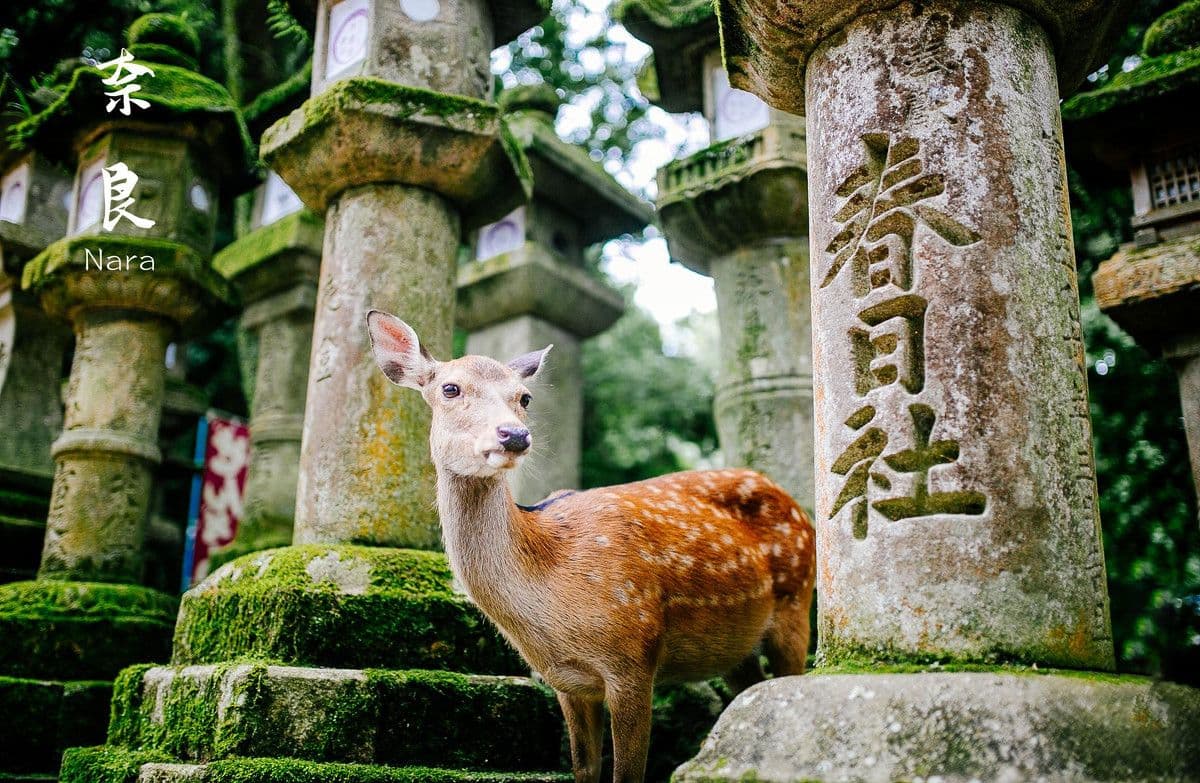
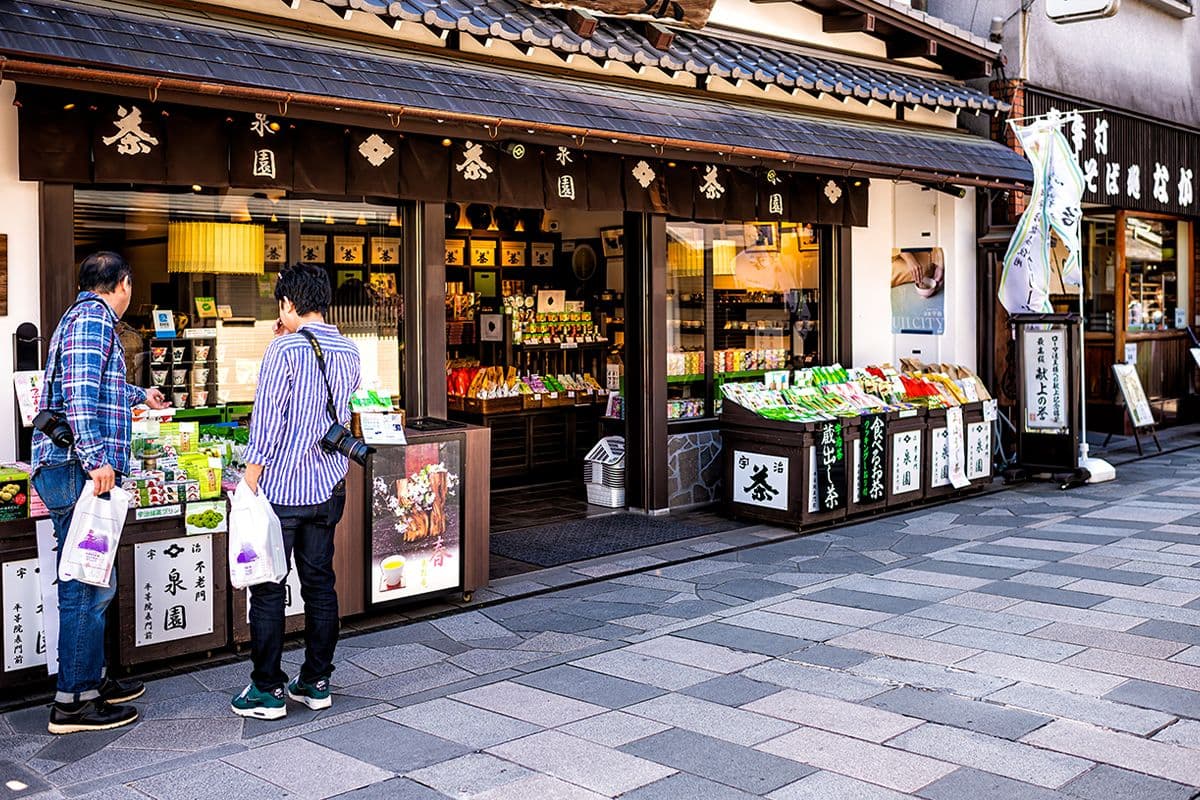
The city's identity is inseparable from Nara Park's 1,200-odd sacred deer, considered messengers of the gods since the Kasuga Shrine's founding legend, and from Todai-ji, which held the title of world's largest wooden building for centuries. But Nara rewards people who stick around past the deer selfies: the Naramachi merchant quarter has narrow lanes of Edo-period townhouses now holding sake breweries, machiya cafes and craft shops, and the whole city can be properly covered on foot or bicycle in a way Kyoto no longer allows.
This is a destination for travelers who want the temples without the crowds, ideally as a day trip or overnight add-on from Kyoto or Osaka rather than a standalone base. History buffs, families (the deer are a genuine hit with kids, though they nip and headbutt for crackers), and anyone burned out on Kyoto's queues will find Nara a relief. It's less suited to nightlife seekers or shoppers — the city goes quiet early, and that's part of its appeal.
Good to Know
- Don't feed the deer anything except official shika senbei crackers — human food can make them sick, and some deer bow for crackers but headbutt or nip if you tease them or run out
- Buy a prepaid SIM or pocket wifi at Kansai Airport on arrival; Nara itself has limited rental options
- Carry cash — many Naramachi shops, small restaurants and temple entrance fees are cash-only, and ATMs at 7-Eleven or post offices reliably accept foreign cards
- Tipping isn't practiced anywhere in Japan, including restaurants and taxis — attempting to tip can cause confusion
- Temple and shrine entry fees are typically ¥500-800 per site paid in cash on arrival, so keep small bills handy
- Wear comfortable shoes; the main loop between Todai-ji, Kasuga Taisha and Kofuku-ji involves several kilometers of walking, much of it uphill gravel paths
- Dress modestly and remove shoes where indicated at temple interiors; there's no strict dress code for outdoor shrine visits
- Nara is very safe for walking at night, but the city center shuts down early — plan dinner before 9pm if you want more than convenience-store options