Things to Do in Kanchanaburi
3 experiences in Kanchanaburi
Get notified about new experiences in Kanchanaburi
Be the first to know when we add tours and tickets in Kanchanaburi.
About Kanchanaburi
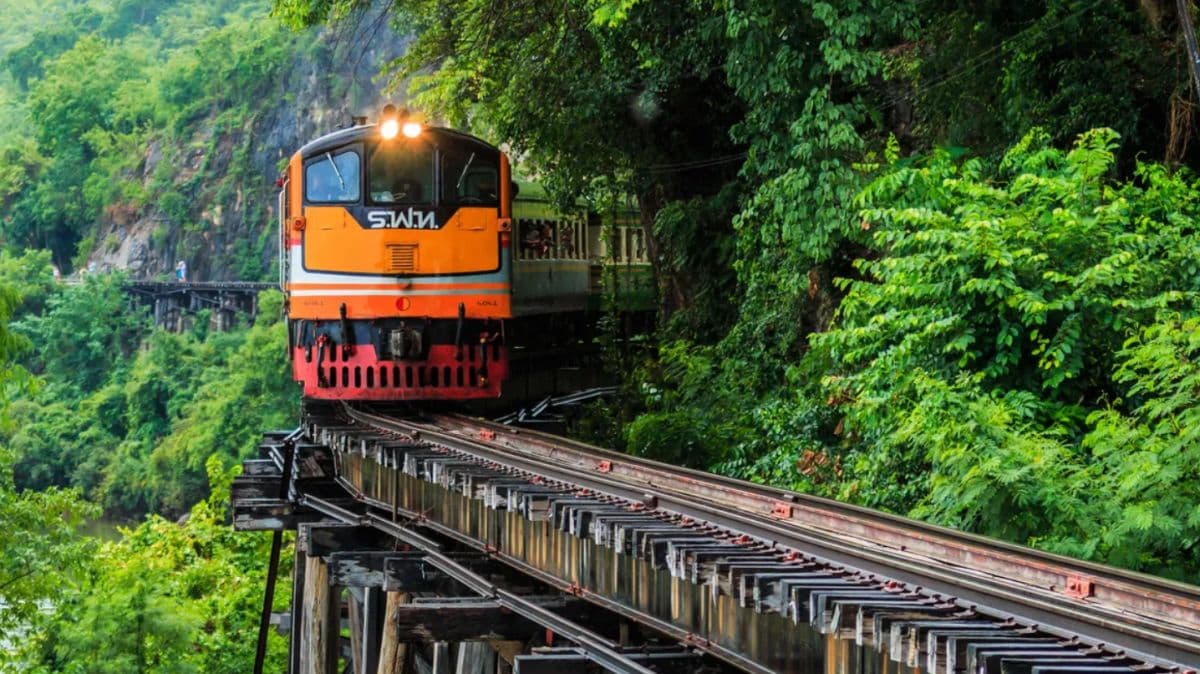
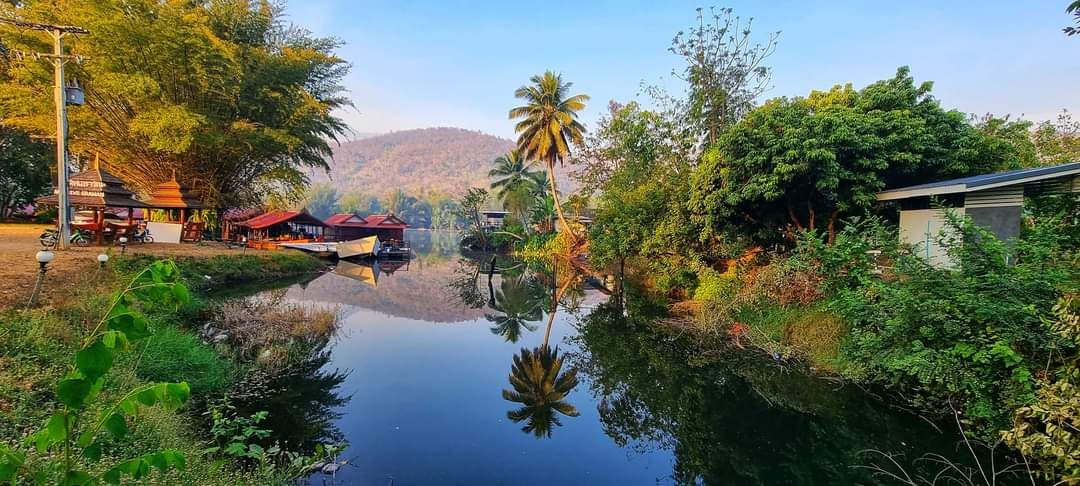
Kanchanaburi sits in a river valley about two and a half hours west of Bangkok, and it carries the weight of one of the twentieth century's darkest chapters alongside some of Thailand's most dramatic limestone scenery. This is where the Death Railway was built by Allied POWs and Asian laborers under brutal Japanese occupation during WWII, and the town has organized itself around remembering that history honestly — the museums here don't sanitize it. But Kanchanaburi is not a somber place to visit; it's a river town with a floating restaurant scene, bat caves, waterfalls that cascade over travertine terraces, and jungle that presses right up against the city limits.
What separates Kanchanaburi from a checklist day trip is the province around it. Erawan National Park's seven-tiered waterfall, Sai Yok's riverside caves, and the hill country toward the Myanmar border give it a genuine outdoor-adventure identity that most people don't associate with Thailand's historical sites. You can spend a morning at the Hellfire Pass Memorial walking the actual cutting where prisoners worked with hand tools, and spend the afternoon swimming in a turquoise pool ringed by limestone cliffs. Few places in Southeast Asia let you toggle between gravity and lightness so quickly.
It suits independent travelers who want a slower, less-scripted alternative to Bangkok's pace, history buffs who want the full context behind the Bridge on the River Kwai (which is real, and smaller than the film suggests), and outdoor types who'd rather kayak and waterfall-hop than sit in a beach chair. It's less suited to travelers wanting nightlife or polish — accommodation is comfortable but simple, and the town itself closes down early. Most people base here for two to four days, using it as a hub for day trips rather than a place to linger in the center.
Good to Know
- Get a Thai SIM (AIS or TrueMove) at the bus station or 7-Eleven on arrival — coverage is solid even out at Erawan and Hellfire Pass, and a 7-day tourist package costs around 200–300 baht.
- Bring cash for day trips outside town — ATMs are common in the center but scarce near waterfalls and Hellfire Pass, and vendors there rarely take cards.
- Dress modestly at war memorials and the JEATH museum — this is treated as a solemn site by locals, so avoid beachwear even though you may be en route to a waterfall.
- Don't skip Hellfire Pass for the bridge alone — the bridge is heavily touristed and less informative; the Hellfire Pass museum and walking trail give the real historical weight of the region.
- Wear proper shoes for Erawan's upper tiers — the climb to the top pools involves slippery rock scrambling, and flip-flops are genuinely risky.
- Tipping isn't obligatory but rounding up or leaving 20–50 baht for good service at restaurants is appreciated, and small tips for tour guides and drivers are customary.
- Bargain at markets and with tuk-tuk drivers, but not with guesthouses or fixed-price attractions — a friendly, unhurried tone gets better results than hard haggling.
- Keep river-swim valuables in a dry bag — floating guesthouses and rafts on the Kwai see occasional theft of unattended phones and cash left on the deck.