Cose da fare a Hokkaido
49 esperienze a Hokkaido
Ricevi aggiornamenti sulle nuove esperienze a Hokkaido
Sii il primo a sapere quando aggiungiamo tour e biglietti a Hokkaido.
About Hokkaido
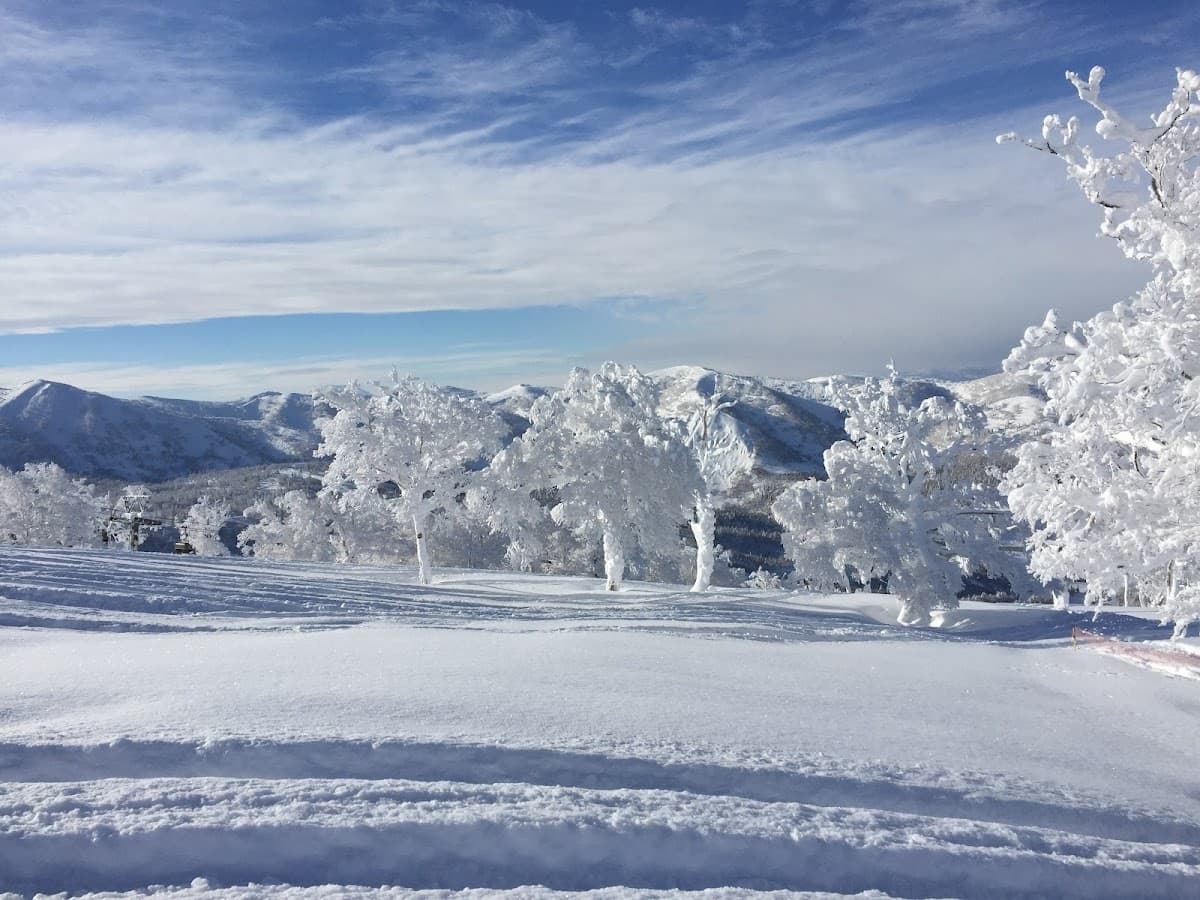
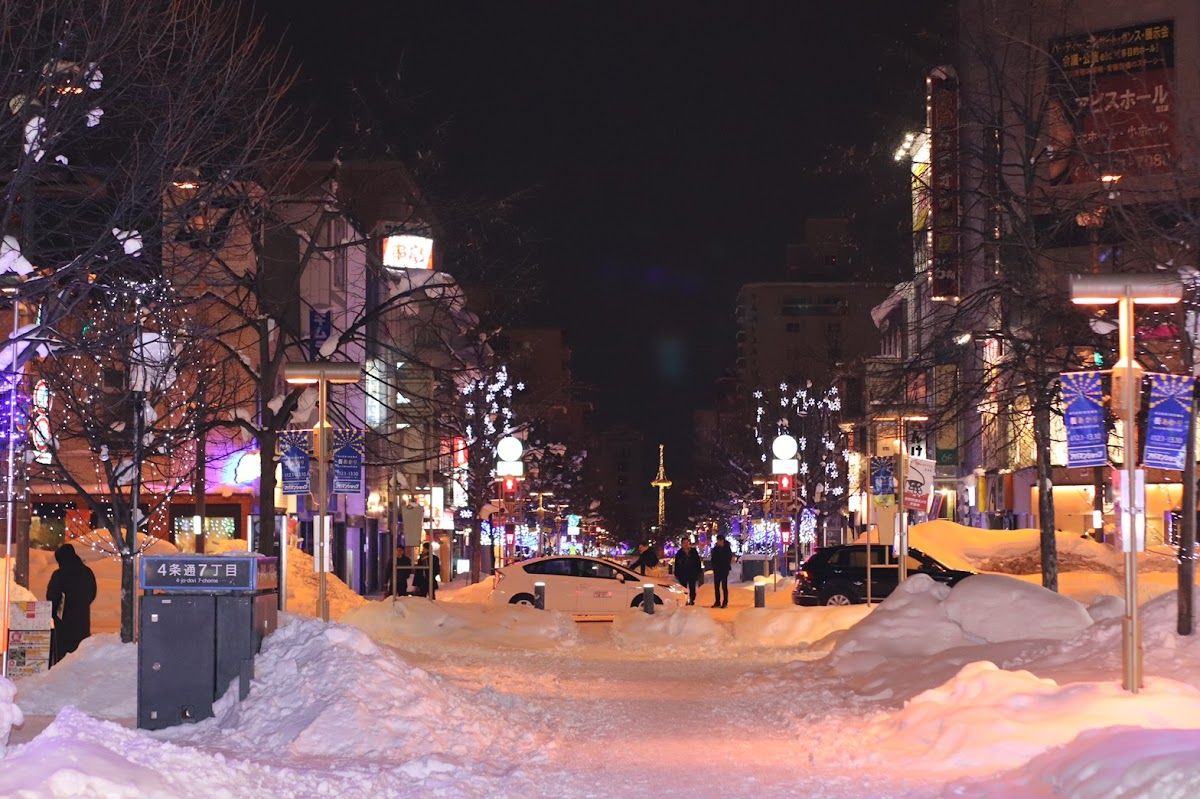
Hokkaido is Japan's northern frontier, and it feels like a different country altogether. This is the least densely populated of Japan's main islands, where volcanic mountains, dairy farms, and lavender fields have replaced the tight urban grids of Honshu. Winters here are legendary and brutal in the best way — powder snow so dry and deep that skiers fly in from Colorado and the Alps just for Niseko's slopes — while summers are cool and green, a genuine escape from the suffocating humidity further south. It's a place built around seasons, and each one delivers something completely different.
What sets Hokkaido apart is the space. Sapporo, the island's only real metropolis, has ramen alleys, an underground city, and a beer culture that rivals Munich, but drive an hour outside it and you're in farmland or forest. Furano's lavender fields bloom purple in July. The Shiretoko Peninsula, a UNESCO World Heritage site, has brown bears wandering coastlines still choked with drift ice in late winter. Hakodate's morning fish market sells uni and crab you'll eat raw within the hour. Food, in fact, is arguably Hokkaido's biggest draw after skiing — this is the source of most of Japan's dairy, a huge share of its seafood, and some of its best corn, melons, and potatoes.
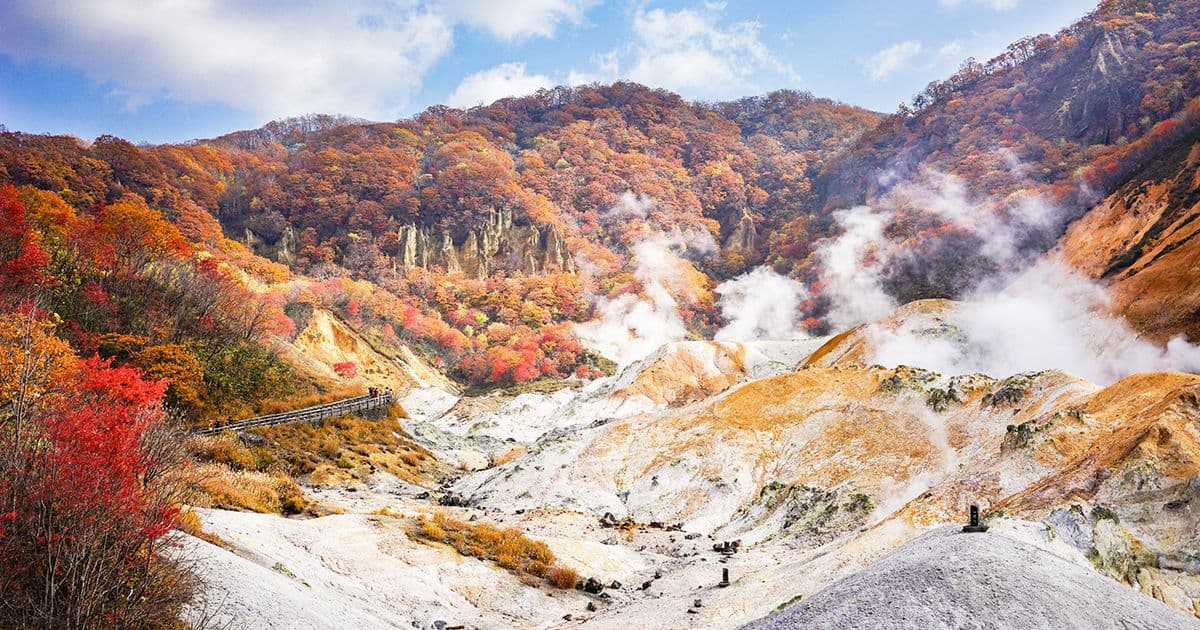
This island suits travelers who want nature and food over temples and neon, and who don't mind renting a car or riding limited-service trains to get places. It's less convenient than Tokyo or Kyoto, and that's the point — distances are real, public transport thins out fast outside Sapporo, and winter driving requires proper preparation. Families come for the snow and the aquariums; skiers come for Niseko and Rusutsu; food travelers come for the crab, ramen, and Genghis Khan mutton barbecue; onsen lovers come for remote hot spring ryokans in places like Noboribetsu and Jozankei. It rewards travelers who plan around a season and lean into it rather than trying to see everything at once.
Good to Know
- Get a SIM or eSIM before arrival (Ninja Mobile, Sakura Mobile) — coverage is solid in cities but patchy in remote national parks
- Cash still rules in small towns and rural restaurants; carry yen even if Suica/Pasmo cards work fine in Sapporo
- Tipping isn't practiced anywhere and can cause confusion if attempted
- Winter footwear matters — icy sidewalks are common even in central Sapporo; bring proper grip, not fashion boots
- Book Niseko and Sapporo Snow Festival accommodation 3-6 months ahead; prices spike hard in peak winter weeks
- Bear safety is real in Shiretoko and rural hiking areas — carry a bear bell, check trail advisories, and never hike alone off marked paths
- Onsen etiquette applies everywhere: wash and rinse thoroughly before entering the bath, and note that many traditional onsens still ban visible tattoos
- Rental cars need winter tires from roughly November to April — confirm this is included, as it usually is by law but worth double-checking with budget agencies


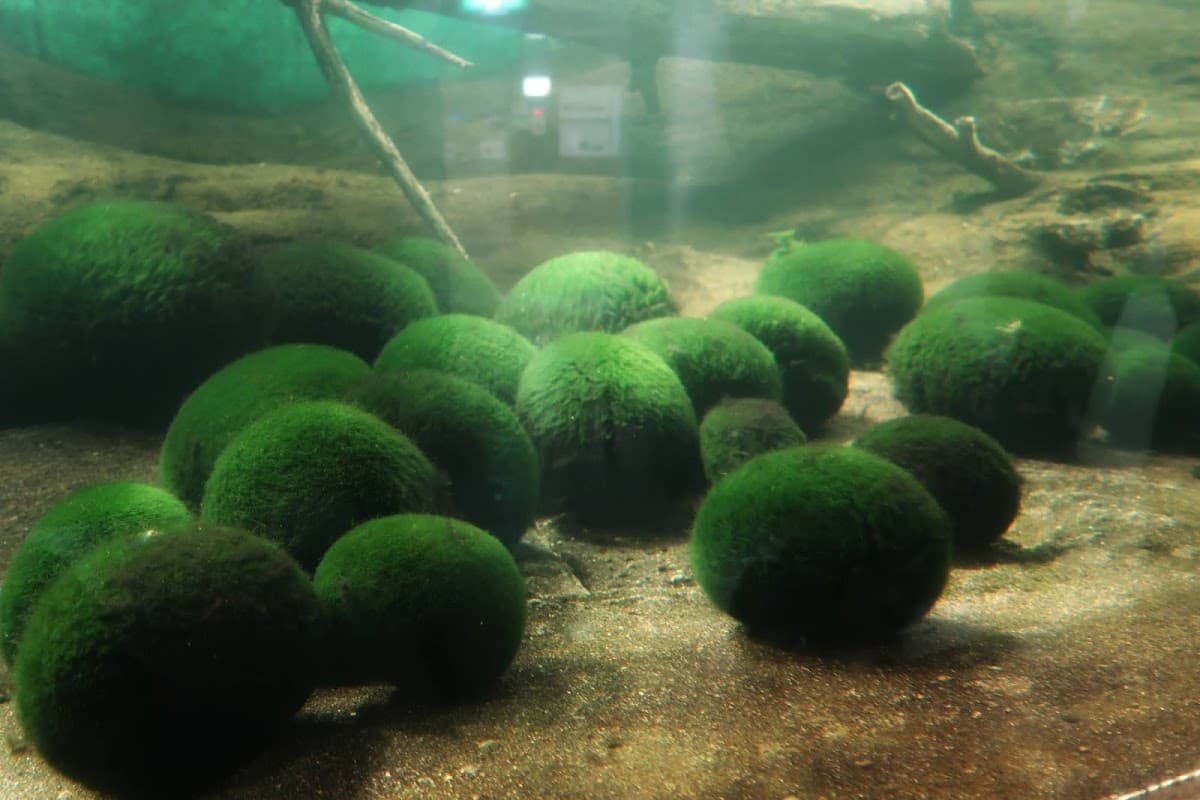
![[Hokkaido] Noboribetsu Marine Park Nixe](/_next/image?url=https%3A%2F%2Ftixlayer.com%2Fstorage%2Fattractions%2F2991%2Fgoogle_0_1776175355.jpg&w=3840&q=75)