Yogyakarta Travel Guide: Plan Your Perfect Trip
By Matt Cuckston, Founder & Travel Technology Expert at TixLayer
For first-time visitors and returning travellers alike, the things to do in Yogyakarta are genuinely hard to exhaust. This city on the island of Java sits at the crossroads of ancient Javanese culture and everyday Indonesian life, offering a depth of experience that few destinations in Southeast Asia can match. From UNESCO World Heritage temples to volcanic landscapes and one of the country's most respected art scenes, Yogyakarta rewards travellers who come prepared.
This guide covers everything you need to plan a confident, well-organised trip.
Getting There
Yogyakarta is served by Yogyakarta International Airport (YIA), located roughly 45 kilometres west of the city centre in Kulon Progo. The airport handles both domestic and international routes, with direct flights from Singapore, Kuala Lumpur, and several major Indonesian cities including Jakarta and Bali. Flight time from Singapore is around two hours.
If you are already in Java, the train is often the better option. The rail network connecting Jakarta, Bandung, Surabaya, and Yogyakarta is reliable, comfortable, and affordable. Booking through the KAI Access app in advance is strongly recommended, especially during school holidays and long weekends when seats sell out fast.
Long-distance buses are available but significantly slower and less comfortable than trains for most routes.
Getting Around the City
Yogyakarta is a compact city and most of the central areas are manageable without a car. Here is a breakdown of your main options:
Ride-hailing apps: Grab and Gojek both operate here and are the easiest way to get around quickly and affordably. A short ride across the city centre typically costs under 30,000 IDR (around USD 2).
Becak (cycle rickshaws): These are common around Malioboro Street and the Kraton area. Always agree on a price before you get in.
Scooter rental: If you are comfortable riding, renting a scooter gives you the most flexibility, particularly for reaching Prambanan or the slopes of Mount Merapi. Daily rental rates start at around 70,000 IDR.
Trans Jogja bus: The city has a public bus network that is cheap and reasonably well-connected. It takes more planning but works well for budget travellers.
For day trips to Borobudur, most travellers either join a tour or hire a driver for the day. Solo motorbike trips to Borobudur are possible but the route involves significant highway riding.
Best Neighbourhoods to Stay In
Prawirotaman: This is the most popular area for independent travellers. It has a good concentration of guesthouses, cafes, art galleries, and batik shops. It is quieter than Malioboro and has a more relaxed atmosphere without feeling removed from the action.
Malioboro area: Staying near the main shopping street puts you close to the Kraton, Tamansari Water Castle, and the central market. It is the most convenient location but can be noisy and more heavily touristed.
Kota Baru: A quieter, more residential neighbourhood north of the centre with some good mid-range hotel options and easy access to the train station.
When to Visit
The dry season runs from May through October and is broadly considered the best time to visit. Temperatures sit between 25 and 32 degrees Celsius, skies are generally clear, and outdoor temple visits are comfortable.
Best months: June, July, and August offer the most reliable weather. September is also excellent and slightly less busy with domestic tourists.
Shoulder season: April and November can be fine but expect occasional afternoon showers. These months often offer better accommodation rates.
What to avoid: December through February is the wet season. Rain can be heavy and persistent, which makes outdoor sites like Borobudur and Prambanan less enjoyable and sometimes disrupts access. The week around Lebaran (Eid al-Fitr) sees enormous domestic travel volumes, with trains and hotels booked out months in advance and prices significantly higher.
What to See and Do
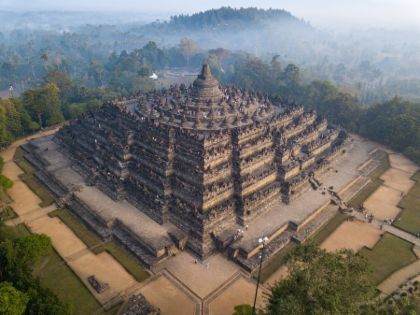
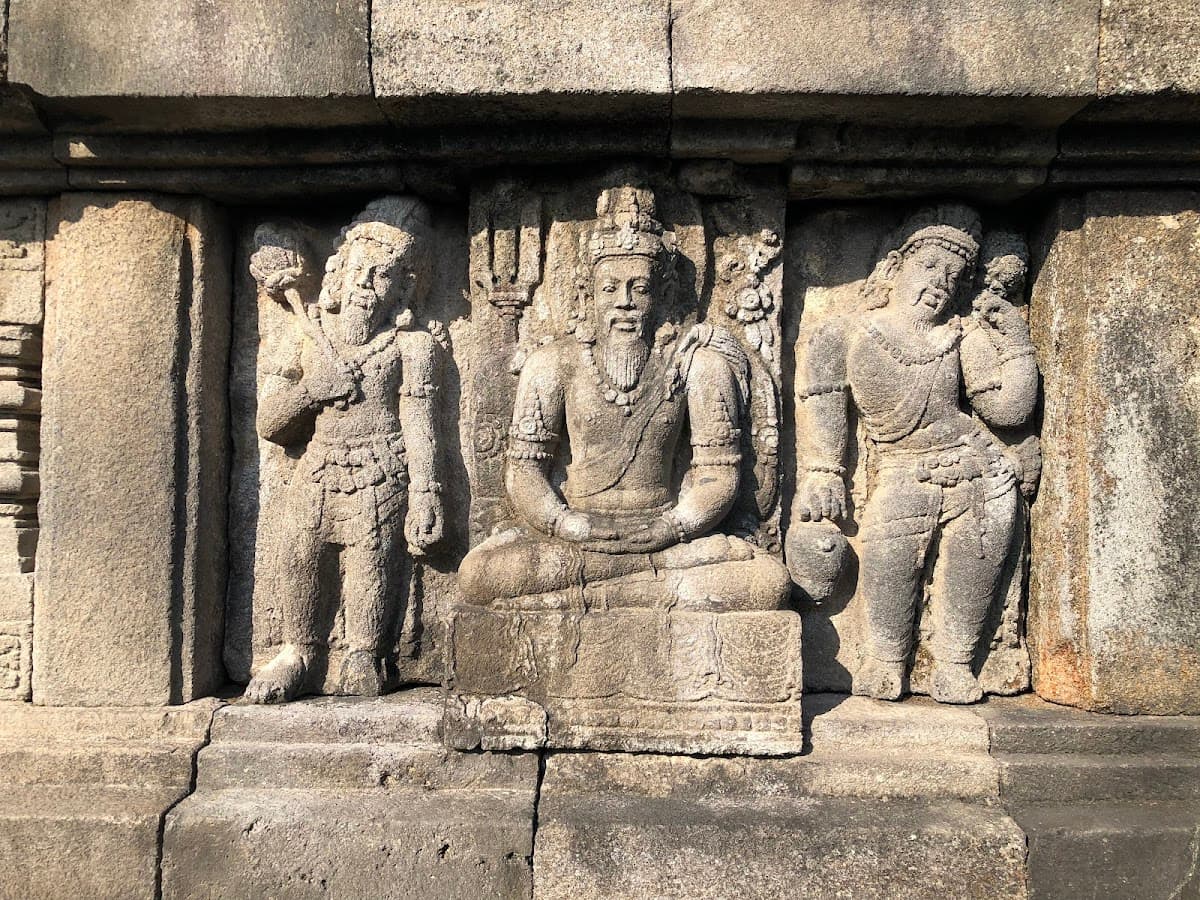
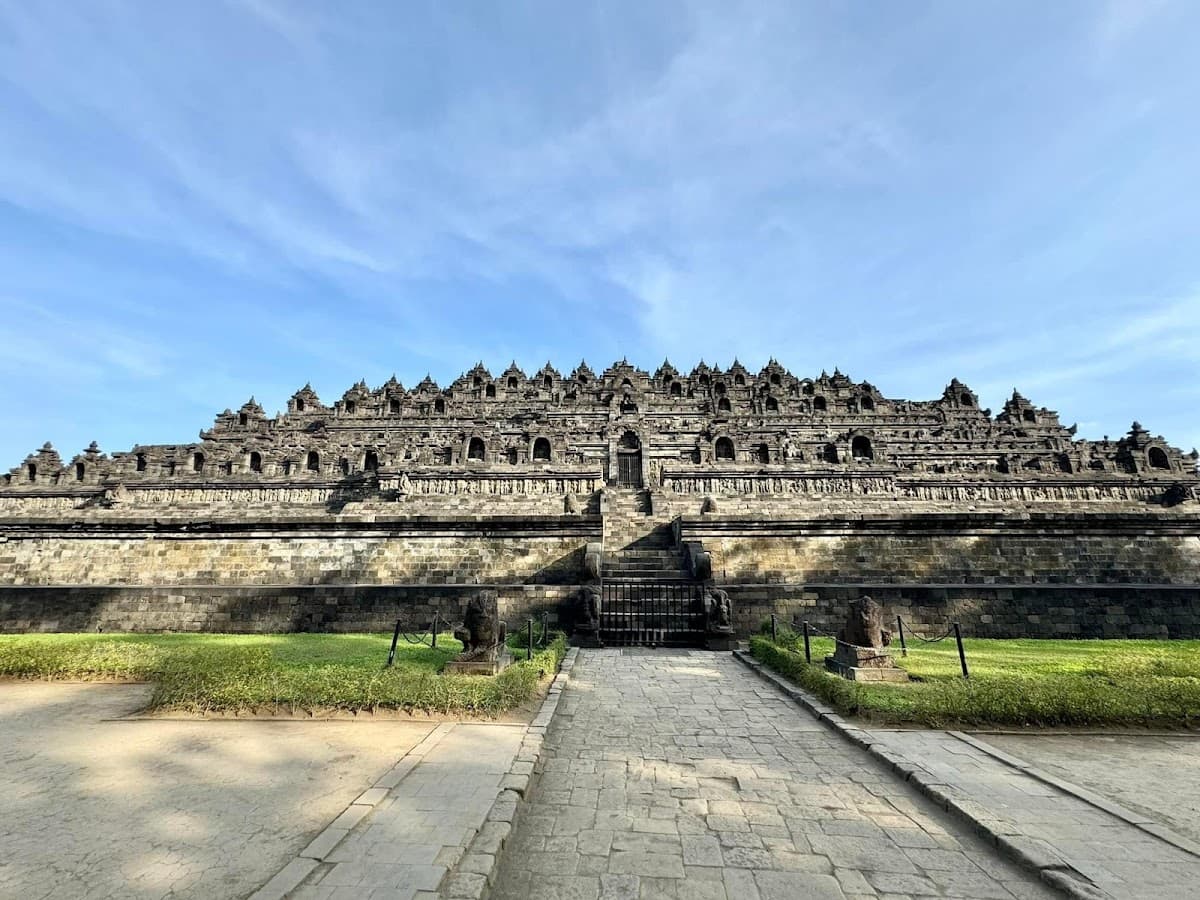
The temple circuit is the centrepiece of most itineraries, and rightly so. Borobudur Temple is the largest Buddhist monument in the world and one of the most architecturally significant sites in all of Asia. Arrive at sunrise if you can manage it. The light is extraordinary and the site is quieter before the tour groups arrive.
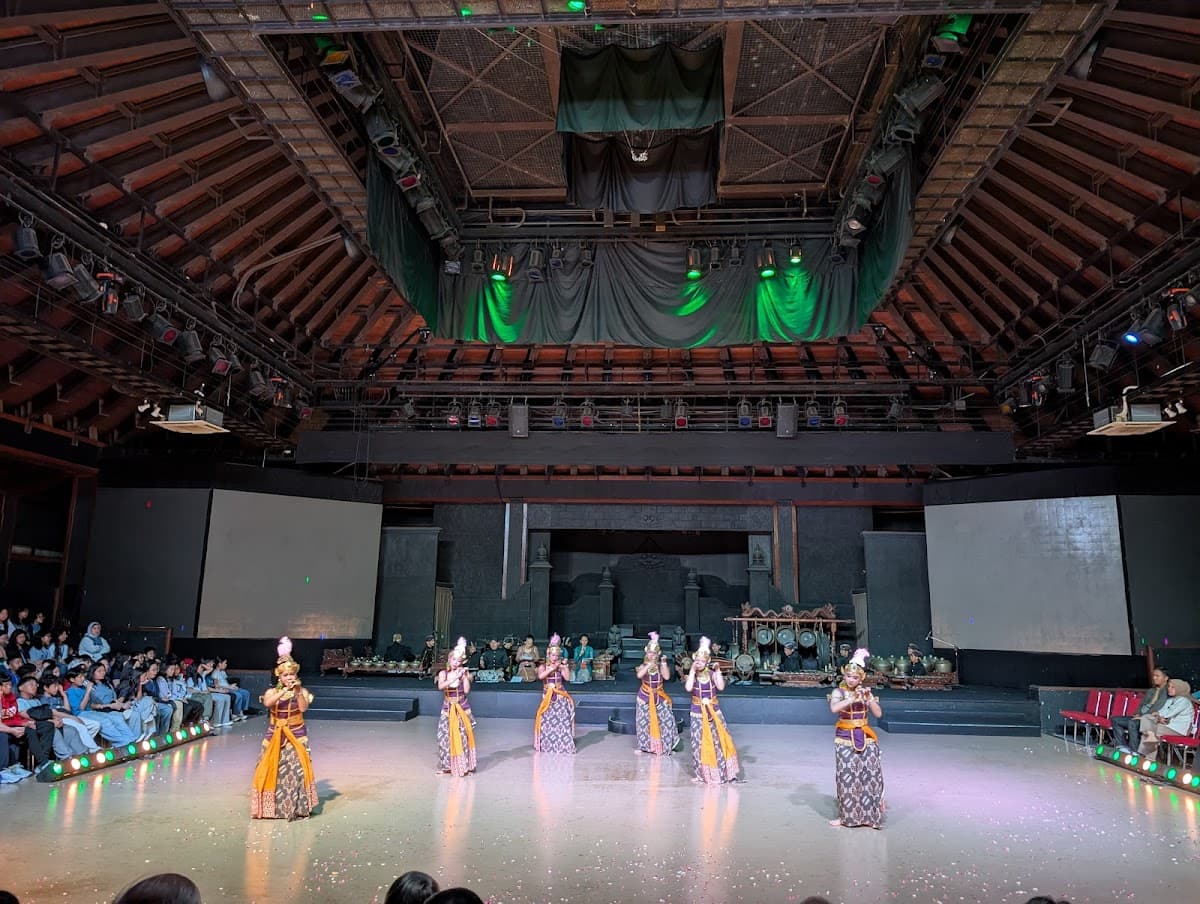
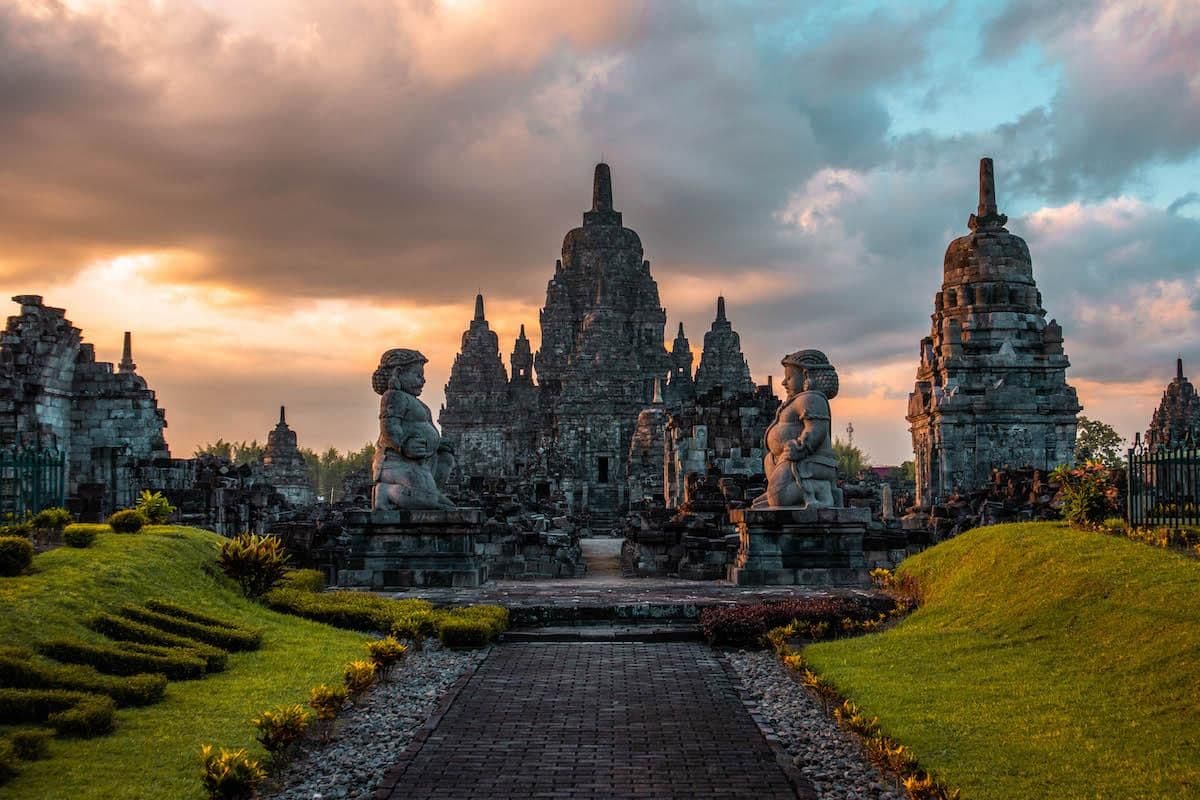
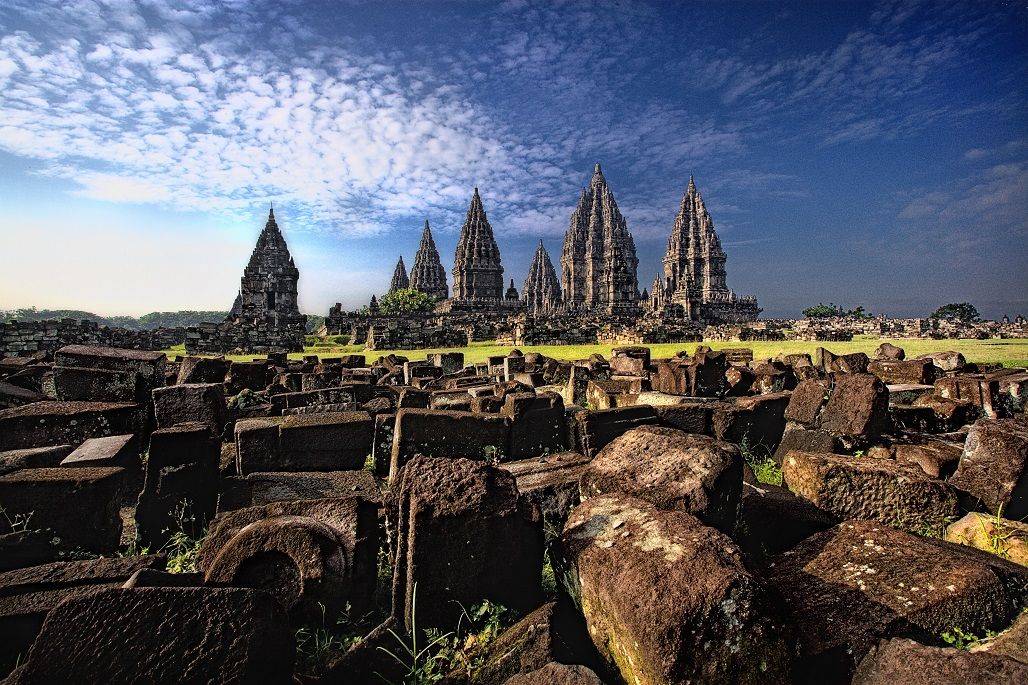
On the other side of the city, Prambanan Temple is Indonesia's largest Hindu temple complex and equally impressive. The towering spires of the central compound are particularly striking in the late afternoon. For an unforgettable evening, book tickets to the Ramayana Ballet at Prambanan, an outdoor performance staged against the illuminated temple backdrop that tells the story of Rama and Sita through traditional Javanese dance.
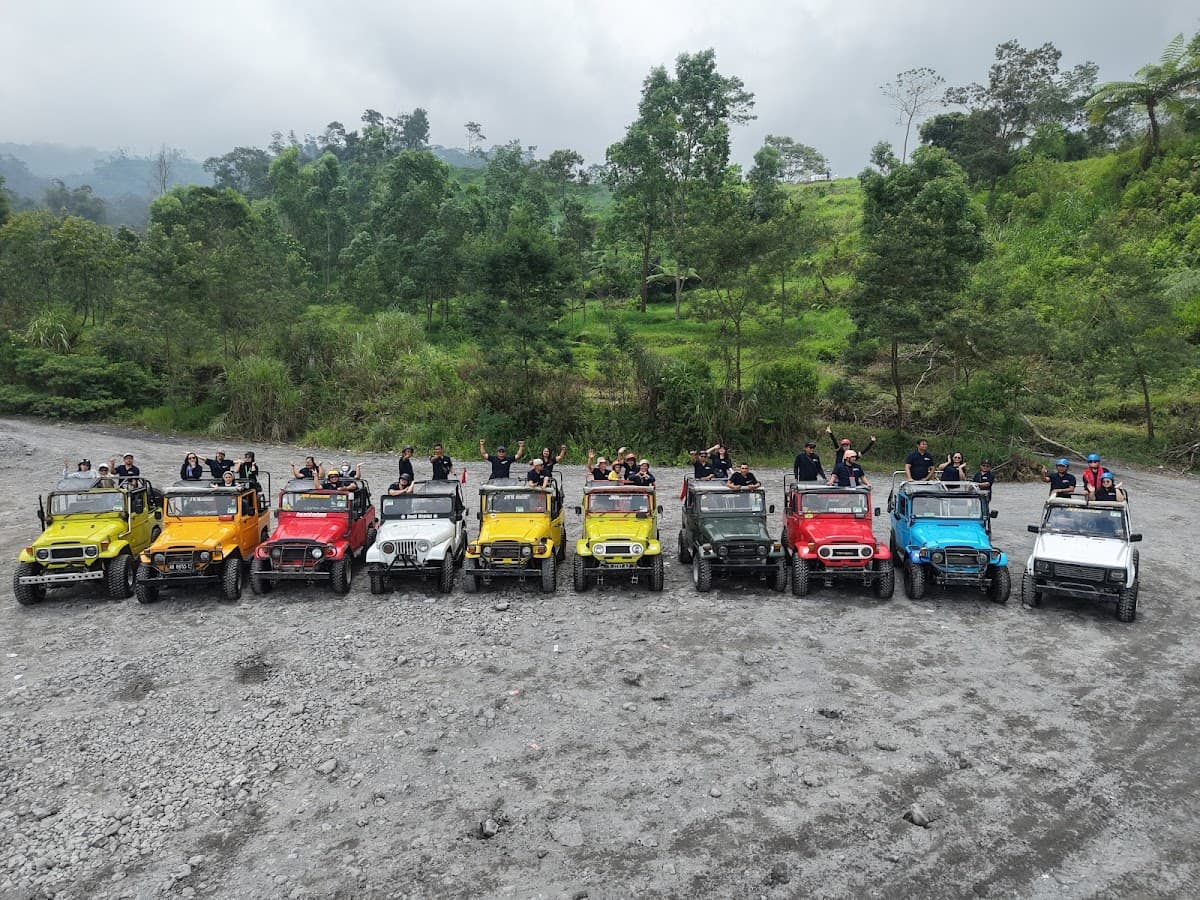
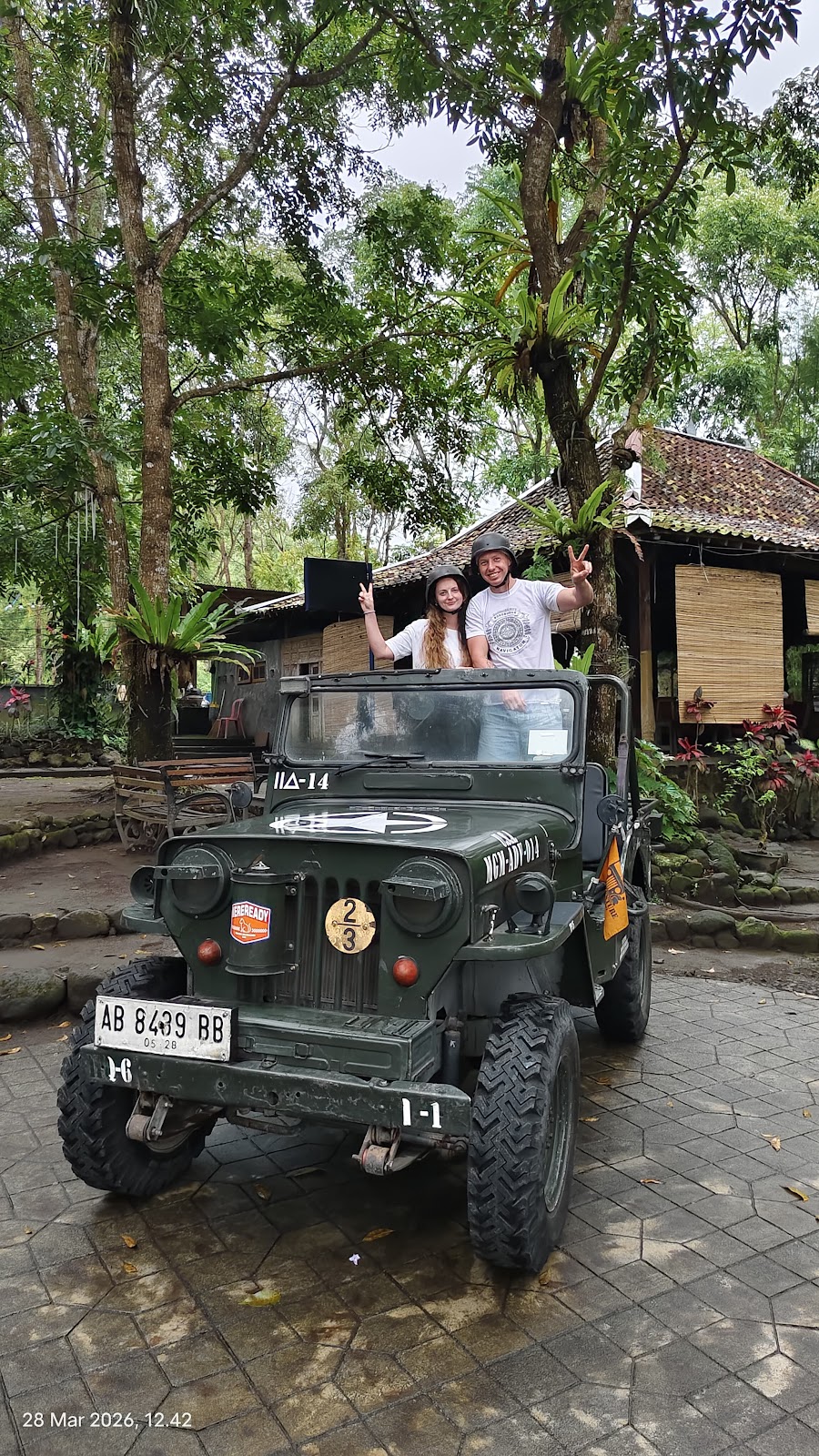
For something more adventurous, the Jeep Merapi Lava Tour by MGM Adventure takes you across the hardened lava fields left by Mount Merapi's 2010 eruption. The landscape is unlike anything else in the region and the guides are genuinely knowledgeable about the volcano's history and ongoing activity.
If you want to go underground, the Adventure Trip to Jomblang Cave is one of the more memorable experiences available. A vertical descent into a prehistoric jungle cave leads to a narrow passage that opens into a chamber where a single shaft of light breaks through the ceiling at midday. Permits are limited so book well in advance.
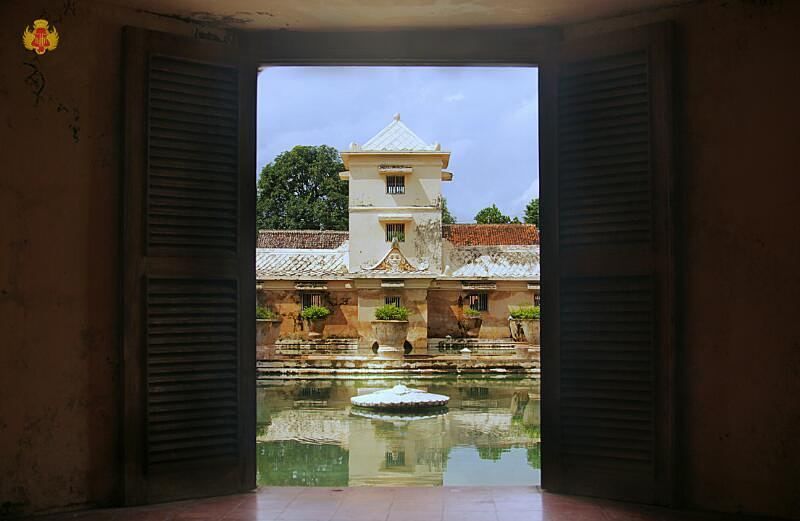
In the city itself, Tamansari Water Castle is a former royal bathing complex that is well worth a few hours. The site is partially ruined and partially restored, which gives it a more authentic feel than many heritage attractions.
Where to Eat
Yogyakarta has a strong food culture and eating well here is easy and inexpensive.
Gudeg is the city's signature dish, a slow-cooked jackfruit stew served with rice, egg, and krecek (spiced beef skin). It is mildly sweet and deeply savoury. Warung Ibu Widodo near Prawirotaman is a reliable spot.
Angkringan stalls are small cart-based food setups that operate in the evenings throughout the city. They serve rice portions, skewers, and sweet black coffee for very little money. Eating at an angkringan is as much a social experience as a culinary one.
Bakpia is the local sweet pastry filled with mung bean paste and is the most popular souvenir food. Bakpia Pathok 25 is one of the most established producers.
For a sit-down meal with a broader menu, the Prawirotaman area has a good range of restaurants covering Indonesian, Javanese, and international food at fair prices.
Budget Expectations
Yogyakarta is one of Indonesia's most affordable cities for travellers. Budget travellers spending carefully can get by on USD 25 to 35 per day including accommodation, food, and local transport. A mid-range budget of USD 60 to 90 per day allows for comfortable guesthouses, restaurant meals, and paid attractions. Luxury options exist but the city is not particularly oriented toward high-end tourism.
Temple entrance fees for international visitors are the main paid expenses. Borobudur currently charges around USD 25 for foreign tourists. Prambanan is slightly less. Factor these into your planning.
Practical Tips
Dress for temples: Both Borobudur and Prambanan require covered shoulders and knees. Sarongs are available for hire at the entrance but bringing your own is easier.
Carry cash: While larger restaurants and hotels accept cards, many warungs, markets, and smaller attractions are cash only. ATMs are widely available in the city centre.
Bargain with purpose: Bargaining is normal at markets and with becak drivers, but do it respectfully and with a realistic sense of local prices. The amounts involved are often small and aggressive bargaining is not well-received.
Insider Tips
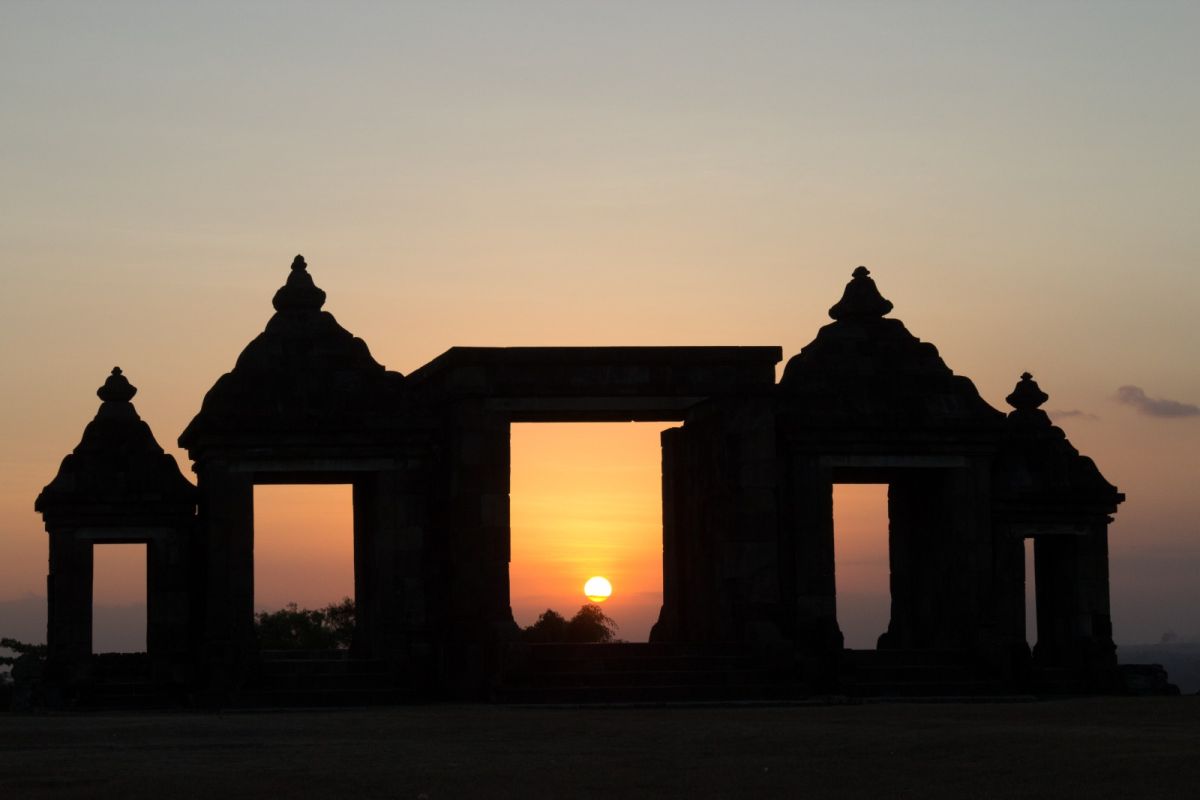
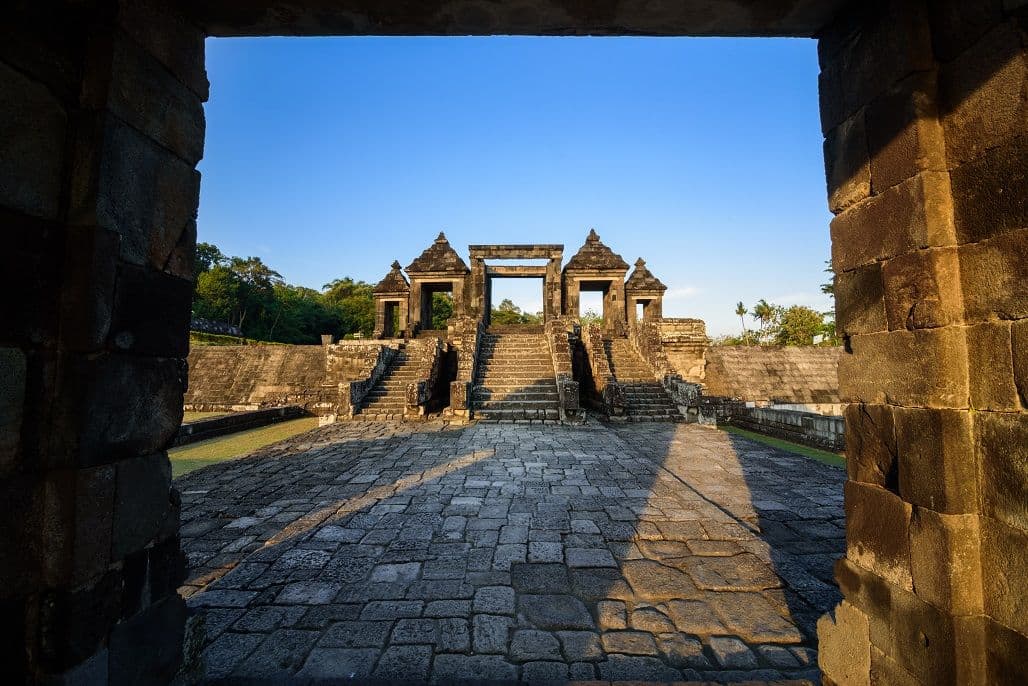
First, consider visiting Ratu Boko Temple on the same day as Prambanan. The two sites are close to each other and a combined ticket is available. Ratu Boko is a hilltop royal compound rather than a temple in the traditional sense, and the elevated position gives sweeping views across the plain toward Prambanan. The sunset from Ratu Boko is genuinely one of the best in Java and far less crowded than the main temple sites at that hour.
Second, the Prambanan Village Tour is one of the most overlooked experiences in the area. The Prambanan Village Tour takes you through the farming communities that surround the temple complex, offering a ground-level view of rural Javanese life that most visitors completely skip.
Third, if you are travelling with children, the city has more family-friendly options than most guides acknowledge. Kids Fun Yogyakarta is a well-maintained amusement park that provides a reliable half-day option when temple fatigue sets in.
Final Word
Yogyakarta rewards travellers who take the time to move slowly and look beyond the headline attractions. The temples are extraordinary, but the city itself, with its warungs, workshops, and street-side conversations, is equally worth your attention. Give yourself at least four days if you can, and plan the big-ticket sites in advance to avoid disappointment.