
San Francisco Travel Guide: Plan Your Perfect Trip
By Matt Cuckston, Founder & Travel Technology Expert at TixLayer
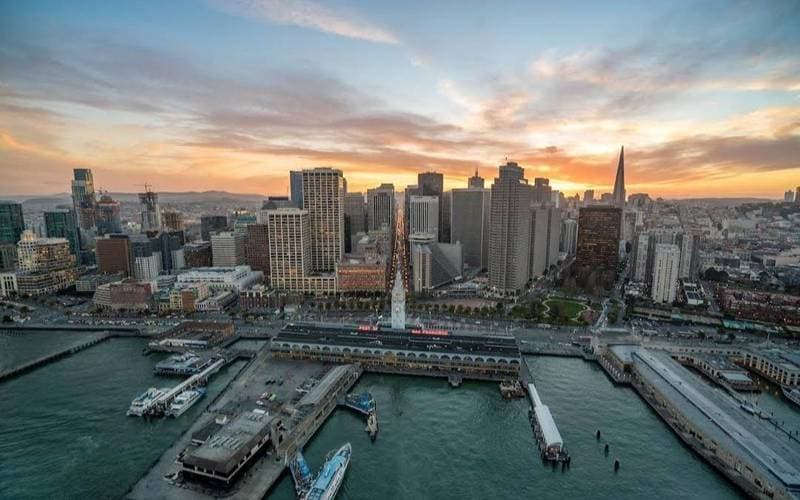
Few cities in the world pack as much variety into such a compact geography as San Francisco. Steep hills, bay views, neighbourhood diversity, and a food scene that punches well above its weight make this one of the most rewarding destinations on the West Coast. Whether you are planning a long weekend or a full week, this San Francisco travel guide will help you make the most of your time, your budget, and your energy. There is no shortage of things to do in San Francisco, but knowing where to start makes all the difference.
Getting There
San Francisco International Airport (SFO) is the main gateway, served by most major international and domestic airlines. Oakland International Airport (OAK) and San Jose Mineta Airport (SJC) are viable alternatives, often with cheaper fares, though they require more travel time into the city.
From SFO, the BART (Bay Area Rapid Transit) train is the most efficient option. It runs directly to downtown stations including Powell Street and Civic Center, takes around 30 minutes, and costs roughly $10. Taxis and rideshares are available but significantly more expensive, especially during peak hours.
If you are arriving by car, be prepared for expensive parking. Most downtown garages charge $30 to $50 per day, and street parking is heavily enforced.
Getting Around the City
San Francisco is a walkable city in theory, but the hills can be deceptive. What looks like a 15-minute walk on a map can turn into a workout on certain routes.
The MUNI system covers buses, metro lines, and the famous cable cars. A single cable car ride costs $8, which surprises many visitors expecting a standard transit fare. If you plan to use public transport frequently, the Clipper card or a MUNI Day Pass will save you money.
Bart connects several key neighbourhoods and extends to the East Bay. Rideshares are widely available and reasonably priced for short trips. Cycling is a popular option on flatter routes, particularly along the waterfront and through Golden Gate Park. The Golden Gate Bridge Guided Bike Tour from Fisherman's Wharf to Sausalito is one of the most scenic ways to see the city without worrying about navigation.
Best Neighbourhoods to Stay In
Union Square is the most central base for first-time visitors, with easy access to transport, shopping, and major attractions. It is on the pricier side for accommodation.
The Mission offers a more local feel with excellent restaurants, murals, and a younger crowd. It tends to be more affordable and is well connected by BART.
Fisherman's Wharf is convenient for waterfront activities and Alcatraz departures, though it is the most touristy part of the city and restaurants here are generally overpriced.
Hayes Valley sits close to the arts district and has some of the best independent cafes and boutiques in the city. It is a solid choice for travellers who want to avoid the tourist corridors.
North Beach is the city's Italian neighbourhood, with a literary history tied to the Beat Generation. It is walkable to Chinatown and the waterfront and has a relaxed, neighbourhood feel.
When to Visit
The best months to visit San Francisco are September and October. The summer fog that blankets the city from June through August surprises many visitors who arrive expecting California sunshine. Karl the Fog, as locals have named it, rolls in from the Pacific and can keep temperatures stubbornly cool even in July and August.
September and October bring the warmest, clearest weather of the year. Spring (April to May) is also pleasant, with mild temperatures and fewer crowds than the peak summer season.
December through February is the rainy season. It is not extreme by most standards, but expect wet days and cooler temperatures. The upside is lower hotel rates and thinner crowds at major attractions.
Avoid the week of Dreamforce (Salesforce's annual conference, typically in September) and major tech events if you want reasonable hotel prices. Rates can double or triple during these periods.
What to See and Do
No visit is complete without a trip to Alcatraz Island. The former federal penitentiary sits in the bay and offers one of the most genuinely fascinating historical experiences in the country. Book well in advance, particularly for evening tours, which sell out weeks ahead.
For those who want to combine Alcatraz with more of the surrounding landscape, the San Francisco: Alcatraz, Muir Woods and Sausalito Day Tour covers three distinct experiences in a single day.
Golden Gate Park is far larger and more interesting than most visitors expect. The Golden Gate Park Tour with California Academy of Sciences gives you a structured way to explore both the park and one of the world's most impressive natural history museums under one roof.
Art lovers should not miss the San Francisco Museum of Modern Art (SFMOMA), which holds a remarkable permanent collection spanning seven floors. Booking tickets in advance avoids queues and occasionally offers a small discount.
For a day trip, the Yosemite National Park Tour from San Francisco is one of the most popular excursions from the city, offering access to one of America's most iconic national parks without the stress of driving and parking yourself.
Where to Eat
San Francisco has one of the strongest food cultures in the United States. The Mission District is the place to go for burritos, with La Taqueria and El Farolito regularly debated as the city's best. Dim sum in the Richmond District (not Chinatown, where quality is more variable) is worth seeking out, particularly on weekend mornings.
The Ferry Building Marketplace along the Embarcadero hosts a farmers market on Tuesday, Thursday, and Saturday mornings and is lined with excellent food stalls and producers. It is one of the best places in the city to eat well without spending a fortune.
For a proper sit-down meal, the Hayes Valley and Lower Haight areas offer a strong concentration of independent restaurants at slightly more reasonable prices than downtown. Expect to pay $18 to $35 for a main course at a mid-range restaurant. San Francisco is not a cheap city to eat out in, but the quality at every price point tends to justify the cost.
Budget Expectations
San Francisco sits firmly in the expensive category. Budget travellers staying in hostels and eating street food or market stalls can get by on $100 to $130 per day. Mid-range travellers should budget $250 to $400 per day including accommodation, meals, and activities. Luxury travel here has no upper limit.
Hotel rates in central neighbourhoods average $200 to $350 per night for a standard room. Booking two to three months ahead and considering the Mission or Outer Sunset neighbourhoods can bring costs down meaningfully.
Practical Tips
Tipping is not optional. A standard tip of 18 to 20 percent is expected at restaurants and is often pre-calculated on the bill. Tipping below this will be noticed.
The weather changes by neighbourhood. The Sunset and Richmond districts, close to the ocean, are consistently cooler and foggier than the Mission or downtown. Always carry a layer regardless of the forecast.
Parking enforcement is aggressive. Street cleaning signs are strictly enforced, and fines start at $85. If you are renting a car, check the signs on every block before leaving your vehicle.
Insider Tips You Won't Find Everywhere
The 16th Avenue Tiled Steps in the Inner Sunset neighbourhood are a mosaic staircase running up a residential hill with panoramic views at the top. There is no entry fee, no ticket booth, and on a clear day the view stretches across the city to the bay.
The Outer Sunset's Irving Street corridor, particularly between 9th and 20th Avenues, has quietly become one of the best streets in the city for independent coffee shops, bookstores, and neighbourhood restaurants. It sees almost no tourist foot traffic and gives a far more accurate picture of how locals actually live.
If you want to cross the Golden Gate Bridge on foot or by bike without a tour, the pedestrian path is free and open daily. The eastern sidewalk is open to both pedestrians and cyclists during daylight hours. Early morning on a weekday offers the best chance of thin crowds and, occasionally, the fog lifting in real time as you cross.
San Francisco rewards travellers who go beyond the postcard version of the city. Plan your core experiences in advance, leave room for wandering, and do not underestimate how much there is to discover once you step off the main tourist circuit.