
San Francisco on a Budget: How to See the Best Without Overspending
By Matt Cuckston, Founder & Travel Technology Expert at TixLayer
San Francisco has a well-earned reputation for being one of the pricier destinations in the United States. Hotel rates are high, dining out adds up fast, and some of the most famous attractions carry a real cost. But here's the thing: a complete San Francisco travel guide doesn't have to read like a luxury itinerary. With some planning and a few smart choices, you can see the city's best without leaving your budget in ruins.
Free and Low-Cost Things to Do
The good news is that some of the most memorable experiences here cost absolutely nothing.
The Golden Gate Bridge is free to walk or cycle across. The views from the bridge and from the surrounding trails at Crissy Field and Battery Spencer on the Marin Headlands side are genuinely spectacular. If you want a more structured experience, consider the Golden Gate Bridge bike rental with Sausalito ferry return tickets, which gives you the freedom to explore at your own pace and includes a scenic ferry ride back. It's one of the most satisfying ways to spend a day without paying for a full guided tour.
Golden Gate Park is enormous and almost entirely free to explore. You can spend hours wandering through the Japanese Tea Garden, the Botanical Garden (free for California residents and on certain days for visitors), and the open meadows. The park also houses the California Academy of Sciences, which charges for admission but is worth budgeting for if natural history and science are your thing. Check out the Golden Gate Park Tour with California Academy of Sciences Day Tours if you want a guided experience that covers both.
Dolores Park in the Mission District is a local favorite. Bring a picnic, watch the city skyline, and soak in the atmosphere without spending a cent.
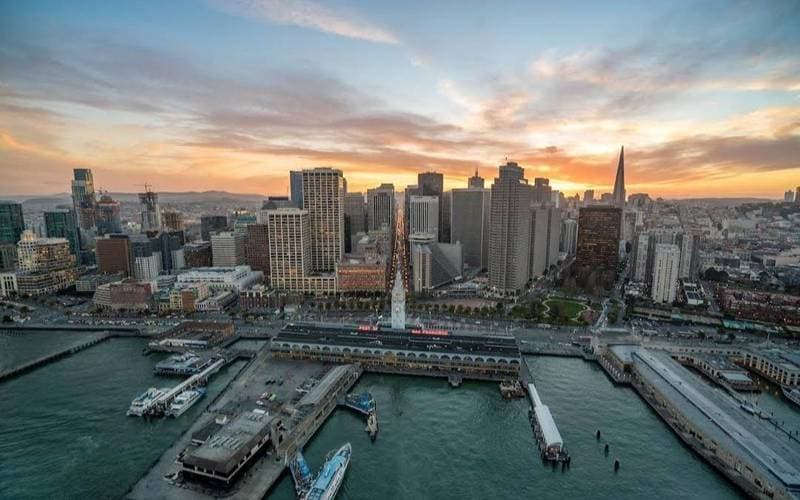
The Embarcadero and Ferry Building are free to walk through. The Ferry Building Marketplace hosts a farmers market on Tuesdays, Thursdays, and Saturdays where you can sample local produce and grab affordable bites.
Lands End Trail offers dramatic coastal views, ruins of the Sutro Baths, and access to the Legion of Honor museum. The trail itself is free, and the views rival anything you'd pay for.
Where to Eat Without Overspending
Food in San Francisco can be expensive, but it doesn't have to be. The Mission District is your best starting point. Taquerias along Mission Street serve enormous, filling burritos for around $10 to $13. La Taqueria and El Farolito are local institutions worth the short wait.
Chinatown is another reliable area for affordable meals. Dim sum spots along Stockton Street offer lunch options that are both cheap and filling. Soup dumplings, roast pork buns, and congee can easily come in under $15 per person.
For coffee and pastries, skip the tourist-heavy areas near Fisherman's Wharf and head to neighborhood cafes in the Haight, the Castro, or Hayes Valley. You'll pay less and get a better cup.
Grocery stores and the Ferry Building farmers market are great for assembling a picnic lunch, especially if you're spending the day outdoors.
Getting Around on a Budget
Transportation is one area where costs can quietly add up. Here's how to keep them down.
Muni (the city's public transit system) covers buses, light rail, and the historic streetcars. A single ride costs $2.50, and a day pass runs $5. If you're staying for several days, a Clipper card loaded with transit credit is the most economical option.
The famous cable cars are technically part of Muni, but at $8 per ride they function more like a tourist attraction than practical transport. Ride one for the experience, but don't rely on them for getting around.
Biking is genuinely practical in certain parts of the city, particularly along the waterfront and through Golden Gate Park. Rental options near the bridge are convenient and reasonably priced, especially when combined with a ferry return.
Rideshare apps work well here, but surge pricing during peak hours can make short trips surprisingly costly. Walk when you can, especially in neighborhoods like North Beach, Chinatown, and the Financial District, which are close together.
Where to Splurge
Not everything should be done on the cheap. Some experiences are worth paying for.
Alcatraz Island is one of them. The Alcatraz Island tour includes a ferry ride across the bay and an audio tour of the former federal penitentiary that is genuinely excellent. Tickets sell out weeks in advance, so book early. It's one of the most historically interesting things to do in San Francisco and worth every dollar.
SFMOMA is another worthwhile spend if you have any interest in modern and contemporary art. The entrance ticket to the San Francisco Museum of Modern Art gives you access to seven floors of rotating and permanent collections, including works by Frida Kahlo, Diego Rivera, and a strong photography collection. The building itself is architecturally striking.
If you want to get outside the city for a day, a Yosemite National Park tour from San Francisco is a splurge that delivers serious value. Yosemite is one of the most extraordinary landscapes in North America, and having transport and a guide included removes the logistical headache of driving yourself.
Practical Money Tips for San Francisco
- Book Alcatraz tickets as early as possible. They genuinely sell out, and last-minute options on third-party sites cost significantly more.
- Many museums offer free admission on specific days or evenings. The de Young Museum, for example, is free on the first Tuesday of each month.
- Avoid eating anywhere that has a menu posted near Pier 39. Prices in that area are consistently inflated relative to quality.
- Tap water in San Francisco is perfectly safe and tastes fine. Carry a reusable bottle and skip the bottled water.
- If you're visiting in summer, pack a jacket. The fog rolls in most afternoons and evenings, and the temperature drops noticeably. Buying a sweatshirt from a tourist shop near Fisherman's Wharf is an expensive way to learn this lesson.
- Check hotel rates in neighborhoods like the Tenderloin, SoMa, and the Outer Sunset. They're generally lower than Union Square or Fisherman's Wharf, and public transit connects them well to the rest of the city.
Final Thoughts
Spending less doesn't mean experiencing less. The city's geography, its neighborhoods, its food culture, and many of its best sights are accessible without a large budget. Be selective about where you pay, plan a few days around free outdoor activities, and save your spending for the experiences that genuinely earn it.