
Yes, if your priority is getting from Incheon International Airport into central Seoul without stops, transfers, or guesswork, the AREX express train is built exactly for that. It runs non-stop between the airport and Seoul Station, which makes the decision fairly simple once you know how it fits around your actual flight and plans for the rest of the day.
How does the AREX express compare to other airport transfers?
The main alternatives are airport buses and taxis. Buses are cheaper but stop multiple times and can take considerably longer depending on traffic, which matters if you're landing during a busy period. Taxis are direct but cost more the further you're going and are still subject to road traffic. The AREX express train sidesteps traffic entirely because it runs on its own rail line straight into Seoul Station, so if predictability matters more than flexibility, it tends to win. You can see current details and book through the AREX Incheon Airport-Seoul Express Train Ticket page.
What time should you catch the train after landing?
Build in time for immigration and baggage claim before you even think about the platform. International arrivals halls at Incheon can move quickly or slowly depending on how many flights land around the same time as yours, so don't assume you'll walk straight onto a train. Once you clear customs, the AREX platforms are signposted clearly in multiple languages, so finding your way isn't the hard part. The harder part is not underestimating the walk from the arrivals hall to the platform, particularly if you're arriving with a lot of luggage.
Does it matter which terminal you land at?
It can. Incheon has two terminals, and the airport itself is large enough that transfer times between them shouldn't be treated as an afterthought if your flight lands at Terminal 2 or Terminal 1 and you need to switch buildings before boarding. Journey time on the train itself is quoted as roughly 43 to 51 minutes depending on which terminal you depart from, so factor that difference in when you're calculating how long the whole airport-to-hotel process will realistically take.
Is it worth it if you're landing very early or very late?
This is where you need to check specifics before you rely on it. Departures run daily and are described as frequent, but exact first and last services aren't something to guess at, especially if you're on a red-eye or a flight that lands close to midnight. If your arrival time is unusual, confirm the current schedule on the AREX express train page before you count on it as your only plan, and have a backup transport option in mind just in case.
How much luggage can you realistically bring?
The train is designed with travellers and their bags in mind, with spacious seating and dedicated storage areas so you're not wedged in with suitcases on your lap. That said, if you're travelling with a large group, oversized sports equipment, or multiple large suitcases each, it's worth thinking through how you'll manage everything through the station and onto the platform, since this is a self-service transfer and nobody is going to load your bags for you.
What's the best way to plan the rest of the day around the train ride?
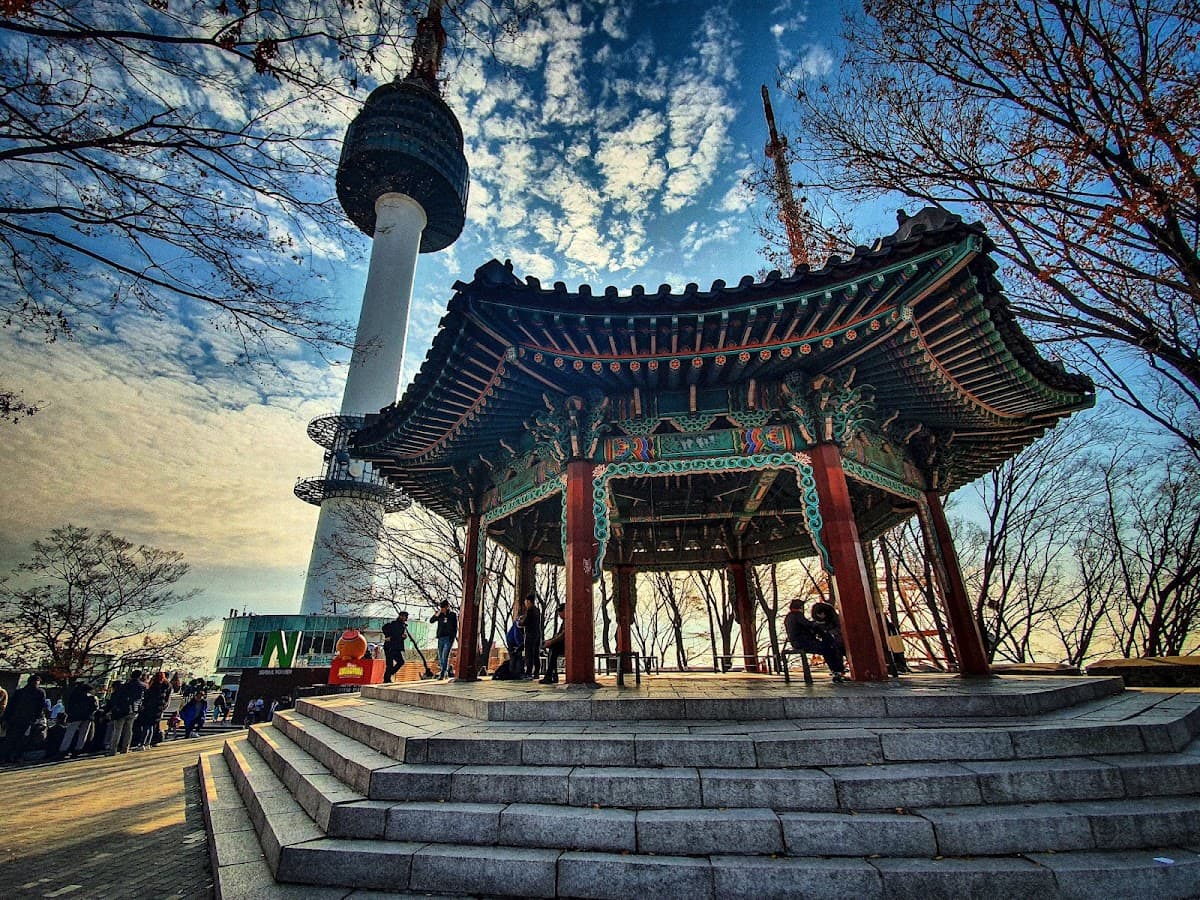
Once you land at Seoul Station, you're already inside one of the city's biggest transport hubs, with subway lines, taxis, and other onward options right there. That makes it a genuinely good landing point if you want to head straight into sightseeing rather than checking into a hotel first. If your itinerary includes central Seoul landmarks, this is a reasonable time to slot something in, like an afternoon at N Seoul Tower or a guided walk through Gyeongbokgung Palace, rather than losing the day to a slow transfer.
Should you book the train ticket before you fly or wait until you land?
Booking ahead removes one thing to think about after a long flight, which is worth something when you're tired and just want to get moving. It also means you're not standing at a ticket machine working out fares while everyone else who just landed is doing the same thing. If you're deciding on timing, our guidance is to sort it out before you go so it's one less decision to make at the airport, and you can check the AREX Incheon Airport-Seoul Express Train Ticket page for what's currently available.
What should you plan for after you arrive in Seoul?
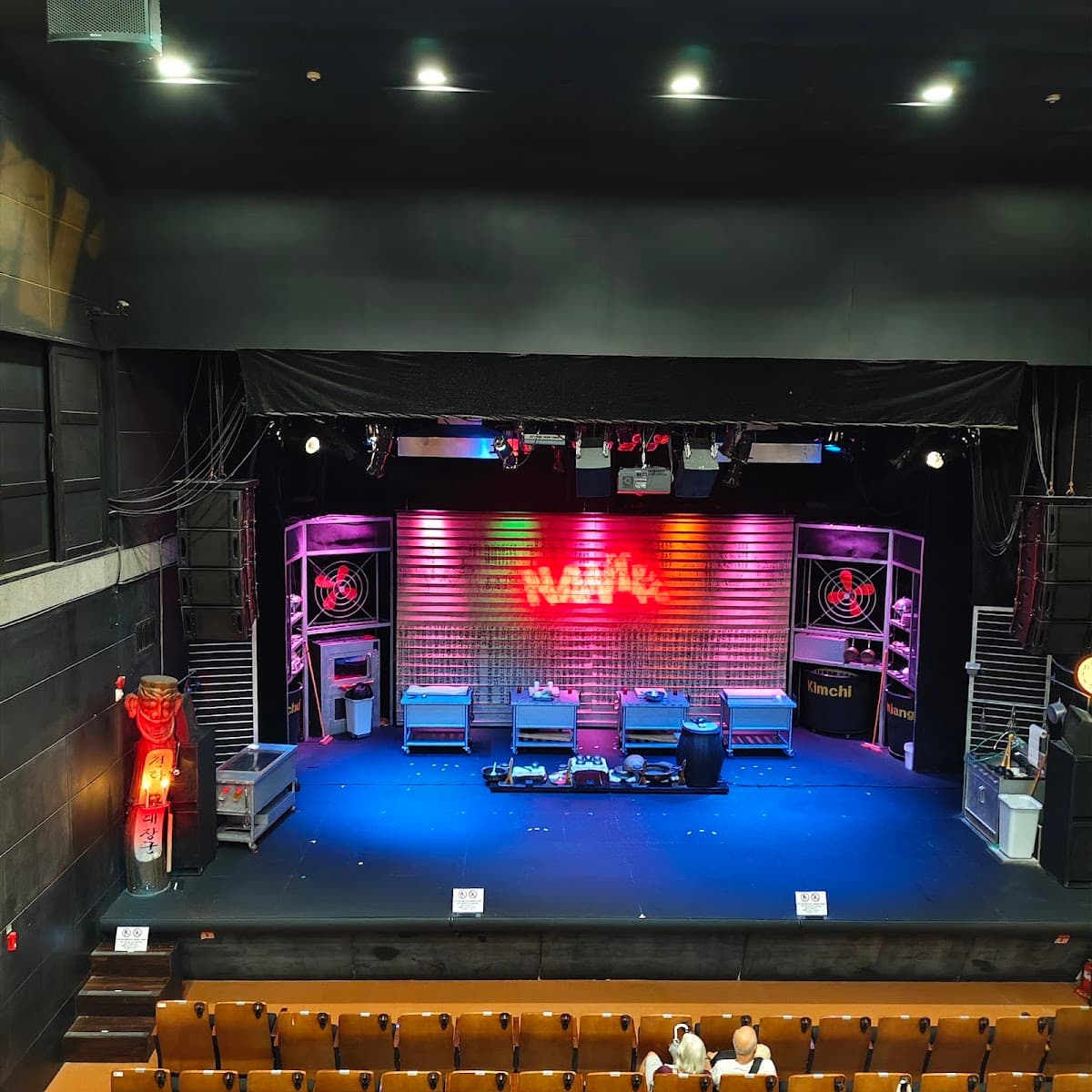
Seoul Station puts you within easy reach of most of the city, so what you do next depends on your energy levels and how many days you have. Some travellers head straight to a show the same evening, like the Nanta Show in Myeongdong or its Hongdae version, since both are lively enough to shake off jet lag. Others prefer to save the first day for settling in and save day trips, like a visit to Everland or Nami Island, for once they've slept properly.
Is the AREX express train a good idea for families or first-time visitors?
It tends to suit anyone who wants a straightforward, low-stress way into the city, which includes families managing kids and luggage, and first-time visitors who don't want to figure out bus routes on no sleep. Because it's a fixed, non-stop route with no changes, there's less room for a wrong turn compared to working out a bus transfer in an unfamiliar airport.
The short version: if you want the fastest, most predictable route from Incheon into the middle of Seoul, and you don't mind a self-service journey with no stops, it's a solid default choice. If your hotel is closer to the airport or somewhere the train doesn't serve directly, weigh that against the time saved versus a taxi or bus that might drop you closer to your actual destination.