Seoul voor een klein budget: Ontdek de stad zonder te veel uit te geven
Door Matt Cuckston, oprichter & expert in reistechnologie bij TixLayer
Seoul is een van de beste steden in Azië om met een beperkt budget te bereizen. Of je nu een weektrip plant of een korte tussenstop maakt, deze reisgids voor Seoul laat je zien hoe je het meeste uit elke gewonnen won haalt. De stad beloont reizigers die een beetje vooruitplannen, en het goede nieuws is dat sommige van de beste ervaringen hier bijna niets kosten.
Reizen zonder te veel uit te geven
Het vervoer in Seoul is zeer betaalbaar. De T-money kaart is je beste vriend. Haal er een bij een buurtwinkel of metrostation voor ongeveer 3.000 KRW en laad er tegoed op om bussen, metro's en zelfs sommige taxi's tegen een gereduceerd tarief te betalen. Een enkele metrorit kost meestal tussen de 1.250 en 1.550 KRW, afhankelijk van de afstand, wat het reizen door de stad opmerkelijk goedkoop maakt.
Vermijd taxi's tijdens de spits als dat kan. Hoewel ze naar internationale maatstaven niet duur zijn, lopen de kosten over een week snel op. De metro rijdt tot ongeveer middernacht, dus je hebt ze zelden nodig tenzij je erg laat op pad bent.
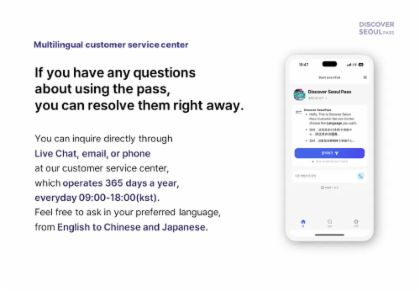
Als je van plan bent om in korte tijd meerdere betaalde attracties te bezoeken, is de Discover Seoul Pass Mobile het overwegen waard. Hiermee krijg je gratis toegang tot meer dan 70 attracties en kortingen bij restaurants en winkels. Reken het voor jezelf uit voordat je hem koopt, maar voor een vol reisschema kan het een aanzienlijk bedrag schelen.
Gratis en goedkope attracties
Sommige van de meest gedenkwaardige dingen om te doen in Seoul kosten helemaal niets.
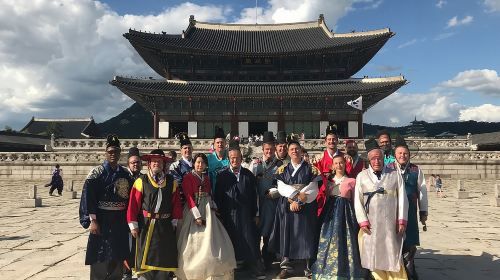
Gyeongbokgung Paleis is een van de meest gefotografeerde plekken van het land en de toegangsprijs is slechts 3.000 KRW voor volwassenen. Om nog meer uit je bezoek te halen, kun je de Gyeongbokgung Paleis Wandeltocht boeken, die historische context en verhalen toevoegt die de plek veel betekenisvoller maken dan wanneer je er alleen rondloopt.
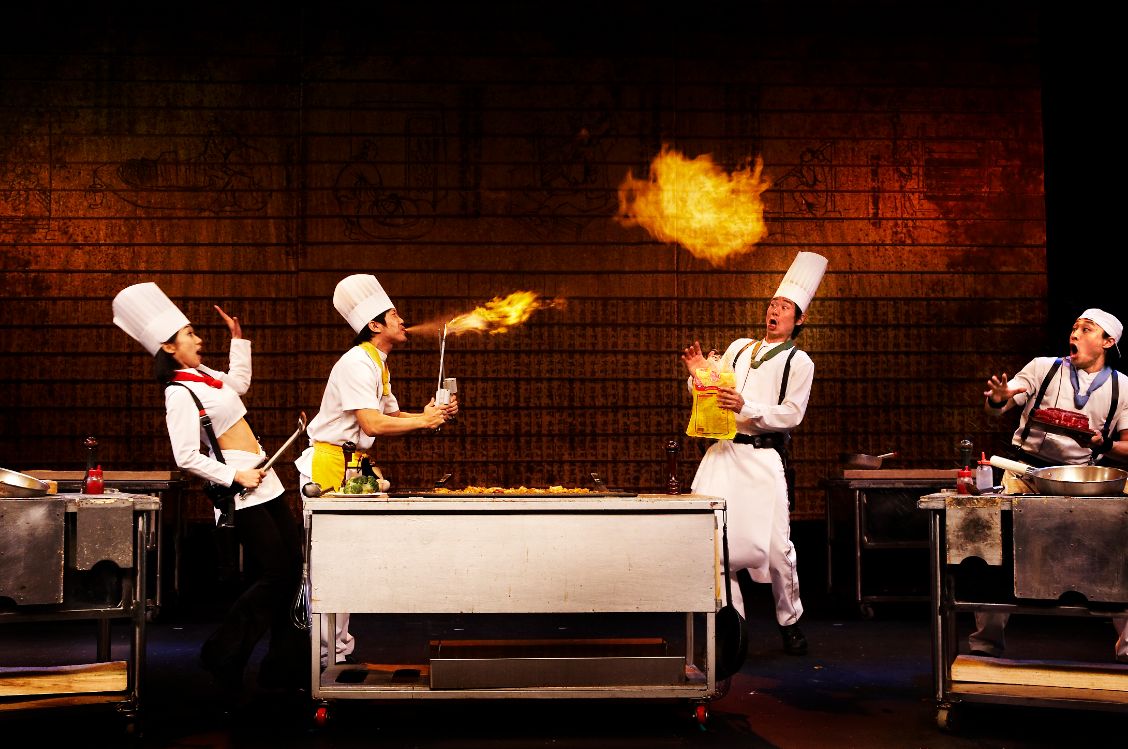
Namsan Berg biedt een van de beste uitzichten van de stad zonder dat je iets uitgeeft. Je kunt gratis over de paden wandelen, van het groen genieten en over de skyline van de stad uitkijken. Het Namsan Bergpark is een geweldige ontsnapping aan het stedelijke tempo en is gemakkelijk bereikbaar met de bus of kabelbaan. Sla de kabelbaan over om geld te besparen en geniet in plaats daarvan van de wandeling naar boven.
Bukchon Hanok Village is een prachtig bewaarde wijk met traditionele Koreaanse huizen. Door de straatjes dwalen is volledig gratis en geeft je een echt beeld van hoe de stad er eeuwen geleden uitzag. Een bezoek in de vroege ochtend is rustiger en beter voor foto's.
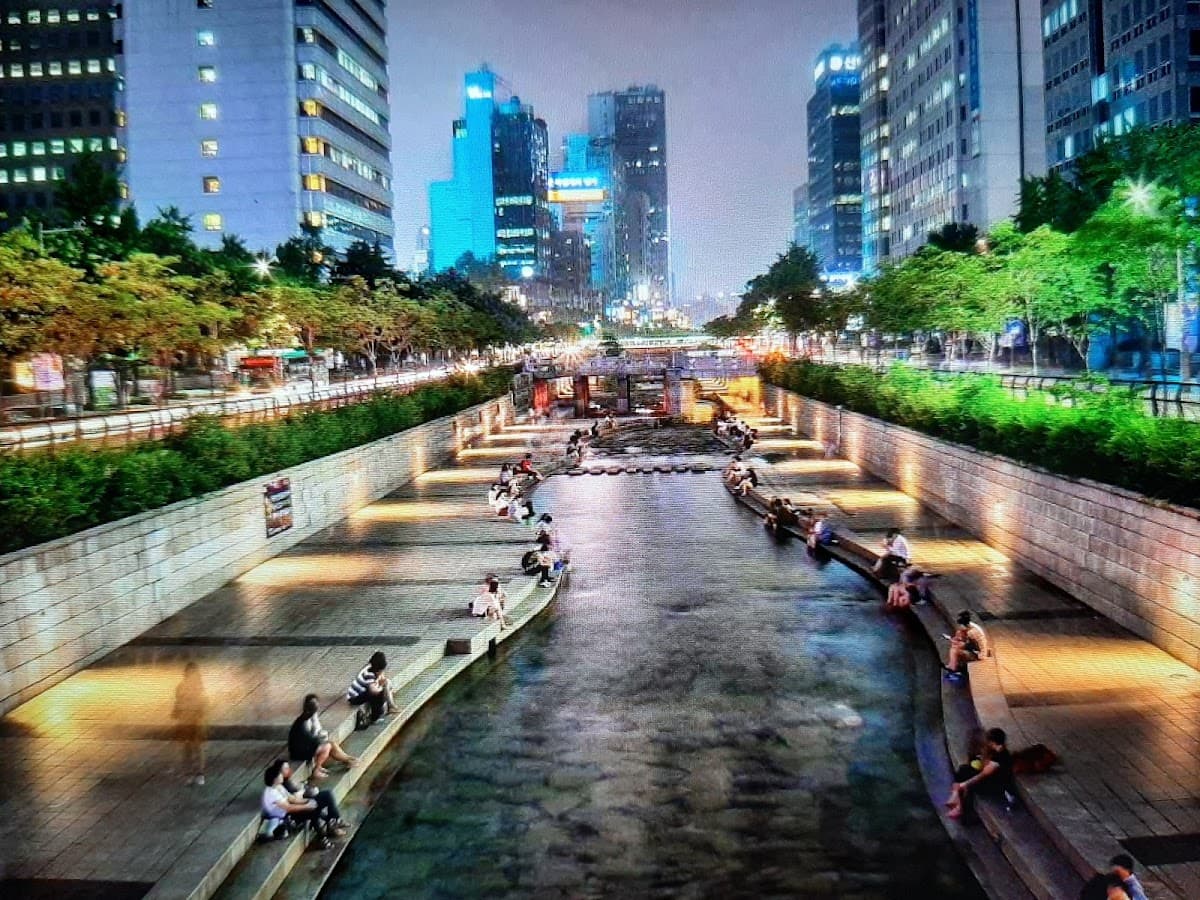
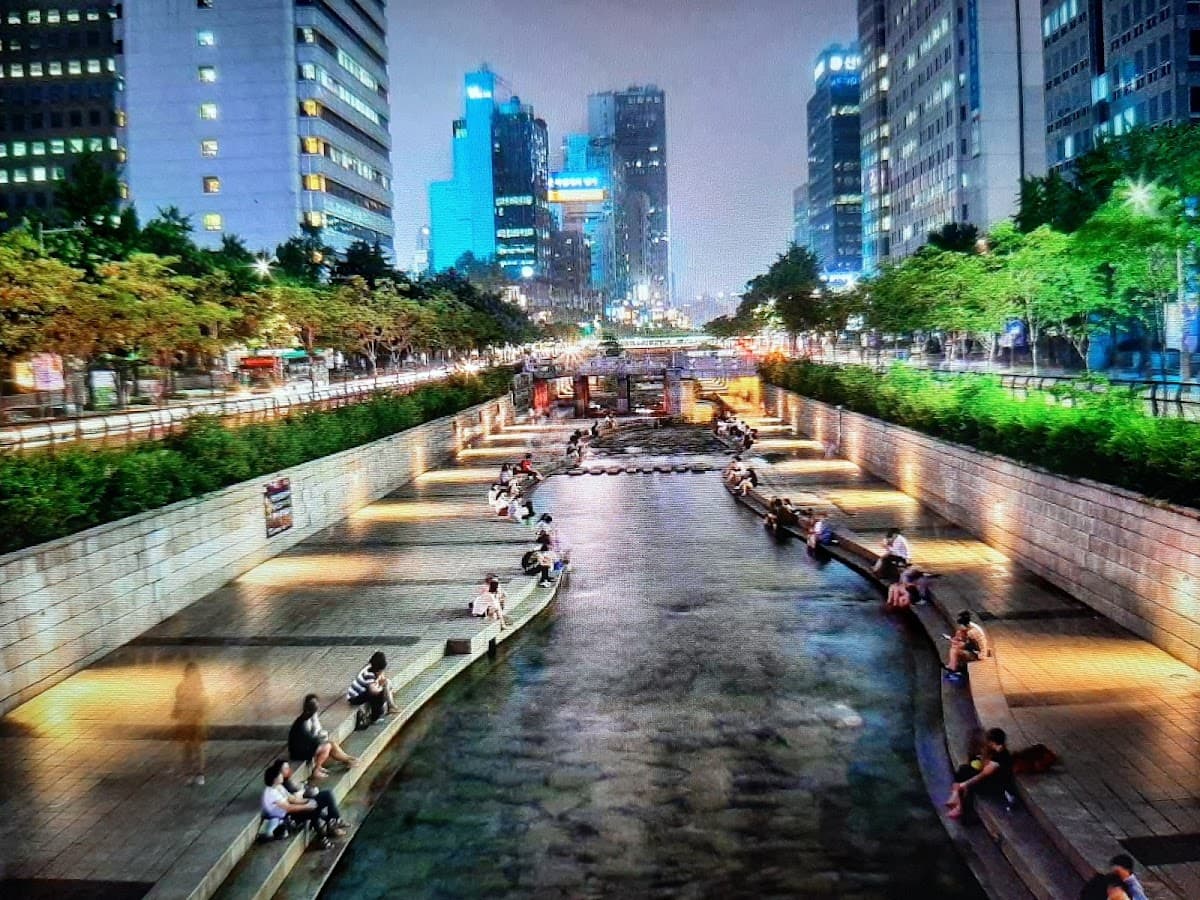
Cheonggyecheon Stroom is een gerestaureerde stedelijke waterweg die door het stadscentrum loopt. Wandelen langs de stroom is op elk moment van de dag gratis en aangenaam. Het is vooral mooi in de avond wanneer de lichtjes in het water reflecteren.
Hongdae en Insadong zijn twee wijken die de moeite waard zijn om te voet te verkennen. Straatoptredens, openbare kunst en weekendmarkten houden het interessant zonder dat het iets kost.
Goed en goedkoop eten
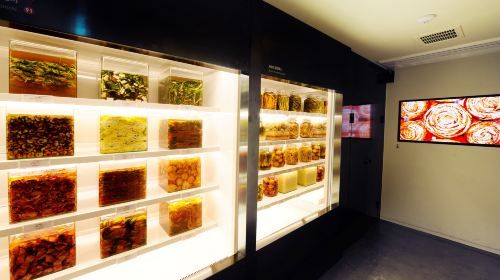
Eten in Seoul is van uitstekende waarde als je eet waar de locals eten. Vermijd de toeristische restaurants bij de grote bezienswaardigheden en zoek in plaats daarvan naar kleine lokale tentjes en foodcourts.
Kimbap (rijstrollen) en tteokbokki (pittige rijstcakes) zijn klassiek streetfood dat voor minder dan 3.000 KRW verkrijgbaar is. Een kom bibimbap in een lokaal restaurant kost meestal tussen de 7.000 en 10.000 KRW. Buurtwinkels zoals GS25 en CU verkopen ook verrassend goede kant-en-klaarmaaltijden, driehoek-kimbap en warme snacks tegen zeer lage prijzen.
Eten op markten is een andere betrouwbare manier om de voedselkosten laag te houden. Gwangjang Markt is een van de beste plekken voor betaalbaar traditioneel Koreaans eten, inclusief bindaetteok (mungbonenpannenkoekjes) en mayak kimbap.
Vermijd restaurants waar je kunt zitten in Myeongdong voor je maaltijden. Het gebied is sterk gericht op toeristen en de prijzen weerspiegelen dat. Gebruik het in plaats daarvan voor streetfood-snacks.
Waar je extra kunt uitgeven
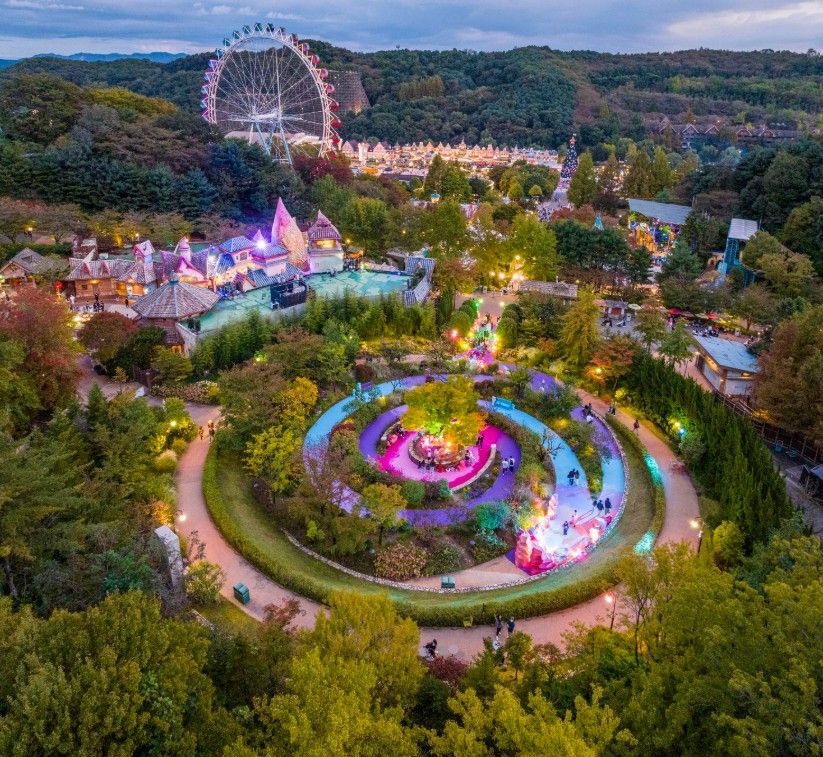
Niet alles hoeft goedkoop te zijn. Een paar ervaringen zijn de moeite waard om wat meer aan uit te geven.
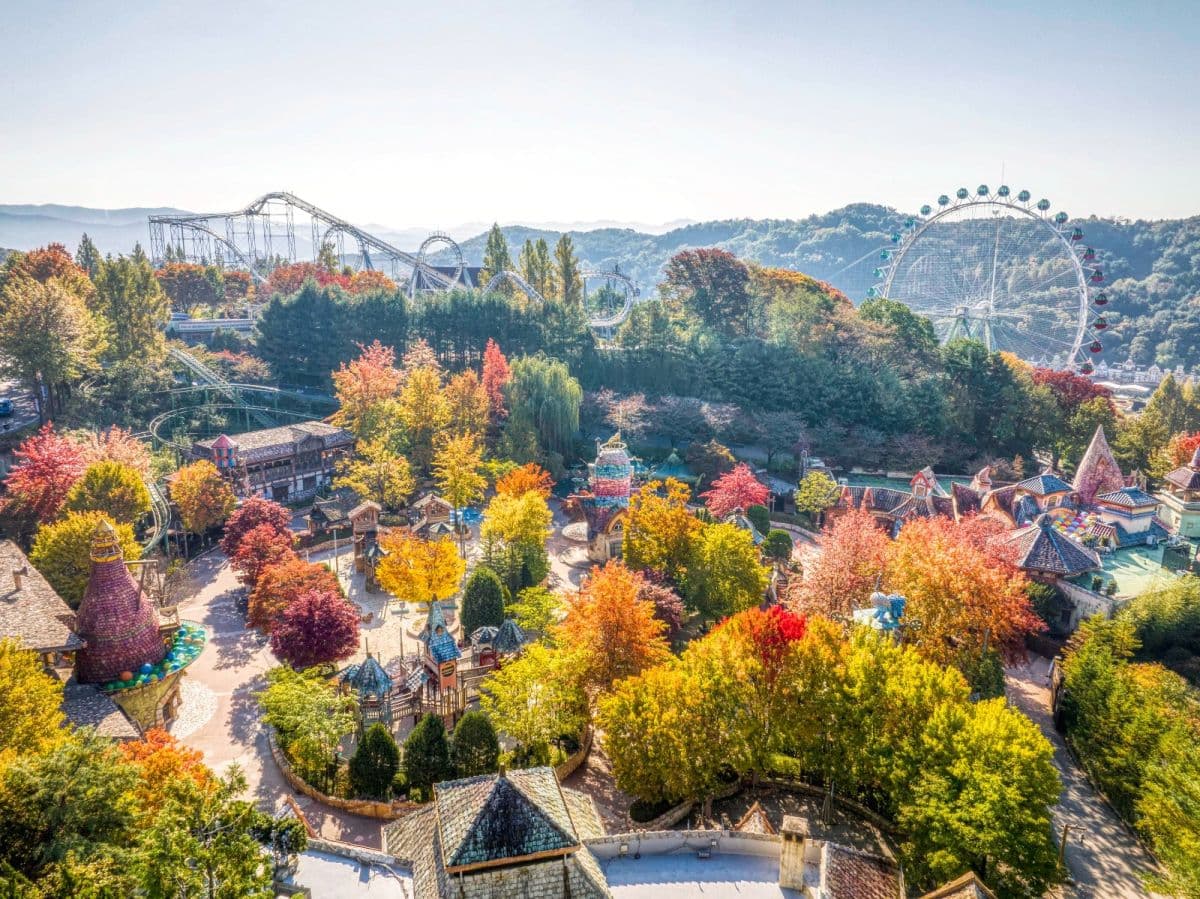
Als je met familie reist of een volledige dag entertainment wilt, is Everland het grootste themapark van Zuid-Korea en het biedt een hele dag vol attracties, shows en thema-gebieden. Gebruik de Everland pendelbus vanuit het centrum van Seoul om de reiskosten beheersbaar te houden.
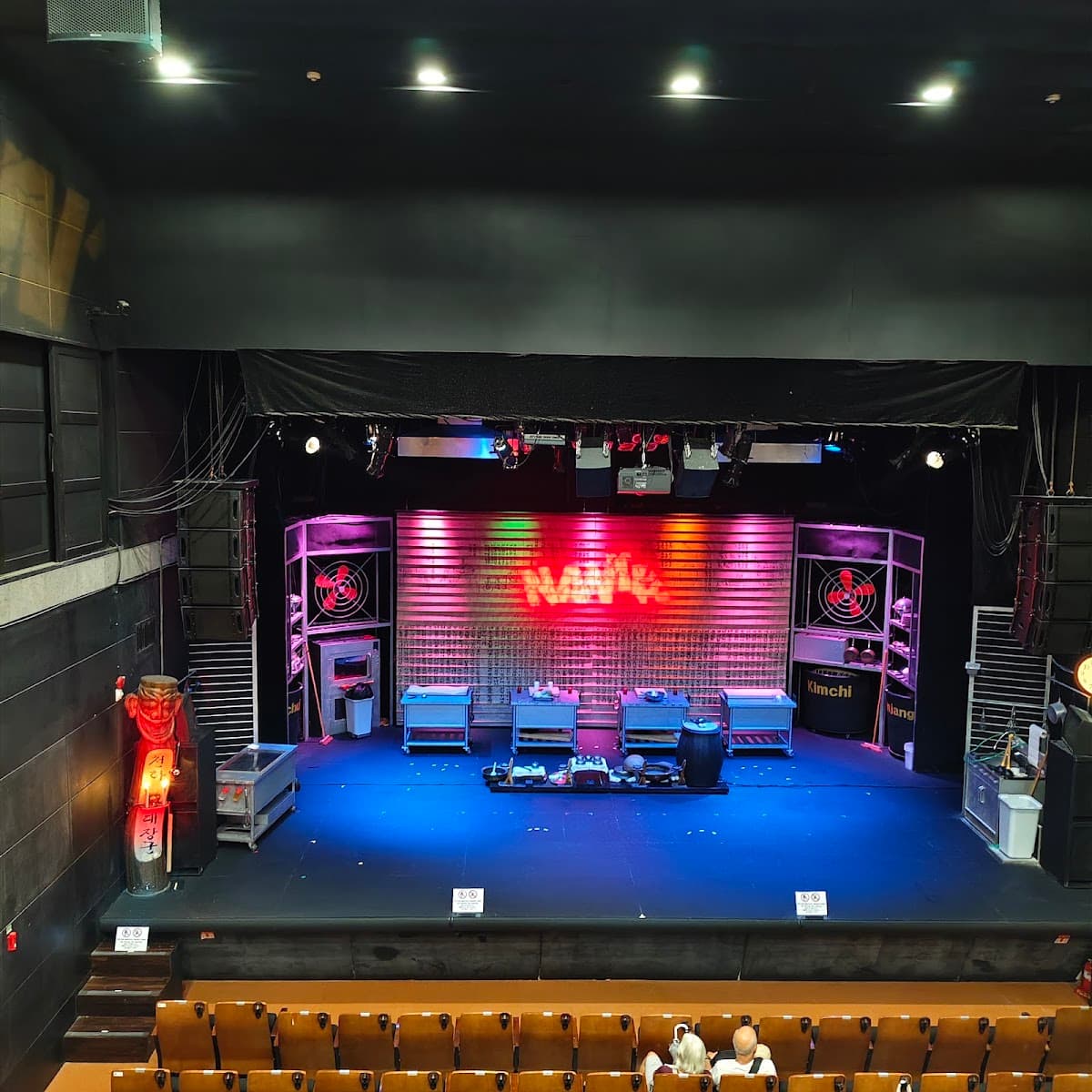
Voor een cultureel avondje uit is de Myeongdong Nanta Show een energieke non-verbale voorstelling die comedy en percussie combineert, geschikt voor alle leeftijden en waarvoor geen kennis van de Koreaanse taal nodig is. Het is een gepolijste, gedenkwaardige avond en de ticketprijs dubbel en dwars waard.
Het huren van een hanbok is een andere slimme keuze om wat extra uit te geven. Het dragen van traditionele Koreaanse kleding terwijl je het paleisterrein verkent, is een populaire en oprecht leuke ervaring. De Koreaanse Hanbok Huurpas maakt het makkelijk om dit te regelen, en bij veel paleizen krijg je gratis toegang als je in een hanbok komt.
Praktische geldtips
Een paar gewoontes helpen je om je budget verder uit te rekken tijdens je reis.
Neem contant geld op bij geldautomaten in buurtwinkels of postkantoren. Deze accepteren betrouwbaar buitenlandse kaarten en rekenen lagere kosten dan bankautomaten in toeristische gebieden. Veel kleinere restaurants en marktkraampjes accepteren nog steeds alleen contant geld, dus zorg dat je dit altijd bij je hebt.
Koop water bij buurtwinkels in plaats van bij toeristische winkels. Een flesje van 500 ml kost ongeveer 600 tot 800 KRW bij GS25 of 7-Eleven.
Download Naver Maps voordat je aankomt. Het werkt beter dan Google Maps voor de dienstregeling van het Koreaanse openbaar vervoer en voorkomt dat je dure verkeerde afslagen neemt.
Boek activiteiten waar mogelijk vooraf. Last-minute aankopen bij populaire attracties kosten vaak meer en sommige tours zijn tijdens drukke reisperiodes volledig uitverkocht.
Laatste gedachten
Seoul beloont reizigers die bereid zijn verder te kijken dan de voor de hand liggende plekken. De stad heeft een diepgaande en toegankelijke cultuur, uitstekende infrastructuur en een eetcultuur waarvoor je echt geen groot budget nodig hebt om ervan te genieten. Geef je geld uit aan de ervaringen die er het meest toe doen, houd de transport- en voedselkosten laag, en je zult met veel meer naar huis gaan dan je hebt uitgegeven.
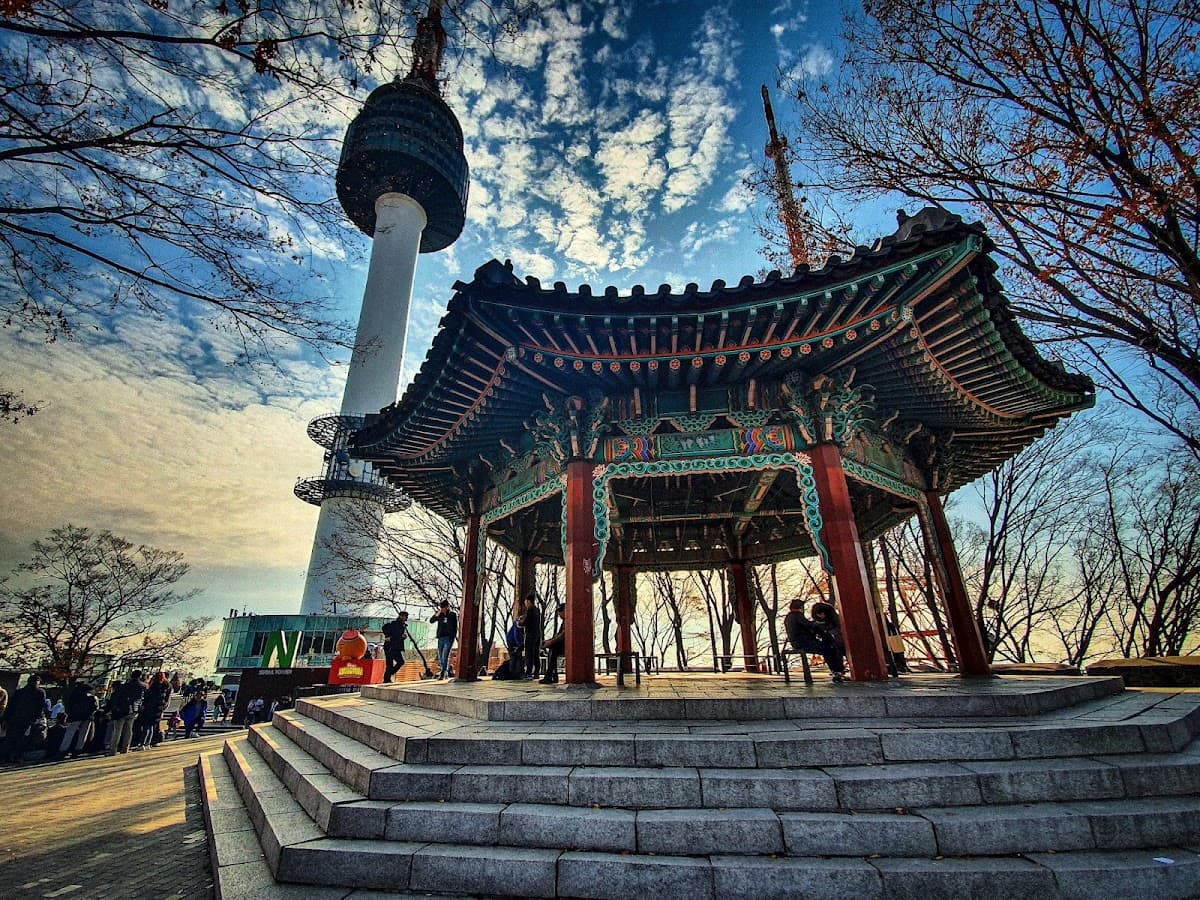
![[Myeongdong] Nanta Show in Seoul](/_next/image?url=https%3A%2F%2Ftixlayer.com%2Fstorage%2Fattractions%2F7542%2Fgoogle_1_1776208550.jpg&w=3840&q=75)
![[Hongdae] Nanta Show in Seoul](/_next/image?url=https%3A%2F%2Ftixlayer.com%2Fstorage%2Fattractions%2F5977%2Fgoogle_1_1776207096.jpg&w=3840&q=75)