Complete Guide to Marrakech: Everything You Need to Plan Your Trip
All articles
Travel Guides

Complete Guide to Marrakech: Everything You Need to Plan Your Trip

TixLayer Team18 February 20268 min read

Complete Guide to Marrakech: Everything You Need to Plan Your Trip

Marrakech hits you like a sensory overload the moment you step off the plane. The air carries hints of mint tea and spices, the call to prayer echoes across terracotta rooftops, and somehow you've landed in a city that feels both ancient and alive. After spending countless weeks exploring Morocco's Red City, I've learned that Marrakech rewards those who come prepared – and punishes those who don't.

This isn't your typical European city break. Marrakech operates on its own rhythm, follows its own rules, and demands a different kind of travel savvy. But get it right, and you'll understand why this imperial city has been enchanting travelers for over a thousand years.

When to Visit Marrakech

Best months: October to April

Marrakech's weather swings between two extremes: pleasantly warm or brutally hot. There's no in-between.

October to April offers the sweet spot – daytime temperatures hover around 20-25°C (68-77°F), perfect for exploring souks and climbing up to rooftop terraces. Evenings can be surprisingly cool, especially December through February, so pack layers.

May to September brings the heat. And I mean heat. July and August regularly hit 40°C+ (104°F+). Unless you're comfortable wilting in shade and limiting outdoor activities to early morning and late evening, avoid summer.

Festival highlights:

  • Marrakech International Film Festival (November/December) – Hollywood meets Morocco
  • Marrakech Marathon (January) – if running 42km in the desert sounds appealing
  • Essaouira Gnawa Festival (June) – worth the day trip for music lovers
  • Ramadan (dates vary) – expect altered restaurant hours and a different city vibe

Getting There and Getting Around

Flying in: Marrakech Menara Airport (RAK) sits about 6km from the city center. Most major European cities have direct flights, and budget airlines make it surprisingly affordable.

From the airport: Taxis cost around 70-100 dirhams to the medina (negotiate beforehand). The airport bus (#19) costs 4 dirhams but takes twice as long. Skip the airport shuttle tours – they're overpriced tourist traps.

Getting around the city:

Walking remains your best bet in the medina. Cars can't navigate most alleys anyway, and you'll miss the details that make Marrakech special.

Taxis work well for longer distances. Petit taxis (red cars) handle short trips within the city, while grand taxis do longer routes. Always negotiate prices upfront – meters exist but rarely get used for tourists.

Calèches (horse-drawn carriages) look romantic but often involve overcharging and questionable animal treatment. I'd skip them.

Bikes sound great in theory but Marrakech traffic is chaotic. Only consider this if you're an experienced urban cyclist.

Where to Stay: Neighborhoods Decoded

Medina (Old City)

The medina puts you in the heart of everything – and I mean everything. You'll wake to the call to prayer, fall asleep to distant drums from Jemaa el-Fnaa, and step out your door into 1,000-year-old streets.

Pros: Walking distance to major attractions, authentic atmosphere, beautiful riads

Cons: Narrow streets mean no cars (good luck with heavy luggage), noise, easy to get lost

Best for: First-time visitors, culture seekers, anyone wanting the "real" Marrakech experience

Gueliz (New City)

Marrakech's modern district feels like any contemporary city – wide boulevards, shopping centers, international restaurants. It's where many locals actually live and work.

Pros: Easy navigation, modern amenities, better value hotels

Cons: Less character, requires transport to reach main attractions

Best for: Business travelers, families wanting familiar comforts, longer stays

Hivernage

The upmarket area between the medina and Gueliz. Think luxury hotels, high-end restaurants, and manicured gardens.

Pros: Upscale but still accessible to medina, quieter than old city

Cons: Expensive, can feel artificial

Best for: Luxury travelers, those wanting proximity without medina intensity

Palmeraie

A palm grove area about 15 minutes from the city center, home to resort-style hotels and golf courses.

Pros: Peaceful, resort amenities, good for relaxation

Cons: Isolated, requires transport everywhere, less authentic

Best for: Resort lovers, golfers, travelers prioritizing relaxation over exploration

What to Eat (And Where to Find It)

Forget everything you think you know about Moroccan food. Restaurant tagines rarely match what locals actually eat, and the best meals happen in places you'd never think to look.

Must-try dishes:

Tagine – Yes, it's touristy, but when done right, it's magical. Look for Nomad (modern take with a view) or Pepe Nero (Italian-Moroccan fusion that somehow works).

Pastilla – Sweet and savory pigeon pie (often made with chicken now). Dar Yacout does an exceptional version, though you'll pay for the experience.

Mechoui – Slow-roasted lamb that falls off the bone. Head to Chez Lamine Hadj Mustapha in the medina – it's just a few plastic tables, but locals queue for the mechoui.

Couscous – Traditionally served Fridays. La Maison Arabe offers excellent versions, or try Restaurant Oscar Progres for a more local experience.

Harira – Tomato-based soup, perfect for cooler evenings. Street stalls around Jemaa el-Fnaa serve steaming bowls for a few dirhams.

Street food essentials:

Jemaa el-Fnaa food stalls – Ignore the guidebook warnings about street food. Stalls 1-15 in the main square serve excellent grilled meats, though prices reflect the tourist location.

Snail soup – Sounds terrifying, tastes like herbal broth. Vendors around the square ladle it from large pots.

Fresh orange juice – Incredibly cheap and refreshing. Negotiate hard – they'll start at tourist prices.

Msemen and rghaif – Flaky pancakes served at breakfast. Look for small stalls in residential areas of the medina.

Top Experiences and Attractions

Jemaa el-Fnaa

The main square transforms throughout the day. Morning brings orange juice vendors and snake charmers (mostly for tourists). Afternoon sees henna artists and monkey handlers. Evening explodes with food stalls, storytellers, and musicians. It's overwhelming, touristy, and absolutely unmissable.

Bahia Palace

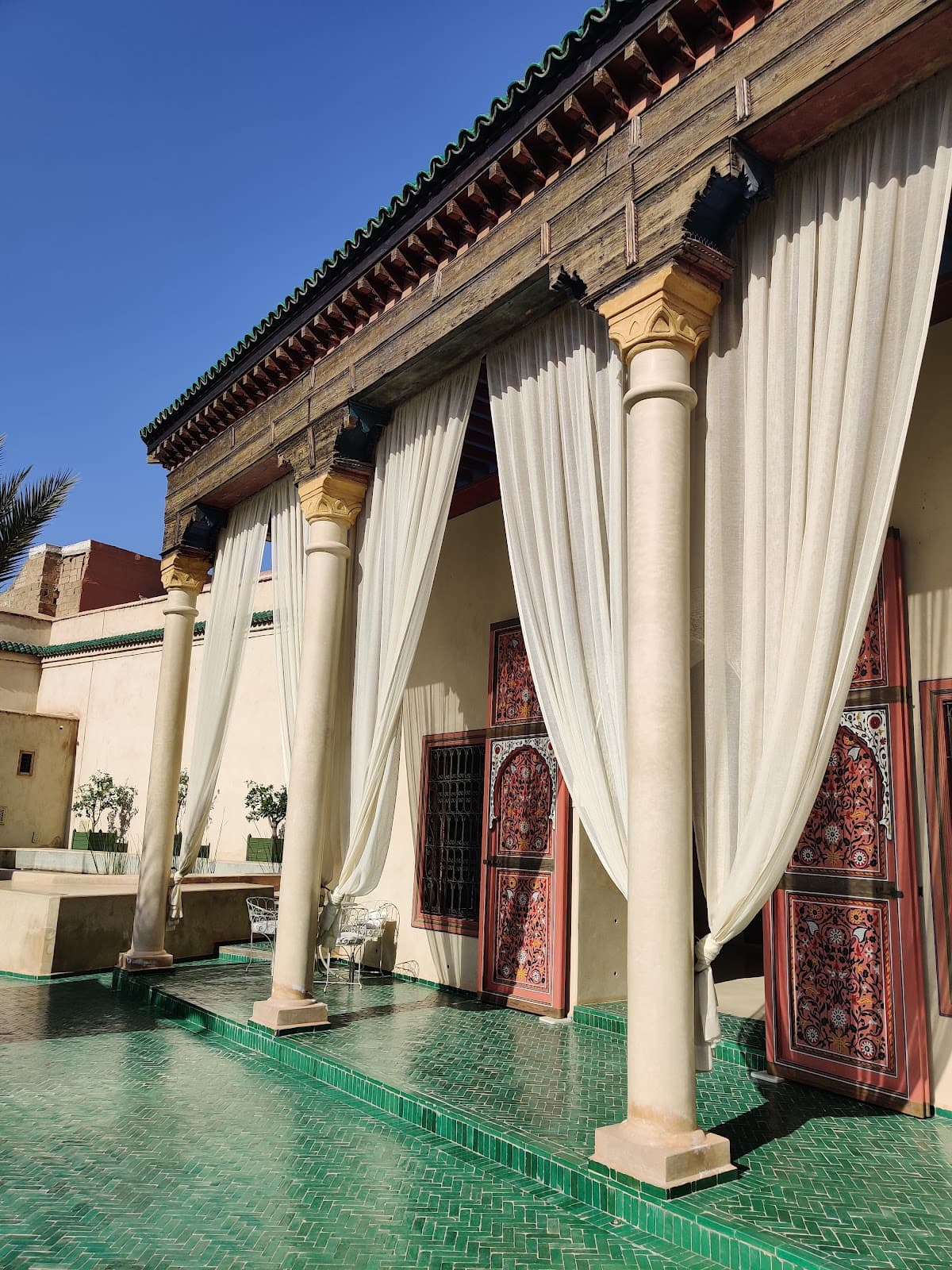
A 19th-century palace showcasing intricate tilework and carved ceilings. Arrive early to avoid crowds and harsh lighting for photos.

Saadian Tombs

Rediscovered in 1917, these 16th-century royal tombs feature stunning marble work. The space is small, so expect queues during peak season.

Majorelle Garden

Yves Saint Laurent's former garden offers a peaceful escape from medina chaos. The cobalt blue buildings against desert plants create Instagram gold, but it's genuinely beautiful beyond the photos.

Ben Youssef Madrasa

A former Islamic college with incredible geometric patterns and student cells you can explore. The central courtyard alone justifies the entrance fee.

Souks

The medina's maze of markets sells everything from handwoven carpets to plastic toys from China. Key areas include:

  • Souk Semmarine – the main artery
  • Souk des Babouches – leather slippers
  • Souk Cherratine – leather goods
  • Souk des Teinturiers – fabric dyeing

Hammam experience

Traditional steam baths range from local neighborhood spots (bring your own towel) to luxury spa versions. Hammam de la Rose offers middle ground – authentic but tourist-friendly.

Atlas Mountains day trip

Escape the city heat with a trip to Imlil or the Ourika Valley. Both offer mountain scenery, Berber villages, and cooler temperatures just 90 minutes from Marrakech.

Money-Saving Tips

Negotiate everything – Initial prices are starting points, not final offers. This applies to taxis, souvenirs, and even some restaurants.

Eat where locals eat – That tiny place with plastic chairs probably serves better food than the riad restaurant charging triple.

Buy spices at the end – Saffron and argan oil make great gifts, but shop around. Prices vary wildly between vendors.

Walk whenever possible – Taxis add up quickly, and you'll miss atmospheric details from inside a car.

Stay in the medina – Gueliz hotels might seem cheaper, but transport costs balance out the savings.

Visit free attractions first – Wandering the medina, people-watching in Jemaa el-Fnaa, and exploring neighborhood mosques (from outside) cost nothing.

Drink local – Moroccan wine is surprisingly good and much cheaper than imported alcohol.

Common Mistakes to Avoid

Accepting "guide" services – Those friendly men who offer to show you around aren't volunteers. They expect payment and often lead you to shops where they earn commissions.

Rushing the medina – Allow time to get lost (literally). The best discoveries happen when you're not following a map.

Ignoring dress codes – Morocco is relatively liberal, but covering shoulders and knees shows respect and reduces unwanted attention.

Only eating in your riad – Hotel restaurants cater to tourist tastes. You're missing incredible local food.

Booking everything in advance – Leave room for spontaneity. Some of the best experiences can't be pre-planned.

Expecting European efficiency – Things move at a different pace. Build buffer time into your schedule.

Drinking tap water – Stick to bottled water to avoid stomach issues.

3-Day Itinerary Overview

Day 1: Medina immersion

  • Morning: Get lost in the souks, buy nothing (just explore)
  • Afternoon: Bahia Palace and Saadian Tombs
  • Evening: Dinner in Jemaa el-Fnaa, watch the square transform

Day 2: Culture and relaxation

  • Morning: Ben Youssef Madrasa and surrounding neighborhoods
  • Afternoon: Majorelle Garden, followed by hammam experience
  • Evening: Rooftop restaurant with medina views

Day 3: Day trip or deeper exploration

  • Option A: Atlas Mountains excursion
  • Option B: Essaouira coastal day trip
  • Option C: Local neighborhoods, cooking class, souvenir shopping

Marrakech rewards the curious and forgives the overwhelmed. Come with an open mind, comfortable walking shoes, and patience for a city that operates on its own magnificent chaos. The sensory overload that initially disorients becomes the very thing you'll miss when you leave.

#marrakech#morocco#travel guide#medina#atlas mountains#north africa#travel planning#itinerary#souks

Official resources

Visit Morocco