ニューヨーク市は単なる目的地ではなく、全身で挑むスポーツのような場所です。このコンクリート・ジャングルは、準備を怠らない者には報いを与え、過信している者には教訓を与えます。数え切れないほどの訪問と、何十年もNYCを故郷としてきた地元の人々との対話を通じて、私は学びました。ビッグアップルの攻略法は、観光名所をチェックすることではなく、そのリズム、地域性、そして明文化されていないルールを理解することにあるのです。
訪れるべき時期
ベストシーズン:4月下旬〜6月上旬 & 9月〜11月
春は冬の眠りから街が目覚める季節です。Central Parkの桜を楽しみ、散策に最適な気候の中で、ニューヨーカーたちの晴れやかな気分を感じられるでしょう。秋は空気が澄み渡り、見事な紅葉と、非常階段さえもロマンチックに見せる黄金色の光に包まれます。
夏(6月〜8月)は過酷です。地下鉄のホームはサウナのようになり、街には独特の熱気が漂います。しかし、その暑さに耐えられるなら、素晴らしいルーフトップバーや野外コンサート、Shakespeare in the Parkを楽しめます。
冬(12月〜3月)は、観光客と旅人を分ける季節です。確かに寒いですが、最もリアルな街の姿を見ることができます。さらに、ブロードウェイのチケットは取りやすく、レストランも予約しやすくなります。そして、雪に覆われたCentral Parkの美しさは格別です。
注目のフェスティバル:
- Tribeca Film Festival(4月) - Cannesよりも親しみやすく、Sundanceよりもアクセスしやすい映画祭
- SummerStage(5月〜10月) - 5つの行政区すべての公園で開催される無料コンサート
- New York Restaurant Week(1月&7月) - 通常は高価なレストランのプリフィックスメニューが楽しめる期間
- Halloween Parade(10月31日) - これまで見た中で最もワイルドなストリートパーティー
アクセスと移動手段
NYCへのアクセス:
LaGuardia (LGA) はマンハッタンに最も近いですが、悪名高いほど混雑します。JFKは国際線が多いですが、市内までの移動時間が長くなります。Newark (EWR) は安くて混雑が少ないことが多いので、New Jerseyにあるからといって敬遠しないでください。
地下鉄は命綱です。 Citymapperアプリをすぐにダウンロードしましょう。7日間のMetroCard($33)はすぐに元が取れますが、OMNYシステムも検討してください。スマホや非接触型カードをかざすだけで乗車できます。
地下鉄サバイバル術:
- エスカレーターでは右側に立ち、左側を歩く
- 車両の中央に移動する
- 改札に到達する前に支払いの準備を済ませる
- 急行列車は駅を通過するので、乗車前に必ず確認する
Yellow taxiは象徴的ですが、常に実用的とは限りません。UberやLyftは便利ですが、ラッシュ時の割増料金には驚かされるかもしれません。短距離ならCiti Bikeのステーションがいたるところにあります。ただし、ヘルメットは持参しましょう。
徒歩は20ブロック以内の移動なら最も早いことが多いです。ニューヨーカーは目的を持って歩いています。彼らのペースに合わせるか、邪魔にならないようにしましょう。
宿泊エリア
マンハッタンの各エリアには個性があります。優先順位に合わせて選びましょう:
Midtown East/West: 観光の拠点。Times SquareやBroadwayなどの主要観光スポットへ徒歩圏内ですが、混雑と高価格は覚悟してください。初めての訪問で、中心地にいたい人には最適です。
Lower East Side (LES): 若々しく、エッジが効いていて、手頃な価格。素晴らしいナイトライフ、ヴィンテージショップ、そして街で最高のレストランが揃っています。週末は騒がしくなることもあります。
Greenwich Village: 魅力的で歩きやすく、高級感があります。並木道、居心地の良いカフェ、ヨーロッパのような雰囲気。予算が許せばロマンチックな休暇に最適です。
SoHo: 鋳鉄建築と高級感のあるショッピング天国。ファッション好きには最高ですが、閉店後は静かになります。
Upper West Side: 家族向けでリラックスした雰囲気。Central ParkやMuseum Mileに近く、観光地というよりは実際の生活圏のような雰囲気です。
Williamsburg, Brooklyn: マンハッタンのスカイラインを一望できる、ヒップな代替エリア。素晴らしいレストランやバーがありますが、マンハッタンへの通勤時間を考慮に入れてください。
Long Island City, Queens: 地下鉄でマンハッタンまで1駅というアクセスの良さと、予算に優しい選択肢。グルメやアートシーンが成長中です。
食事について
ニューヨークの食文化はピザやベーグルだけではありませんが、どちらも必ず食べるべきです。
必食の料理とおすすめスポット:
ピザ: Times Square近くの観光客向け店は避けましょう。Joe's Pizza(複数店舗あり)、ブルックリンのDi Fara(職人技のパイ)、またはインスタ映えする四角いピザのL'industrie Pizzeriaへ。
ベーグル: Ess-a-BagelやH&H Midtown Eastがおすすめ。地元流の注文方法:「Everything bagelにスモークサーモン、クリームチーズ、トマト、オニオンを挟んで」。
デリサンドイッチ: Lower East SideのKatz's Delicatessenのパストラミサンドイッチは、行列に並ぶ価値があります。プロのヒント:スライサーにチップを多めに渡すと、試食を多めにもらえるかもしれません。
中華料理: 既存のイメージを捨ててください。Xi'an Famous Foodsの手延べ麺を食べたら、他の中華料理店には戻れなくなるでしょう。ChinatownのJoe's Shanghaiの小籠包も絶品です。
ユダヤ・イタリアンフュージョン: Russ & Daughtersは、古き良きユダヤの食文化と現代的な感性を融合させています。ここのスモークサーモンサンドイッチは、宗教的な体験と言えるほどです。
多国籍料理:
- 韓国料理: East VillageのHer Name is Han(モダンな韓国料理)
- メキシコ料理: Los Tacos No. 1(本場のタコス・アル・パストール)
- インド料理: クイーンズのJackson Diner(本物の味)
- エチオピア料理: ハーレムのZoma
フードマーケット: Chelsea Marketは観光地化していますが便利です。Smorgasburg(ブルックリンで週末開催)は最高のフードトラック体験ができます。LESのEssex Street Marketは地元ベンダーが多く、混雑も少なめです。
おすすめの体験と観光スポット
定番を超えて:
Statue of Liberty、Empire State Building、Central Parkは必見ですが、旅を思い出深いものにするのは以下の体験です:
The High Line: 古い鉄道跡地に作られた空中公園で、ユニークな街の景色と興味深いアートインスタレーションを楽しめます。混雑を避けるなら早朝か夕方がおすすめです。
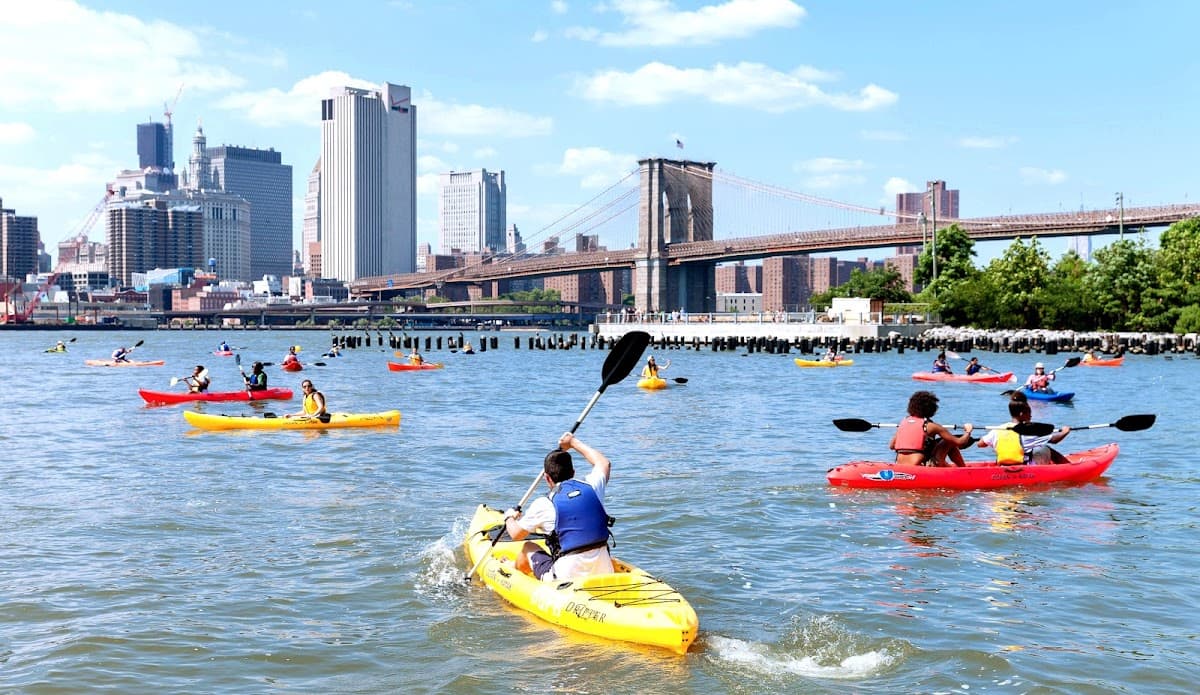
Brooklyn Bridgeの日の出: 日中は観光客で溢れますが、夜明けは魔法のような時間です。コーヒーを持って、街が目覚める様子を眺めましょう。
目的のある美術館巡り:
- MoMA: 水曜の夜は比較的空いています
- Met Museum: NY居住者は「Pay-what-you-wish(寄付制)」ですが、それ以外の方は$25〜30の予算を確保しましょう
- Tenement Museum: 保存されたアパートを通じて移民の物語を伝えます。事前予約必須です
エリア探索:
- ChinatownとLittle Italy: 午後のひとときで両方のグルメを食べ歩きしましょう
- Harlem: 素晴らしいジャズクラブ、ソウルフード、美しい建築物
- DUMBO, Brooklyn: マンハッタンの絶景と、こだわりのショップが並びます
ナイトライフ:
- コメディクラブ: Greenwich VillageのComedy Cellar(スマホ持ち込み禁止で親密な雰囲気)
- ジャズ: 観光客向けのBlue Note、本物志向のSmalls
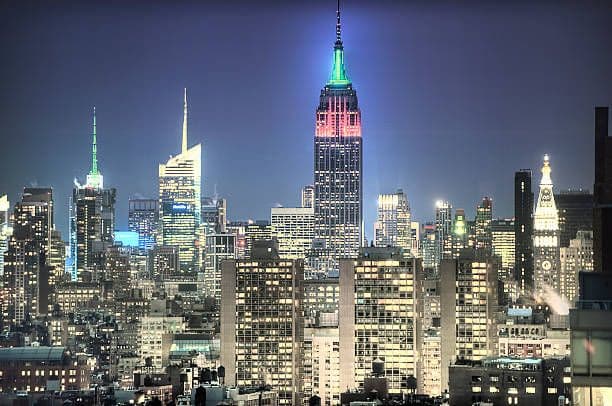
- ルーフトップ: 230 FifthからはEmpire State Buildingが見えます。地元民はPod Hotelsのルーフトップを好みます
無料のアクティビティ:
- Staten Island Ferry(Statue of Libertyを無料で眺められます)
- Central Parkのコンサートやイベント
- Brooklyn Bridgeの散歩
- Chelsea Marketの散策
- Washington Square Parkでの人間観察
節約のヒント
戦略を立てれば、NYCで破産することはありません:
宿泊: マンハッタン以外の行政区を予約するか、マンハッタンのホステルを検討しましょう。多くのホテルは日曜から木曜までの方が料金が安くなります。
食事: ランチスペシャルはディナーと同じ料理が半額で提供されることが多いです。フードトラックやボデガ(食料品店)では$10以下で満足できる食事が手に入ります。ハッピーアワーは通常16時〜19時です。
交通: 徒歩は節約になるだけでなく、隠れた名所を発見できます。長距離移動には、タクシーよりも地下鉄が常に安いです。
エンターテインメント: 多くの美術館が居住者向けに「Pay-what-you-wish」の時間を提供しており、一部は時間帯によってすべての訪問者に適用されます。Shakespeare in the Parkは無料ですが、チケットのために並ぶ必要があります。
ショッピング: サンプルセールは年間を通じて開催されています。Instagramで@samplenewyorkをフォローして情報を得ましょう。Century 21ではデザイナーブランドが割引価格で手に入ります。
ドリンク: ホテルのミニバーやTimes Squareのバーは避けましょう。ボデガのビールやワインは驚くほど手頃です。多くのルーフトップバーは、ハッピーアワーに行けば入場料が無料になります。
避けるべき一般的な間違い
観光客の罠: Times Squareのレストランは割高で平凡です。M&Mストアは文化的な体験ではありません。窓に料理の写真が貼ってあるレストランは避けましょう。
交通のミス: ラッシュ時にタクシーに乗らないこと。渋滞で無駄にお金を払うことになります。地下鉄のドアや改札を塞がないこと。すべての電車がマンハッタンに行くと思わないこと。
食事のミス: 客引きが激しいレストランでは食事をしないこと。ピーク時に迅速なサービスを期待しないこと。大人数の会計にサービス料が含まれているか必ず確認すること。
計画のミス: 一度の旅行ですべてを見ようとしないこと。疲れ果てて何も楽しめなくなります。マンハッタン以外のエリアを無視しないこと。ブルックリン、クイーンズ、ブロンクスには最高の体験が待っています。
社会的なマナー: ニューヨーカーは無礼なのではなく、効率的なのです。素っ気ない対応を個人的に受け取らないでください。道を聞くのはOKです。敬意を持って接すれば、ほとんどの地元民は親切に教えてくれます。
3日間のおすすめモデルコース
1日目:マンハッタンの定番
- 午前:Central Parkと近くの美術館(Metまたは自然史博物館)
- 午後:Midtownを散策し、Times Squareを見て、フードホールでランチ
- 夜:ブロードウェイショーまたはコメディクラブ
2日目:ダウンタウンとブルックリン
- 午前:9/11 Memorial and Financial District
- 午後:Brooklyn Bridgeを渡り、DUMBOを探索
- 夜:ブルックリンでディナー、Brooklyn Bridge Parkで夕日を鑑賞
3日目:エリアと文化
- 午前:High LineとChelsea Market
- 午後:冒険の選択—Greenwich Villageの魅力、SoHoでのショッピング、またはChinatownでの食べ歩き
- 夜:East VillageまたはLower East Sideでルーフトップドリンクとディナー
追加のヒント: ハーレムでジャズとソウルフード、クイーンズで本場の多国籍料理、または最初の3日間で気に入ったエリアをさらに深く掘り下げてみましょう。
覚えておいてください:この旅程は出発点であり、絶対的なルールではありません。最高のニューヨーク体験は、計画から外れて好奇心に従ったときに起こります。この街は、自発的な人を歓迎し、予定を詰め込みすぎる人を罰します。偶然の出会いのための余白を残しておきましょう。それこそが、受け入れる準備ができている訪問者に対するニューヨークからの最大の贈り物なのです。