Cose da fare a Koh Samui
12 esperienze a Koh Samui
Ricevi aggiornamenti sulle nuove esperienze a Koh Samui
Sii il primo a sapere quando aggiungiamo tour e biglietti a Koh Samui.
About Koh Samui
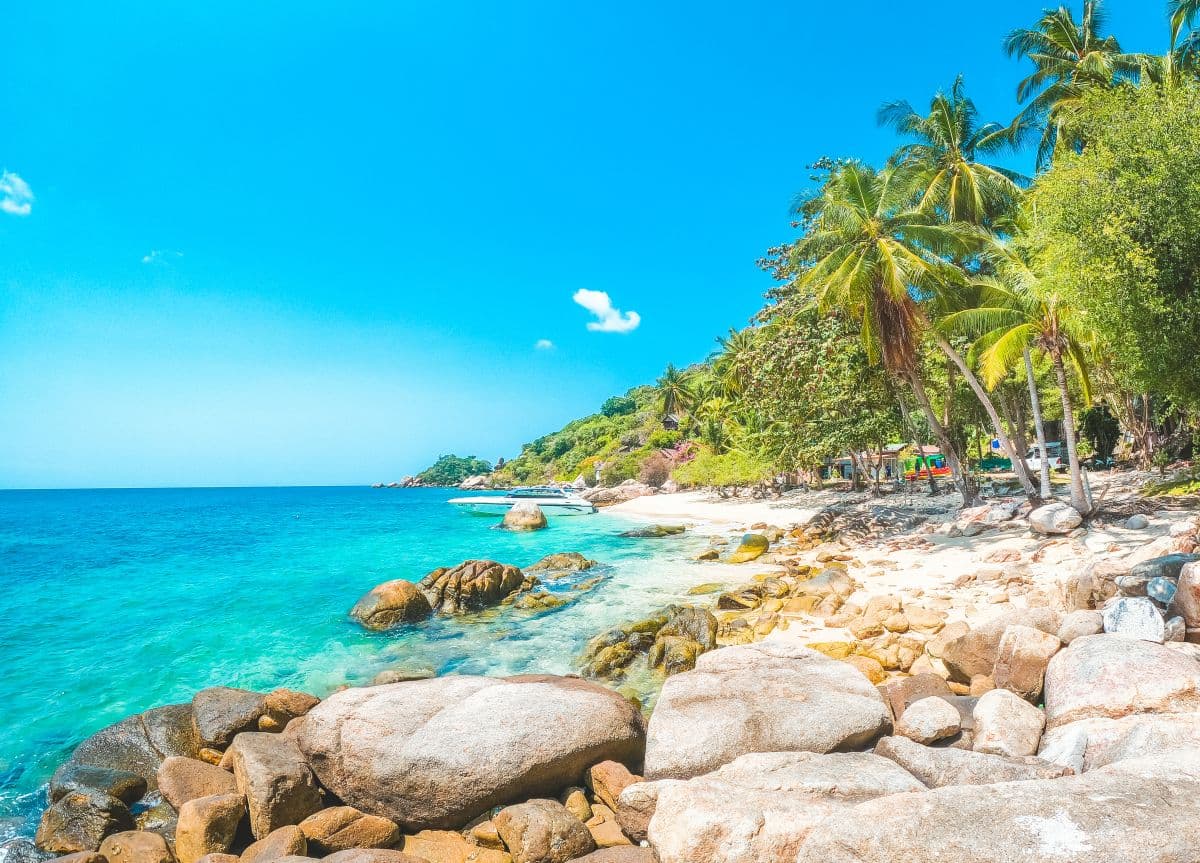
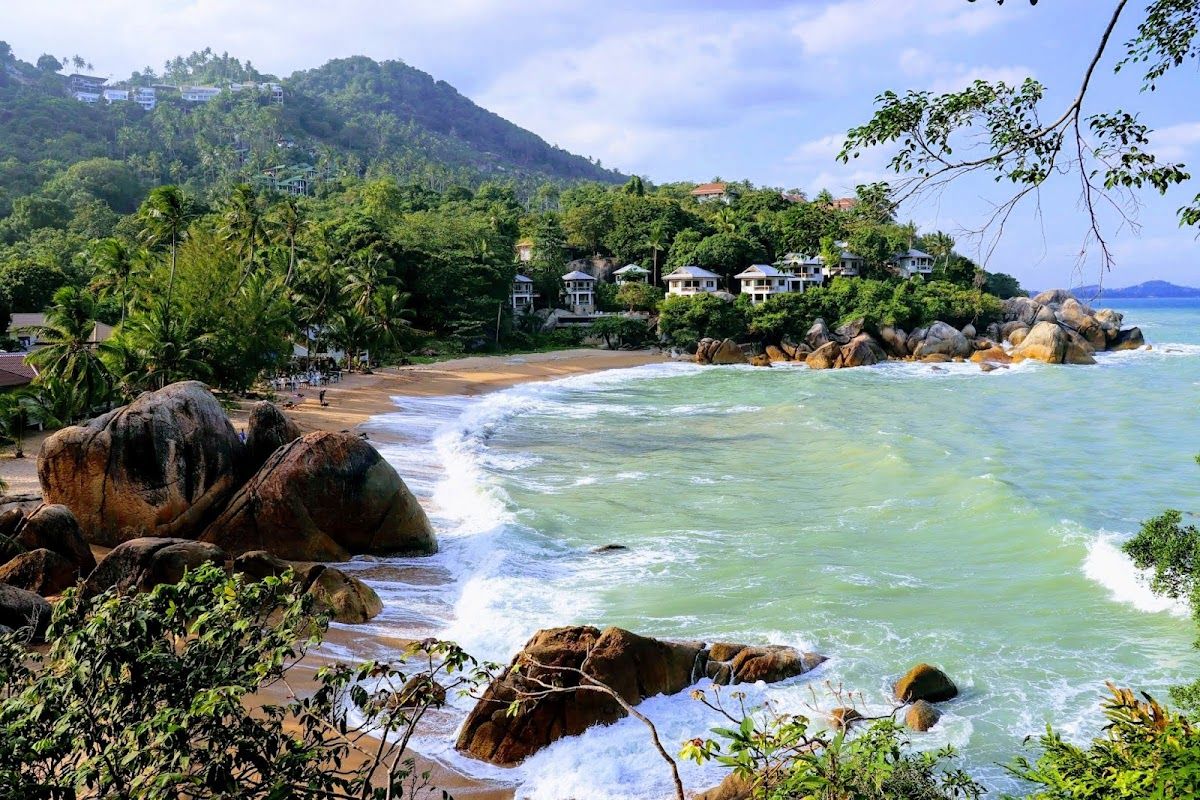
Koh Samui is Thailand's second-largest island, and it's spent the last few decades figuring out how to be beach paradise and functioning small city at the same time. Palm-fringed coves sit a short drive from a Tesco Lotus, an international airport, and a night market selling both scorpion skewers and Wi-Fi-enabled coconuts. That duality is the point: Samui gives you jungle waterfalls and five-star spa treatments without demanding you rough it, which is exactly why it draws such a mixed crowd — honeymooners, digital nomads on long stays, families with young kids, and package tourists who never leave their resort's stretch of sand.
The island's character shifts hard depending on which coast you land on. Chaweng is the loud, neon, jet-ski-and-nightclub Samui that shows up in Instagram reels. Lamai is a scaled-down version of the same thing, a bit rougher round the edges. Bophut and Maenam, on the north coast, are where people go once they've done Chaweng once and decided they'd rather have a decent coffee and a quiet swim. Inland, the island is still genuinely rural — water buffalo, rubber plantations, and the odd Buddhist temple with a 12-metre gold Buddha staring out at the Gulf of Thailand.
Samui works best for travelers who want a beach holiday with training wheels: real natural beauty and reasonably good infrastructure, but without the backpacker chaos of Koh Phangan next door or the diving purism of Koh Tao further out. It's not a budget destination anymore — prices have crept up steadily since the airport expanded international routes — but it still undercuts the Maldives or Phuket's priciest corners while delivering a similar standard of resort. Go for a week if you want sun and seafood; stay a month if you're working remotely and want good SIM coverage, decent gyms, and a coworking scene that's grown up around Fisherman's Village.
Good to Know
SIM cards: Buy an AIS or dtac tourist SIM at the airport arrivals hall — around 300–400 THB gets you weeks of solid data coverage across most of the island.
Money: ATMs charge a flat 220 THB foreign transaction fee per withdrawal regardless of amount, so withdraw larger sums less often; cash is still king at markets and small restaurants.
Tipping: Not obligatory but appreciated — round up taxi fares, leave 20–50 THB for restaurant service, and a bit more for a good massage.
Scooter safety: Wear a helmet at all times — police checkpoints do fine tourists for this, and hospital costs for accidents without travel insurance can be brutal.
Dress code: Cover shoulders and knees when visiting temples like Big Buddha; swimwear is fine on the beach but not walking through town centers.
Water: Don't drink tap water — bottled water is cheap and sold everywhere, including refill stations at many guesthouses.
Bargaining: Expected at markets and with songthaew drivers, not at malls or restaurants with printed menus.
Jellyfish: Check local warnings before swimming, particularly during monsoon transition months when box jellyfish sightings occasionally spike.