Tsim Sha Tsui Travel Guide: Plan Your Perfect Trip
By Matt Cuckston, Founder & Travel Technology Expert at TixLayer
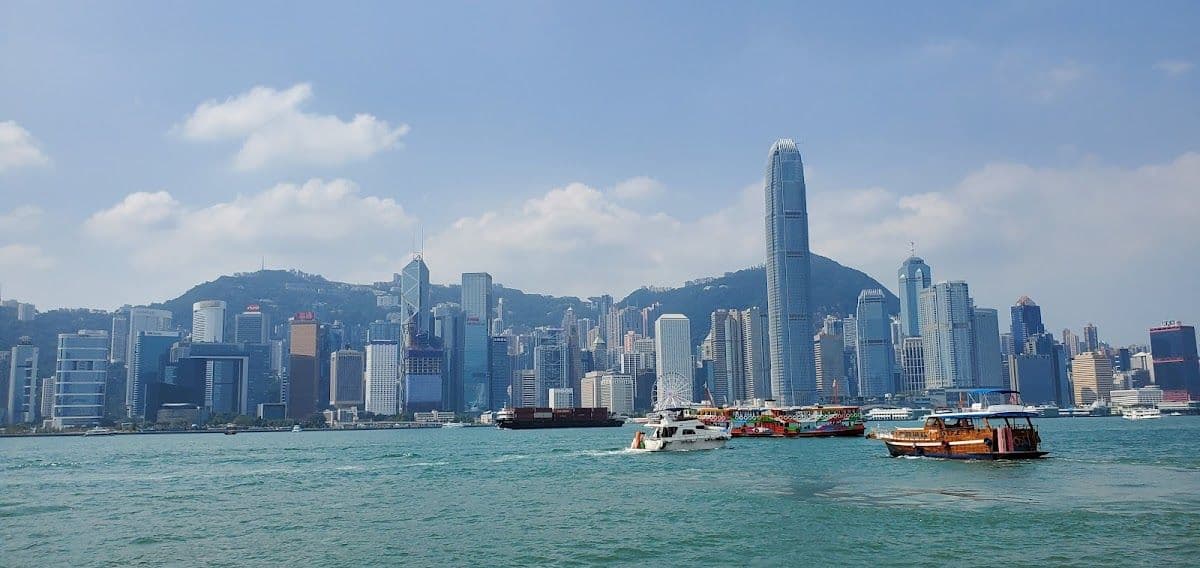
Sitting at the southern tip of the Kowloon Peninsula, Tsim Sha Tsui is the beating heart of Hong Kong's tourism scene. It faces Victoria Harbour and looks directly across at the glittering skyline of Hong Kong Island, making it one of the most photographed waterfronts in the world. If you're planning things to do in Tsim Sha Tsui, you'll find a neighbourhood that packs an enormous amount into a relatively compact area: world-class museums, legendary food, luxury shopping, and some of the best harbour views on the planet. This guide gives you everything you need to plan your trip properly.
---
When to Visit
Hong Kong has a subtropical climate, which means the timing of your visit matters more than most people expect.
Best months: October to December. This is the sweet spot. Temperatures sit comfortably between 18°C and 26°C, the skies are generally clear, and humidity drops to manageable levels. The city feels alive without being oppressive. November in particular is ideal for walking tours and outdoor sightseeing.
Spring (March to May) can be pleasant but brings hazy skies and rising humidity. The harbour views are still impressive, but visibility for photography won't be at its peak.
What to avoid: June to September. This is typhoon season. Heat and humidity are intense, with temperatures regularly hitting 33°C or higher and humidity sitting above 85%. Typhoons can disrupt transport and close attractions with little warning. If you do visit in summer, build flexibility into your plans and keep an eye on the Hong Kong Observatory's weather alerts.
Chinese New Year (January or February) is worth considering if you want to experience the city at its most festive. Expect crowds, some business closures, and higher hotel prices, but the atmosphere is genuinely special.
---
Getting There
By Air: Hong Kong International Airport is one of the best-connected airports in Asia. From the airport, the Airport Express train runs directly to Hong Kong Station on Hong Kong Island, with a connecting service to Kowloon Station, just a short taxi or MTR ride from Tsim Sha Tsui. The journey takes around 25 minutes and costs HKD 115 (roughly USD 15).
By Ferry: If you're arriving from Macau or mainland Chinese ports like Guangzhou or Shenzhen, high-speed ferries and cross-boundary coaches are well-organised and affordable.
By Train: The MTR's East Rail Line connects to Lo Wu or Lok Ma Chau at the mainland border. From Shenzhen, this is one of the most convenient cross-border options.
---
Getting Around
Tsim Sha Tsui is extremely walkable, but Hong Kong's public transport network is also one of the best in the world.
MTR (Mass Transit Railway): The MTR is fast, clean, and air-conditioned. The Tsim Sha Tsui station connects you to virtually everywhere you need to go. Get an Octopus Card on arrival. It works on the MTR, buses, trams, and even at many convenience stores.
The Star Ferry: Don't treat this purely as transport. The Star Ferry Pier crossing between Tsim Sha Tsui and Central is one of the great short journeys in Asia. It costs just HKD 3.4 for the lower deck and gives you a front-row view of the harbour skyline. For a more extended experience on the water, the Star Ferry's Harbour Tour is a worthwhile way to see the skyline from multiple angles.
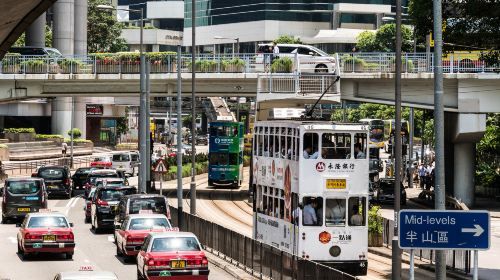
Trams (Ding Ding): Once you cross to Hong Kong Island, the Hong Kong Tramways are a slow but charming way to move along the northern shore. They cost HKD 3 per ride regardless of distance.
Taxis: Readily available and reasonably priced by international standards. Red taxis cover urban areas. Always make sure the driver uses the meter.
---
Budget Expectations
Hong Kong sits in the middle ground. It's not Southeast Asia cheap, but it's also not as expensive as people assume if you know where to eat and stay.
- Budget traveller: HKD 400 to 600 per day (staying in a guesthouse, eating at local cha chaan tengs and dai pai dongs, using public transport)
- Mid-range: HKD 1,200 to 2,500 per day (3-star hotel, mix of local and mid-range restaurants, paid attractions)
- Luxury: HKD 4,000 and above per day (5-star waterfront hotels, fine dining, private tours)
Accommodation in Tsim Sha Tsui ranges from budget guesthouses in Chungking Mansions to landmark hotels like The Peninsula. Eating is where you can save significantly. A bowl of wonton noodles at a local shop costs around HKD 40 to 60. A meal at a mid-range Cantonese restaurant runs HKD 150 to 350 per person.
---
What to See and Do
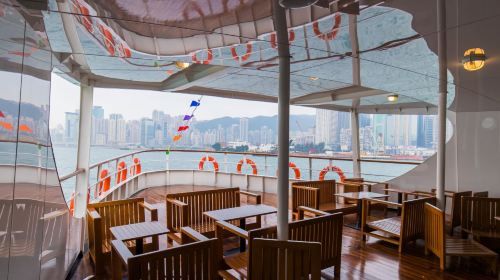
The Waterfront and Avenue of Stars: The Tsim Sha Tsui promenade stretches along Victoria Harbour and is best experienced in the evening when the Symphony of Lights show runs across the skyline at 8pm. The Avenue of Stars pays tribute to Hong Kong's film industry.
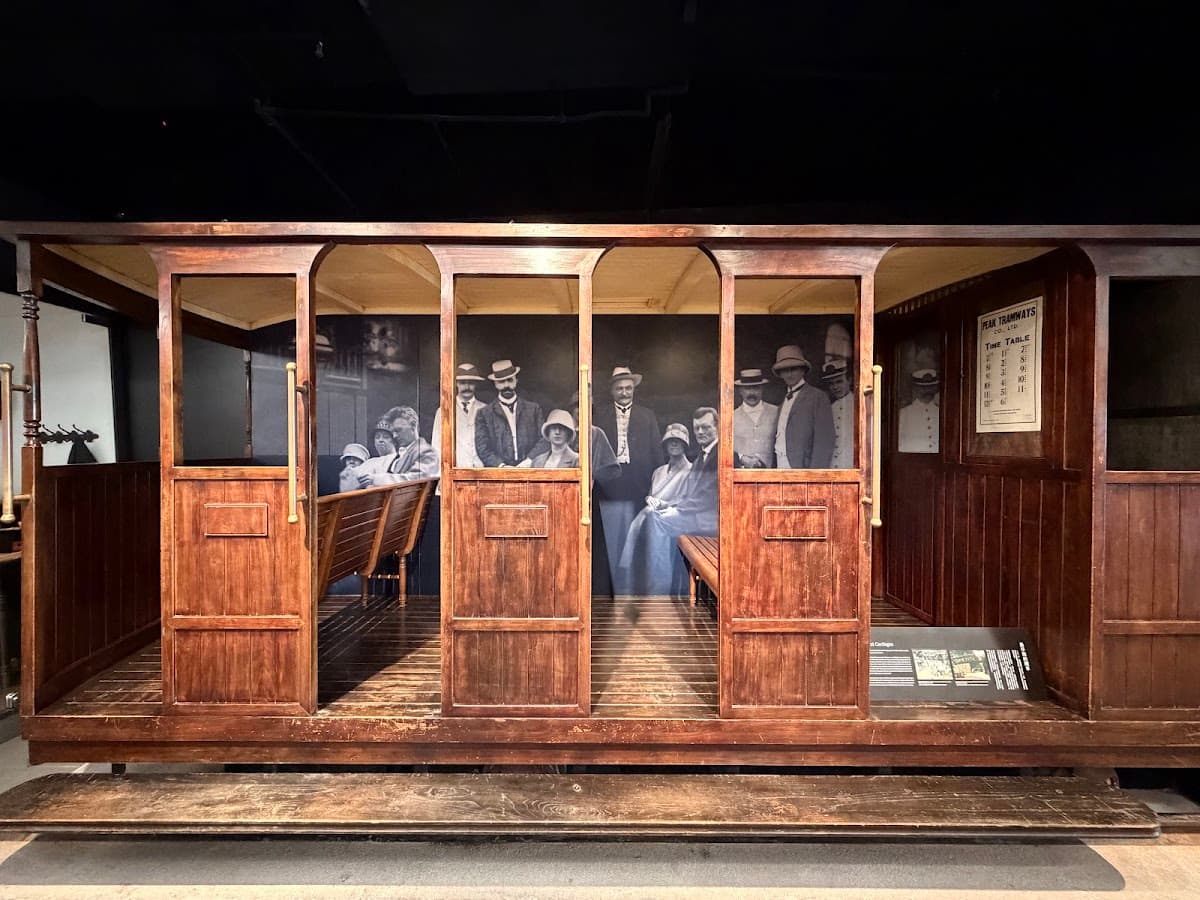
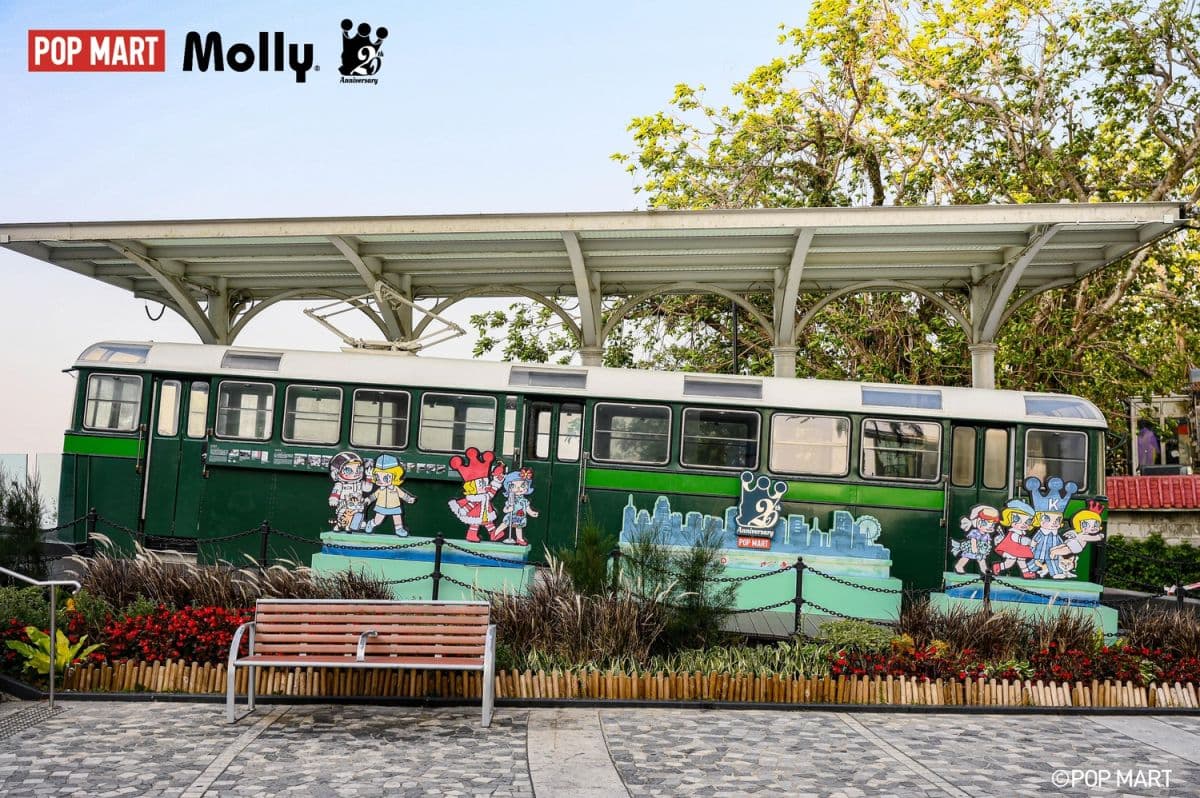
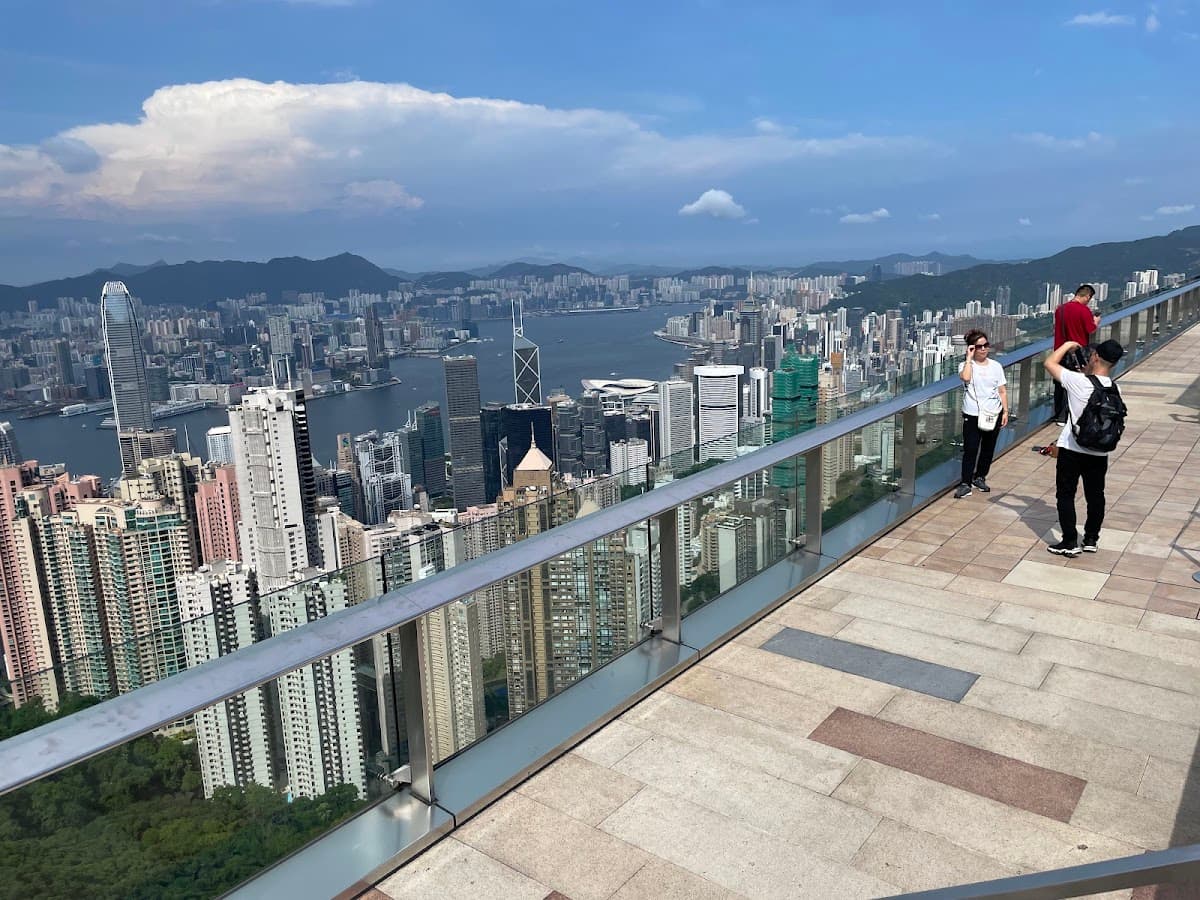
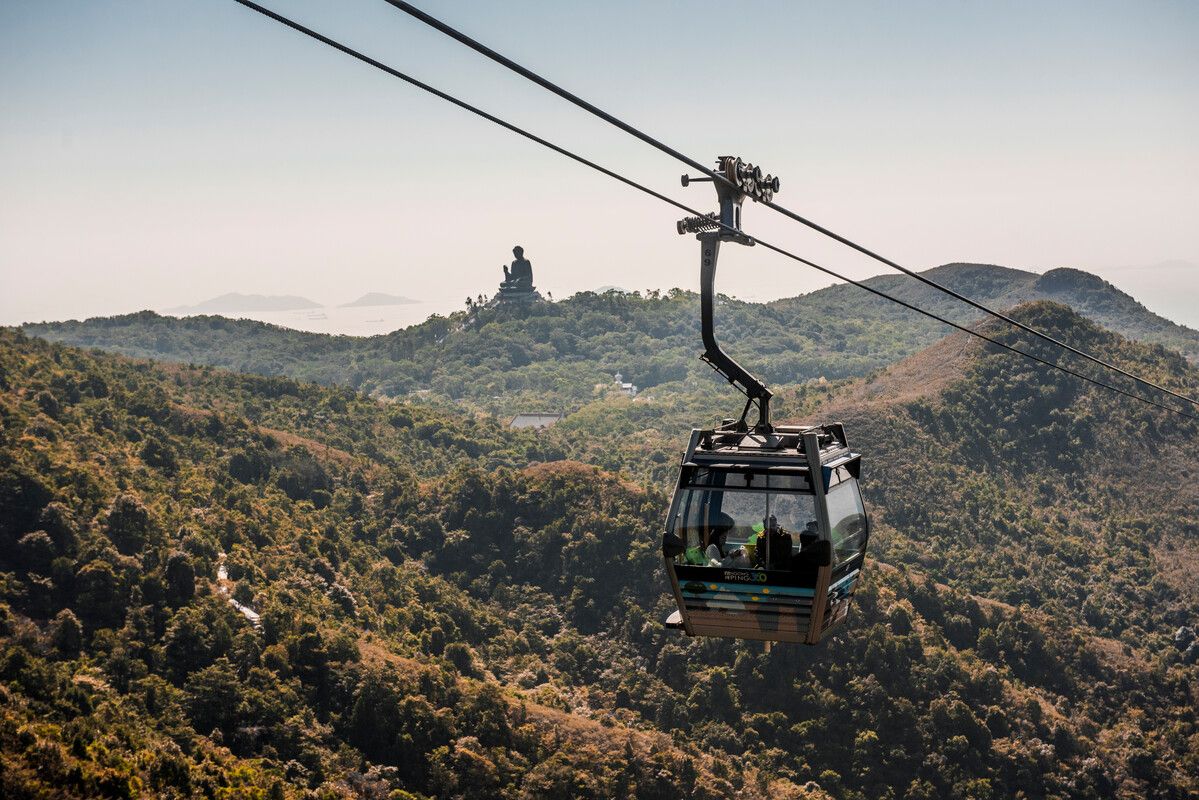
Victoria Peak: A short MTR and tram ride away, the Hong Kong Peak Tram is an experience in itself, climbing at a steep angle through the hillside. At the top, the Sky Terrace 428 offers Hong Kong's highest outdoor viewing platform with panoramic views across the harbour and beyond.
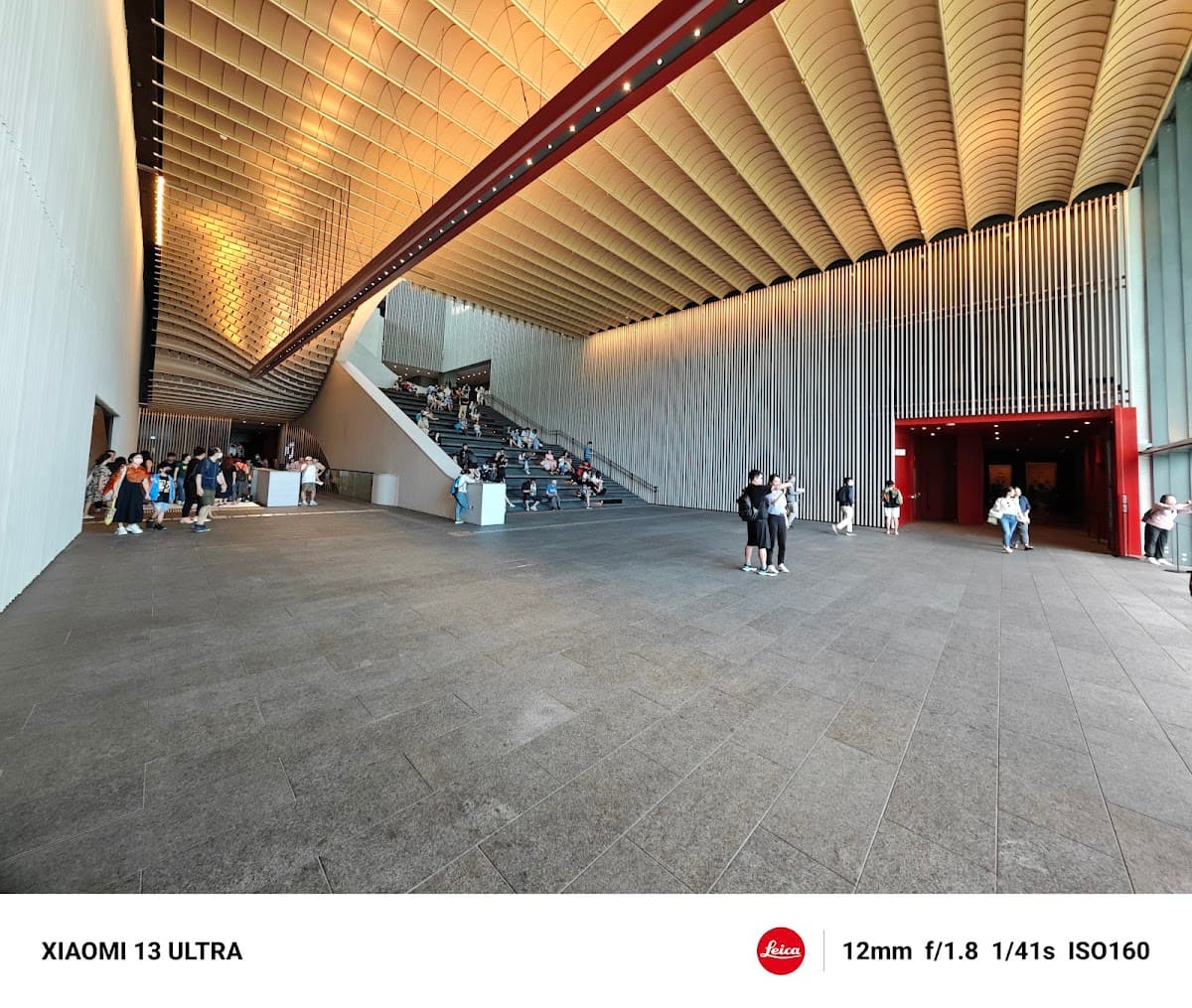
Hong Kong Palace Museum: Located in the West Kowloon Cultural District, the Hong Kong Palace Museum houses a remarkable collection of artefacts from Beijing's Palace Museum. It's one of the most significant cultural institutions to open in the city in decades and deserves at least two to three hours.
Temple Street Night Market: A short MTR ride north brings you to the Temple Street Night Market, which comes alive after 7pm. Stalls sell everything from cheap electronics to jade jewellery, and the surrounding streets are packed with seafood restaurants and fortune tellers.
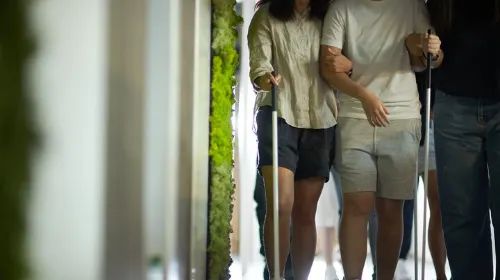
Dialogue in the Dark: One of the more unusual and genuinely affecting experiences in the city, Dialogue in the Dark guides visitors through a series of completely dark environments led by visually impaired guides. It's thought-provoking and unlike anything else on the standard tourist circuit.
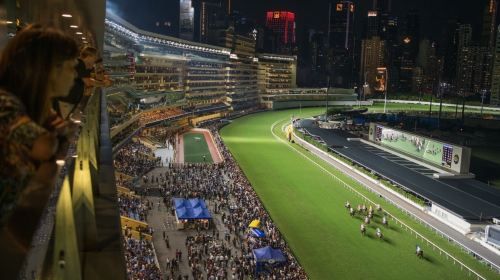
Happy Valley Racecourse: If you're visiting on a Wednesday evening between September and July, Happy Valley Racecourse is an institution. The atmosphere is electric, entry is cheap, and you don't need to bet to enjoy the evening.
---
Where to Eat
Tsim Sha Tsui and the surrounding Kowloon neighbourhoods have some of the best eating in Hong Kong.
- Dim sum: Tim Ho Wan, which started in Kowloon, remains one of the most affordable Michelin-recognised dim sum spots in the world. Arrive early or expect a queue.
- Cantonese roast meats: Look for shops displaying hanging char siu and roast duck in their windows. A plate of roast pork over rice for under HKD 60 is one of Hong Kong's great everyday meals.
- Cha chaan teng: These Hong Kong-style cafes serve milk tea, pineapple buns, and egg tarts. They're an essential part of local food culture and are found on almost every block.
- For a structured food experience: The Hong Kong Cantonese Culinary Private Walking Tour takes you through the neighbourhood's food culture with a knowledgeable local guide.
---
Insider Tips
1. Take the Star Ferry after midnight. Most visitors ride it during golden hour or for the 8pm light show. The last ferries run around midnight, and crossing the harbour at that hour, with the city quieter and the reflections on the water sharper, is a completely different experience that very few tourists bother with.
2. Visit the Kowloon Walled City Park. It's not in Tsim Sha Tsui proper, but a short taxi ride away in Kowloon City. The park sits on the site of the former Walled City, one of the most densely populated places in human history. The park itself is beautifully designed in classical Chinese style, and the small museum on site explains the area's extraordinary history. Almost no one outside of Hong Kong regulars visits it.
3. Shop Nathan Road selectively. Nathan Road is lined with electronics and camera shops that aggressively target tourists. Prices are rarely as good as advertised and some shops use bait-and-switch tactics. For electronics, you're better off at the Mong Kok Computer Centre or authorised retailers.
---
Practical Tips
- Currency: Hong Kong Dollar (HKD). ATMs are everywhere. Credit cards are accepted at most hotels and restaurants but less common at street stalls and markets.
- Language: Cantonese is the primary language. English is widely spoken in tourist areas, hotels, and most restaurants.
- SIM cards: Available at the airport on arrival. A local SIM with generous data costs around HKD 50 to 100 for a week.
- Safety: Hong Kong is one of the safest cities in Asia for travellers. Standard precautions apply, but petty crime is rare.
- Tipping: Not mandatory but appreciated. Rounding up a taxi fare or leaving 10% at a restaurant is common practice.
For visitors who want to cover multiple attractions efficiently, the Go City: Hong Kong Explorer Pass bundles access to several top experiences and can represent good value depending on your itinerary.
Tsim Sha Tsui rewards travellers who take the time to move beyond the obvious. The harbour views are genuinely spectacular, the food scene is deep and affordable, and the neighbourhood's mix of old Kowloon character and modern development makes it one of the most interesting places to base yourself in Asia.