Nice Travel Guide: Plan Your Perfect Trip to the French Riviera
By Matt Cuckston, Founder & Travel Technology Expert at TixLayer
Few cities in Europe balance everyday life with extraordinary surroundings quite like Nice. Sitting at the foot of the Alps with the Mediterranean at its doorstep, it is a city of contrasts: faded pastel architecture next to world-class museums, affordable neighbourhood markets a short walk from Michelin-starred restaurants. If you are searching for things to do in Nice, you will find no shortage of options whether you prefer history, food, outdoor adventure, or day trips along one of the world's most famous coastlines. This guide gives you everything you need to plan a trip that actually works.
Getting to Nice
Nice Côte d'Azur Airport is the second busiest in France and well connected to most European cities. Budget carriers including easyJet, Ryanair, and Vueling operate regular routes from the UK, Germany, and the Netherlands. From the airport, the No. 98 and No. 99 buses run directly into the city centre for around €1.50, making it one of the most affordable airport transfers in France. Taxis are available but expect to pay €30 to €40 for the same journey.
By train, Nice sits on the main coastal rail line connecting Marseille to the Italian border. High-speed TGV services from Paris take around five and a half hours. If you are travelling from Italy, the scenic line from Ventimiglia crosses the border and arrives at Nice-Ville station in the city centre.
Getting Around
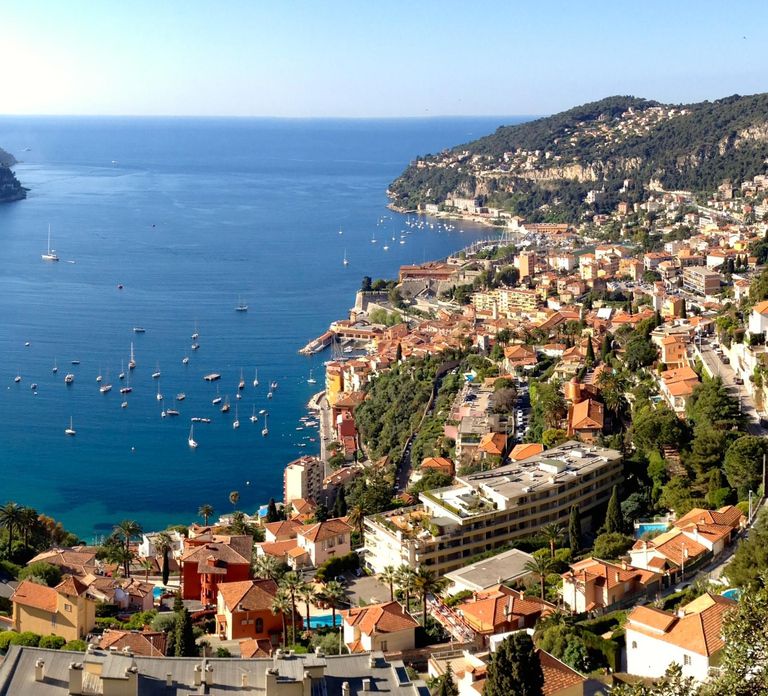
The city is walkable in its core areas, but the tram network is genuinely useful. Line 1 runs east to west through the centre, and Line 2 connects the airport to the port. Single tickets cost €1.50 and a 10-trip carnet brings the price down further.
For a more enjoyable way to explore, consider the Nice: Panoramic French Riviera E-Bike Tour, which takes you along the coastal paths and up into the hills with far less effort than cycling on your own. The Nice: E-Bike City Highlights Tour is a solid alternative if you want to focus on the city itself rather than the wider coastline.
Renting a car is not necessary within Nice but becomes worthwhile if you plan to explore the Arrière-Pays, the mountainous hinterland behind the coast.
Best Neighbourhoods to Stay In
Vieux-Nice (Old Town) is the most atmospheric part of the city. The streets are narrow, the buildings are painted in shades of ochre and terracotta, and the markets are genuinely local. It is the best base for first-time visitors.
Carré d'Or sits between the Old Town and the sea and is where you will find the smarter hotels, designer boutiques, and the Promenade des Anglais at its most polished. Expect to pay more here.
Libération and Musiciens are residential neighbourhoods north of the station that offer better value accommodation and a more authentic daily rhythm. They are a 15-minute walk or one tram stop from the main sights.
The Port area has developed considerably in recent years. It is quieter than the Old Town and has a good selection of restaurants and wine bars.
When to Visit

May, June, and September are the best months to visit Nice. The weather is warm and reliable, the sea is swimmable, and the city has not yet reached peak summer capacity. Hotel prices are lower than in July and August, and you can actually find a table at a restaurant without booking weeks in advance.
July and August bring intense heat, large crowds, and significantly higher prices across accommodation and dining. The beaches become extremely crowded, and the roads along the coast can be frustratingly slow.
October through April is quieter and noticeably cooler, though the city remains pleasant and functional. The light in autumn is exceptional and the markets are at their best. Winter is mild by northern European standards, with temperatures rarely dropping below 10°C, making it a reasonable off-season escape.
Avoid the Monaco Grand Prix weekend in late May if you are on a budget. Hotels across the entire Riviera inflate their prices dramatically during that period.
What to See and Do
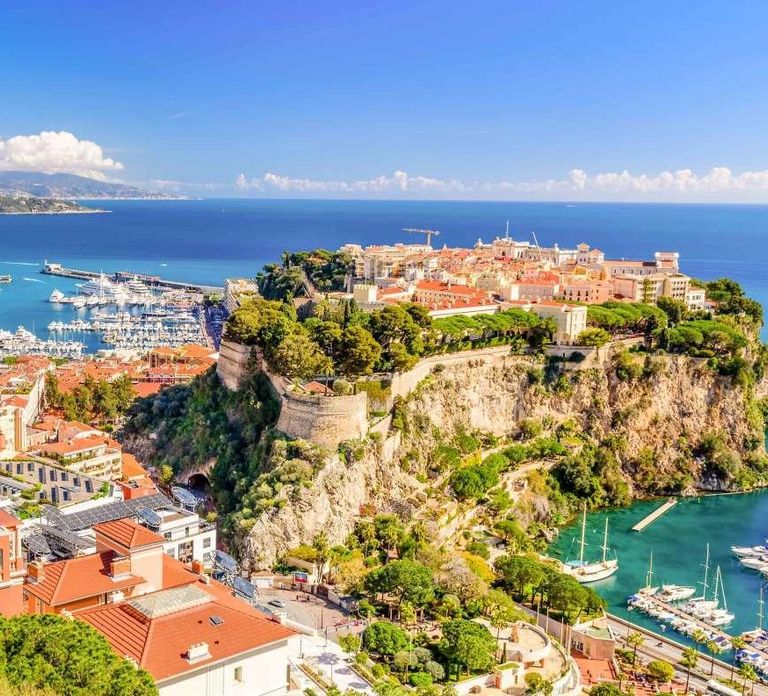
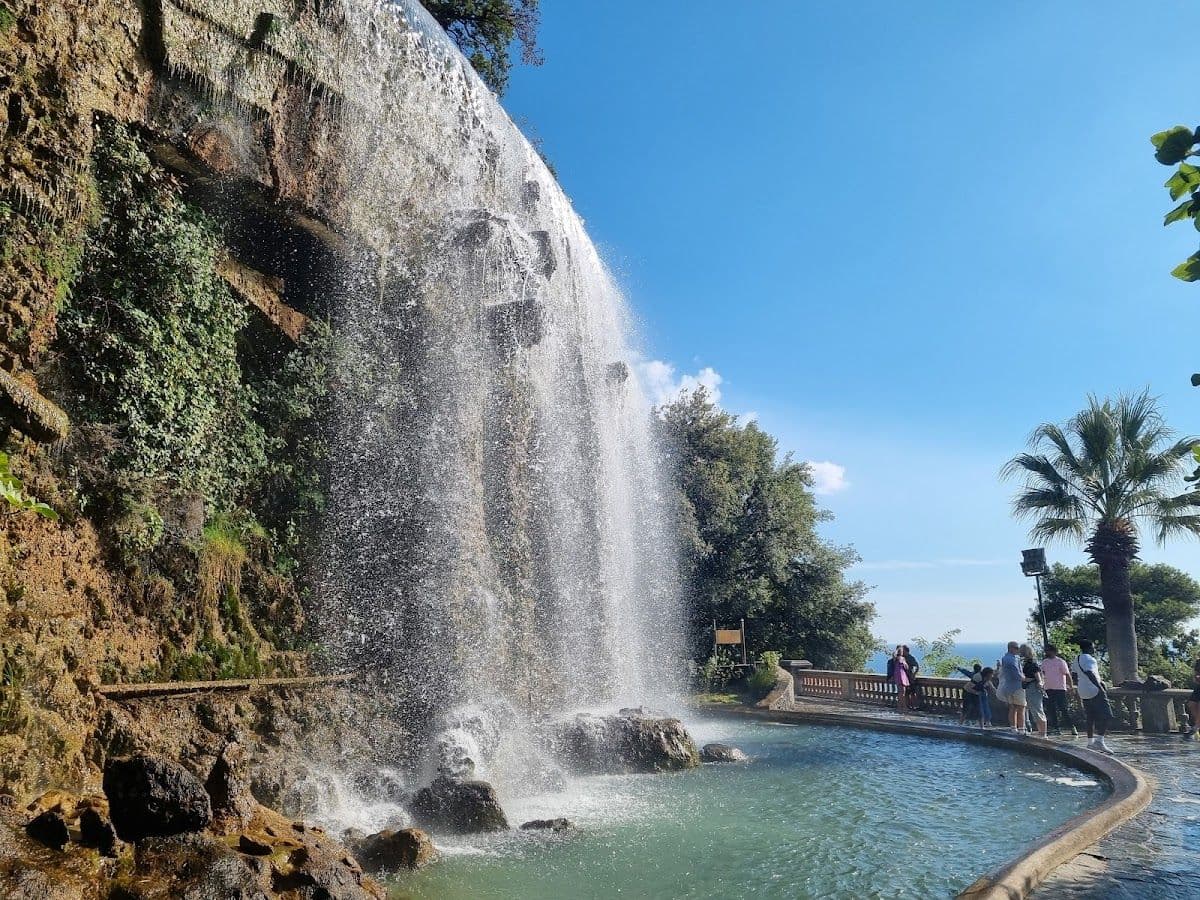
The Promenade des Anglais is the obvious starting point. The seven-kilometre seafront walk is best experienced early in the morning before the crowds arrive. Castle Hill (Colline du Château) offers the best panoramic views in the city and is free to access, either by climbing the stairs or taking the lift from the eastern end of the Promenade.
For a structured introduction to the Old Town and its history, the Nice Old Town and Castle Hill: Guided Cultural Walking Tour provides context that is easy to miss when exploring independently.
The Musée Matisse and the Musée National Marc Chagall are both within walking distance of each other in the Cimiez neighbourhood and represent two of the finest single-artist collections in Europe. Entry to both is inexpensive.
For day trips, the options are exceptional. The Èze, Monaco and Monte Carlo Afternoon Tour from Nice covers three very different destinations in one efficient afternoon. Alternatively, the From Nice: The Best of the French Riviera Full Day Tour takes in Cannes, Antibes, and Monaco in a single day, which is a practical way to cover the coast if your time is limited.
If you want something more unusual, the Nice: Sunset & Wine Tasting in Defender with Panoramic Views is a distinctive evening experience that takes you into the hills above the city in a vintage 4x4 with local wines and views that are difficult to match.
Where to Eat
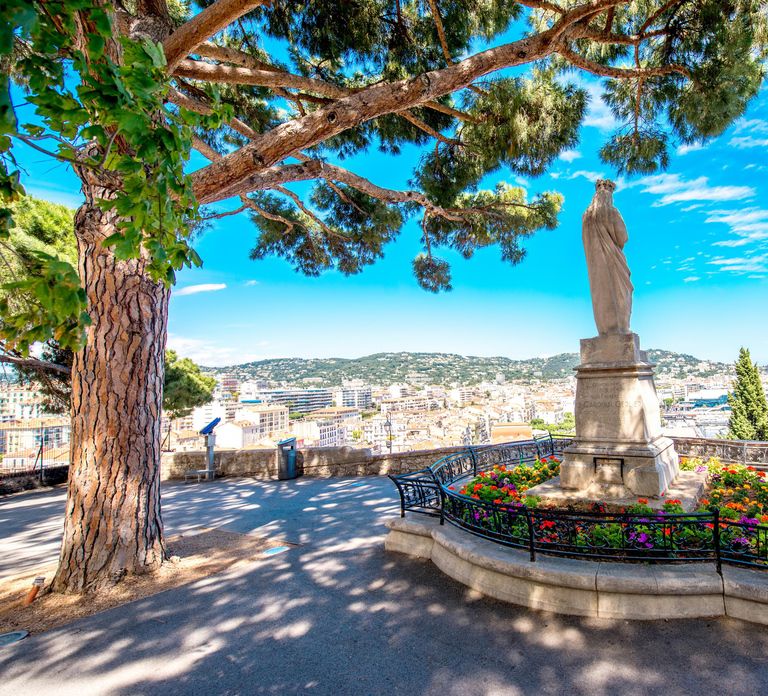
Nice has its own distinct cuisine that sits apart from the rest of France. Socca, a thin chickpea pancake cooked in a wood-fired oven, is the essential street food and is best eaten at Chez René Socca in the Old Town. Pan bagnat, a tuna and olive oil sandwich, is the local answer to a packed lunch.
The Cours Saleya market runs every morning except Monday and is the best place to buy local produce, olives, and flowers. Several market stalls serve food directly.
For a proper sit-down meal, the streets around Place Garibaldi have a good concentration of restaurants that cater more to locals than tourists. Budget around €15 to €25 for a main course at a mid-range restaurant. The Old Town has plenty of options at lower price points, though quality varies.
Budget Expectations
Nice sits in the middle of the European cost spectrum. It is more expensive than cities in southern Spain or Portugal but significantly cheaper than Paris or London. A comfortable mid-range trip, including a decent hotel, two meals a day, and activities, will cost roughly €150 to €220 per person per day. Budget travellers staying in hostels and eating at markets can manage on €60 to €80 per day. The city becomes noticeably more expensive in July and August when accommodation prices can double.
Insider Tips
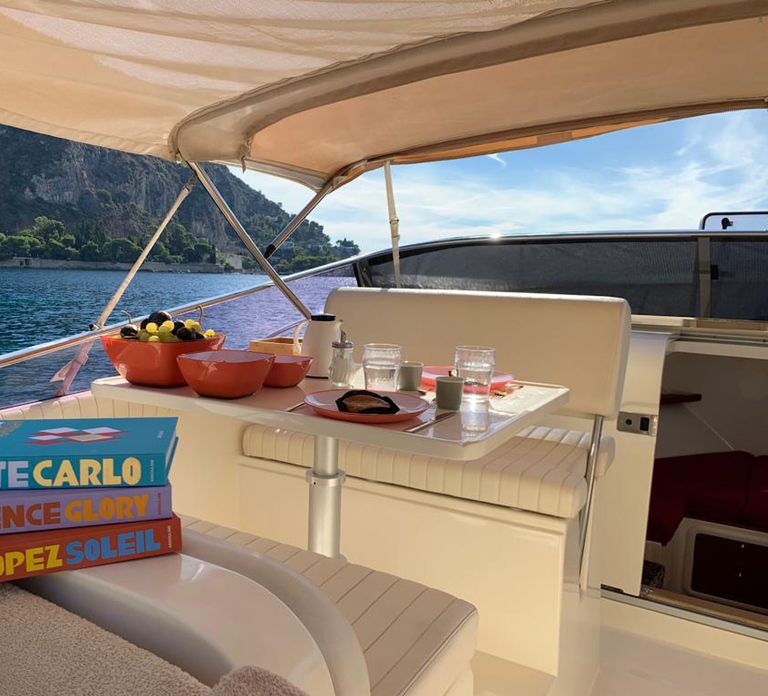
First, the public beaches in Nice are pebbly rather than sandy, which surprises many visitors. If you want sand, you need to travel to Antibes or Juan-les-Pins. That said, the pebble beaches are clean and the water is clear.
Second, the train along the coast is dramatically underused by tourists. The Marseille to Ventimiglia line stops at Antibes, Cannes, Monaco, and Èze-sur-Mer, among others. A return ticket to Monaco costs around €8 and the journey takes 20 minutes. It is faster than driving and far cheaper than any organised transfer.
Third, Tuesday is the one day when the Cours Saleya market switches from produce to antiques and bric-a-brac. It is a completely different atmosphere and worth visiting even if you have no intention of buying anything.
Final Thoughts
Nice rewards travellers who look beyond the obvious. The seafront and the Old Town are genuinely worth your time, but the city also has a depth of culture, food, and access to the wider region that makes it one of the most versatile bases on the Mediterranean. Whether you spend your days in the museums, on a guided tour of the coast, or simply working through the market stalls with a paper cone of socca, it consistently delivers.