Nagoya on a Budget: How to See the Best Without Overspending
By Matt Cuckston, Founder & Travel Technology Expert at TixLayer
Nagoya often gets overlooked in favor of Japan's more famous cities, but that's exactly what makes it such a rewarding destination for cost-conscious travelers. This Nagoya travel guide is built around one core idea: you don't need to spend big to have an exceptional trip. From free shrines and parks to some of the cheapest filling meals in Japan, here's how to make every yen count.
Free and Low-Cost Attractions
Some of the most memorable experiences in the city cost nothing at all.
Nagoya Castle Grounds are free to walk around, even if you pay a small fee to enter the main keep. The surrounding Ninomaru Garden is open to the public and especially beautiful during cherry blossom and autumn foliage seasons.
Atsuta Shrine is one of Japan's most important Shinto shrines and admission is completely free. The forested grounds are peaceful and expansive, and the treasure house has a modest entry fee if you want to go deeper into the history.
Osu Kannon Temple and Shopping Arcade is another free stop. The temple itself takes only minutes to visit, and the covered arcade stretching out from it is great for window shopping, people-watching, and picking up affordable snacks.
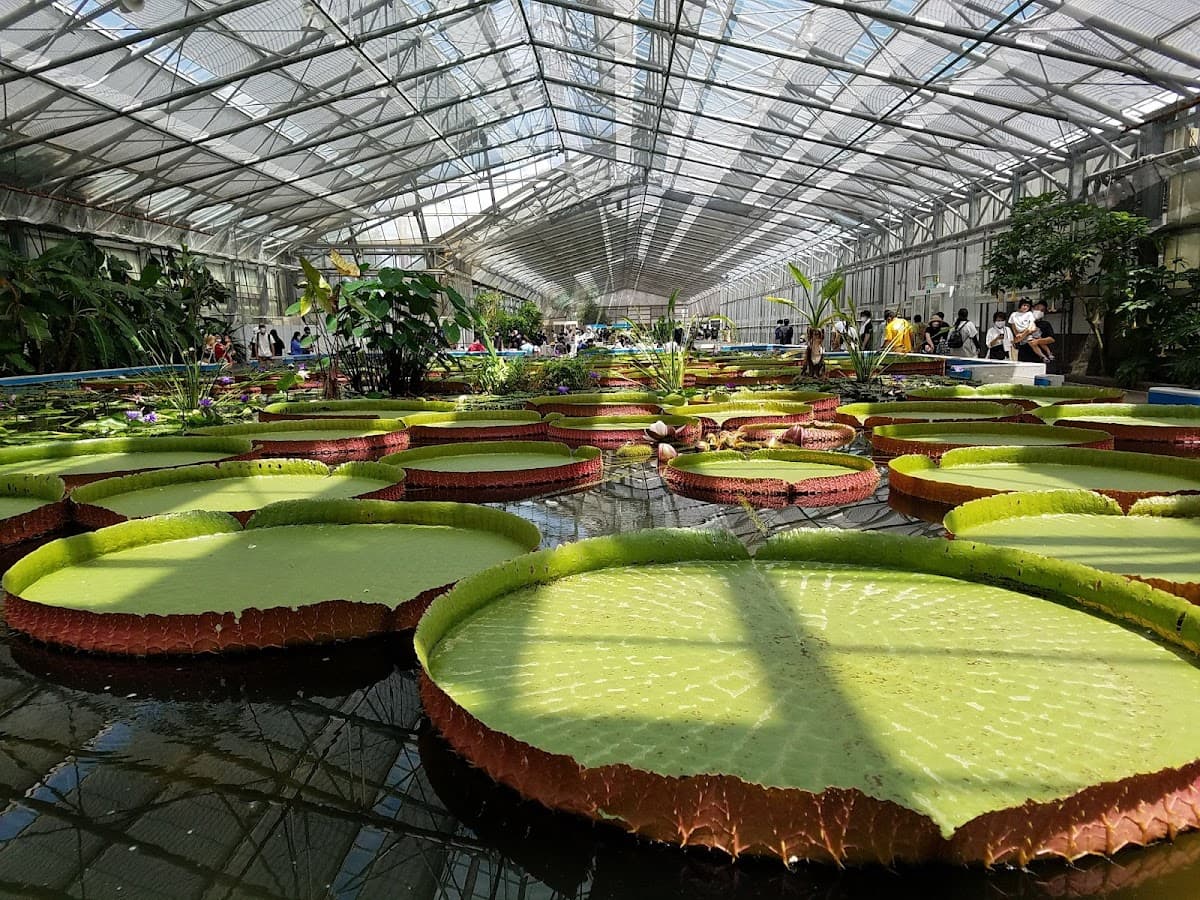
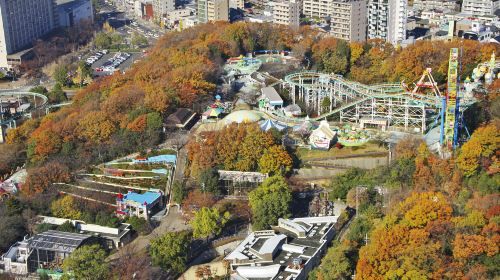
For families or wildlife lovers, Higashiyama Zoo and Botanical Gardens offers excellent value with combined access to both the zoo and gardens at a single affordable admission price. It's one of the better-value ticketed attractions in the area.
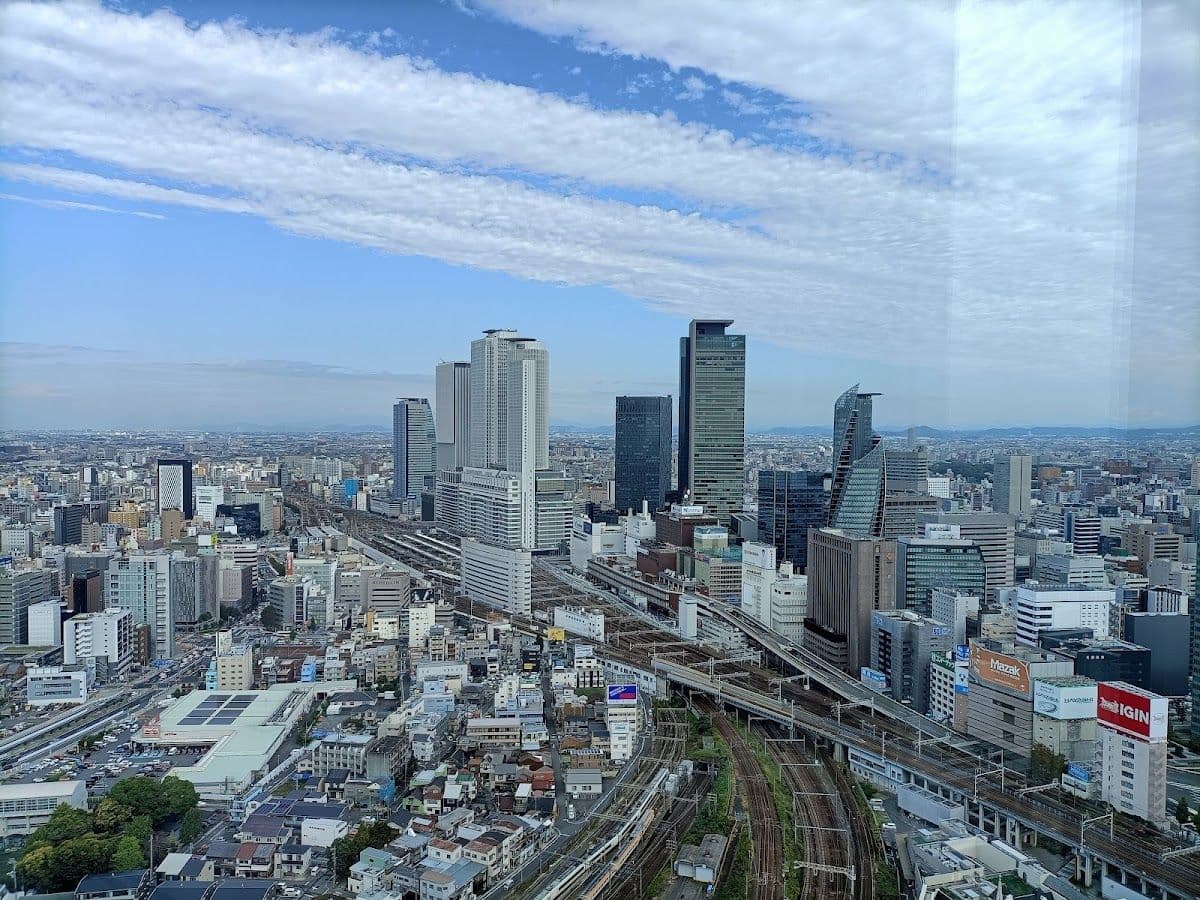
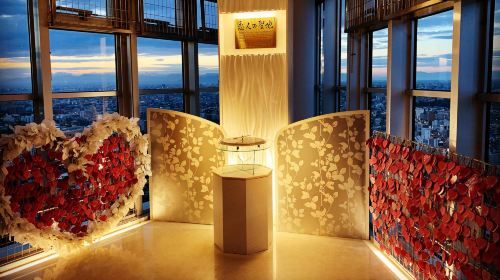
If you want to see the city from above without paying a premium, the Higashiyama Sky Tower has reasonably priced observation deck access and is conveniently located right next to the zoo, making it easy to combine both into one outing.
Getting Around Without Overspending
Transport can quietly drain a travel budget if you're not paying attention. Here's how to keep costs down.
Use the subway and buses strategically. The Nagoya Municipal Subway is clean, reliable, and well-connected. If you're planning a full day of sightseeing, the one-day pass (available for both subway-only or combined subway and bus) offers solid savings over paying per ride.
Walk when it makes sense. The downtown area around Sakae, Fushimi, and Nagoya Station is walkable. Skipping a short subway hop here and there adds up over a multi-day trip.
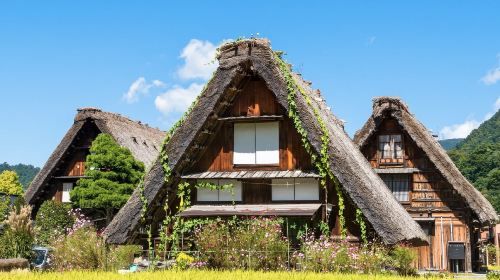
Book day tours in advance for outlying destinations. If you want to visit places like Shirakawa-go or Takayama from the city, a group tour is almost always cheaper than piecing together transport on your own. The Japan Nagoya Shirakawa-go + Hida Takayama One-Day Tour bundles transport and guiding into one straightforward cost, which removes a lot of the logistical headache and expense of going independently.
Eating Well for Less
Nagoya has its own distinct food culture, and much of it is surprisingly affordable.
Miso katsu is the dish most associated with the city. You can find it at mid-range restaurants for around 1,000 to 1,500 yen, but convenience stores and food courts often have budget versions for far less.
Morning service (morningu) is a local institution. Many coffee shops offer free toast, a boiled egg, and sometimes a small salad with the price of a morning coffee. It's one of the best travel hacks specific to this region and a genuinely enjoyable way to start the day.
Depachika (department store basement food halls) are worth visiting in the late afternoon when many vendors discount prepared foods and bento boxes before closing. The basement levels of Matsuzakaya and Takashimaya near Nagoya Station are particularly well-stocked.
Teishoku set meals at local restaurants typically include rice, miso soup, a main dish, and pickles for 800 to 1,200 yen. Look for small lunch spots away from the main tourist corridors for the best prices.
Where to Splurge
Budget travel doesn't mean skipping everything. Some experiences are worth the extra cost.
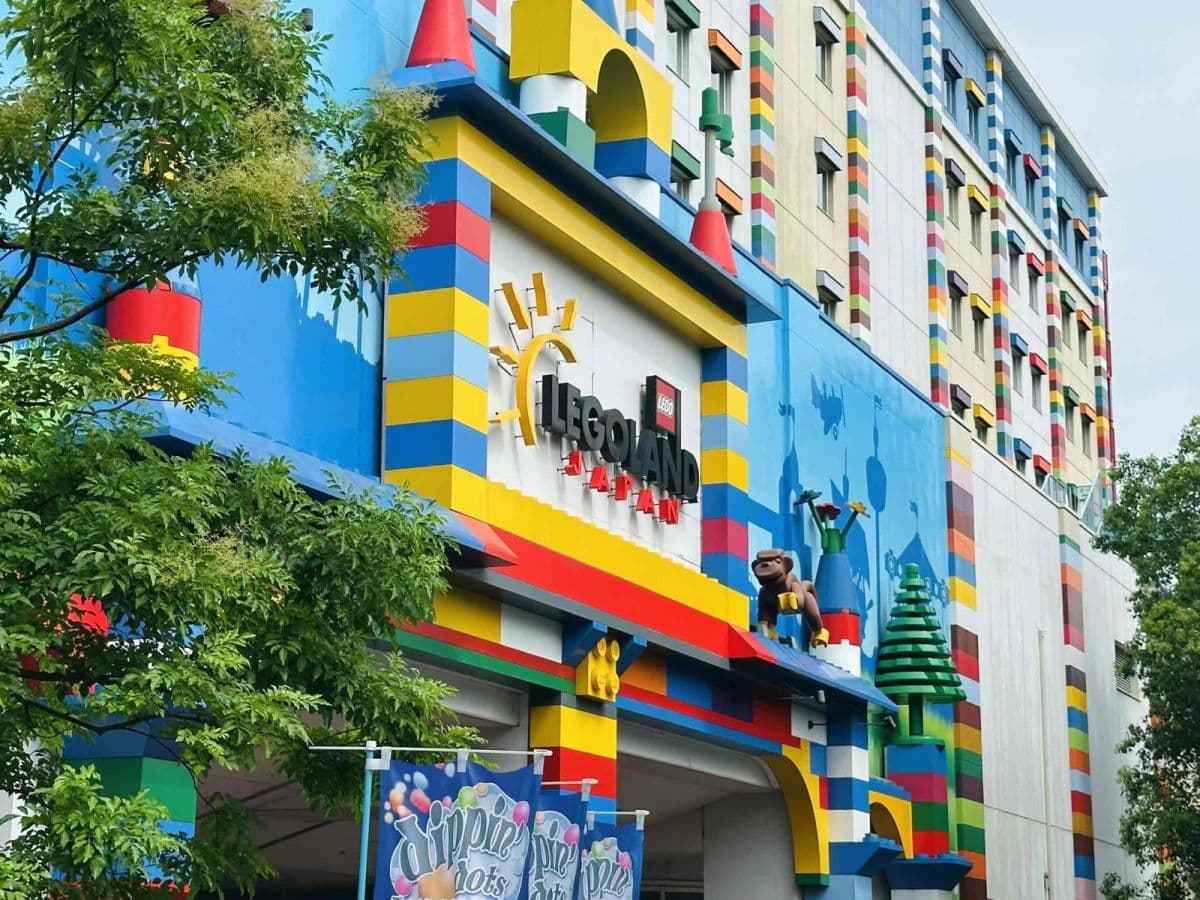
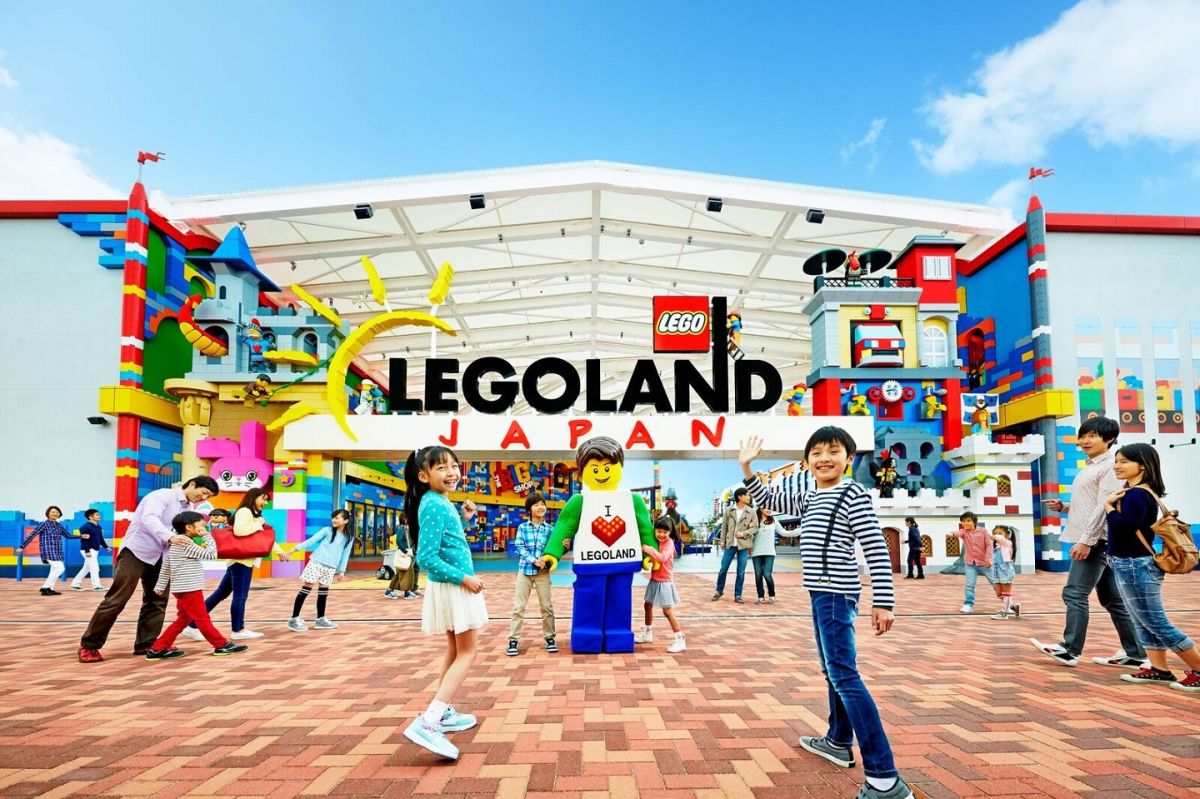
If you're traveling with children, Legoland Japan is a full-day attraction that delivers real value for families. Tickets aren't cheap, but booking through TixLayer in advance often secures better rates than buying at the gate.
For a cultural splurge that photographs beautifully, a Kyoto Kimono Rental at KYOKOMACHI is a worthwhile treat. Wearing a kimono while exploring historic streets adds a layer to the experience that stays with you long after the trip.
Practical Money Tips for Nagoya
Carry cash. Japan remains heavily cash-dependent. While more places now accept cards, smaller restaurants, shrines, and local shops often don't. Withdraw yen from 7-Eleven ATMs, which reliably accept foreign cards with reasonable fees.
Avoid taxis. Taxis in Japan are expensive across the board. The subway and bus system covers almost everywhere you'll want to go.
Buy a prepaid IC card. A Manaca card (the local IC card) can be used on trains, subways, and buses across the region. It saves time and offers a small discount compared to buying individual tickets.
Book attractions online in advance. Many ticketed attractions offer discounts for online booking. Using a platform like TixLayer to pre-purchase tickets for things to do in Nagoya means you often pay less and skip queues.
Eat where locals eat. The closer you are to major train stations or tourist landmarks, the higher the markup. Walk two or three streets back and prices drop noticeably.
Final Thoughts
Nagoya rewards travelers who take the time to look beyond the obvious. The free shrines, low-cost transport, legendary cheap breakfasts, and range of well-priced attractions make it one of the more accessible cities in Japan for budget-minded visitors. Spend thoughtfully on the experiences that matter most to you, and you'll leave with a full itinerary and a healthy amount still left in your wallet.