Hawaii Travel Guide: Plan Your Perfect Trip
By Matt Cuckston, Founder & Travel Technology Expert at TixLayer
Few destinations in the world deliver the kind of immediate sensory impact that Hawaii does. The moment you step off the plane, the warm air, the scent of plumeria, and the sight of ridgeline mountains draped in green tell you that you are somewhere genuinely different. Whether you are searching for adventure, history, relaxation, or culture, the things to do in Hawaii span every interest and every budget. This guide is designed to help you plan a trip that goes beyond the postcard version and gets into the real detail of how to do it well.
Getting to Hawaii
Hawaii is a group of islands in the central Pacific Ocean, roughly 2,400 miles from the US mainland. The main international gateway is Daniel K. Inouye International Airport in Honolulu on Oahu. Direct flights operate from Los Angeles, San Francisco, Seattle, and other major US hubs, with flight times averaging five to six hours from the West Coast and around ten hours from the East Coast.
International travelers can fly direct from Tokyo, Sydney, Seoul, and several other Asian and Pacific cities. Fares vary considerably depending on the season. Booking eight to twelve weeks in advance typically gets you the best rates. Flying midweek is almost always cheaper than flying on a Friday or Sunday.
Getting Around
Each island has its own character and requires its own approach to transport.
On Oahu, the TheBus public transit system covers a surprising amount of ground and is genuinely useful for budget travelers. However, if you want to explore beyond Honolulu and Waikiki at your own pace, renting a car is the smarter option. Traffic around Honolulu can be slow during morning and evening rush hours, so plan accordingly.
On Maui, the Big Island, and Kauai, a rental car is essentially non-negotiable. Public transport on these islands is limited, and the most rewarding experiences require you to drive yourself to trailheads, beaches, and viewpoints that no shuttle will take you to.
Ride-share apps like Uber and Lyft operate on Oahu and Maui. Taxis are available at airports but expensive for longer journeys. Inter-island travel is done by plane, with Hawaiian Airlines and Mokulele Airlines offering frequent short-hop flights between islands.
When to Visit
Hawaii has two informal seasons: summer (April to October) and winter (November to March). Both have genuine appeal depending on what you are after.
April to June is widely considered the sweet spot. Crowds are lighter than peak summer, prices are more reasonable, humpback whales are still visible through April, and the weather is warm without being oppressively humid.
July and August are peak season. Families travel during school holidays, prices for flights and accommodation spike significantly, and popular spots like Waikiki Beach and the Road to Hana on Maui get genuinely crowded.
December to February brings the surf season to the North Shore of Oahu, with waves that can reach 30 feet and draw professional competitions. If watching big wave surfing is on your list, this is the time to go. Whale watching is also excellent from January through March, and you can book an Oahu: Waikiki Whale Watch Boat Tour to see humpback whales up close.
What to avoid: Hurricane season technically runs from June through November, though direct hits are rare. More practically, avoid the week of Christmas through New Year if you dislike crowds and inflated prices. Spring break in March also brings a noticeable surge in visitor numbers.
Best Areas to Stay
Waikiki, Oahu is where most first-time visitors land. It is convenient, walkable, and packed with restaurants, shops, and beach access. It is also the most commercial part of the islands, so if you want something quieter, look elsewhere.
Kailua, Oahu sits on the windward coast and offers a more relaxed, local atmosphere with some of the best beaches in the state. It is about 45 minutes from Honolulu but feels like a different world.
Lahaina and Kaanapali, Maui are the main visitor hubs on Maui's west side. Note that the 2023 wildfires caused significant damage to Lahaina, and while recovery is ongoing, the area continues to welcome visitors. Check current conditions before you go.
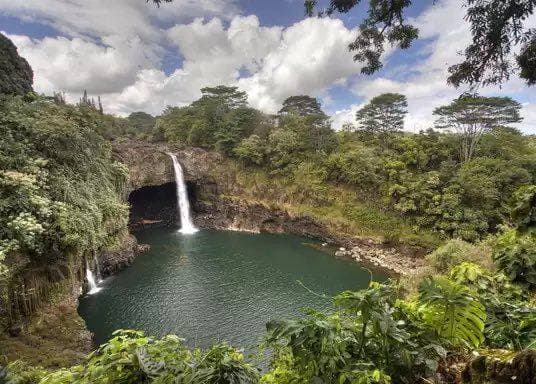
Hilo, Big Island is the rainier, greener side of the Big Island and is often overlooked in favor of the sunny Kohala Coast. It serves as a better base for visiting Hawaii Volcanoes National Park.
What to See and Do
No Hawaii travel guide would be complete without addressing the islands' most significant historical site. Pearl Harbor on Oahu draws over two million visitors a year, and for good reason. The Pearl Harbor USS Arizona Memorial Day Tours take you directly to the memorial that sits above the sunken battleship, where more than 1,100 sailors and marines remain entombed. It is a sobering and genuinely moving experience. The Pearl Harbor Aviation Museum is also worth a few hours, with restored aircraft and detailed exhibits covering the attack and the Pacific War.
For something more adventurous, Kualoa Ranch on Oahu's northeastern coast offers ATV tours, horseback riding, and ziplines across a 4,000-acre working cattle ranch. You will recognize the landscape from Jurassic Park, Kong: Skull Island, and several other major films shot on location here.
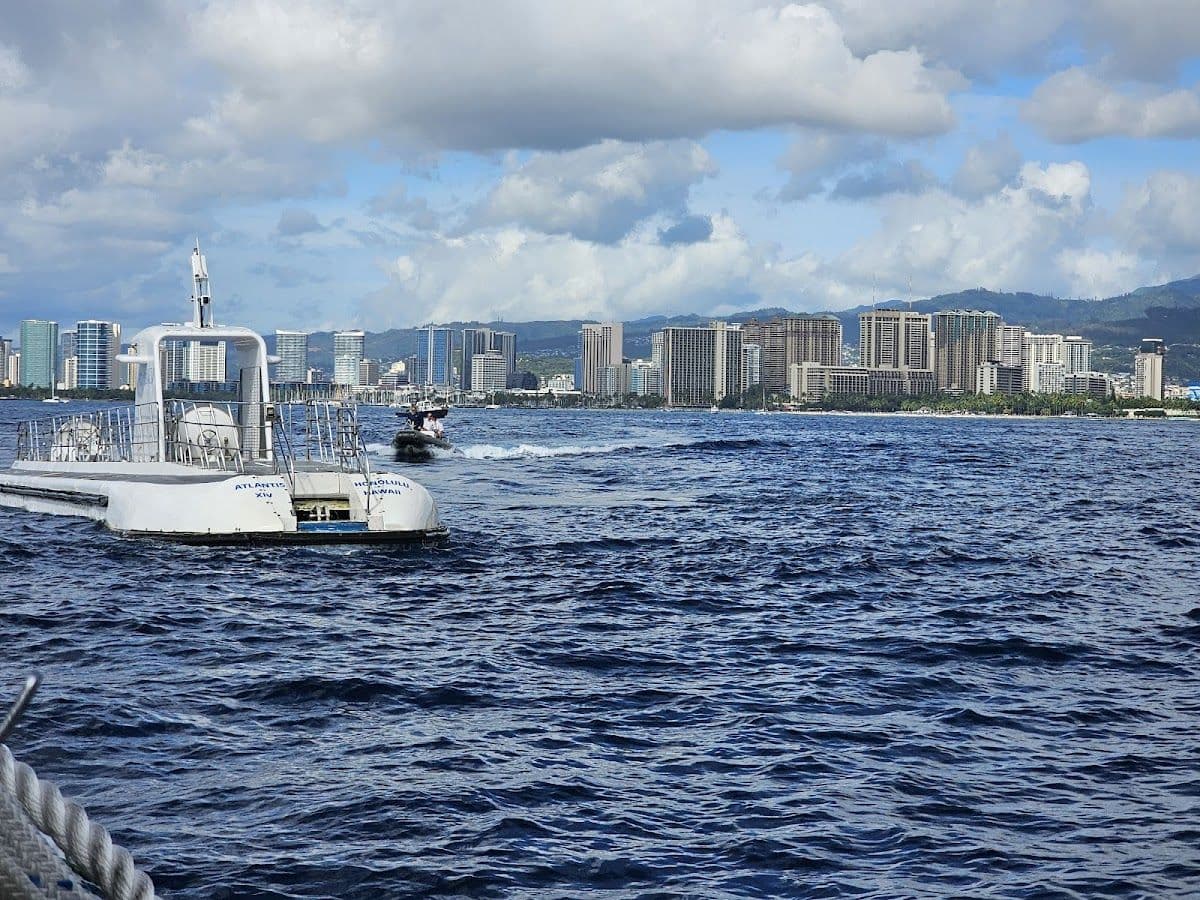
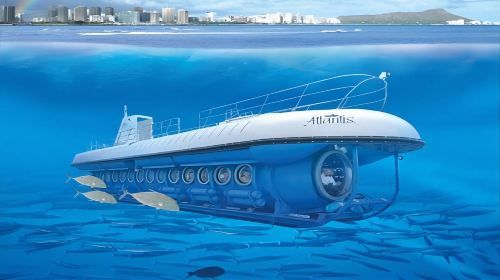
If you want to get out on the water, the Waikiki Glass Bottom Boat Cruise is a low-key but genuinely enjoyable way to see the marine life off Waikiki without getting wet. For something more active, Oahu: Waikiki Parasailing gives you a bird's-eye view of the coastline that no beach photo can replicate.
Beyond Oahu, Hawaii Volcanoes National Park on the Big Island is one of the most extraordinary landscapes in the United States. Kilauea is one of the most active volcanoes on earth, and depending on current activity, you may be able to see lava flows up close. Haleakala on Maui, where you watch the sunrise from above the clouds at 10,000 feet, is another experience that tends to stay with travelers long after they leave.
Where to Eat
Hawaiian food culture is a genuine reflection of the islands' history, blending Native Hawaiian, Japanese, Chinese, Filipino, Korean, and Portuguese influences.
For a quick and affordable meal, plate lunch spots serve rice, macaroni salad, and a protein for around $12 to $15. Look for local spots rather than mall food courts. Shave ice is everywhere and worth trying from a proper local shop rather than a tourist stand.
For seafood, poke bowls have become globally famous but are far better in Hawaii than anywhere else. Fresh ahi tuna, limu seaweed, and kukui nut are the real deal. Farmers markets, particularly the KCC Farmers Market at Diamond Head on Oahu, are excellent for local fruit, pastries, and prepared food at fair prices.
High-end dining in Hawaii is genuinely excellent, particularly on Maui, where several restaurants have received national recognition. Budget around $80 to $150 per person for a proper dinner with drinks at a top-tier restaurant.
Budget Expectations
Hawaii is an expensive destination by any measure. Accommodation in Waikiki starts at around $200 per night for a basic hotel and climbs quickly from there. Vacation rentals on quieter islands can offer better value for families or groups.
A mid-range daily budget for one person, covering accommodation, meals, a rental car, and one or two activities, sits around $300 to $400. Budget travelers staying in hostels, cooking some meals, and sticking to free beaches and hikes can get by on $150 to $200 per day. There is no real budget version of Hawaii, but there are ways to manage costs if you plan ahead.
Insider Tips
Book Pearl Harbor early. Free tickets to the USS Arizona Memorial boat tour are released 60 days in advance and sell out quickly, especially in peak season. If you miss the free option, a guided tour is a reliable alternative and often includes additional sites.
The best snorkeling is not always at the most famous spots. Hanauma Bay on Oahu is well-managed and genuinely good, but it requires advance reservations. On the Big Island, Two Step near Honaunau and Kahaluu Beach Park near Kona offer excellent snorkeling with far fewer crowds and no booking required.
Sunrise experiences are worth the early alarm. The 3-hour Hawaii Sunrise Tour at Sandy Beach and Makapu'u Lookout on Oahu shows you a side of the island that most visitors who sleep in never see. The light, the quiet, and the views at that hour are genuinely different from anything you will experience mid-morning.
Practical Tips
- Reef-safe sunscreen is required by law in Hawaii. Standard chemical sunscreens containing oxybenzone or octinoxate are banned. Pack mineral sunscreen before you travel.
- Tipping culture follows mainland US norms: 18 to 20 percent at restaurants, a few dollars per bag for hotel porters.
- Cell coverage is good on Oahu and most tourist areas but can drop off on remote roads on Kauai and the Big Island. Download offline maps before you head out.
- Respect the land. The concept of malama aina, caring for the land, is central to Hawaiian culture. Stay on marked trails, do not touch coral, and follow posted rules at natural sites.
Hawaii rewards travelers who take the time to plan properly and look beyond the most obvious itineraries. The islands have a depth of culture, landscape, and history that takes more than one trip to fully appreciate, and most people who visit once find themselves already planning a return.