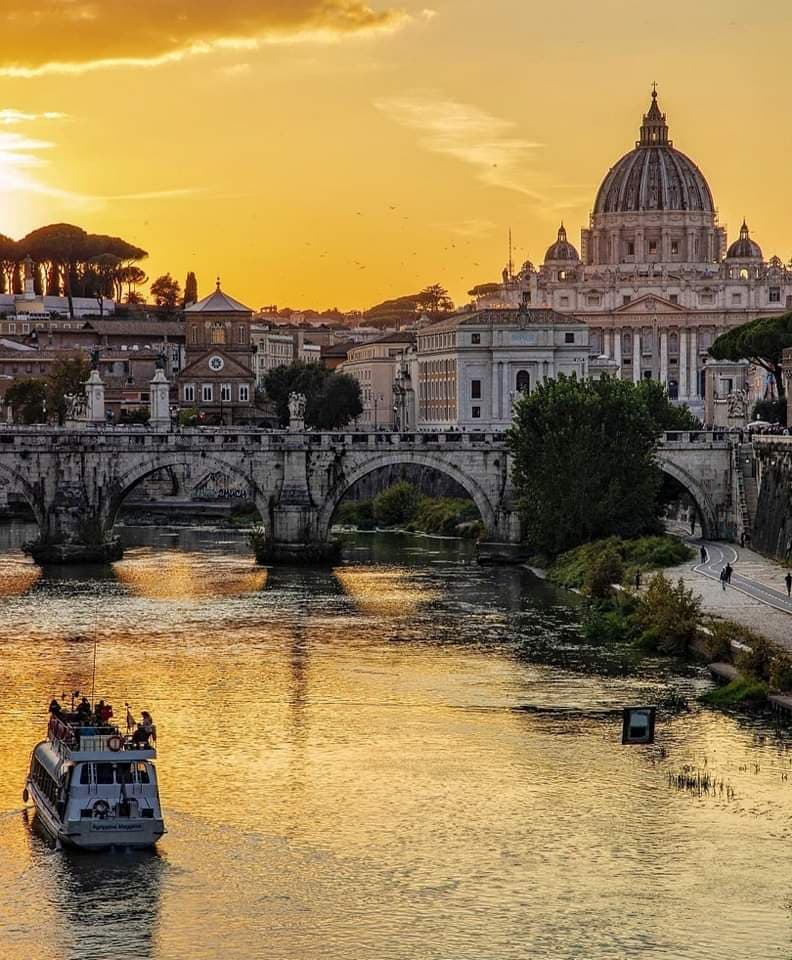
로마는 빈속에 마시는 더블 에스프레소처럼 강렬하고, 정신을 번쩍 들게 하며, 절대 빼놓을 수 없는 도시입니다. 영원의 도시를 수없이 방문하며 깨달은 점은, 로마는 미리 예약해야 할 때와 그저 자갈길을 따라 거닐어야 할 때를 아는 준비된 여행자에게 보답한다는 것입니다.
방문하기 좋은 시기
로마의 매력은 잘 짜인 오페라처럼 계절에 따라 변화합니다. 4월에서 6월은 온화한 기온과 고대 성벽을 타고 흐르는 등나무 꽃, 그리고 적당한 인파가 어우러진 최고의 여행 시기입니다. 10월 역시 트래버틴 파사드를 비추는 황금빛 햇살과 걷기 좋은 날씨 덕분에 마법 같은 분위기를 자아냅니다.
여름은 관광을 고행으로 만들 수 있는 무더위가 찾아옵니다. 8월이 되면 현지인들은 도시를 떠나고, 관광객들은 35°C의 더위와 치솟은 물가와 싸워야 합니다. 꼭 여름에 방문해야 한다면 로마의 리듬을 따르세요. 이른 아침에 탐험하고, 오후에는 낮잠을 즐기며, 도시가 활기를 띠는 저녁에 산책하는 것입니다.
겨울은 많은 방문객에게 놀라움을 선사합니다. 가끔 내리는 비가 거리를 적시기도 하지만, 주요 명소를 거의 독차지할 수 있습니다. 로마의 크리스마스는 바티칸의 성탄 구유와 반짝이는 조명이 도시를 펠리니 영화 속 한 장면처럼 바꿔놓아 매우 환상적입니다.
방문 시 참고하면 좋은 주요 축제:
- Estate Romana (6월-9월): 야외 영화 상영 및 콘서트
- Romaeuropa Festival (9월-11월): 현대 예술 축제
- White Night (10월): 박물관 새벽까지 개방
- La Lunga Notte dei Musei (5월): 국립 박물관 €1 입장
가는 방법 및 교통
로마로 가는 항공편은 피우미치노(FCO)와 참피노(CIA) 공항 중 선택할 수 있습니다. 피우미치노는 대부분의 국제선 항공편을 처리하며 레오나르도 익스프레스를 통해 테르미니역까지 32분(€14) 만에 연결됩니다. 참피노는 저가 항공사가 주로 이용하며 시내까지 버스로 이동 후 지하철로 환승해야 합니다.
로마에 도착하면 두 발이 가장 좋은 친구가 됩니다. 역사 지구는 놀라울 정도로 밀집되어 있어 스페인 계단에서 콜로세움까지 25분이면 걸어갈 수 있습니다. 지하철은 3개 노선뿐이며, 장거리 이동에는 유용하지만 고고학적 제약으로 인해 중심부에서는 이용이 제한적입니다.
로마의 대중교통:
- 지하철: 노선은 제한적이지만 주요 지역을 연결
- 버스: 광범위한 네트워크를 갖췄으나 교통 체증이 심할 수 있음
- 트램: 트라스테베레를 지나는 트램 8번 등 경치 좋은 노선
- Roma Pass: 교통편과 박물관 입장이 포함된 48/72시간 패스
택시는 비싸지만 공항 이동이나 늦은 밤 귀가 시 필수적입니다. 항상 미터기가 있는 공식 흰색 택시를 이용하세요. MyTaxi 같은 앱도 유용합니다.
숙박 추천
Centro Storico는 고대 로마의 심장부에 위치합니다. 문밖을 나서면 바로 판테온을 만날 수 있지만, 높은 가격과 관광객 인파는 감수해야 합니다. 중세 시대의 미로 같은 거리는 특히 단체 관광객이 도착하기 전 이른 아침에 마법 같은 분위기를 자아냅니다.
Trastevere는 자갈길, 담쟁이덩굴로 덮인 건물, 환상적인 레스토랑이 어우러진 보헤미안적인 매력을 선사합니다. 밤에는 로마인들의 저녁 유흥으로 다소 시끄러울 수 있지만, 그만큼 진정한 동네 분위기를 느낄 수 있습니다.
Campo de' Fiori 지역은 낮에는 시장의 활기가, 밤에는 바 호핑의 즐거움이 가득합니다. 주요 명소까지 걸어서 이동할 수 있으면서도 진정한 로마의 동네에 머무는 느낌을 줍니다.
테르미니역 근처는 저렴한 숙소와 교통 연결이 편리하지만, 분위기가 다소 기능적이고 덜 매력적입니다. 짧은 일정이나 다른 이탈리아 도시로 빠르게 이동할 계획이라면 좋습니다.
Prati (바티칸 시국 근처)는 관광객보다는 현지인이 즐겨 찾는 훌륭한 레스토랑이 많은 우아한 주거 지역입니다. 고대 로마의 혼잡함에서 약간 떨어져 있어 더 조용하고 세련된 느낌을 줍니다.
Aventine Hill은 울창한 거리와 멋진 도시 전망을 갖춘 뜻밖의 평온함을 제공합니다. 비밀스러운 로마를 발견한 듯한 기분을 느낄 수 있지만, 주요 명소까지는 걷거나 버스를 이용해야 합니다.
음식 추천
로마 요리는 단순함을 추구합니다. 몇 가지 완벽한 재료가 수 세기 동안 현지인들의 입맛을 사로잡아 온 마음 따뜻해지는 요리로 변신합니다.
로마 필수 요리:
Cacio e Pepe – 말 그대로 '치즈와 후추'를 뜻하며, 로마식 맥앤치즈를 예술의 경지로 끌어올린 요리입니다. 파스타 삶은 물, 페코리노 로마노 치즈, 흑후추로 만든 실크 같은 소스가 핵심입니다. 몬티의 Da Enzo al 29나 테스타초의 Flavio al Velavevodetto에서 맛보세요.
Carbonara는 계란, 관찰레(돼지 볼살), 페코리노 로마노, 흑후추로 만들며 크림은 절대 들어가지 않습니다. Checchino dal 1887과 Da Valentino가 정석적인 맛을 선보입니다.
Amatriciana는 토마토, 관찰레, 페코리노가 완벽한 조화를 이룹니다. 현지인들이 줄을 서서 먹는 테스타초의 Da Bucatino를 추천합니다.
Supplì – 모짜렐라 치즈가 녹아있는 튀긴 쌀 크로켓으로, 완벽한 길거리 간식입니다. 판테온 근처의 Supplizio는 이 소박한 음식을 미식 수준으로 끌어올렸습니다.
Maritozzo는 로마의 아침 식사 빵으로, 달콤한 빵 속에 휘핑크림이 가득 채워져 있습니다. 에스퀼리노의 Regoli는 1916년부터 이 디저트를 완벽하게 만들어오고 있습니다.
진정한 맛을 찾으려면:
- Testaccio: 많은 고전 요리를 탄생시킨 도축장 노동자들의 동네이자 로마의 전통 미식가 거리
- Trastevere: 관광객이 많지만 Da Enzo 같은 숨은 맛집이 있는 곳
- Monti: 전통 트라토리아와 혁신적인 식당이 공존하는 힙한 동네
- Mercato Centrale: 지역 특산물을 선보이는 고급 푸드 홀
젤라토의 경우, 형광색의 관광객용 가게는 피하세요. 1900년부터 운영된 Giolitti, 판테온 근처의 Il Gelato, 창의적인 맛을 선보이는 Fatamorgana가 진짜 맛집입니다.
주요 경험 및 명소
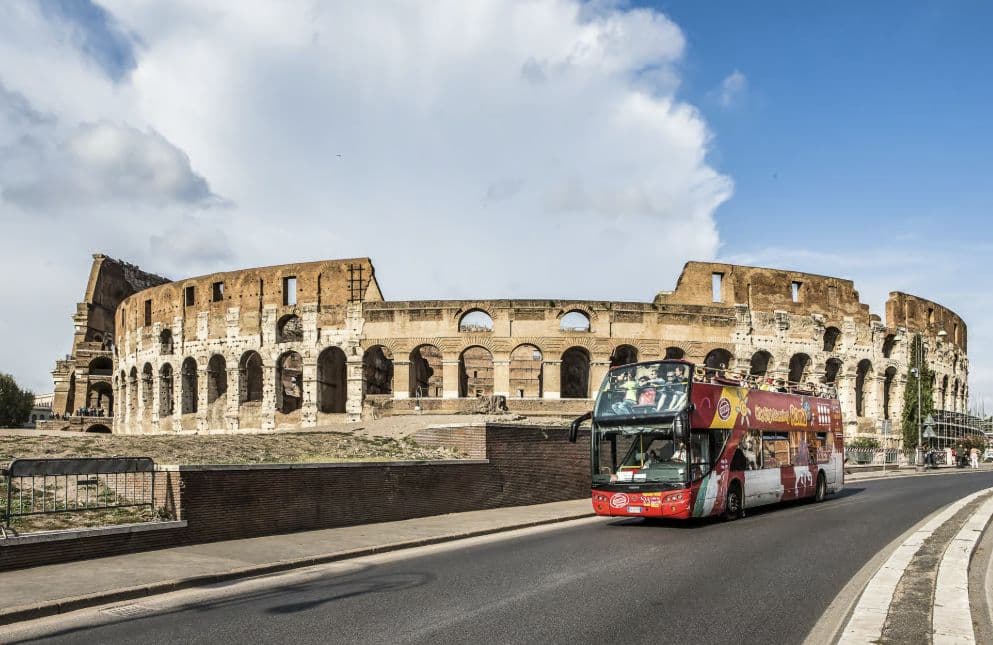
콜로세움은 경외심을 불러일으키는 곳입니다. 줄 서지 않는 티켓을 미리 예약하고, 경기장 바닥의 지지 구조를 극적으로 볼 수 있는 지하 투어를 고려해 보세요. 이른 아침이나 늦은 오후의 햇살은 고대 돌들을 순금처럼 빛나게 합니다.
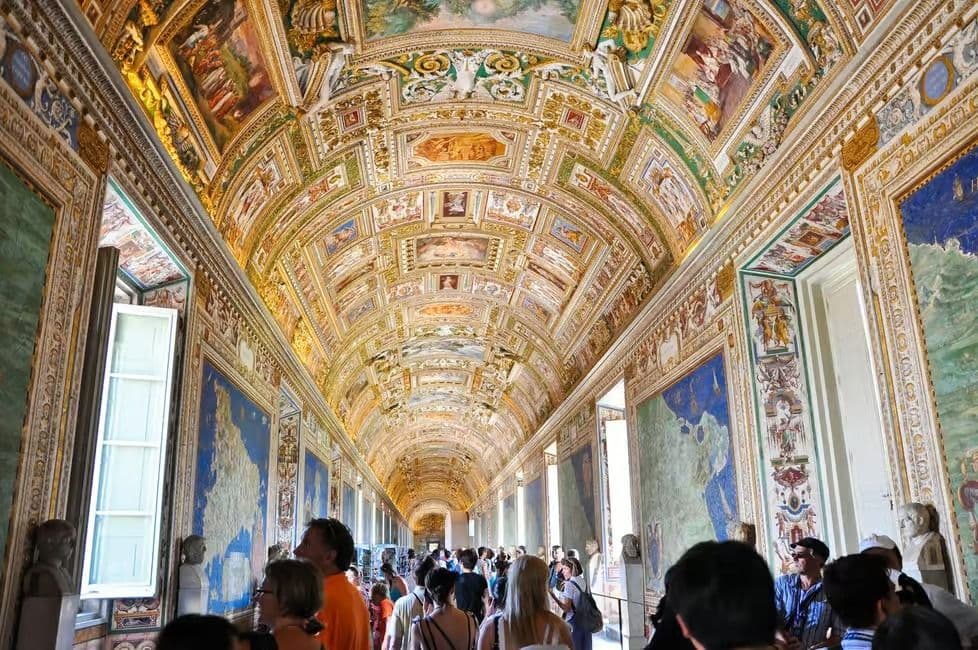
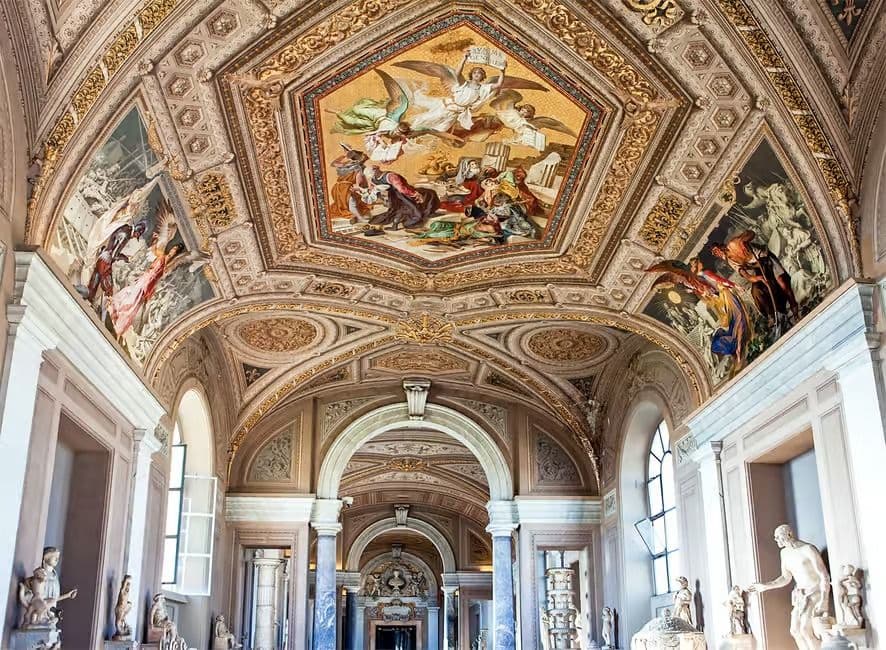
바티칸 박물관 및 시스티나 예배당은 전략적인 계획이 필요합니다. 온라인으로 시간 지정 티켓을 예약하고 일찍 도착하세요. 인파를 피하려면 아침 식사 포함 투어나 야간 투어를 고려하는 것이 좋습니다. 교황의 아파트와 라파엘로의 방은 미켈란젤로의 천장화만큼이나 주목할 가치가 있습니다.
로마 포룸 및 팔라티노 언덕은 고대 로마의 정치적 심장부로 여러분을 안내합니다. 오디오 가이드를 대여하거나 투어에 참여하세요. 배경지식 없이는 유적지가 그저 예쁜 돌덩이에 불과할 수 있습니다. 팔라티노 언덕에서는 뜻밖의 정원과 포룸의 장관을 감상할 수 있습니다.
판테온은 여전히 세계에서 가장 큰 무근 콘크리트 돔으로, 무료입장이 가능하며 언제나 놀라운 모습을 자랑합니다. 비 오는 날 오큘러스로 떨어지는 빗물을 보거나, 빛줄기가 극적으로 움직이는 시간에 맞춰 방문해 보세요.
트라스테베레 산책은 로마의 진정한 성격을 드러냅니다. 중세 거리를 헤매고, 빨래가 널린 안뜰을 엿보고, 동네 바에서 아페리티보를 즐겨보세요.
빌라 보르게세는 멋진 갤러리아 보르게세(사전 예약 필수)와 핀초 테라스의 파노라마 전망을 갖춘 녹색 안식처를 제공합니다.
지하 로마는 많은 방문객을 매료시킵니다. 산 클레멘테 성당은 로마 역사의 3개 층을 보여주며, 카타콤은 으스스한 초기 기독교 매장지를 제공합니다.
비용 절약 팁
무료 명소로는 판테온, 귀중한 예술품이 있는 수십 개의 성당, 그리고 건축과 도시 설계의 교과서 같은 로마 거리를 걷는 것 등이 있습니다.
Roma Pass (€28.50/48시간, €38.50/72시간)는 대중교통 이용과 2개 명소의 우선 입장, 기타 명소 할인 혜택을 포함합니다. 콜로세움과 주요 박물관 한 곳만 방문해도 본전을 뽑을 수 있습니다.
아페리티보 문화는 음료를 구매하면 저녁 식사 분량의 무료 음식을 제공합니다(보통 오후 6-8시). 판테온 근처의 Salotto 42와 트라스테베레의 바들이 훌륭한 가성비를 자랑합니다.
시내 곳곳의 식수대(nasoni)는 신선하고 마실 수 있는 물을 제공합니다. 물병을 챙겨 다니며 수분을 보충하고 돈도 절약하세요.
점심 메뉴는 많은 레스토랑에서 저녁보다 더 나은 가성비를 제공합니다. 로마인들은 어차피 점심을 푸짐하게 먹으므로 현지 관습을 따르는 셈입니다.
무료 박물관의 날이 매달 있으니 각 박물관 웹사이트에서 일정을 확인하세요.
피해야 할 흔한 실수
주요 관광지 근처에서 식사하지 마세요. 그런 식당들은 품질이 아닌 위치로 살아남습니다. 5분만 걸어 나가면 더 좋은 음식과 가격을 만날 수 있습니다.
로마에서 운전하지 마세요. 교통 체증과 몇 달 뒤 날아올 ZTL(교통 제한 구역) 벌금을 즐기는 것이 아니라면 말이죠. 로마 역사 지구는 대부분 보행자 전용입니다.
시스티나 예배당에 가려고 바티칸 박물관을 서둘러 지나치지 마세요. 수천 년간 수집된 예술품으로 가득 찬 놀라운 방들을 놓치게 됩니다.
콜로세움 주변의 마차는 피하세요. 경험에 아무런 도움이 되지 않는 비싼 관광객용 함정입니다.
성당에 반바지나 민소매를 입고 가지 마세요. 많은 곳에서 복장 규정을 시행하며, 종이 덮개를 제공하는데 이는 누가 봐도 '관광객'임을 알리는 꼴입니다.
여러 언어로 된 관광객용 메뉴가 있는 식당은 피하세요. 진정한 로마 식당은 이탈리아어 메뉴판을 사용하며, 직원들이 기꺼이 요리를 설명해 줍니다.
추천 3일 일정 개요
1일차: 고대 로마
오전에는 콜로세움과 로마 포룸(줄 서지 않는 티켓 예약), 오후에는 팔라티노 언덕 탐험, 저녁에는 몬티 지역에서 저녁 식사와 와인을 즐기세요.
2일차: 바티칸 및 Centro Storico
이른 아침 바티칸 박물관 및 시스티나 예배당, 오후에는 판테온에서 캄포 데 피오리를 거쳐 트라스테베레까지 산책, 저녁에는 강 건너편에서 아페리티보와 저녁 식사를 즐기세요.
3일차: 로마의 삶
오전에는 빌라 보르게세와 갤러리아 보르게세, 오후에는 스페인 계단과 비아 델 코르소 주변 쇼핑, 핀초 테라스에서 일몰 감상, 저녁에는 캄포 데 피오리의 밤 문화를 탐험하세요.
이 일정은 꼭 봐야 할 명소와 진정한 로마의 경험 사이의 균형을 맞춘 것입니다. 관심사와 체력 수준에 따라 조정하세요. 로마는 꼼꼼한 계획과 즉흥적인 발견 모두에 보답하는 도시이니, 이 영원히 매혹적인 도시와의 예상치 못한 만남을 위해 여유를 남겨두세요.