Reiseführer Bordeaux: Planen Sie Ihre perfekte Reise
Von Matt Cuckston, Gründer & Experte für Reisetechnologie bei TixLayer
Nur wenige Städte in Frankreich verbinden Geschichte, Kulinarik und Kultur so mühelos wie Bordeaux. Egal, ob Sie zum ersten Mal nach Aktivitäten in Bordeaux suchen oder nach einem früheren Besuch zurückkehren, dieser Reiseführer bietet Ihnen eine gründliche und ehrliche Planungshilfe zu Transport, Stadtvierteln, saisonalen Empfehlungen und Erlebnissen, die man im Voraus buchen sollte.
Anreise nach Bordeaux
Der Flughafen Bordeaux–Mérignac liegt etwa 12 Kilometer westlich des Stadtzentrums und wird von Fluggesellschaften aus ganz Europa und darüber hinaus angeflogen. Billigfluggesellschaften wie easyJet, Ryanair und Volotea bieten Verbindungen aus Großbritannien, Spanien, Italien und den Niederlanden an. Eine Taxifahrt ins Zentrum kostet etwa €35–45, während der Flughafen-Shuttlebus (Le Bus Direct) häufig verkehrt und weniger als €10 kostet; er hält in der Nähe des Bahnhofs.
Von Paris aus ist der Hochgeschwindigkeitszug TGV die deutlich bessere Wahl als das Flugzeug. Die Fahrt vom Bahnhof Paris Gare Montparnasse dauert etwas mehr als zwei Stunden und Züge verkehren den ganzen Tag über häufig. Buchen Sie im Voraus über die SNCF für die besten Preise, die bereits ab €25 pro Strecke erhältlich sind. Der Zug kommt am Bahnhof Gare Saint-Jean an, der hervorragend an den Rest der Stadt angebunden ist.
Wenn Sie mit dem Auto aus anderen Teilen Frankreichs oder aus Spanien anreisen, bieten die Autobahnen A10 und A63 eine direkte Anbindung, wobei das Parken im Stadtzentrum Geduld und ein Budget für tägliche Gebühren erfordert.
Unterwegs in der Stadt
Bordeaux verfügt über eines der angenehmsten öffentlichen Verkehrssysteme in Frankreich. Das Straßenbahnnetz erschließt die wichtigsten Bereiche der Stadt effizient, und ein Einzelticket kostet etwa €1,70. Tageskarten lohnen sich, wenn Sie häufig unterwegs sind.
Die Stadt ist zudem sehr fußgängerfreundlich. Das historische Zentrum ist kompakt genug, dass die meisten wichtigen Sehenswürdigkeiten innerhalb von 20–30 Minuten zu Fuß erreichbar sind. Radfahren ist ebenfalls eine praktische Option, dank eines gut ausgebauten Radwegenetzes und des Fahrradverleihsystems V3lO, das in der ganzen Stadt verfügbar ist.
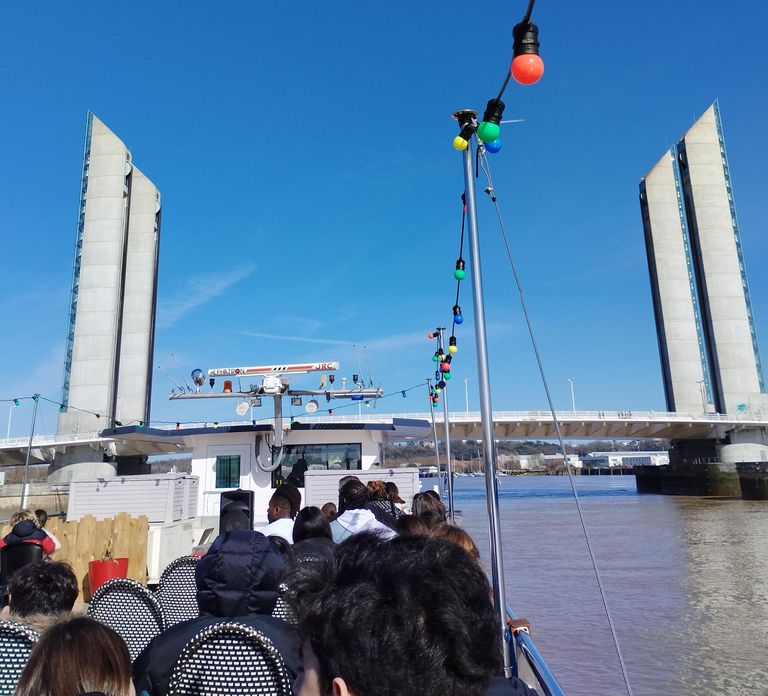
Für eine andere Perspektive auf die Stadt bietet die Bordeaux: Geführte Flusskreuzfahrt eine entspannte Möglichkeit, die Architektur am Ufer der Garonne zu bewundern. Besonders an einem klaren Nachmittag, wenn das Licht auf die Steinfassaden fällt, ist dies ein tolles Erlebnis.
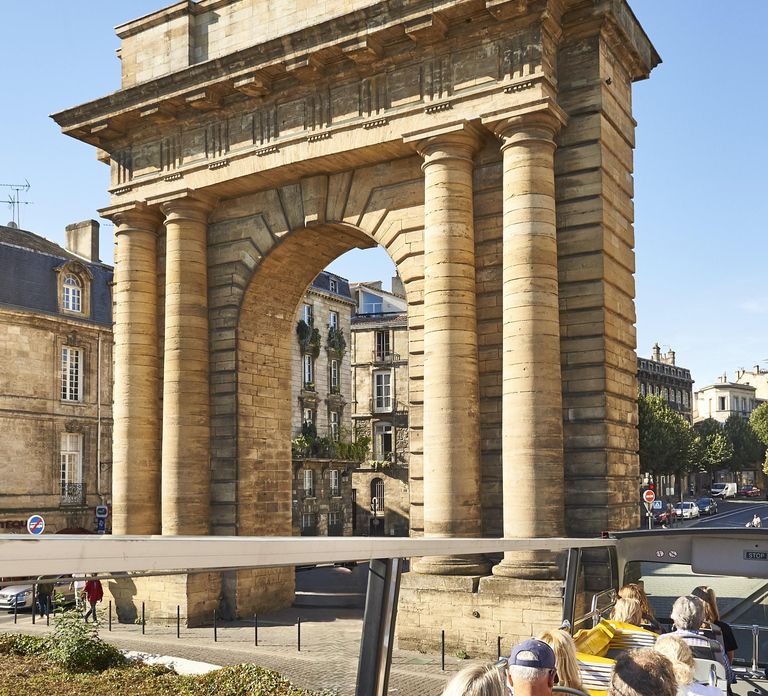
Wenn Sie eine flexiblere Art der Besichtigung bevorzugen, ist die Bordeaux: 1 oder 2 Tage Hop-on Hop-off Tour eine praktische Wahl für Erstbesucher, die sich schnell einen Überblick verschaffen möchten.
Die besten Stadtviertel für Ihren Aufenthalt
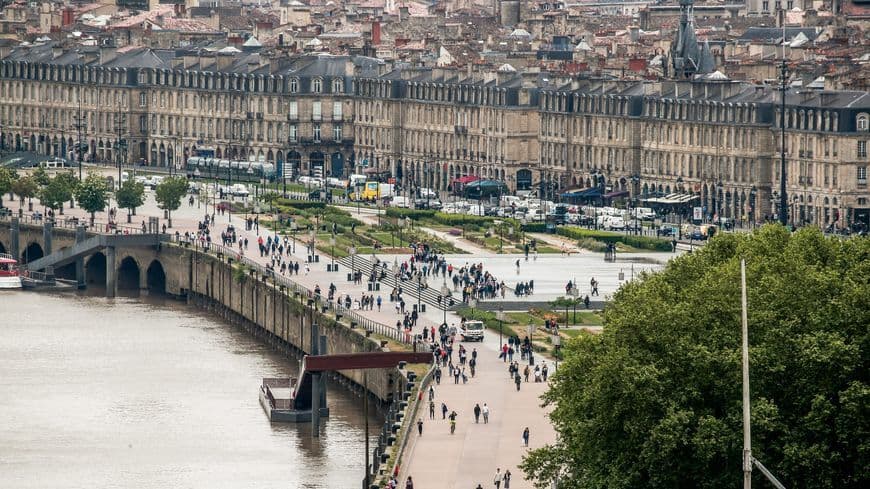
Saint-Pierre und Saint-Michel bilden den historischen Kern. Saint-Pierre liegt näher am Flussufer und ist der elegantere Teil mit prachtvollen Plätzen und gut erhaltenen neoklassizistischen Gebäuden. Saint-Michel, nur einen kurzen Fußweg südlich entfernt, hat einen authentischeren Charakter mit einem wöchentlichen Flohmarkt und einer Mischung aus unabhängigen Restaurants und Cafés.
Chartrons liegt nördlich des Zentrums am Fluss und war historisch das Viertel der Weinhändler. Heute hat es eine entspannte, wohnliche Atmosphäre mit Antiquitätenläden, unabhängigen Weinbars und einem Sonntagsmarkt, der von Einheimischen tatsächlich genutzt wird. Es ist ein guter Ausgangspunkt, wenn Sie die touristisch überlaufenen Gegenden meiden möchten.
Bordeaux Lac ist ein modernes Viertel, das eher für Geschäftsreisende als für Touristen geeignet ist, während Mériadeck hauptsächlich aus Verwaltungsgebäuden besteht und als Standort nicht empfohlen wird.
Beste Reisezeit
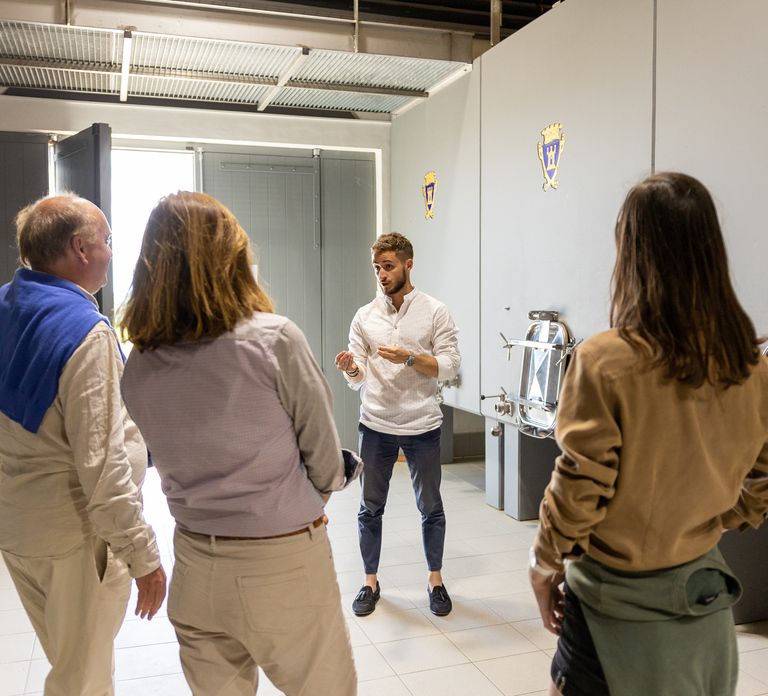
Die besten Monate für einen Besuch sind Mai, Juni, September und Oktober. Die Temperaturen sind angenehm, die Menschenmengen überschaubar und die umliegenden Weinregionen bereiten sich entweder auf die Ernte vor oder ernten bereits, was Weinbergtouren besonders lohnenswert macht.
Juli und August bringen die meisten Touristen und die höchsten Preise. Die Stadt selbst kann sehr heiß werden und einige kleinere Restaurants und Geschäfte schließen während der Urlaubszeit im August. Wenn der Sommer Ihre einzige Option ist, buchen Sie Ihre Unterkunft rechtzeitig im Voraus.
Von Dezember bis Februar ist es ruhiger und kühler, mit Durchschnittstemperaturen um die 5–10°C. Einige Außenterrassen schließen, aber die Stadt hat eine ruhigere Atmosphäre und die Unterkunftspreise sinken spürbar. Dies ist eine gute Zeit für einen Besuch, wenn Ihr Fokus auf Weinbildung und Indoor-Erlebnissen liegt statt auf langen Spaziergängen.
Meiden Sie die Wochenenden der Vinexpo und großer Weinfestivals, wenn Sie ein begrenztes Budget haben. Die Hotelpreise steigen während dieser Fachveranstaltungen erheblich an.
Sehenswürdigkeiten und Aktivitäten

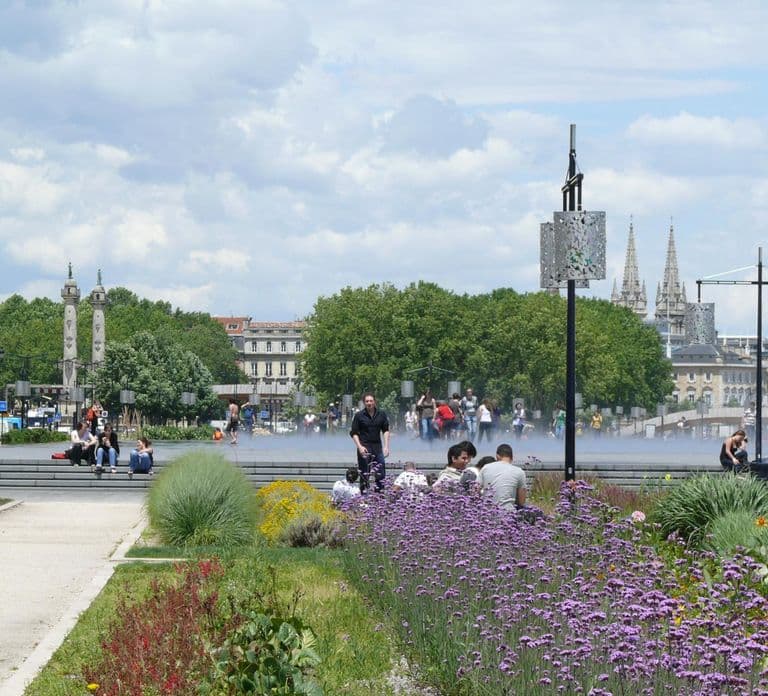
Der Place de la Bourse und sein berühmter Wasserspiegel, der Miroir d'Eau, sind trotz ihrer Präsenz auf jeder Postkarte absolut sehenswert. Ein Besuch am frühen Morgen, bevor die Reisegruppen eintreffen, macht das Erlebnis viel angenehmer.
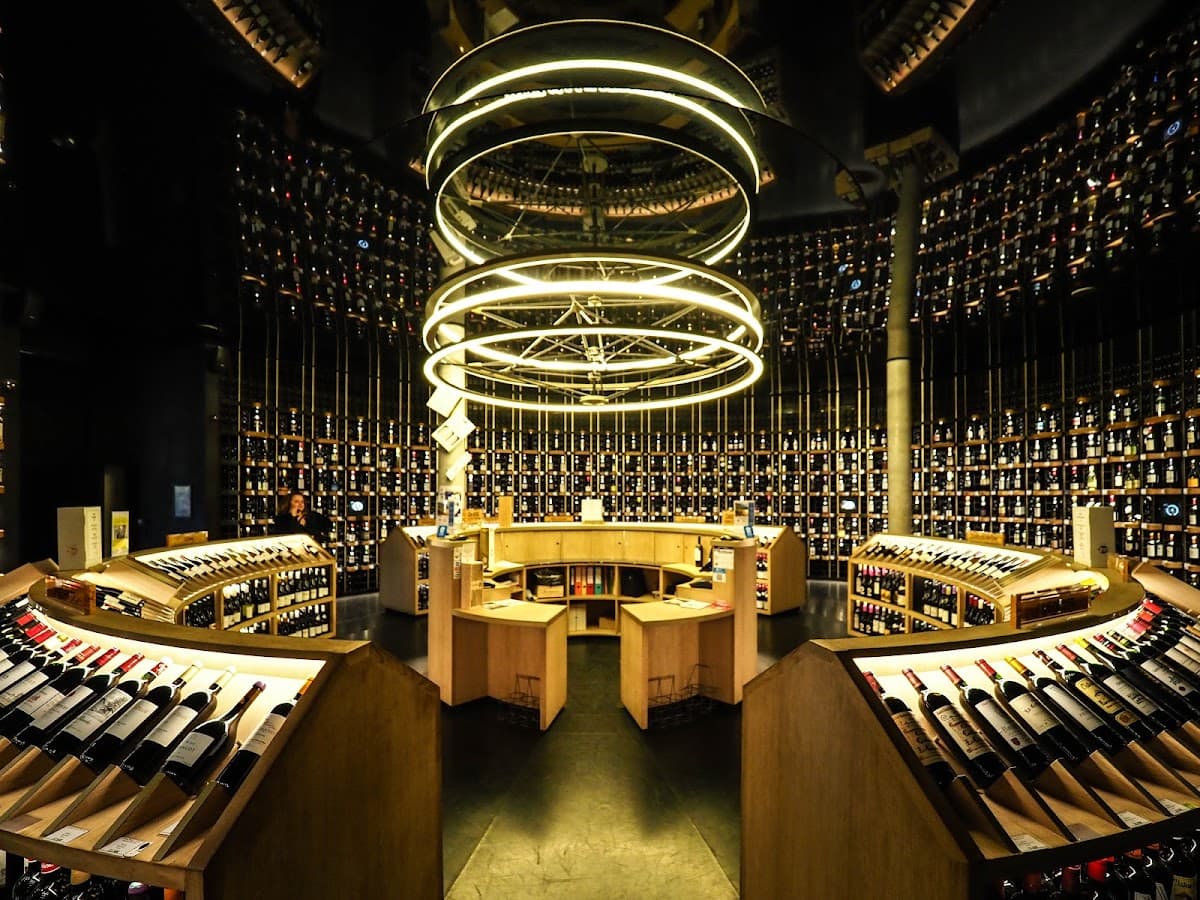
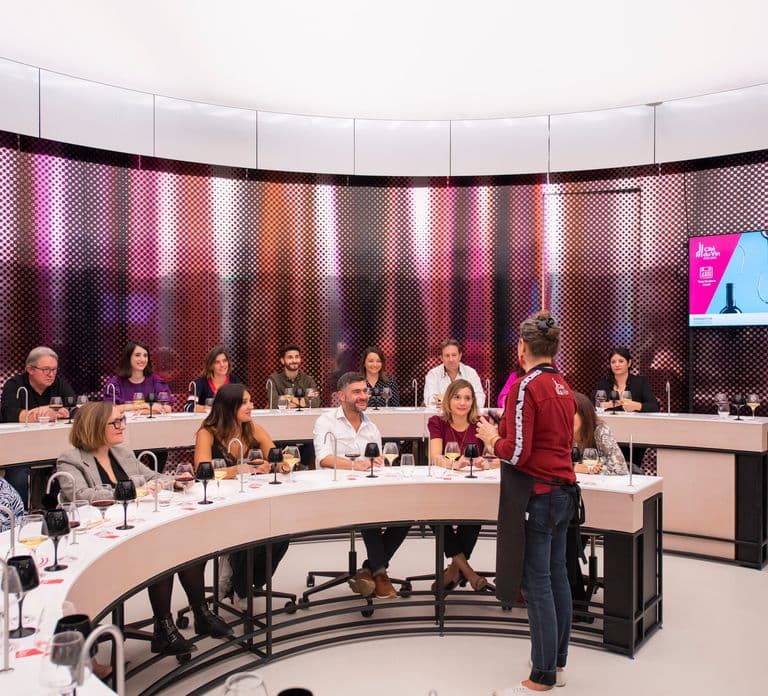
Die Cité du Vin ist eine der beeindruckendsten modernen Attraktionen der Stadt. Die Cité du Vin bietet eine immersive Einführung in die globale Weinkultur auf mehreren Etagen, und der Panoramaraum für Weinproben ganz oben bietet einen hervorragenden Blick über den Fluss und die Stadt.
Für etwas Unerwartetes sind die Bassins de Lumières eine groß angelegte digitale Kunstinstallation in einer ehemaligen U-Boot-Basis. Die Dimensionen der Projektionen innerhalb der Betonstruktur sind wirklich beeindruckend. Es ist kein Weinerlebnis, aber eines der unvergesslichsten Dinge, die man in der Stadt tun kann.
Für Weinwissen ist ein Einführungsworkshop zur Weinverkostung in Bordeaux ein kluger Ausgangspunkt, bevor Sie sich auf den Weg zu den Weinbergen machen. Zu lernen, die wichtigsten Appellationen und Rebsorten zu unterscheiden, macht die Besuche der Weingüter deutlich lohnender.
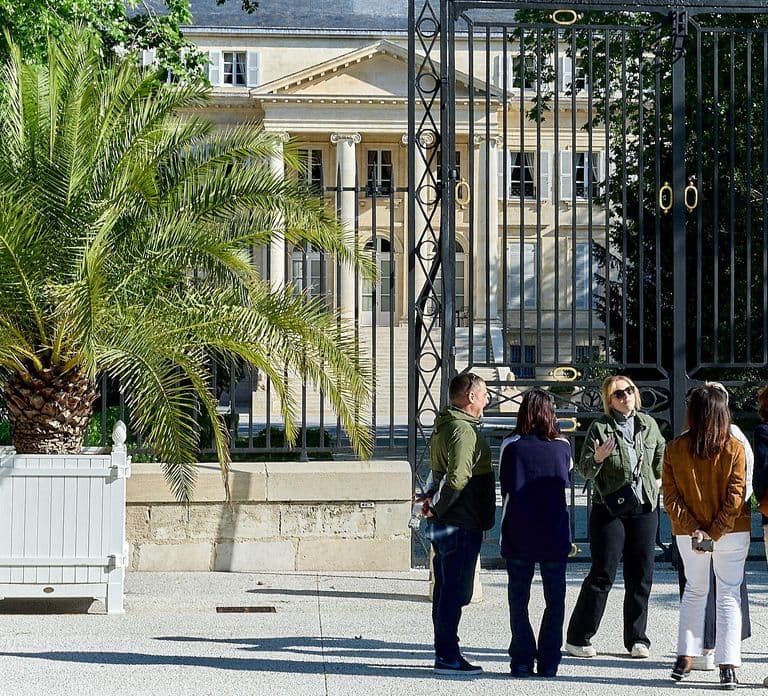
Tagesausflüge nach Saint-Émilion sind die 45-minütige Fahrt von der Stadt aus wert. Das mittelalterliche Dorf liegt an einem Hang, umgeben von Weinbergen, die zu den besten der Welt zählen. Die Saint-Émilion: Weinbergtour und Weinprobe in Bordeaux kombiniert das Dorf mit dem Besuch eines familiengeführten Weinguts und einer geführten Verkostung, was ein persönlicheres Erlebnis bietet als die größeren kommerziellen Touren.
Essen gehen
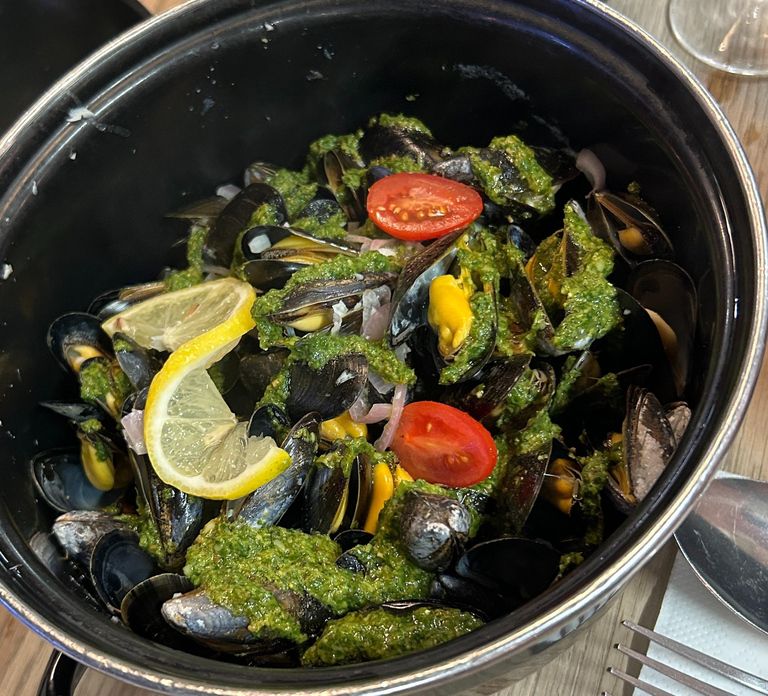
Bordeaux hat eine starke Esskultur, die weit über die Weinbegleitung hinausgeht. Der Marché des Capucins ist der wichtigste überdachte Markt und der beste Ort, um ein echtes Bordelaiser Frühstück mit Austern und Weißwein zu genießen – eine lokale Tradition und eine der besten Arten, den Morgen zu beginnen.
Für eine strukturierte Einführung in die lokale Küche deckt die Bordeaux: Kulinarische Tour mit vollem Menü und Wein die kulinarische Geografie der Stadt mit Stopps bei lokalen Erzeugern, Marktständen und Stadtteilrestaurants ab.
Canelés, die kleinen geriffelten Gebäckstücke mit karamellisierter Kruste und weichem Inneren, sind die Spezialität der Stadt. Kaufen Sie sie am besten in einer Bäckerei statt in einem Souvenirladen, um die besten Exemplare zu erhalten. Baillardran ist der bekannteste Hersteller, aber kleinere, unabhängige Bäckereien backen oft bessere.
Zum Abendessen gibt es in den Straßen rund um den Place du Parlement in Saint-Pierre die höchste Dichte an Restaurants, wobei die Preise den Standort widerspiegeln. Wenn Sie etwas weiter in Richtung Saint-Michel oder Chartrons schlendern, finden Sie oft ein besseres Preis-Leistungs-Verhältnis.
Budget-Erwartungen
Bordeaux liegt im mittleren Preissegment für französische Städte. Es ist spürbar erschwinglicher als Paris, aber teurer als Städte im Südwesten wie Toulouse oder Montpellier.
Budget-Reisende können mit €70–90 pro Tag auskommen, was ein Hostelbett, Marktmahlzeiten und öffentliche Verkehrsmittel abdeckt. Eine komfortable Reise im mittleren Preissegment mit einem guten Hotel, Restaurantbesuchen am Abend und bezahlten Attraktionen kostet etwa €150–200 pro Tag. Weintouren und Verkostungen kommen hinzu, wobei halbtägige Ausflüge zu den Weinbergen typischerweise €40–80 pro Person kosten, je nach besuchtem Weingut.
Die Straßenbahn und das Gehen decken das meiste ab, was Sie benötigen, daher sind die Transportkosten innerhalb der Stadt niedrig.
Insider-Tipps
Der Wasserspiegel am Place de la Bourse ist kurz nach Sonnenuntergang am schönsten, nicht tagsüber. Die meisten Besucher kommen am Nachmittag, wenn die Spiegelungen durch das direkte Sonnenlicht verwaschen wirken. Ein Besuch gegen 21 Uhr im Sommer, wenn die umliegenden Gebäude beleuchtet sind und der Himmel noch etwas Farbe hat, sorgt für eine völlig andere Atmosphäre.
Der Sonntagsmarkt in Chartrons ist es wert, Ihre Reiseplanung danach auszurichten. Er findet ab etwa 9 Uhr entlang des Quai des Chartrons statt und wird hauptsächlich von Einheimischen besucht, die Antiquitäten, Vintage-Artikel und Lebensmittel kaufen. Er vermittelt ein genaueres Bild des täglichen Lebens in der Stadt als die zentralen touristischen Bereiche.
Buchen Sie Weinerlebnisse, bevor Sie ankommen, nicht danach. Die besten Besuche bei kleinen Erzeugern und intime Verkostungsworkshops sind schnell ausgebucht, besonders im September und Oktober während der Erntezeit. Dies dem Zufall zu überlassen, bedeutet bei der Ankunft meist, sich mit größeren, weniger persönlichen Gruppentouren zufriedenzugeben.
Praktische Tipps
- Französisch ist die Arbeitssprache in der ganzen Stadt. Einfache französische Sätze helfen sehr, und Einheimische schätzen die Mühe, auch wenn sie ins Englische wechseln.
- Das Stadtzentrum ist weitgehend verkehrsberuhigt, was die Orientierung erleichtert, aber bedeutet, dass Taxis und Fahrdienste am Rande der Altstadt absetzen.
- Leitungswasser ist sicher und kann in Restaurants kostenlos bestellt werden.
- Die meisten Restaurants öffnen zum Abendessen nicht vor 19:30 Uhr. Wenn Sie um 19 Uhr ankommen, müssen Sie oft draußen warten.
- Die Ladenöffnungszeiten am Sonntag sind begrenzt. Planen Sie Einkäufe oder Marktbesuche entsprechend.
Bordeaux belohnt diejenigen, die mit einer gewissen Geduld und Neugier an die Stadt herangehen. Die Weinkultur ist tief verwurzelt, aber die Stadt bietet genug Architektur, Essen, Kunst und Leben am Fluss, um einen Besuch auch für Reisende zu rechtfertigen, die kein besonderes Interesse am Inhalt ihres Glases haben.