Bali on a Budget: How to See the Best Without Overspending
By Matt Cuckston, Founder & Travel Technology Expert at TixLayer
Bali has a way of making you feel like you need to spend a fortune to enjoy it. Glossy resort photos and influencer beach clubs can give the impression that a trip here requires deep pockets. The truth is quite different. With a bit of planning, this Bali travel guide will show you how to experience the island's temples, landscapes, food, and culture without draining your savings account.
Understanding Money in Bali
The Indonesian Rupiah (IDR) is the local currency, and the exchange rates can feel overwhelming at first. You'll be dealing with numbers in the hundreds of thousands for everyday purchases, so take a moment to get familiar before you arrive. A good rule of thumb: divide by 16,000 to get a rough USD equivalent.
Always withdraw cash from reputable bank ATMs such as BCA or Mandiri. Avoid standalone ATMs in tourist areas that charge excessive fees or use unfavorable rates. Paying in cash at local markets and warungs almost always gets you a better deal than using a card. Many smaller businesses add a surcharge for card payments, so ask before you tap.
Bargaining is expected at markets but not at fixed-price shops or restaurants. Be polite, stay reasonable, and don't push too hard on price. A small saving for you might be significant for a local seller.
Free and Low-Cost Things to Do
Some of the most memorable experiences on the island cost very little or nothing at all. Watching the sunrise over the rice terraces in Tegalalang or Jatiluwih is completely free and genuinely stunning. These landscapes are among the most photographed in all of Southeast Asia for good reason.
Temple visits are affordable and culturally rich. Tanah Lot, Uluwatu, and Besakih all charge a small entrance fee, typically between IDR 30,000 and IDR 60,000 (roughly $2 to $4 USD). You'll need to wear a sarong, which you can usually borrow or rent at the entrance for a small fee. Arriving early avoids crowds and the midday heat.
For wildlife and nature, the Sacred Monkey Forest Ubud is a low-cost highlight. Set within a lush forest sanctuary in the heart of Ubud, it gives you close encounters with long-tailed macaques alongside ancient temple structures. Entry is budget-friendly and the experience is unlike anything you'll find elsewhere.
Beaches are free. Seminyak, Kuta, Canggu, and Balangan Beach all offer spectacular sunsets without a cover charge. Simply show up, find a spot on the sand, and enjoy.
Eating Well Without Overspending
Food is one of the easiest places to save money here. A full meal at a local warung (a small family-run eatery) will cost you between IDR 20,000 and IDR 50,000, which is roughly $1.25 to $3 USD. Nasi goreng, mie goreng, and nasi campur are staples that are filling, delicious, and cheap.
Avoid eating directly on the main tourist strips where menus are priced for Western wallets. Walk one or two streets back and you'll often find the same quality food for a fraction of the price. Warungs near local markets are a reliable bet.
Fresh fruit from roadside stalls is another great option. Mangosteen, rambutan, and salak (snake fruit) are seasonal, inexpensive, and far better than anything you'd find back home.
Save your splurge meals for a special occasion. A sunset dinner at a clifftop restaurant in Uluwatu or a cooking class in Ubud can be worth the extra spend as a one-off experience.
Getting Around for Less
Transportation is where many travelers overspend without realizing it. Renting a scooter is by far the cheapest way to get around, typically costing IDR 60,000 to IDR 80,000 per day. If you're comfortable riding one, it gives you total freedom to explore at your own pace. Make sure your travel insurance covers motorbike riding and always wear a helmet.
App-based ride services like Gojek and Grab are significantly cheaper than flagging down a private driver or using a metered taxi. Use them for airport transfers and longer journeys where scooters aren't practical.
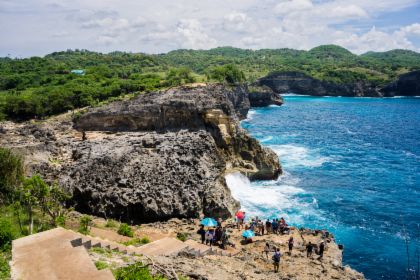
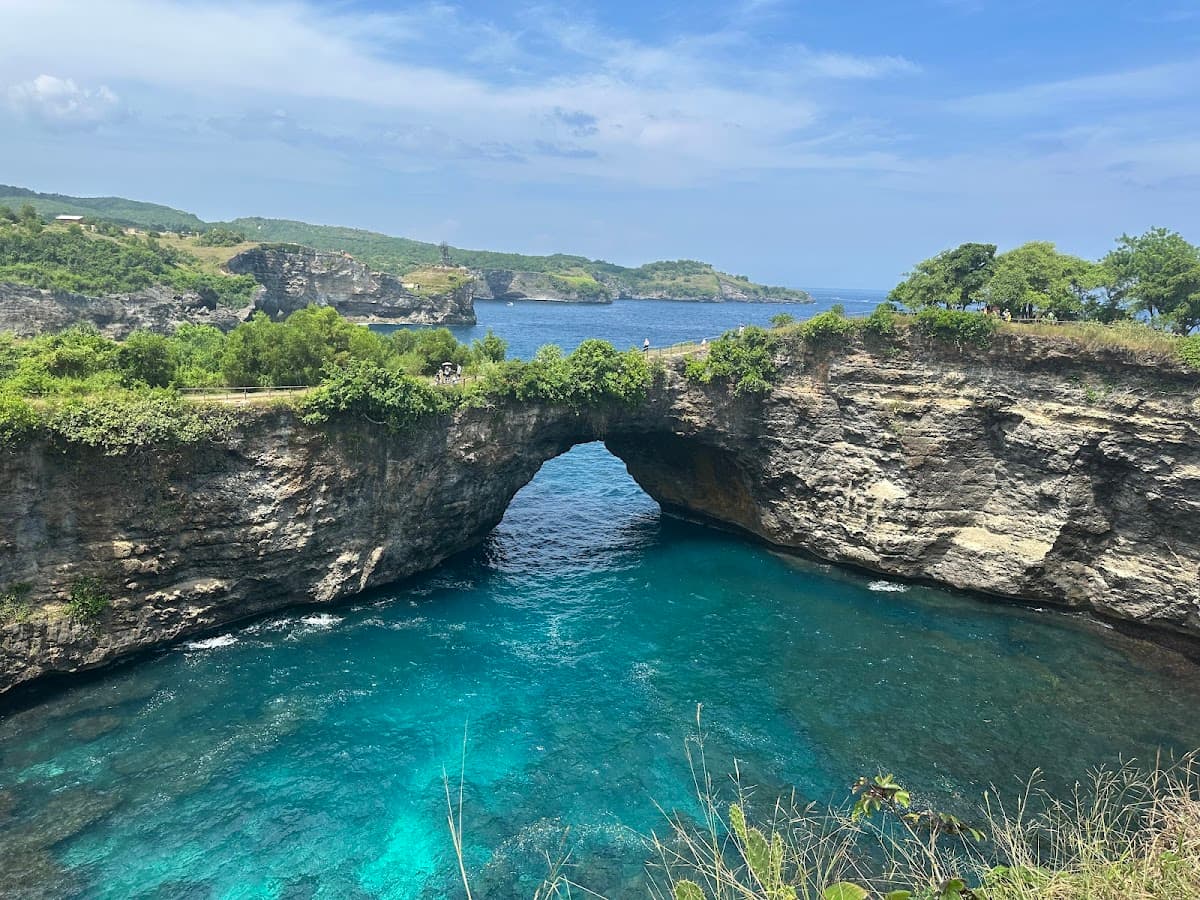
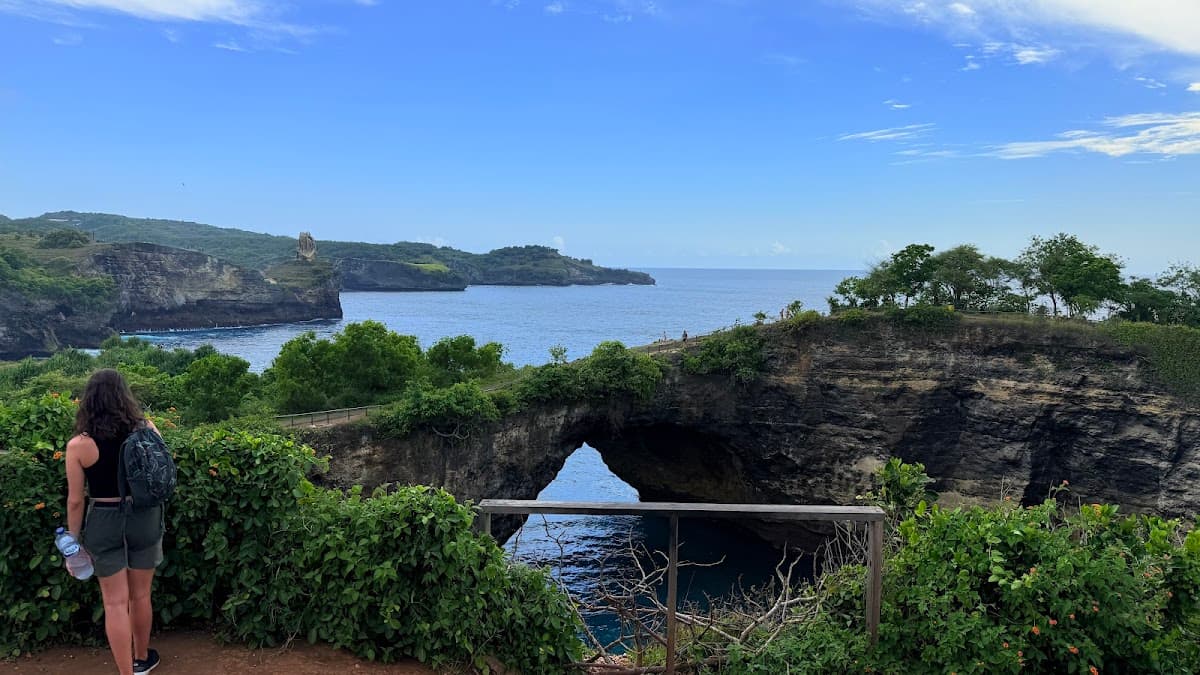
If you're planning a day trip to Nusa Penida, booking a guided speedboat tour through a platform like TixLayer can actually save you money compared to arranging transport and guides separately. The Nusa Penida Beach Day Trip by Speedboat Guided Tour bundles the boat crossing, guide, and key stops into one straightforward package, which removes the hassle of negotiating prices on the dock.
Where to Splurge Wisely
Budget travel doesn't mean skipping everything. A few well-chosen splurges can make a trip genuinely memorable without derailing your finances.
A cultural performance is worth the cost. The Fire Kecak Dance at Pandawa Beach is one of the most atmospheric ways to experience traditional Balinese performance art. The combination of fire, chanting, and dramatic storytelling makes it a standout evening.
If you want one beach club experience, do it properly. The General Admission to Atlas Beach Club gives you access to what is recognized as the world's largest beach club. It's a spectacle in itself, and the general admission option keeps costs manageable compared to booking a private daybed.
For adventure seekers, the Mount Batur Jeep Tour with Combination is a worthwhile spend. Watching the sunrise from an active volcano with a jeep tour included is the kind of experience that stays with you long after you've returned home.
Practical Tips to Keep Costs Down
- Book accommodation in Ubud or Canggu rather than Seminyak or Kuta, where prices are inflated for the same quality.
- Travel during shoulder season (April to June or September to October) for lower accommodation rates and fewer crowds.
- Buy sunscreen, toiletries, and any medication before you arrive or from local pharmacies rather than tourist shops.
- Carry a reusable water bottle and refill it at your accommodation to cut down on plastic bottle purchases.
- Use Google Maps offline to avoid data charges and navigate without relying on expensive Wi-Fi.
- Pre-book activities through platforms like TixLayer to lock in better rates and avoid inflated walk-up prices at popular attractions.
Final Thoughts
Traveling smart in Bali is less about sacrifice and more about knowing where your money actually goes. The island rewards curious, flexible travelers who are willing to eat where locals eat, ride where locals ride, and explore beyond the obvious tourist trail. With the right approach, you can have an extraordinary trip without spending anywhere near what the luxury resorts would have you believe is necessary.