Abu Dhabi Travel Guide: Plan Your Perfect Trip
By Matt Cuckston, Founder & Travel Technology Expert at TixLayer
Abu Dhabi is one of those destinations that consistently surprises first-time visitors. The UAE capital is often overshadowed by its flashier neighbour Dubai, but those who take the time to explore it tend to leave more impressed. Whether you are planning a short stopover or a dedicated trip, this Abu Dhabi travel guide will walk you through everything you need to know, from landing at the airport to finding the best things to do in Abu Dhabi across every budget and interest.
---
Getting There
Abu Dhabi International Airport (AUH) is the main entry point and is served by Etihad Airways, the national carrier, along with dozens of international airlines. The airport sits roughly 30 kilometres from the city centre. Taxis are readily available and cost around AED 70 to 90 for the journey into town. Ride-hailing apps like Careem and Uber also operate here and are often slightly cheaper.
If you are flying into Dubai International Airport (DXB) instead, which handles significantly more routes, Abu Dhabi is about 90 minutes away by road. Intercity buses run regularly between the two cities for as little as AED 25, and private transfers are widely available for those who prefer a more comfortable ride.
---
Getting Around the City
Abu Dhabi does not have a metro system, so getting around requires a bit more planning than cities like Dubai. Taxis are the most practical option for most visitors. They are metered, air-conditioned, and generally affordable. Ride-hailing apps offer a reliable alternative with upfront pricing.
Renting a car is worth considering if you plan to visit attractions spread across Yas Island, Saadiyat Island, and the mainland city. Roads are well-maintained and signage is clear, though traffic can slow considerably during morning and evening rush hours.
For those staying on Yas Island, a free shuttle service connects several major attractions, which makes island-hopping between theme parks and the marina quite convenient.
---
Best Neighbourhoods to Stay In
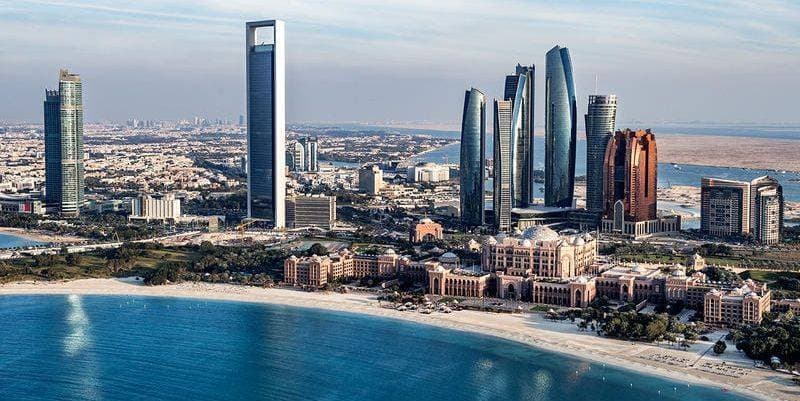
Downtown Abu Dhabi is the most central option, placing you within easy reach of the Corniche, shopping malls, and the majority of restaurants. Hotels here range from mid-range business properties to five-star towers.
Yas Island is the go-to choice for families and theme park visitors. It is home to Ferrari World, Warner Bros. World, and the Yas Marina Circuit, and the accommodation options on the island are purpose-built for leisure travellers.
Saadiyat Island offers a more relaxed, resort-style atmosphere with beach clubs, cultural institutions, and upscale hotels. It is the better pick if culture and tranquillity are your priorities.
Al Maryah Island is the financial district and suits business travellers, with excellent dining options and direct access to The Galleria mall.
---
When to Visit
The single most important planning decision for Abu Dhabi is timing. The city sits in a desert climate with extreme summer heat.
October to April is the ideal window. Temperatures during this period range from around 18°C to 30°C, making outdoor exploration genuinely comfortable. December and January are the coolest months and are particularly popular, so book accommodation in advance if you are travelling during this time.
May and September sit in the shoulder season. Temperatures are rising or falling but remain manageable, and prices tend to be lower. Worth considering if flexibility is more important than perfect weather.
June through August should be avoided if possible. Daytime temperatures regularly exceed 42°C with high humidity, making outdoor activity impractical for most of the day. If you do visit in summer, expect steep discounts on hotels and a much quieter experience overall. Indoor attractions become the main focus during this period.
---
What to See and Do
The range of experiences on offer is genuinely broad. Cultural institutions, natural landscapes, motorsport, theme parks, and architectural landmarks all sit within reach of each other.
The Louvre Abu Dhabi is one of the most architecturally striking museums in the world. The dome structure, designed by Jean Nouvel, filters light in a way that has to be seen in person. The collection spans thousands of years of human history and is thoughtfully curated for an international audience.
For a taste of the city's political heritage and Islamic architecture, Qasr Al Watan is essential. This presidential palace was opened to the public in 2019 and offers a rare look inside one of the region's most significant government buildings.
Families travelling with children will find plenty to keep everyone occupied. Ferrari World Theme Park on Yas Island is home to the world's fastest roller coaster, while Warner Bros. World brings beloved characters to life across six immersive lands.
For something completely different, a Desert Safari takes you into the rolling dunes of the Arabian interior. Dune bashing, camel riding, and traditional Bedouin camp dinners are all part of the experience, and it remains one of the most memorable things you can do in the region.
Nature lovers should not miss Jubail Mangrove Park, a boardwalk trail through one of the largest urban mangrove forests in the world. It is peaceful, ecologically fascinating, and completely free to enter.
---
Where to Eat
Abu Dhabi's food scene reflects its international population. You will find everything from street-level shawarma shops to multi-course tasting menus at celebrity chef restaurants.
For authentic Emirati cuisine, seek out restaurants serving dishes like harees (slow-cooked wheat and meat), machboos (spiced rice with meat or fish), and luqaimat (sweet fried dumplings). The Corniche area and older parts of the city tend to have more traditional options than the island developments.
The area around Al Mina Fish Market is worth a visit for fresh seafood. You can select your fish directly from the market stalls and have it cooked at one of the adjacent restaurants, a simple system that delivers excellent results.
For a more elevated dining experience, the restaurants inside Emirates Palace are consistently excellent, and even if you are not staying at the hotel, visiting for afternoon tea or a meal is a worthwhile splurge.
---
Budget Expectations
Abu Dhabi sits firmly in the higher-cost bracket for international travel, though it is not as expensive as some visitors expect once you move beyond the luxury tier.
Mid-range travellers can expect to spend AED 400 to 700 per day, covering a comfortable hotel, meals at casual restaurants, and entry to one or two attractions. Budget travellers who stay in more modest accommodation and eat at local restaurants can get by on AED 200 to 300 per day. Luxury travellers have essentially no ceiling, with five-star suites, private tours, and fine dining available at every turn.
Alcohol is available in licensed venues (hotels and select restaurants) but is taxed heavily, which pushes up the cost of dining out with drinks considerably.
---
Insider Tips
Visit the Abu Dhabi Falcon Hospital. Most visitors skip this entirely, but the Abu Dhabi Falcon Hospital offers a genuinely unusual experience. Falconry is central to Emirati culture and heritage, and the guided tours here give real insight into a tradition that most travellers never encounter.
The Corniche is best at sunrise. The waterfront promenade is a popular spot, but most visitors walk it during the day or evening. Arriving just before sunrise means you have the path almost entirely to yourself, the light is extraordinary, and the temperature is at its most comfortable, even in the warmer months.
Friday brunch is a cultural institution. Hotels and restaurants across the city offer elaborate Friday brunches that are a genuine part of local social life. They typically run from late morning to mid-afternoon and offer exceptional value compared to standard à la carte dining, often including unlimited food and soft drinks for a fixed price.
---
Final Thoughts
Abu Dhabi rewards visitors who look beyond the obvious. Yes, the grand mosques and luxury hotels are worth your time, but so are the mangrove kayaking trails, the falcon hospital, the Corniche at dawn, and the local restaurants that never appear in international rankings. Plan your visit between October and April, give yourself at least four or five days, and you will leave with a much fuller picture of what the UAE capital actually is.