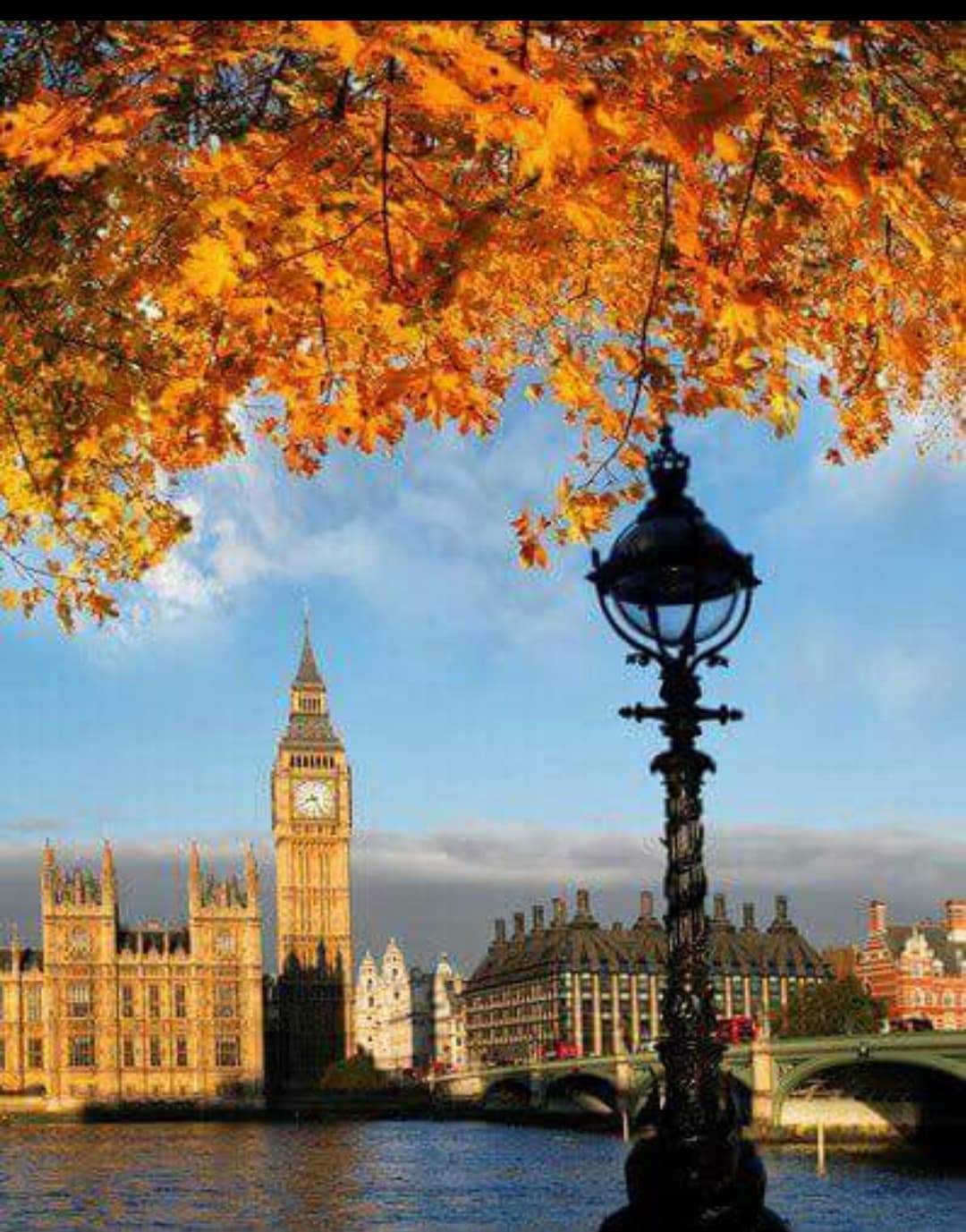
London isn't just a city – it's a living museum where Roman walls stand next to glass skyscrapers, where you can hear a dozen languages on a single street corner, and where tradition and innovation dance together in the most British way possible. After countless visits and years of exploration, I've learned that London rewards those who dig deeper than the postcard views. This guide will help you do exactly that.
When to Go
Best Overall Time: May-September
London's weather is famously unpredictable, but some months are definitely more forgiving than others. May through September offers the warmest temperatures (15-23°C) and longest daylight hours – crucial when you're trying to pack in sightseeing. July can be sweltering and crowded, while May and September often provide that sweet spot of pleasant weather with fewer tourists.
Winter visits (October-March) have their own charm – Christmas markets, cozy pubs, and that moody London atmosphere you see in films. Just pack layers and a waterproof jacket. January and February are the quietest months, perfect if you prefer museums without crowds.
Festival Highlights:
- Notting Hill Carnival (late August) – Europe's largest street festival
- Pride London (late June/early July) – massive celebration in the heart of the city
- Edinburgh Festival Fringe spillover acts perform across London in August
- Winter Wonderland (November-January) transforms Hyde Park into a festive playground
- London Fashion Week (February & September) brings energy to the streets
Weather Reality Check: Always carry an umbrella. I've seen tourists caught in sudden downpours in July looking absolutely miserable. Londoners dress in layers year-round, and now you know why.
Getting There and Around
Flying In:
London has more airports than any other city, but Heathrow and Gatwick handle most international flights. The Heathrow Express gets you to Paddington in 15 minutes (expensive but efficient), while the Piccadilly Line takes 45 minutes but costs a fraction of the price. From Gatwick, the Gatwick Express reaches Victoria in 30 minutes.
The Tube and Beyond:
London's transport system is extensive but can be expensive. Here's what actually works:
- Get an Oyster Card or use contactless payment – never buy paper tickets
- Avoid Zone 1 during rush hours (7:30-9:30 AM, 5:30-7:00 PM) if possible
- Walk more than you think – many "Tube stops" are only 10 minutes apart on foot
- Night Tube runs Friday/Saturday on major lines – perfect for late nights out
- Boris Bikes (Santander Cycles) are great for short trips and cost less than the Tube for journeys under 30 minutes
River Transport: The Thames Clippers aren't just tourist boats – they're legitimate transport that offers great views. The route from Westminster to Greenwich beats the DLR for scenery.
Where to Stay
Covent Garden/Theatreland
Perfect for first-timers who want to walk to major attractions. You'll pay premium prices but save on transport. The area buzzes with street performers and has excellent restaurant options.
South Bank
Offers incredible views across the Thames and puts you near Tate Modern, Borough Market, and the London Eye. Great value compared to the West End, with a more local feel.
Shoreditch/East London
For younger travelers and nightlife enthusiasts. This is where London's creative energy lives – street art, pop-up restaurants, and the best coffee shops. Well-connected by Tube and Overground.
King's Cross/Camden
Excellent transport links (including Eurostar) and increasingly trendy. King's Cross has transformed from sketchy to sophisticated, while Camden retains its alternative edge.
Notting Hill/Bayswater
Charming residential feel with easy access to Hyde Park. Notting Hill offers that Instagram-worthy London experience, while Bayswater provides better value.
Greenwich
For those wanting a village feel within London. Home to maritime history, beautiful parks, and a famous market. The DLR journey offers great city views.
Avoid: Tourist-heavy areas like Russell Square for accommodation – you'll pay West End prices for a less central location.
What to Eat
Essential London Dishes:
Fish and Chips
Forget the touristy spots near Big Ben. Head to Poppies (multiple locations) for retro vibes or The Golden Hind in Marylebone for the real deal. Pro tip: always ask for mushy peas.
Sunday Roast
This is a religion in London. The Harwood Arms (Fulham) offers Michelin-starred versions, while The George Tavern (East London) serves generous portions in a proper pub atmosphere. Book ahead – Sundays fill up fast.
Full English Breakfast
E. Pellici (Bethnal Green) has been serving the same family recipe since 1900. For a modern twist, try Dishoom for their Bombay-style breakfast – it's become a London institution.
Curry on Brick Lane
Yes, it's touristy, but Dishoom (again) and Tayyabs nearby offer exceptional Indian food. For something different, Hoppers serves Sri Lankan street food that'll change your perspective on curry.
Pie and Mash
M. Manze has been serving this working-class staple since 1902. It's an acquired taste, but it's pure London history in food form.
Markets for Food Adventures:
- Borough Market – expensive but incredible quality
- Broadway Market (Saturdays) – local vibe with great street food
- Maltby Street Market (weekends) – Borough Market's cooler younger sibling
Tea Culture:
Skip the fancy hotel afternoon teas unless you're celebrating something special. Monmouth Coffee does better coffee than most places do tea, while Sketch offers the most Instagram-worthy tea experience.
Top Experiences and Attractions
The Classics (That Actually Live Up to the Hype):
- Tower of London – book online to skip lines, go early
- Westminster Abbey – audioguide is essential
- Tate Modern – free admission, incredible building
- British Museum – could spend days here, focus on 2-3 sections per visit
Hidden Gems:
- Dennis Severs' House (Spitalfields) – immersive historical experience
- God's Own Junkyard (Walthamstow) – neon art heaven
- Leighton House Museum – Victorian artist's stunning home
- The View from The Shard – expensive but unbeatable views
Neighborhoods to Explore:
- Columbia Road Flower Market (Sunday mornings) – quintessentially London
- Hampstead Heath – wild parkland with city views
- Little Venice – canal boats and floating cafes
- Bermondsey Street – antiques, cafes, and local life
Free Entertainment:
- Changing of the Guard – arrive early for good spots
- Speaker's Corner (Hyde Park, Sunday mornings) – democracy in action
- South Bank street performers – world-class busking
- Most museums – donations appreciated but not required
Money-Saving Tips
Transportation:
- Walk whenever possible – London is more compact than it seems
- Use Boris Bikes for short trips
- Travel after 9:30 AM for off-peak prices
- Consider a weekly Travelcard if staying longer
Food and Drink:
- Supermarket meal deals (£3-4) beat tourist restaurant lunches
- BYOB restaurants save money on wine
- Pub lunches offer better value than dinners
- Many museums have excellent cafes with reasonable prices
Attractions:
- Many museums are free – donate what you can
- Book theater tickets at TKTS booth in Leicester Square
- Free walking tours (tip-based) beat expensive bus tours
- City churches often have free lunchtime concerts
Accommodation:
- Book directly with hotels for better rates and perks
- Consider outer zones with good transport links
- University halls rent rooms during holidays
- House-sitting opportunities exist for longer stays
Common Mistakes to Avoid
Transport Errors:
- Standing on the left side of escalators (you'll get tutted at)
- Not having your Oyster card/phone ready at barriers
- Taking the Tube for very short distances
- Assuming all zones cost the same (they don't)
Cultural Missteps:
- Not queuing properly (this is serious business)
- Talking loudly on public transport
- Expecting American-style customer service
- Not booking restaurant tables in advance
Tourist Traps:
- Restaurants immediately around major attractions
- Oxford Street shopping (it's crowded and overpriced)
- Buying London Eye tickets at full price on-site
- Camden Lock's touristy stalls (the real Camden is more interesting)
Weather Unpreparedness:
- Not carrying a compact umbrella
- Assuming summer means shorts weather
- Forgetting that indoor spaces can be overheated in winter
3-Day London Itinerary Overview
Day 1: Classic London
- Morning: Westminster Abbey and Houses of Parliament
- Afternoon: Walk along South Bank to Tate Modern
- Evening: West End show or riverside dinner
Day 2: Royal London and Museums
- Morning: Tower of London (arrive early)
- Afternoon: British Museum or National Gallery
- Evening: Traditional pub dinner in Covent Garden
Day 3: Neighborhoods and Markets
- Morning: Borough Market and London Bridge area
- Afternoon: Explore Shoreditch or Notting Hill
- Evening: Sunset at Primrose Hill or Greenwich
This itinerary covers the essentials while leaving room for spontaneous discoveries. London rewards wandering – some of my best memories here happened when I got completely lost trying to find something else entirely.
Final Thought: London isn't a city you conquer in one visit. It's a city that reveals itself slowly, neighborhood by neighborhood, pint by pint, conversation by conversation. Embrace the unexpected detours, chat with locals (they're friendlier than the stereotype suggests), and remember that even Londoners are still discovering new corners of their city. That's the real magic of this place.