Chiang Mai Travel Guide: Plan Your Perfect Trip
By Matt Cuckston, Founder & Travel Technology Expert at TixLayer
If you are searching for things to do in Chiang Mai and do not know where to begin, you are in the right place. Thailand's northern capital is a city that rewards slow travel. It has a walkable old town ringed by a historic moat, surrounding mountains filled with waterfalls and hill tribe villages, and a food culture that many argue outpaces even Bangkok. It is also one of the most affordable destinations in Southeast Asia, making it equally popular with backpackers, digital nomads, and families travelling in comfort.
This guide covers everything you need to know before you arrive, from the best time to visit to where to eat, sleep, and spend your days.
---
Getting to Chiang Mai
By air: Chiang Mai International Airport (CNX) sits just 10 minutes from the city centre. Direct flights connect it to Bangkok (roughly one hour), as well as regional hubs including Singapore, Kuala Lumpur, and Hong Kong. Domestically, both Thai Airways and AirAsia run frequent Bangkok routes, and prices are often very reasonable if you book ahead.
By train: The overnight sleeper train from Bangkok's Hua Lamphong or Krung Thep Aphiwat station is a classic experience. The journey takes around 12 to 14 hours, and a second-class sleeper berth is comfortable and affordable. Book through the State Railway of Thailand website at least a week in advance during peak season.
By bus: VIP coaches run from Bangkok's Mo Chit terminal and take approximately 9 to 11 hours. They are cheaper than the train but less scenic and less comfortable for most travellers.
---
Getting Around the City

Chiang Mai is more manageable than Bangkok, but it is still spread out enough that you will need transport beyond walking.
Songthaews (red trucks): These shared red pickup trucks are the backbone of local transport. Hail one, tell the driver your destination, and negotiate a price. For short trips within the old town or nearby neighbourhoods, expect to pay around 30 to 60 THB per person.
Grab: The ride-hailing app works well here and removes any negotiation. It is usually slightly more expensive than a songthaew but far more convenient, especially at night or when heading to destinations outside the centre.
Scooter rental: If you are comfortable riding, renting a scooter (around 200 to 300 THB per day) opens up the surrounding mountains and countryside considerably. Always wear a helmet and carry your international driving permit.
Cycling: For exploring the old town and nearby neighbourhoods at a relaxed pace, cycling is genuinely pleasant. A Half Day Chiang Mai City Cycling Tour with Lifecycling is a great way to get oriented on arrival, covering temple lanes and local markets with a guide who knows the city well.
---
Best Neighbourhoods to Stay In
The Old City (Mueang Kao): The moat-ringed historic centre is the most popular base for first-time visitors. You are within walking distance of major temples, the Saturday and Sunday Walking Streets, and a solid range of guesthouses and boutique hotels. It can feel touristy but remains genuinely charming.
Nimman (Nimmanhaemin Road): This is where the city's cafe culture, design shops, and co-working spaces cluster. It attracts a younger, more design-conscious crowd and sits close to Maya Mall and the Chiang Mai University campus. A good choice if you are staying longer or working remotely.
Riverside (Charoen Rat Road): A quieter stretch along the Ping River with independent restaurants, art galleries, and boutique accommodation. It has a local feel and is less crowded than the old town, though you will rely on Grab or a scooter to get around.
---
When to Visit

Best months: November to February. This is the cool, dry season when temperatures sit between 15°C and 28°C, skies are clear, and the surrounding mountains are at their greenest. It is also peak tourist season, so expect higher prices and busier guesthouses.
March to May: The dry heat builds significantly, with temperatures regularly exceeding 38°C by April. More critically, this is smoke season. Agricultural burning across the region creates serious air quality problems, and on bad days the haze is thick enough to obscure the mountains entirely. If you have respiratory sensitivities, this period is worth avoiding.
June to October: The wet season brings afternoon downpours and lush green landscapes. Crowds thin out and prices drop. Rain rarely lasts all day, so it is still a workable time to visit, especially if you want to see waterfalls at full flow.
November highlight: If your dates are flexible, aim to be here for Loi Krathong and the Yee Peng lantern festival, typically held in November during the full moon. Watching thousands of paper lanterns rise into the night sky over the old city is one of the most memorable experiences in all of Thailand. You can book tickets for the Yee Peng Lanna Sky Lantern Festival 2026 or the YLI Six Sances Yee Peng Lanna International 2026 at Lanna Thutanka Maejo in advance, as they sell out quickly.
---
What to See and Do

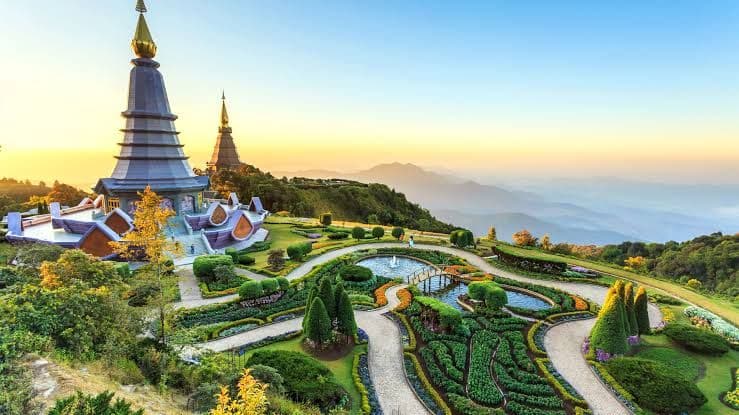
Temples: Doi Suthep, the golden temple on the mountain above the city, is the most photographed landmark in the region and worth the effort. Within the old town, Wat Chedi Luang and Wat Phra Singh are both impressive and far less crowded by mid-morning.
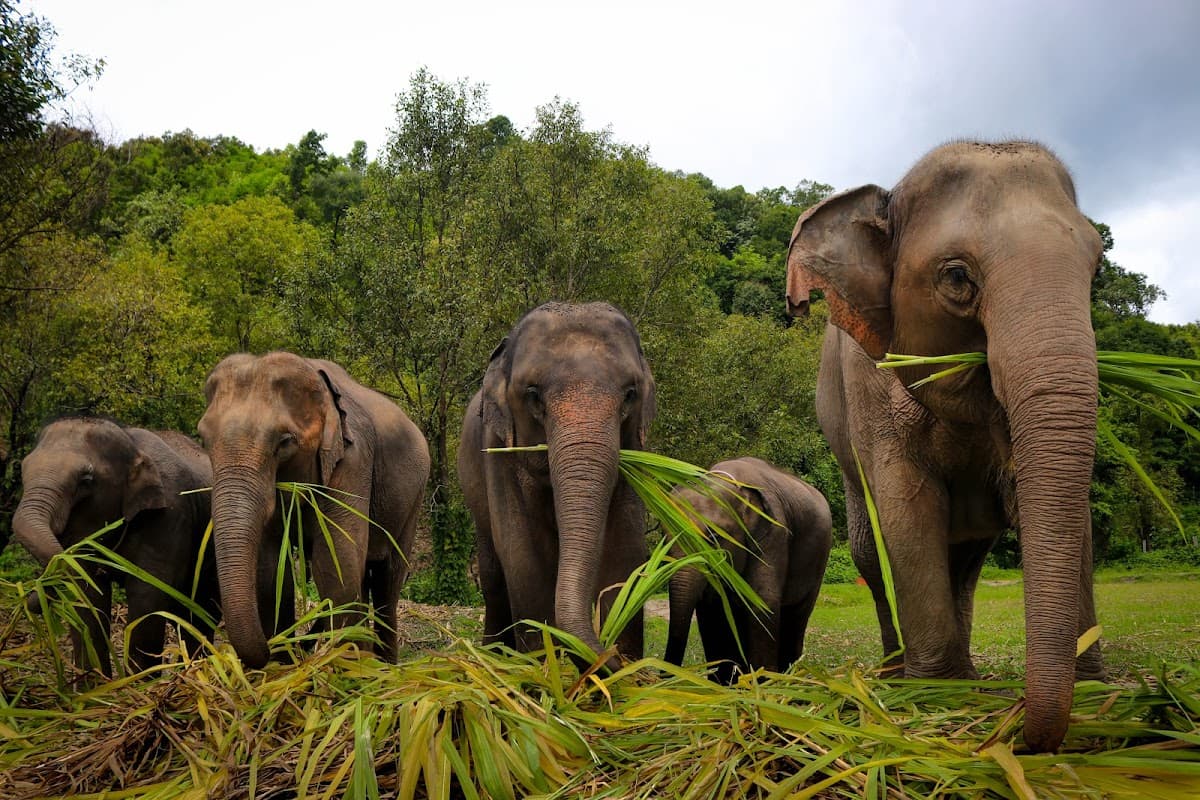
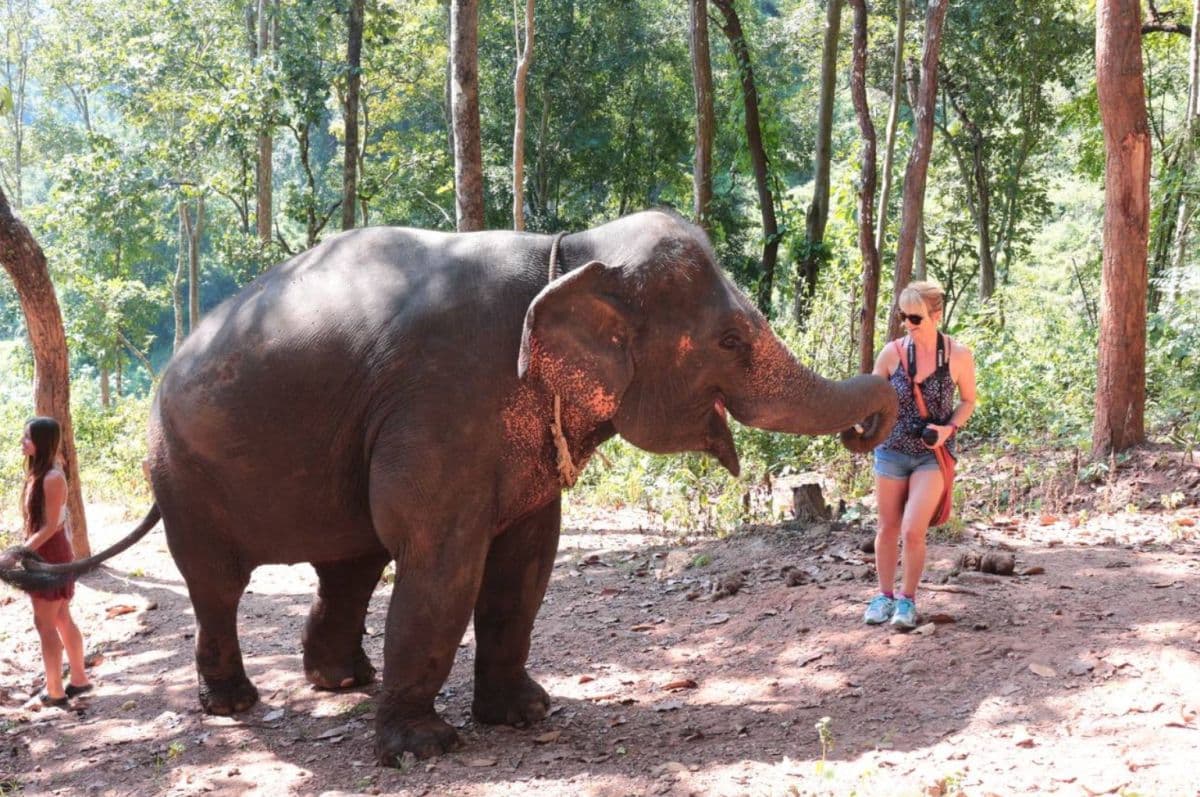
Elephant sanctuaries: This is one of the most popular experiences in the area, and choosing an ethical operator matters. The Elephant Jungle Sanctuary and Hug Elephant Sanctuary Chiangmai are both well-regarded for their no-riding, welfare-first approach. A half-day or full-day visit typically includes feeding, bathing, and learning about the elephants' histories.
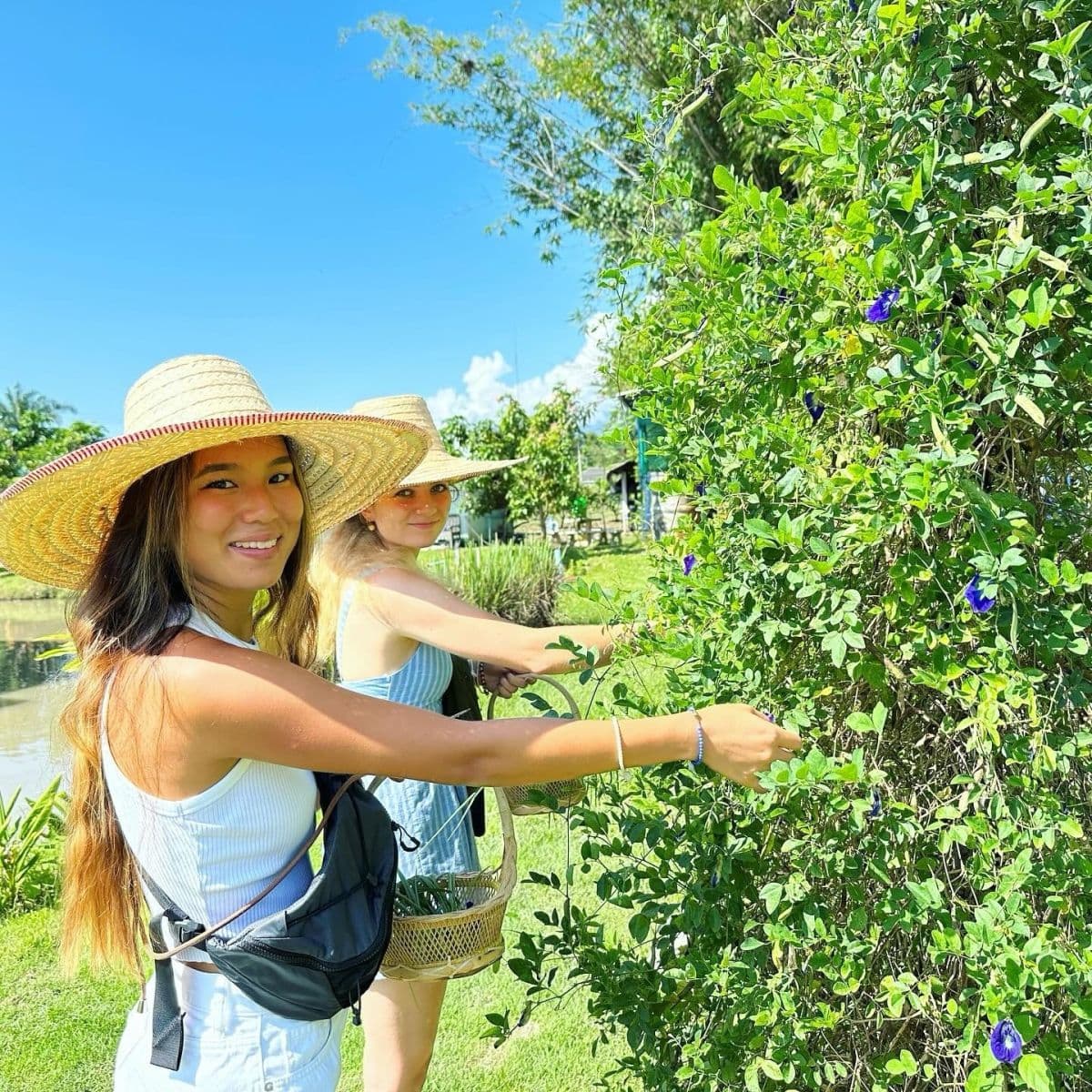
Cooking classes: Thai cooking classes are everywhere in the north, but quality varies. The Baan Farm Thai Cooking School Chiangmai takes place on a working farm outside the city, which adds genuine context to the ingredients you are using. You will typically visit a local market in the morning, then cook five or six dishes to eat for lunch.
Muay Thai: Watching a live Muay Thai bout is a worthwhile evening, especially if you have not seen the sport in person. The atmosphere at a smaller local stadium is often more authentic than the tourist-facing shows. You can book seats at Chiang Mai Thaphae Boxing Stadium or the Chiang Mai Boxing Stadium for a proper ringside experience.
Night Safari: For something different in the evenings, the Chiang Mai Night Safari is a large wildlife park that comes alive after dark. Tram rides through open-air enclosures bring you close to deer, lions, tigers, and more.
---
Where to Eat

Northern Thai cuisine is distinct from the food you will find in Bangkok or the south. Look out for khao soi (a rich, coconut curry noodle soup), sai oua (herbed northern pork sausage), and nam prik noom (roasted green chilli dip served with sticky rice and vegetables).
Markets: The Sunday Walking Street on Wualai Road and the Saturday Night Market near Pratu Chiang Mai are both excellent for street food. Arrive before 7pm to avoid the worst of the crowds.
Local tip: The food court on the top floor of the Kad Luang (Warorot Market) near the river serves some of the most authentic and affordable northern Thai food in the city. It is almost entirely local, with very little English on the menus.
For something more structured, Moreganic Restaurant at Away Thapae Resort offers a thoughtful vegan menu using organic produce, a good option for plant-based travellers or anyone wanting a break from meat-heavy street food.
---
Budget Expectations
Chiang Mai is one of the most affordable cities in Southeast Asia. A comfortable guesthouse in the old town runs from around 500 to 900 THB per night. Boutique hotels with pools in Nimman typically start from 1,500 THB. Street food meals cost 50 to 100 THB. A sit-down meal at a mid-range restaurant rarely exceeds 300 THB per person without alcohol.
For context, a realistic daily budget including accommodation, food, transport, and one or two activities sits at around 1,500 to 2,500 THB (roughly $40 to $70 USD) for comfortable independent travel.
---
Insider Tips
1. The moat roads are not for walking. The streets immediately around the old city moat carry fast-moving traffic and have almost no footpaths. Locals and experienced visitors cut through the interior temple lanes instead, which are quieter, shadier, and far more pleasant on foot.
2. Doi Suthep is best on a weekday before 8am. The temple gets extremely busy by mid-morning, particularly on weekends when Thai domestic tourists arrive in large numbers. An early start gives you the terraced gardens and views almost entirely to yourself, and the light is better for photographs.
3. The Nimman area empties out after 9pm. Despite its reputation as the city's social hub, Nimman closes earlier than you might expect. If you want a late night, the bars and small clubs around the Tha Phae Gate area and the Loi Kroh Road strip stay open considerably later.
---
Practical Tips

- Visa: Most nationalities receive a 30-day visa exemption on arrival. Check current requirements before travel as policies change.
- SIM card: Pick one up at the airport on arrival. AIS and DTAC both offer tourist SIMs with generous data allowances for around 300 THB.
- Dress code: Cover your shoulders and knees when visiting temples. Many have wraps available to borrow at the entrance, but bringing a light scarf saves time.
- Tap water: Not safe to drink. Bottled water is cheap and widely available, or carry a filtered bottle to reduce plastic waste.
- Language: Basic Thai phrases are appreciated but not essential. English is widely spoken in tourist areas, less so in local markets and outer neighbourhoods.
Chiang Mai rewards travellers who take their time. The longer you stay, the more it reveals, from the mountain roads above the city to the quiet temple courtyards that most visitors walk straight past. Plan at least five days if you can.