When to Visit Barcelona
Barcelona rewards visitors year-round, but timing can make or break your experience. May through June and September through October offer the sweet spot – warm weather, manageable crowds, and reasonable prices.
Summer (July-August) brings blazing heat and tourist hordes. Temperatures soar above 30°C (86°F), beaches pack tight, and restaurant terraces become furnaces. If you must visit in summer, book everything well ahead and embrace the Spanish schedule – late lunches, evening strolls, and midnight dinners.
Winter months surprise many visitors with their mildness. January averages 13°C (55°F), perfect for museum-hopping and exploring Gaudí's masterpieces without sweating through your shirt. Rain comes in short bursts, rarely lasting all day.
Festival seasons add extra magic but require advance planning:
- Primavera Sound (late May/early June) transforms the city into Europe's coolest music festival destination
- La Mercè (late September) brings free concerts, human towers, and fire-breathing dragons to the streets
- Sant Jordi (April 23) turns Las Ramblas into a book and rose market – Barcelona's answer to Valentine's Day
Getting There and Getting Around
Barcelona-El Prat Airport sits 12km southwest of the city. The Aerobús (€5.90) runs every 5-10 minutes to Plaça Catalunya, taking 35 minutes. Metro Line 9 costs less (€4.60) but requires a transfer and takes longer with luggage.
Taxis cost around €30-40 to central Barcelona – worth it if you're traveling in a group or laden with bags. Avoid the taxi queue chaos by booking through the Free Now app.
High-speed trains connect Barcelona to Madrid (2.5 hours), Paris (6.5 hours), and major European cities. Barcelona Sants station links directly to the metro system.
Once in the city, your feet are your best friend. Barcelona's compact center makes walking pleasant, with wide boulevards and pedestrian-friendly Gothic Quarter alleys. The metro system covers longer distances efficiently – grab a T-Casual card (€11.35 for 10 journeys) to use across metro, buses, and trams.
Cycling works well thanks to expanding bike lanes and the flat coastline. Bicing (city bike-share) requires local registration, but rental shops cluster around major attractions.
Skip the tourist bus unless mobility issues demand it. You'll spend more time stuck in traffic than actually seeing anything.
Where to Stay: Barcelona's Best Neighborhoods
Eixample offers the perfect first-timer base. This 19th-century grid houses most Gaudí sites, excellent restaurants, and straightforward navigation. The Quadrat d'Or (Golden Square) around Passeig de Gràcia puts you within walking distance of everything important, though expect to pay premium prices.
Gothic Quarter (Barri Gòtic) immerses you in medieval atmosphere. Narrow stone streets, hidden plazas, and centuries-old buildings create an enchanting backdrop. Light sleepers beware – weekend nights bring revelry that echoes off ancient walls. Choose accommodations away from the main party strips around Carrer Ferran.
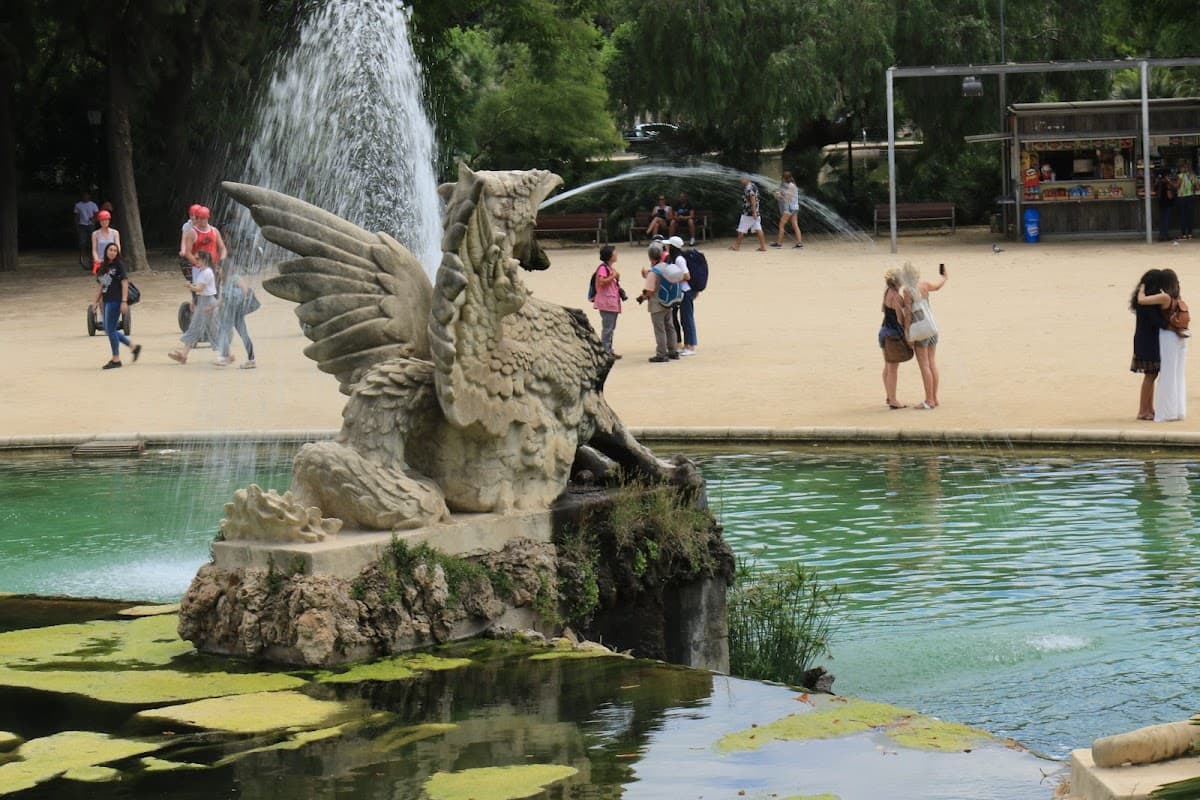
El Born combines historical charm with contemporary edge. Former warehouses now house design hotels, while trendy bars fill 14th-century palaces. The Santa Caterina Market and Parc de la Ciutadella provide local flavor without tourist bus invasions.
Gràcia feels like a village absorbed by the growing city. Plaça del Sol buzzes with outdoor terraces, while quieter residential streets offer authentic neighborhood life. Slightly farther from major sights but well-connected by metro.
Barceloneta puts you steps from the beach and excellent seafood restaurants. The trade-off: fewer cultural attractions within walking distance and potential noise from beachfront nightlife.
Avoid staying right on Las Ramblas – overpriced, tourist-trap restaurants and pickpocket central. A few blocks in any direction offers better value and authentic atmosphere.
What to Eat and Where to Find It
Barcelona's food scene blends Catalan traditions with Mediterranean influences and modern innovation. Timing matters – restaurants open for lunch at 1:30 PM and dinner service starts around 8:30 PM.
Essential Catalan dishes you must try:
Pan con tomate (pa amb tomàquet) appears at every meal. Grilled bread rubbed with tomato, garlic, olive oil, and salt sounds simple but becomes addictive. Bar del Pla in El Born serves the city's best version.
Patatas bravas vary wildly across the city. The definitive version comes from Bar Tomás in Sarrià – crispy potatoes drowning in spicy tomato sauce and aioli. Worth the metro ride.
Jamón ibérico reaches its pinnacle at Enrique Tomás shops throughout the city. Their jamón de bellota melts on your tongue and costs less than tourist trap alternatives.
Paella originated in Valencia, but Barcelona serves excellent versions. Can Solé in Barceloneta has been perfecting seafood paella since 1903. Avoid anywhere advertising paella on Las Ramblas – they're reheating frozen portions.
Escalivada showcases Catalan vegetables at their finest. Roasted peppers, eggplant, and onions dressed with olive oil appear as tapas or main course sides. Cal Pep near the Picasso Museum serves the most flavorful version.
Crema catalana beats crème brûlée every time. The citrus-scented custard with caramelized sugar top originated here centuries before French versions. Granja M. Viader has been serving the same recipe since 1870.
Market experiences shouldn't be missed:
Boquería Market on Las Ramblas suffers from overtourism but still houses incredible vendors. Skip the smoothie stands and find Pinotxo Bar for traditional Catalan breakfast.
Santa Caterina Market in El Born offers a more local experience. The undulating mosaic roof shelters excellent produce stalls and several good restaurants.
Vermouth culture dominates weekend afternoons. Casa Almirall has been serving the aperitif since 1860, while Bodega Maestrazgo offers the city's largest vermouth selection.
Top Experiences and Attractions
Sagrada Família demands advance booking – same-day tickets rarely exist. The UNESCO site has been under construction since 1882 and won't finish until around 2030. Book the tower elevator for unbeatable city views. Early morning (9 AM) or late afternoon visits offer the best light and smaller crowds.
Park Güell requires timed entry tickets (€10). Gaudí's mosaic wonderland provides Instagram-worthy shots and Mediterranean views. The free areas of the park offer hiking trails and local neighborhood atmosphere without admission fees.
Gothic Quarter exploration costs nothing but rewards endlessly. Get lost among medieval streets, discover hidden courtyards, and stumble upon centuries-old churches. Plaça Sant Felip Neri shows bullet holes from Spanish Civil War fighting.
Casa Batlló and Casa Milà (La Pedrera) showcase Gaudí's residential genius. Both offer audio guides and rooftop access. Casa Milà's evening concerts combine architecture with live music for unforgettable experiences.
Picasso Museum houses the world's most extensive collection of the artist's early works. The medieval palaces housing the collection rival the art itself. Free entry first Sunday afternoons (expect crowds).
Beach time at Barceloneta or Bogatell provides essential Mediterranean experiences. Bogatell attracts fewer tourists and offers better swimming conditions. Beach bars (chiringuitos) serve fresh seafood with sand between your toes.
Flamenco shows aren't traditionally Catalan but several venues offer authentic performances. Tablao de Carmen in Poble Espanyol provides dinner shows, while Tablao Flamenco Cordobés on Las Ramblas offers more intimate settings.
Day trips expand your horizons:
- Montserrat monastery (1 hour by train) combines spiritual experiences with dramatic mountain scenery
- Sitges (40 minutes by train) offers beach town charm and vibrant nightlife
- Girona (1.5 hours) provides medieval architecture without Barcelona's crowds
Money-Saving Tips
Museum free hours can slash sightseeing costs. Many museums offer free entry during specific afternoon hours or first Sunday mornings. Research schedules before arrival.
Menu del día provides excellent value Monday through Friday. Three-course lunches with wine often cost €12-18 at restaurants that charge double for dinner.
Grocery shopping at Mercadona or Caprabo costs fraction of restaurant prices. Markets sell excellent produce, cheese, and prepared foods for picnic lunches.
Happy hour vermouth (11 AM-1 PM) offers discounted drinks and free tapas at traditional bars. You'll eat lunch for the price of two drinks.
Walking tours operate on tip-based systems. Free Walking Tours Barcelona covers major sights with knowledgeable guides – pay what you think it's worth.
Beach equipment rental costs less than buying. Umbrella and chair rentals run €6-8 per day instead of €20+ purchase prices.
Neighborhood restaurants away from tourist zones offer identical food at half the price. Walk three blocks from major attractions for dramatic savings.
Common Mistakes to Avoid
Don't eat dinner before 8 PM – you'll find yourself alone in restaurants designed for tourists. Embrace Spanish timing for authentic experiences.
Avoid Las Ramblas restaurants entirely. The famous pedestrian street houses overpriced, low-quality tourist traps. Use it for strolling, not dining.
Don't carry bags loosely in crowds. Pickpockets work Las Ramblas, metro stations, and major attractions professionally. Keep valuables in front pockets or hidden pouches.
Skip the hop-on, hop-off buses unless mobility issues require them. Walking and metro transport will show you more in less time.
Don't book taxis at tourist spots – use apps instead. Official taxi stands at major attractions often involve long waits and higher prices.
Avoid August if possible – locals flee the heat, many restaurants close for vacation, and those remaining triple their prices.
Don't expect English everywhere – learn basic Spanish or Catalan phrases. Catalans appreciate the effort and respond more warmly.
Three-Day Itinerary Overview
Day One: Gaudí and Gothic
Start at Sagrada Família (pre-booked 9 AM entry), then metro to Passeig de Gràcia for Casa Batlló exterior photos and shopping. Afternoon in Gothic Quarter – wander medieval streets, visit Cathedral, explore hidden plazas. Evening tapas in El Born.
Day Two: Culture and Coast
Morning at Park Güell (early timed entry), then down to Picasso Museum via metro. Lunch at Santa Caterina Market, afternoon at Barceloneta beach. Sunset drinks at beachfront chiringuito, dinner in Barceloneta for fresh seafood.
Day Three: Local Life and Views
Explore Gràcia neighborhood markets and plazas, then afternoon at Park de la Ciutadella. Climb Montjuïc hill for sunset views (cable car or funicular), visit Magic Fountain show (Thursday-Sunday). Final dinner in Eixample at traditional Catalan restaurant.
This itinerary balances must-see attractions with authentic local experiences, allowing flexibility for spontaneous discoveries that make Barcelona unforgettable.