Complete Guide to Bangkok: Everything You Need to Know for Your First Visit
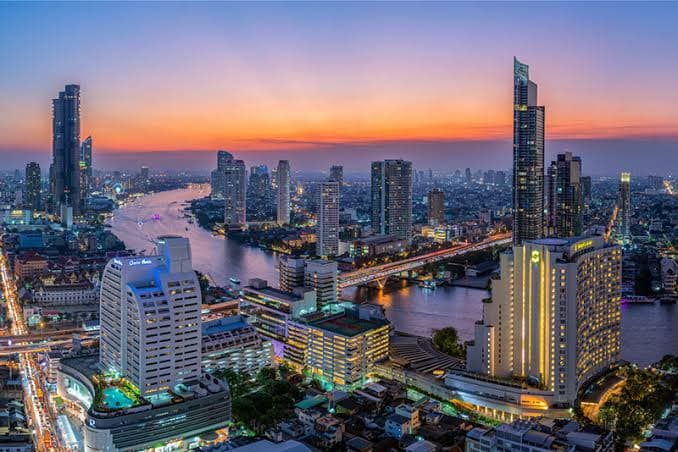
Bangkok hits you like a wall of heat, humidity, and sensory overload the moment you step outside. Street food vendors compete with tuk-tuk engines for noise supremacy, while golden temple spires peek between gleaming shopping malls. It's messy, it's loud, and it's absolutely addictive.
After a dozen visits to Thailand's capital, I've learned that Bangkok rewards those who embrace its contradictions. This city seamlessly blends ancient traditions with modern aspirations, creating an urban experience unlike anywhere else on Earth.
When to Go
Best months: November through February offer the most comfortable weather, with temperatures around 25-30°C (77-86°F) and minimal rainfall. This is peak tourist season, so expect crowds and higher prices.
Shoulder season: March through May brings intense heat (often exceeding 35°C/95°F) but fewer tourists and better deals. If you can handle the heat, you'll have attractions mostly to yourself.
Rainy season: June through October sees daily downpours, usually in late afternoon. Don't let this deter you – rain cools things down, and storms are typically brief but dramatic.
Festival highlights:
- Songkran (mid-April): The world's biggest water fight celebrates Thai New Year. Pack waterproof everything.
- Loy Krathong (November): Thousands of floating lanterns illuminate the Chao Phraya River in a magical evening celebration.
- Chinese New Year (January/February): Chinatown explodes with dragon dances, firecrackers, and incredible street food.
How to Get There and Around
Getting to Bangkok:
Suvarnabhumi Airport (BKK) handles most international flights, while Don Mueang (DMK) serves budget carriers and domestic routes. Both connect to the city center via rail links – the Airport Rail Link from Suvarnabhumi takes 30 minutes to reach central Bangkok.
Getting around Bangkok:
BTS Skytrain: Your best friend for covering central areas. It's air-conditioned, efficient, and avoids traffic. Buy a Rabbit Card for easy top-ups.
MRT Subway: Covers different areas than the BTS, including useful stops like Chatuchak Weekend Market and Wat Pho.
Boats: The Chao Phraya Express Boat is both transportation and sightseeing. Orange flag boats serve tourists with English announcements.
Taxis: Use Grab (Southeast Asia's Uber) or insist on the meter with regular taxis. Traffic can be brutal, so allow extra time.
Tuk-tuks: Fun for short rides but negotiate the price first. They're not cheaper than taxis despite what drivers claim.
Where to Stay
Sukhumvit: The expat and tourist hub stretches along the BTS line. Asok and Nana areas offer endless dining options, while Thong Lo and Ekkamai feel more upscale and local.
Silom/Sathorn: Bangkok's financial district transforms into party central after dark. Close to Lumpini Park and great for both business and leisure travelers.
Khao San Road area: The backpacker headquarters near major temples. It's chaotic and touristy but undeniably atmospheric. Consider nearby Phra Nakhon for a calmer vibe with easy temple access.
Siam/Pratunam: Shopping paradise with massive malls and wholesale markets. Central location makes it easy to reach anywhere in the city.
Riverside: Quieter luxury option with Chao Phraya River views. Limited nightlife but peaceful after busy sightseeing days.
Chinatown: Atmospheric choice for food lovers. Can be noisy and crowded but you're in the heart of Bangkok's most historic district.
What to Eat
Bangkok's street food scene is legendary for good reason. Here's what you can't miss:
Essential dishes:
Pad Thai: Try it at Thip Samai (Phra Nakhon) where they've perfected the recipe for over 50 years.
Som tam (papaya salad): Som Tam Jay So near Victory Monument serves the spiciest, most authentic versions.
Tom yum goong: Sample this iconic sour-spicy soup at Raan Jay Fai, a Michelin-starred street food stall in the old quarter.
Mango sticky rice: Chatuchak Weekend Market has dozens of vendors, but Mae Varee in Thonglor is considered the gold standard.
Boat noodles: These tiny bowls pack huge flavor. Try the original spot at Saphan Phut Market or the more accessible Victory Monument location.
Where to eat:
Street food markets:
- Chatuchak Weekend Market: 15,000 stalls including incredible food sections
- Rot Fai Night Market: Hip evening market with craft beer and fusion food trucks
- Wang Thonglang Market: Local favorite with zero tourists and amazing prices
Food courts:
- MBK Food Court: Tourist-friendly with picture menus and AC
- Platinum Fashion Mall Food Court: Where locals actually eat, dirt cheap prices
Chinatown: Yaowarat Road transforms into food heaven after 6 PM. Follow the crowds and point at what looks good.
Top Experiences and Attractions
Temples (visit before 10 AM to avoid crowds):
- Wat Pho: Home to the massive Reclining Buddha and traditional Thai massage school
- Wat Phra Kaew & Grand Palace: Thailand's most sacred temple complex (dress code strictly enforced)
- Wat Arun: Climb the steep steps at sunset for incredible Chao Phraya River views
Cultural experiences:
- Jim Thompson House: Learn about the American who revived Thai silk industry in his traditional teak home
- Chatuchak Weekend Market: Get lost among 15,000 stalls selling everything imaginable
- Floating markets: Damnoen Saduak is touristy but photogenic; Amphawa is more authentic
Modern Bangkok:
- Rooftop bars: Sky Bar at Lebua State Tower offers 360-degree views (expensive drinks, incredible views)
- Shopping malls: Siam Paragon, CentralWorld, and Terminal 21 showcase Bangkok's consumer culture
- Lumpini Park: Green oasis where locals exercise, feed monitor lizards, and escape the city chaos
Off the beaten path:
- Klong Toey Market: Massive wholesale market where restaurants buy ingredients (early morning only)
- Wang Thonglang Market: Zero-tourist local market with incredible food and people-watching
- Talad Rod Fai: Vintage market with antiques, old cameras, and hipster crowds
Money-Saving Tips
Eat like a local: Street food costs 30-60 baht per dish versus 300+ baht at restaurants. Follow office workers during lunch hours.
Use public transport: BTS day passes cost 140 baht versus 200+ baht for short taxi rides in traffic.
Visit temples early: Beat the crowds and heat while saving on expensive guided tours.
Shop at local markets: Chatuchak Weekend Market and Pratunam offer wholesale prices versus tourist-focused night markets.
Free activities: Lumpini Park, temple exteriors, river walks, and people-watching cost nothing but provide authentic experiences.
Happy hour: Many rooftop bars offer 50% off drinks during sunset hours (usually 5-7 PM).
Negotiate everything: Tuk-tuks, market stalls, and even some hotels will haggle. Start at 50% of the quoted price.
Common Mistakes to Avoid
Falling for gem/tailor scams: Tuk-tuk drivers offering free rides to "special" shops are running commission scams. There are no "government gem stores."
Overdressing for temples: Yes, cover shoulders and knees, but don't wear your heaviest clothes. Lightweight long pants and breathable shirts work fine.
Staying only in tourist areas: Venture beyond Khao San Road and Sukhumvit. Some of Bangkok's best experiences happen in local neighborhoods.
Ignoring traffic timing: Rush hour (7-9 AM, 5-7 PM) turns 15-minute rides into hour-long ordeals. Plan accordingly.
Drinking tap water: Stick to bottled water and ice from reputable vendors. Street food is generally safe, but trust your instincts.
Tipping like you're in America: 10% at nice restaurants is generous. Round up taxi fares and tip street food vendors occasionally, but it's not expected.
Carrying large bills: Many vendors can't break 1,000 baht notes. Keep small bills for street food and tuk-tuks.
Suggested 3-Day Itinerary Overview
Day 1: Classic Bangkok
- Morning: Grand Palace and Wat Phra Kaew (arrive at opening)
- Afternoon: Wat Pho for Reclining Buddha and traditional massage
- Evening: Chao Phraya dinner cruise or riverside restaurant
Day 2: Local Culture
- Morning: Jim Thompson House and shopping in Siam area
- Afternoon: Chatuchak Weekend Market (Saturday/Sunday) or local market exploration
- Evening: Street food tour in Chinatown
Day 3: Modern Bangkok
- Morning: Lumpini Park and nearby temples
- Afternoon: Modern art galleries or luxury shopping
- Evening: Rooftop bar for sunset, then night market browsing
Pro tip: Build flexibility into each day. Bangkok rewards spontaneous exploration – that random alley might lead to your best meal or most interesting conversation.
Bangkok isn't a city you conquer in one visit. It's a place that slowly reveals its secrets to those patient enough to look beyond the obvious. Embrace the chaos, trust your sense of adventure, and prepare for a city that will challenge and reward you in equal measure.