Coisas para fazer em Yogyakarta
53 experiências em Yogyakarta
Receba avisos sobre novas experiências em Yogyakarta
Seja o primeiro a saber quando adicionarmos passeios e ingressos em Yogyakarta.
About Yogyakarta
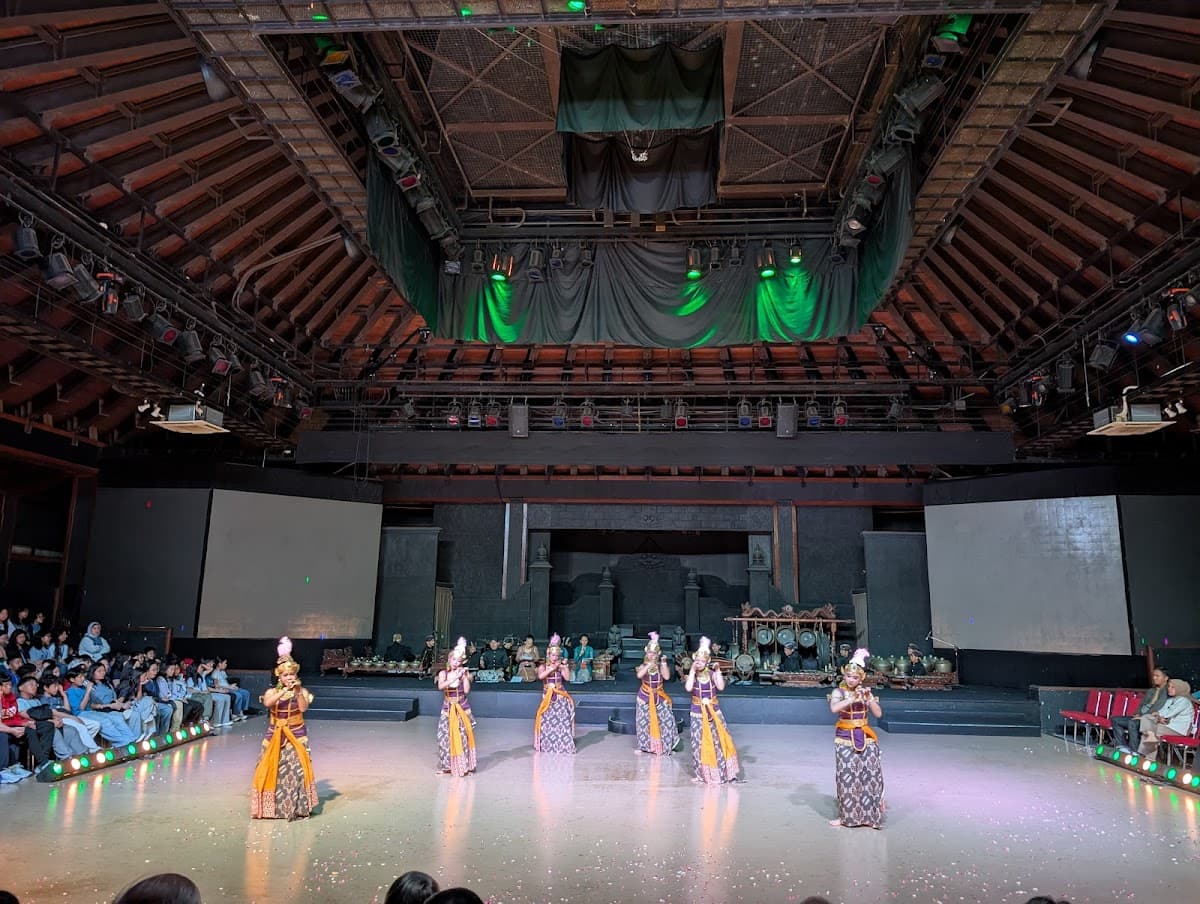
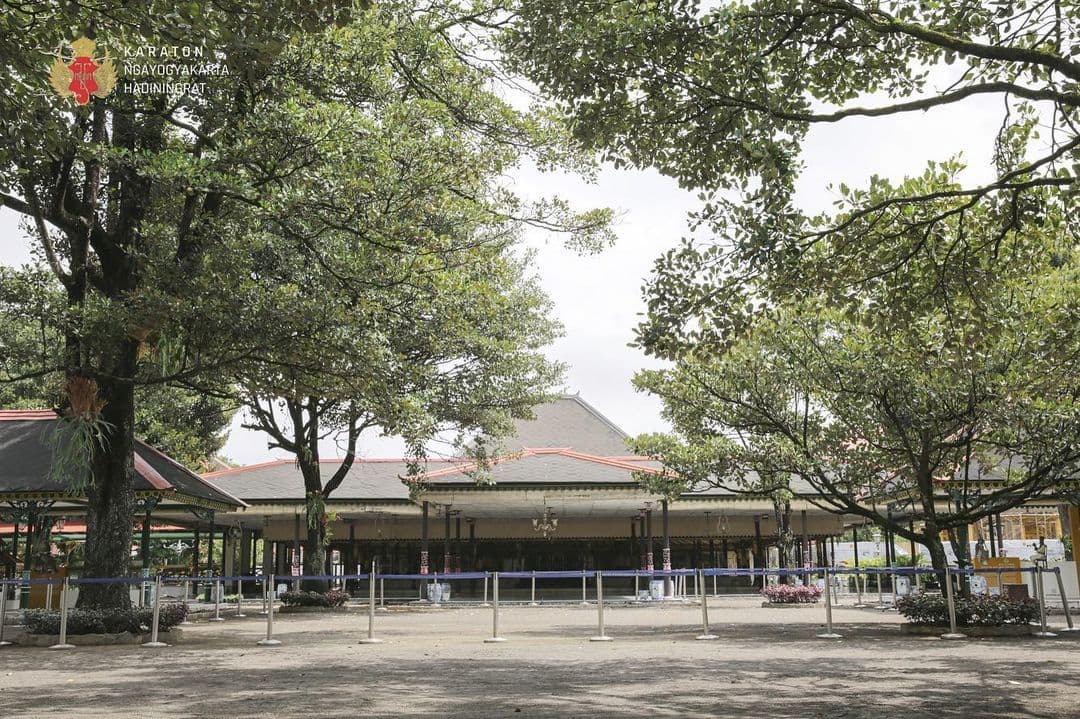
Yogyakarta — Jogja to nearly everyone who visits — is the cultural heart of Java, and it feels different from anywhere else in Indonesia. This is a city still ruled by a sultan who lives in an active kraton (palace) at its center, where batik is stamped by hand in narrow lanes and where the smell of clove cigarettes and sate smoke drifts through the streets at dusk. It's the kind of place where you can watch a wayang kulit shadow puppet performance one night and dance at a student bar the next, because Jogja is also Indonesia's biggest university town, which keeps it young, cheap, and full of energy.
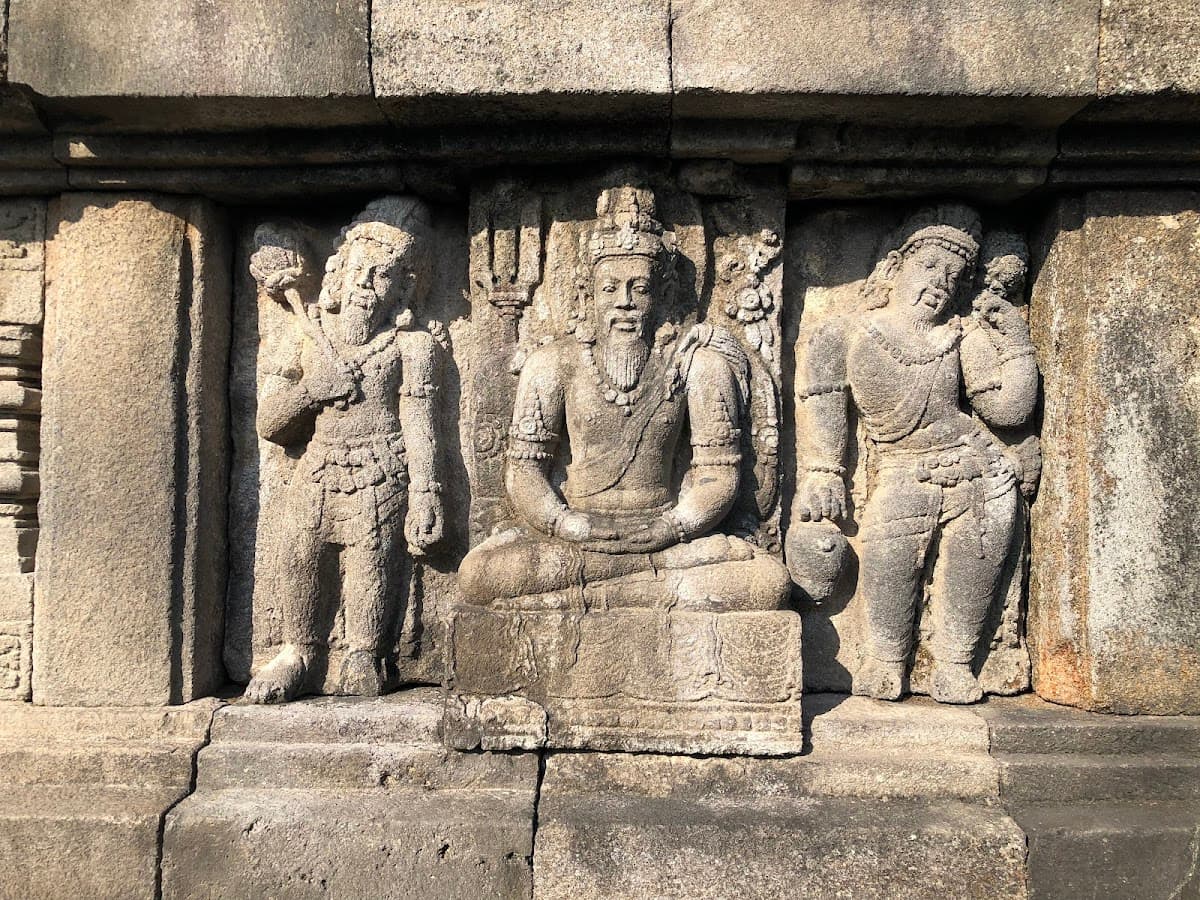
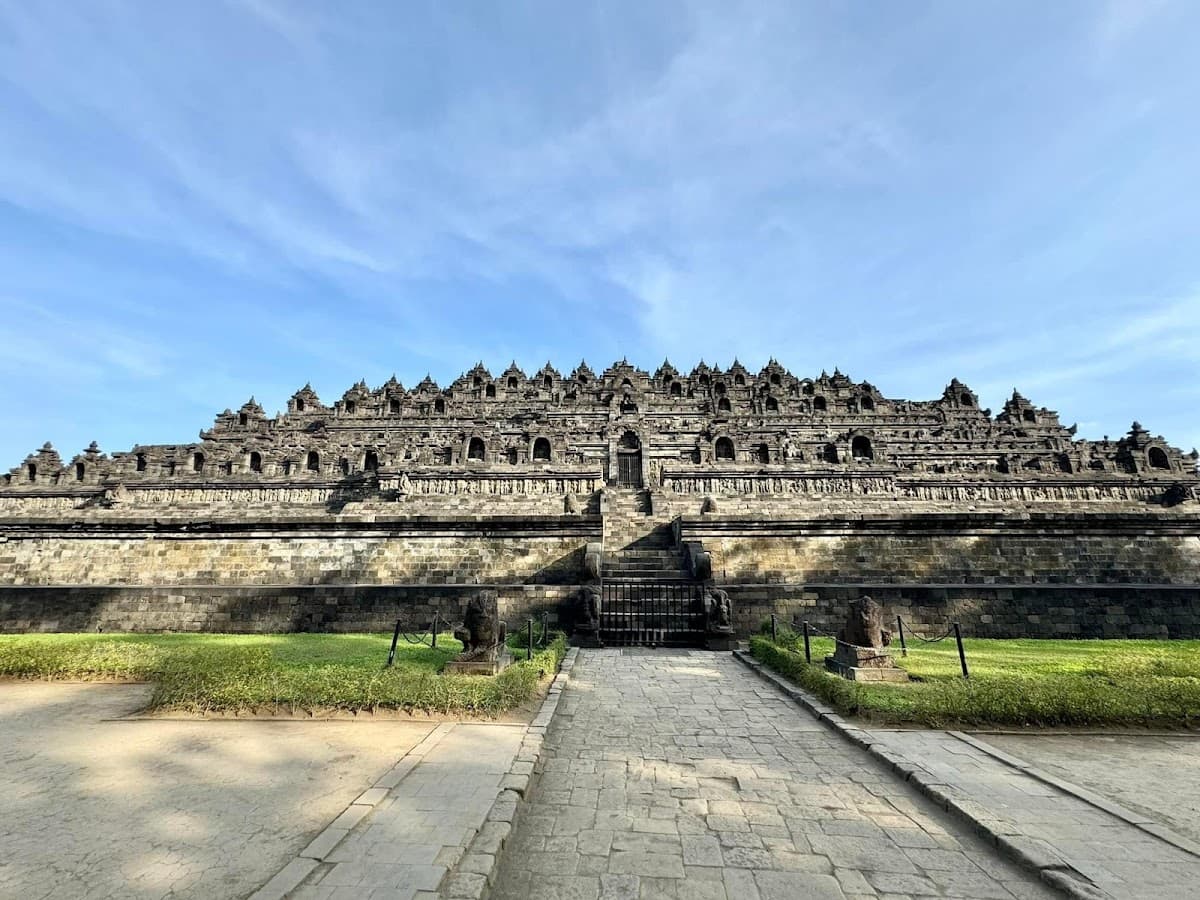
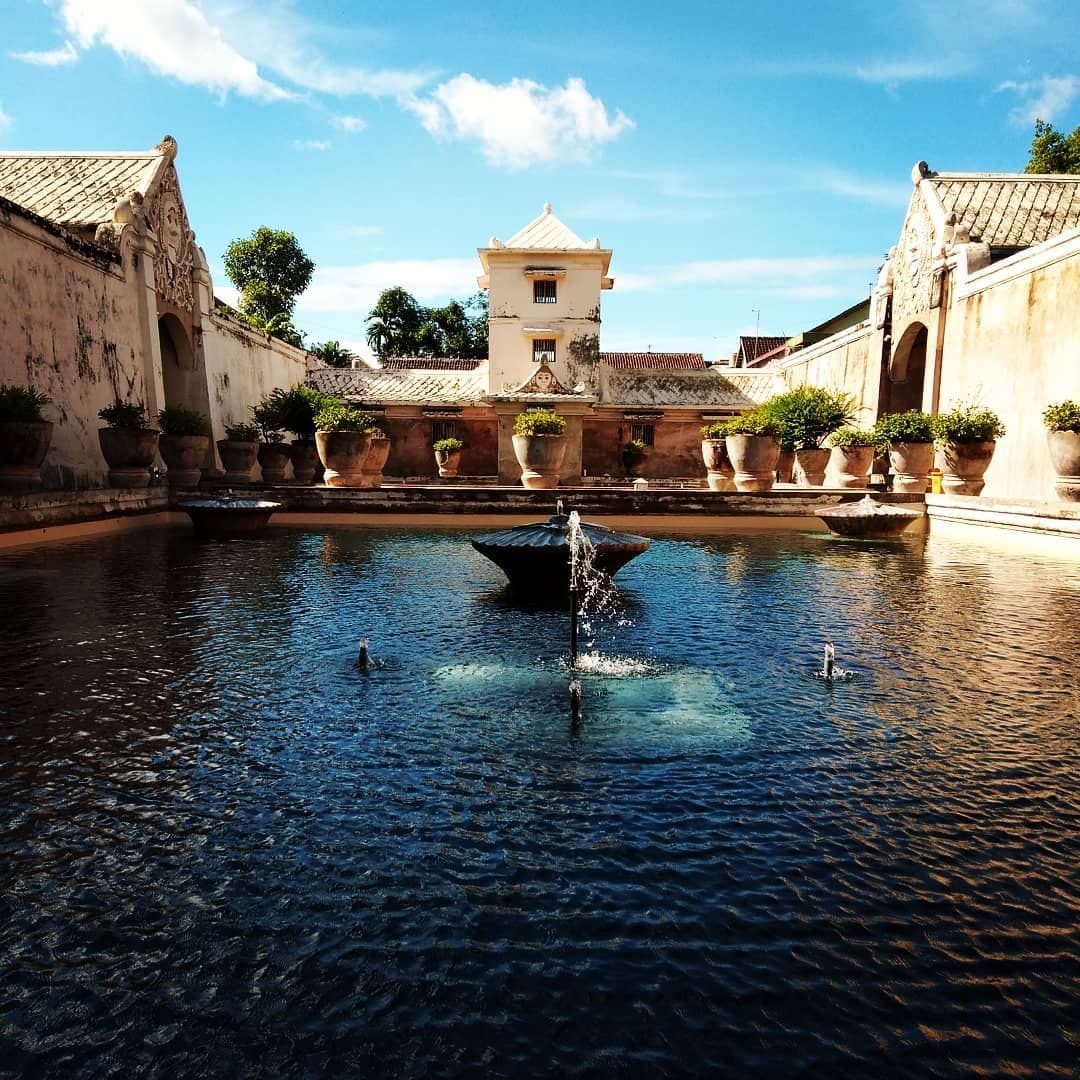
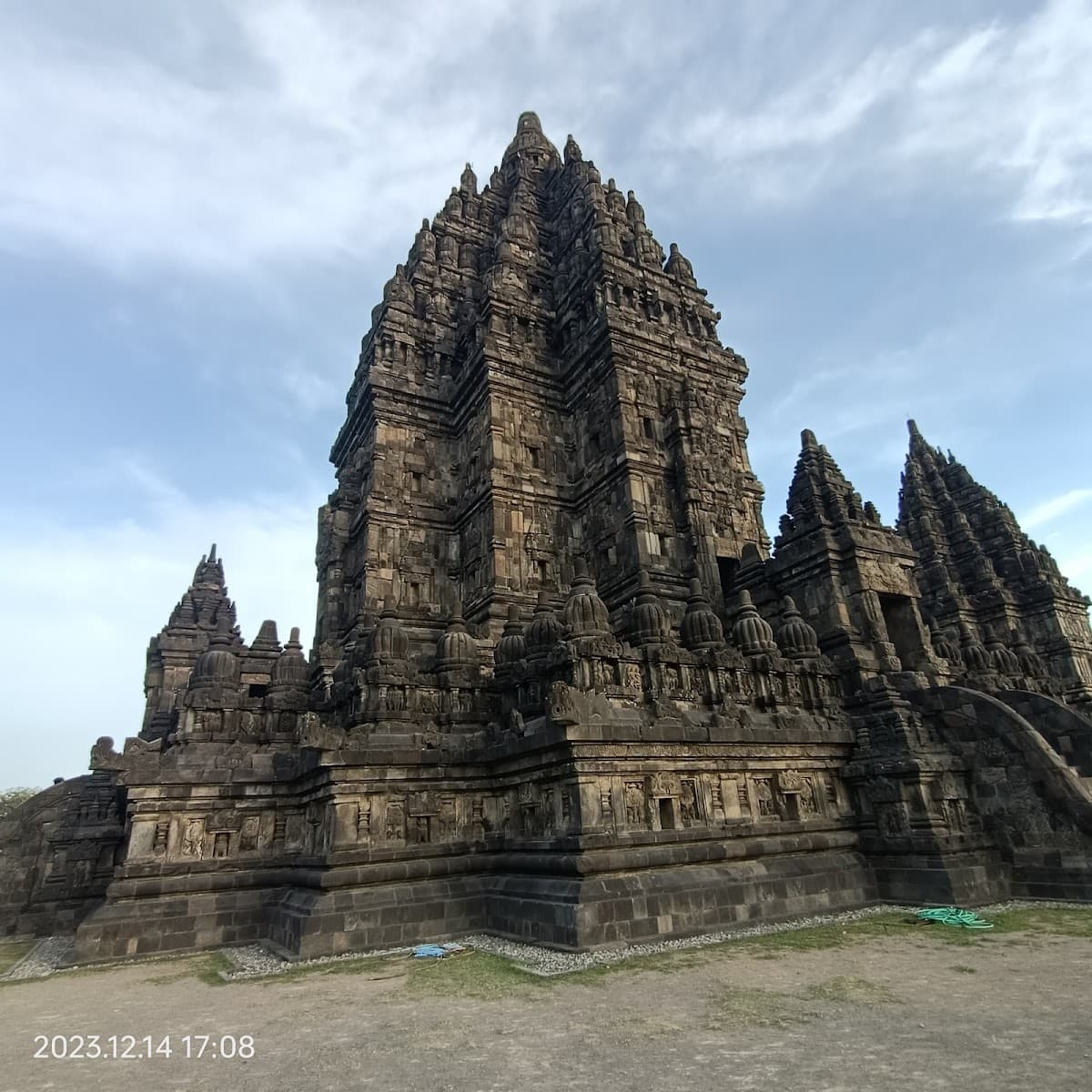
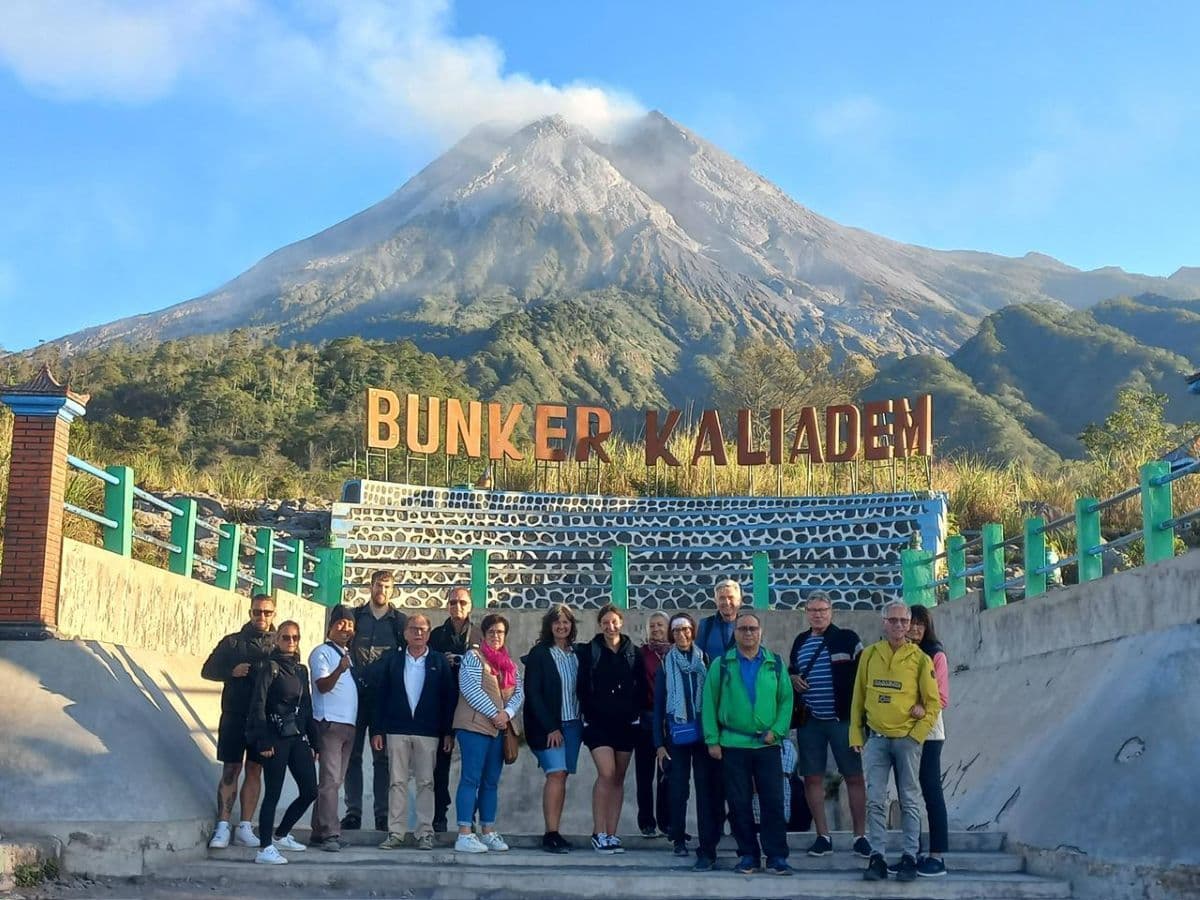
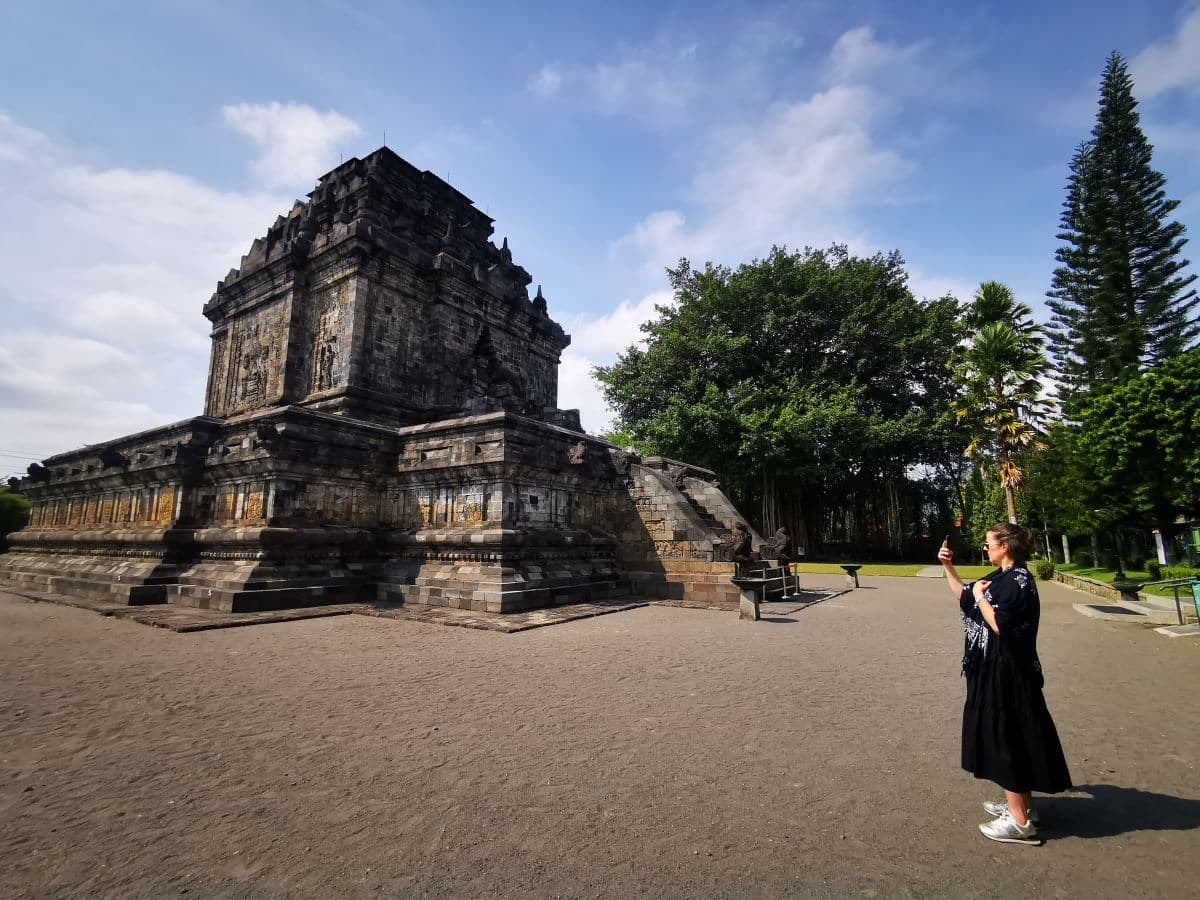
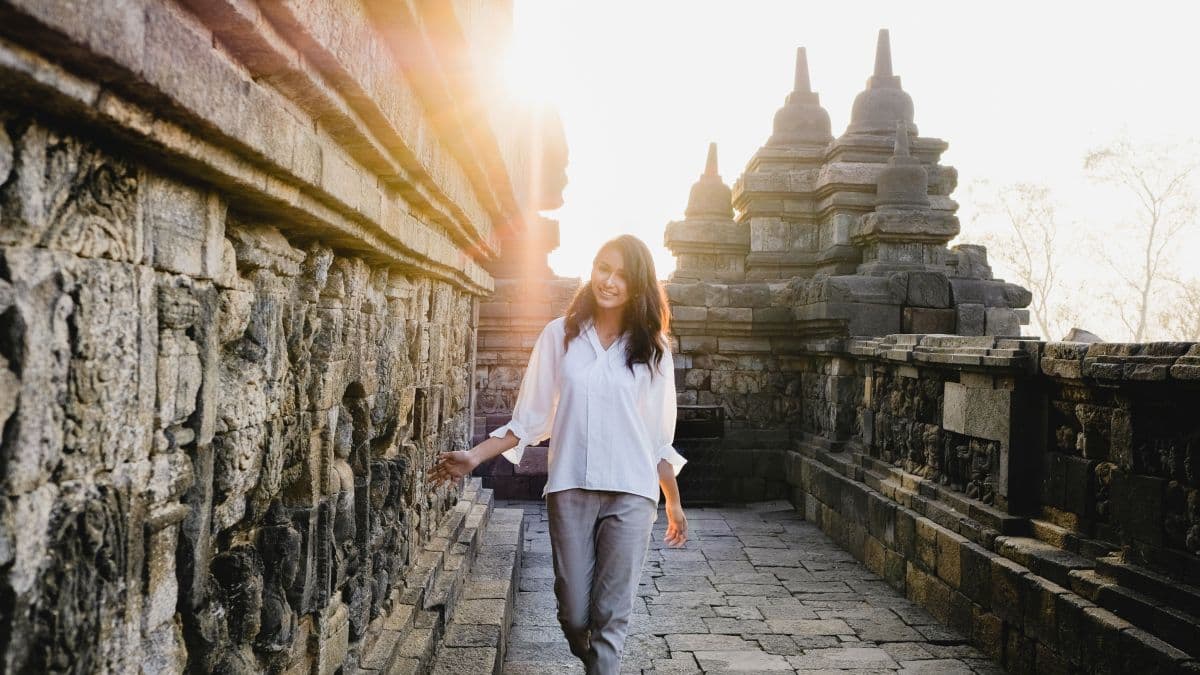
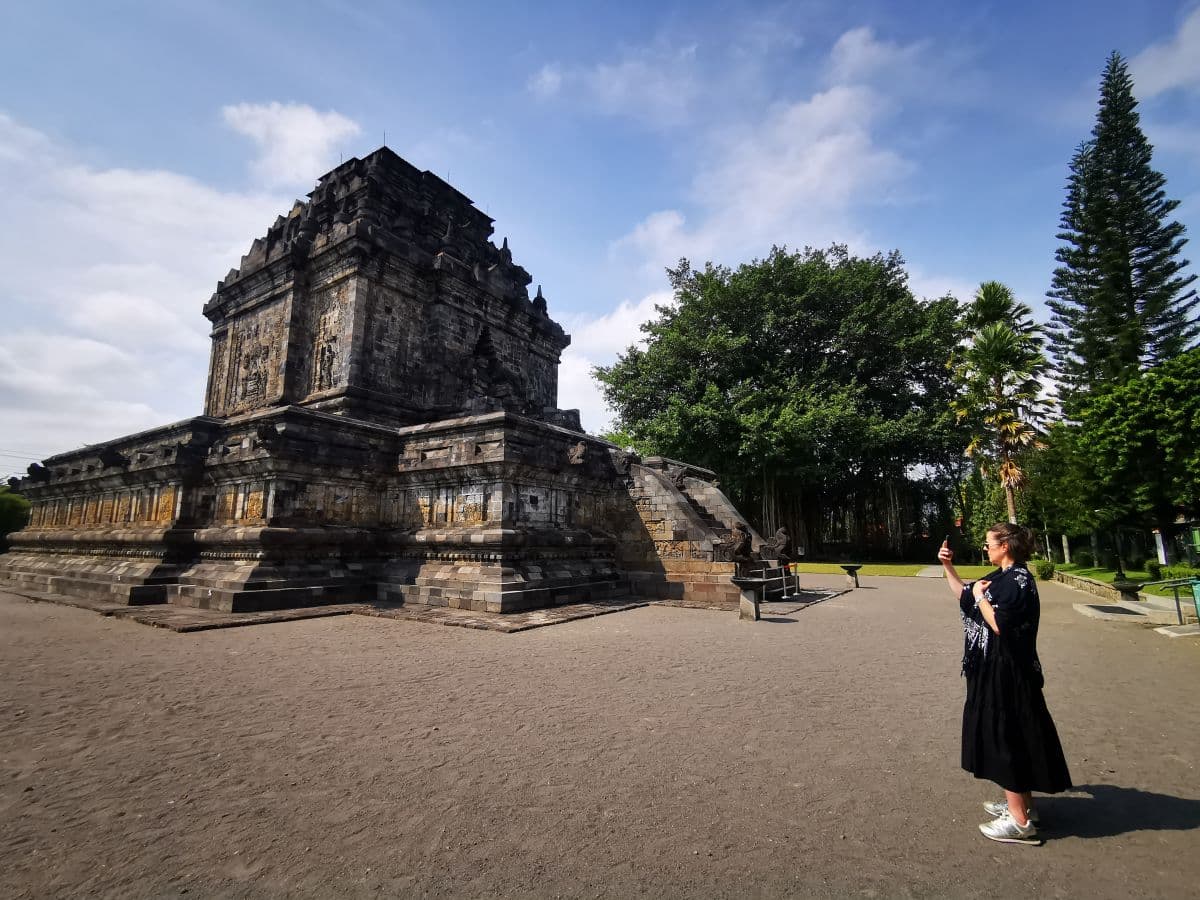
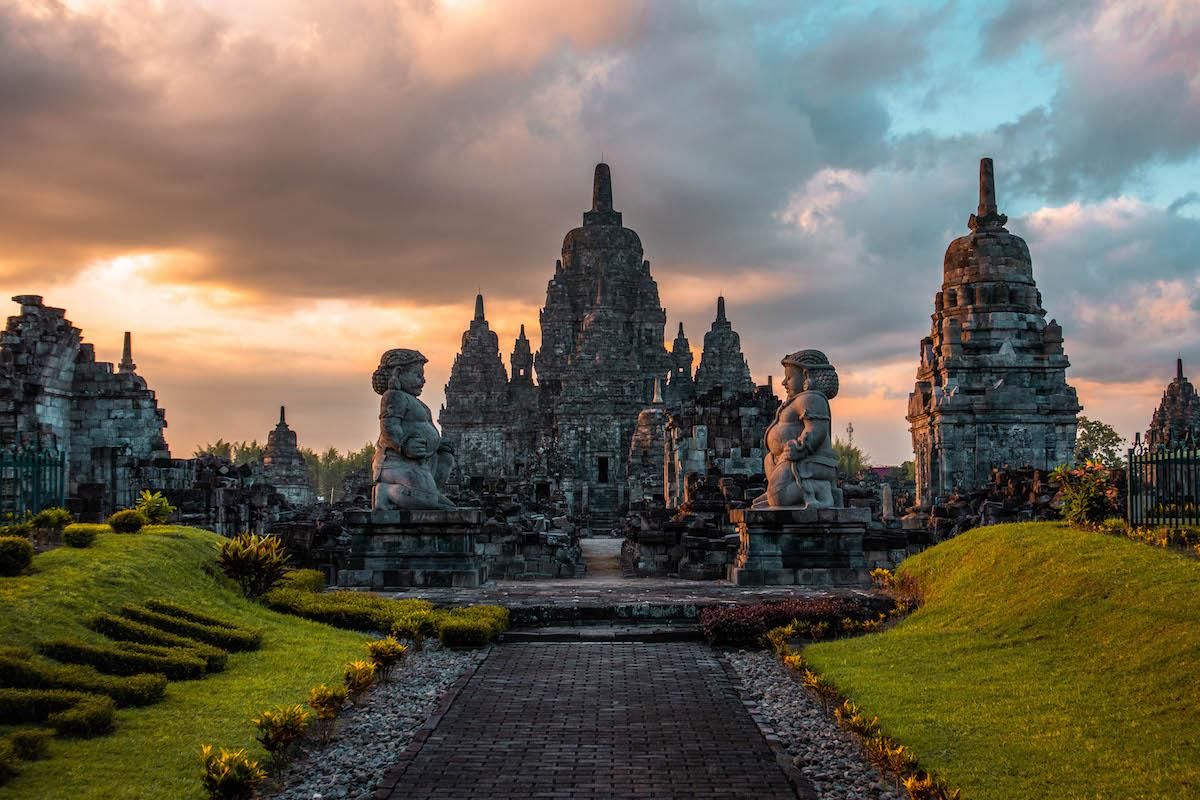
The real draw for most travelers is what surrounds the city: Borobudur, the largest Buddhist monument on earth, sits about 40 minutes northwest, and Prambanan, a soaring 9th-century Hindu temple complex, is 30 minutes east. Both are UNESCO sites and genuinely rank among the best ancient monuments in Southeast Asia. But Jogja itself rewards a few extra days — Malioboro Street's chaos, the batik workshops of Taman Sari, the volcano looming over everything (Merapi, still active, still smoking), and a food scene built around gudeg, the city's sweet jackfruit stew that's sold from carts and warungs at all hours.
This is a destination for people who want culture and history without the polish (or prices) of Bali, and who don't mind a bit of heat, traffic, and hustle to get to something authentic. It suits independent travelers, photographers, families who can handle a few early sunrise starts, and anyone using it as a base to climb Merapi or detour to the beaches of Gunungkidul. It's less suited to travelers wanting beach resorts or a slow, luxury pace — Jogja is dense, hot, and always moving, and its charm is in the streets, not a hotel pool.
Good to Know
SIM cards: Telkomsel or XL Axiata SIMs are cheap and available at the airport or convenience stores (Indomaret/Alfamart) — expect to pay IDR 50,000–100,000 for a data package.
Money: Cash is still king at markets, angkringan stalls, and becak rides; ATMs are widely available in Malioboro and Prawirotaman. Carry small denominations for street food and rickshaws.
Dress code: Dress modestly when visiting the Kraton, mosques, or Borobudur/Prambanan — shoulders and knees covered; sarongs are sometimes provided for rent at temple entrances.
Bargaining: Expected at markets and with becak/andong drivers — start at roughly half the initial asking price and settle in the middle.
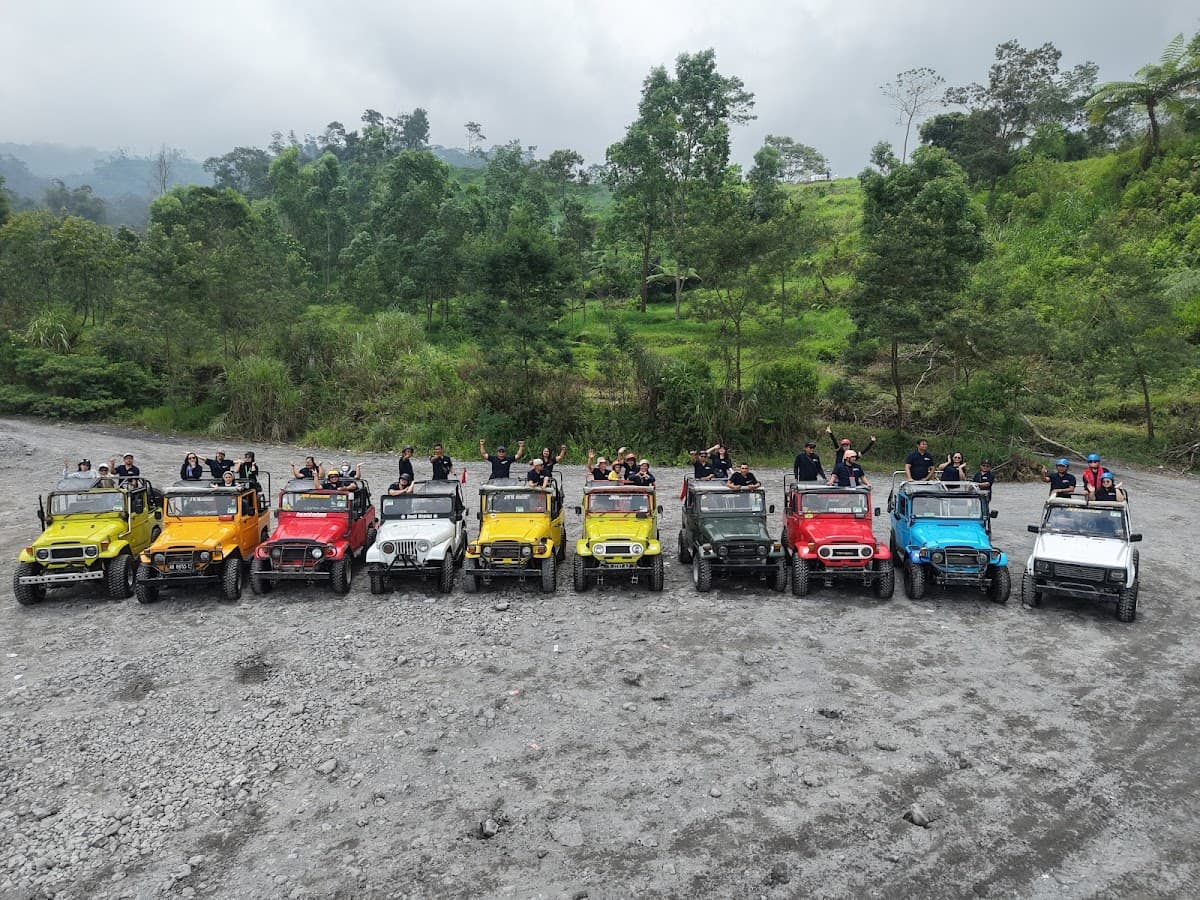
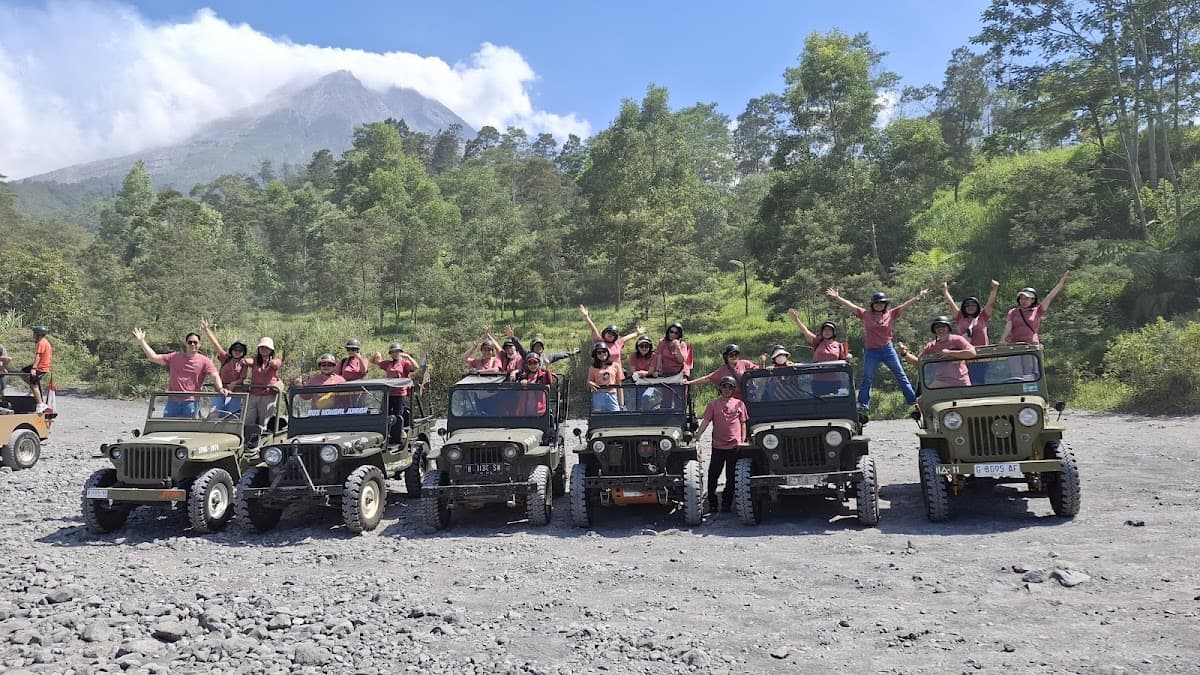
Sunrise tours: Borobudur sunrise tickets and Merapi jeep tours should be booked a day ahead, especially in peak season — hotels and agents can arrange pickup as early as 3:30am.
Tipping: Not obligatory but appreciated — rounding up taxi fares or leaving 5,000–10,000 IDR for guides and drivers is standard.
Safety: Generally very safe for tourists; main risks are traffic (as a pedestrian or rider) and pickpocketing in crowded Malioboro at night.
Heat: Afternoons get intensely hot and humid — plan outdoor temple visits for early morning or late afternoon, and carry water everywhere.