
Co robić w Daegu
2 atrakcje w Daegu
Otrzymuj powiadomienia o nowych atrakcjach w Daegu
Dowiedz się pierwszy, gdy dodamy wycieczki i bilety w Daegu.
About Daegu
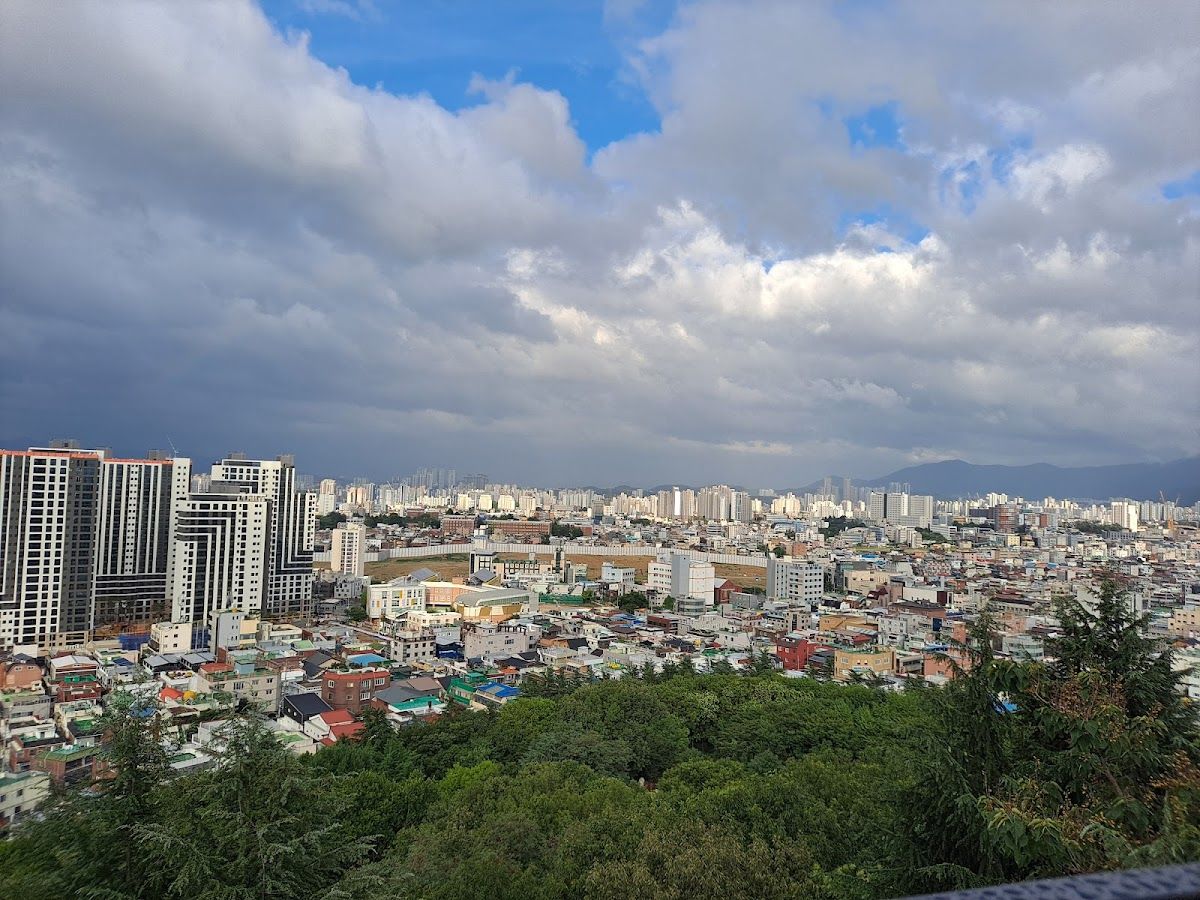
Daegu doesn't try to be Seoul, and that's precisely its appeal. South Korea's fourth-largest city moves at a calmer pace, wrapped by mountains and defined by a textile industry legacy that once earned it the nickname "Korea's Milano." The city center is compact and walkable in a way that Seoul rarely is, with the historic Jung-gu district holding colonial-era buildings, Confucian academies, and a medicine market that's been trading herbs since the 1600s. Summers here get brutally hot — Daegu is famously the country's warmest city — but the trade-off is a climate that produces some of Korea's best apples and a laid-back regional character that locals call "Daegu-style" bluntness.
What sets Daegu apart is its density of specific, walkable experiences packed into a manageable footprint. You can wander the Yangnyeongsi herb medicine market in the morning, hike Palgongsan's granite peaks by afternoon, and eat makchang (grilled beef intestine, a Daegu invention) by night, all without needing a car or an elaborate transit plan. The city also carries real historical weight — it was a key battleground in the Korean War and the birthplace of the 2·28 democratic movement — without turning itself into a museum piece. Everyday life continues in the same streets.
This is a destination for travelers who've already done Seoul and Busan and want something less filtered through international attention, for hikers drawn to Palgongsan and the Apsan cable car, and for food-focused travelers chasing regional specialties you won't find plated the same way elsewhere. It's less suited to first-time Korea visitors chasing K-pop culture or nightlife spectacle — Daegu's charm is quieter, more textural, and rewards people willing to eat at a stall with no English menu.
Good to Know
- Buy a T-money card at any convenience store (CU, GS25) for subway, bus, and even some taxi payments — top up with cash at subway station machines
- Tipping isn't expected anywhere in Korea, including restaurants and taxis — attempting to tip can cause confusion
- Get a local SIM or eSIM at the airport (KT, SKT, or LG U+ counters) or order ahead online for pickup; Wi-Fi is widely available but a data plan makes navigation far easier
- Cash is still useful at traditional markets like Seomun and Yangnyeongsi, even though card payment is standard almost everywhere else
- Daegu is very safe for solo travelers and late-night walking, though standard city awareness still applies around nightlife areas
- Dress modestly when visiting Donghwasa Temple or other religious sites — covered shoulders and knees are appreciated
- Learn basic Korean numbers and phrases; English signage thins out quickly once you're off Dongseongno and away from major attractions
- Summer visitors should carry a portable fan or cooling towel — Daegu's heat is a genuine health consideration, not just discomfort


![[City Tour Bus] Daegu City Tour Bus](/_next/image?url=https%3A%2F%2Ftixlayer.com%2Fstorage%2Fattractions%2F7530%2Fsupplier_5.jpg&w=3840&q=75)
![Fotografia podróżnicza w Daegu, Korea Południowa [Kierowca i przewodnik + fotografia podróżnicza + zdjęcia ślubne, fotografia z powietrza, mikrofilm + makijaż oraz ubrania i akcesoria + personalizacja planu podróży + nieograniczone]](/_next/image?url=https%3A%2F%2Ftixlayer.com%2Fstorage%2Fattractions%2F7495%2Fsupplier_6_hq.jpg&w=3840&q=75)