
Valencia에서 즐길 거리
Valencia의 14개 체험
Valencia의 새로운 경험을 알려드립니다
Valencia에 투어와 티켓이 추가되면 가장 먼저 알려드립니다.
About Valencia
Valencia is what happens when a city refuses to choose between its past and its future. In the same afternoon you can wander the narrow medieval lanes of Barrio del Carmen, past centuries-old buildings covered in street art, then walk fifteen minutes to stand beneath Santiago Calatrava's white futuristic arches at the City of Arts and Sciences. Spain's third-largest city has spent the last two decades quietly becoming one of Europe's most livable urban centers, and it shows: wide bike lanes, a nine-kilometer former riverbed turned into a public park, and a pace of life that's noticeably calmer than Madrid or Barcelona.
This is the birthplace of paella, and locals take the dish seriously enough that ordering it with seafood in front of a Valencian chef will earn you a polite but firm correction. The food culture runs deeper than one dish, though — this is Spain's rice bowl and citrus belt, and the produce shows up in a market culture that's still central to daily life, not a tourist performance. Mercado Central remains a working market where grandmothers haggle over jamón alongside food-tour groups.
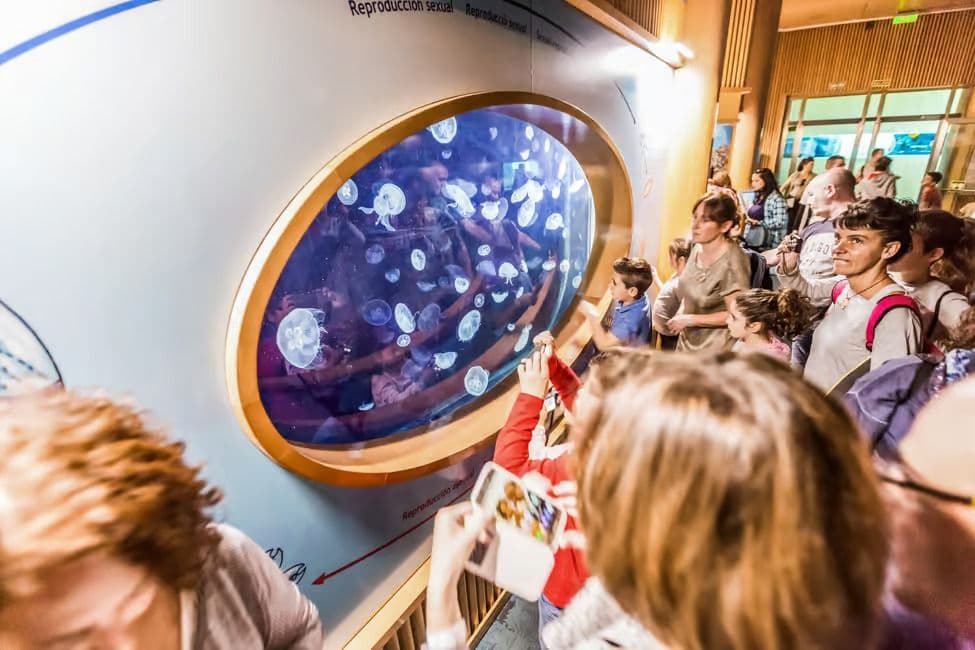
Valencia works well for a wide range of travelers: couples wanting beach time without the Costa Brava crowds, families drawn by the science museum and aquarium, budget travelers who get more for their money than in Barcelona, and anyone burned out on cities that feel overrun. It's less polished than Barcelona and less chaotic than Madrid, with a laid-back, slightly unglamorous charm that rewards people who actually want to slow down rather than just say they did.
Good to Know
- Tipping isn't obligatory; rounding up or leaving 5-10% for good service at sit-down restaurants is standard, nothing is expected at bars
- Dress is casual almost everywhere, but cover shoulders and knees for the Cathedral and other churches
- Valencia is very safe by European standards, though pickpocketing happens in Mercado Central and around the train station — keep bags zipped and in front
- A prepaid Spanish SIM (Orange, Vodafone, or Movistar) or an EU-compatible eSIM is easy to set up at the airport for a few euros
- Many smaller shops and markets close for a few hours in early afternoon and on Sunday, so plan errands accordingly
- ATMs are everywhere; cards are widely accepted but carry some cash for small bars and market stalls
- Book paella lunch reservations ahead in summer, especially at well-known beachfront restaurants
- If visiting during Las Fallas, wear earplugs — the fireworks and firecrackers (mascletà) go off daily at 2pm and are genuinely loud