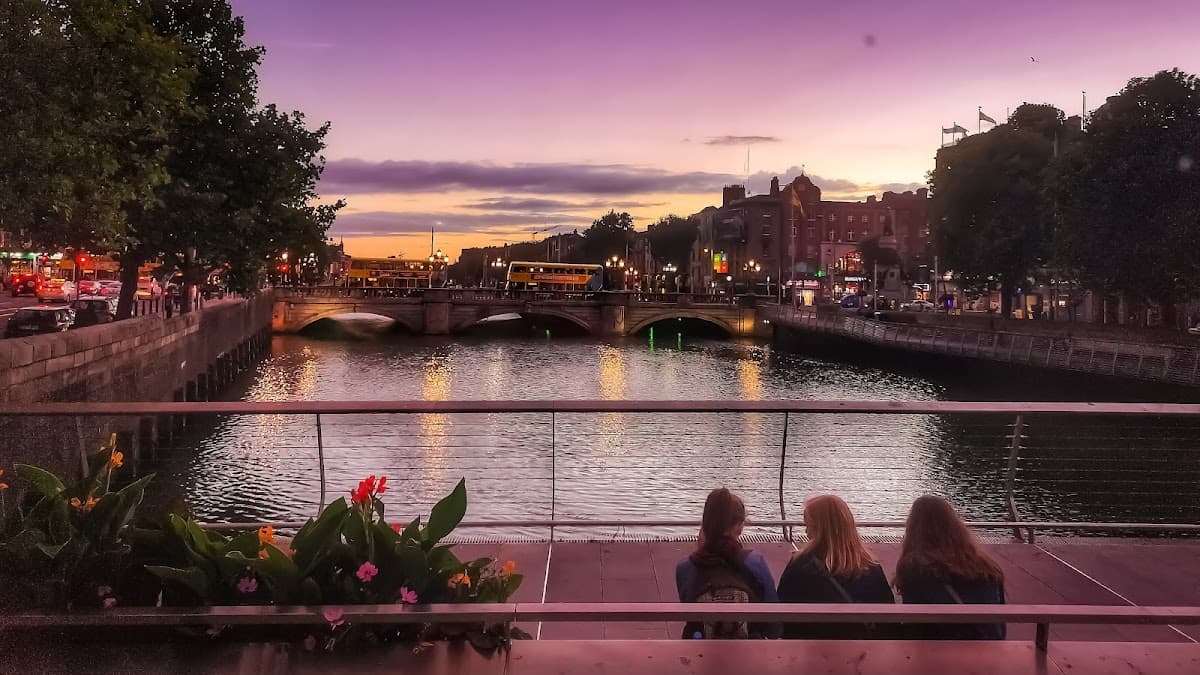
Seoul hits you like a perfectly choreographed K-pop routine – every element synchronized, yet bursting with individual flair. This city of 9.7 million people has mastered the art of making the ultra-modern feel timeless and the centuries-old feel refreshingly contemporary. Whether you're here for the kimchi, the culture, or just to see what all the Korean Wave fuss is about, Seoul delivers experiences that'll have you planning your return trip before you've even left.
Gyeongbokgung Palace: Step Into Korea's Royal Past
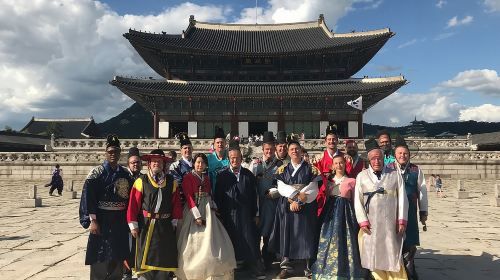
Built in 1395, Gyeongbokgung Palace serves as Seoul's crown jewel and your best introduction to Korean royal architecture. The Changing of the Guard ceremony happens three times daily and feels like stepping into a historical drama – except the costumes are authentic replicas and the pageantry is real.
What makes it special: The palace grounds sprawl across 40 hectares in the heart of modern Seoul, creating an almost surreal juxtaposition with the skyscrapers beyond its walls. Don't miss the National Palace Museum and the beautifully preserved throne hall.
Practical info: Visit during the 10 AM, 2 PM, or 3:30 PM guard ceremonies. Allow 2-3 hours for a thorough exploration. Entry costs around ₩3,000 ($2.50). Wear comfortable walking shoes – those courtyard stones aren't forgiving.
Best for: History buffs, photographers, and families. Kids love the colorful ceremonies, while adults appreciate the architectural details.
Bukchon Hanok Village: Traditional Architecture Meets Instagram Goals
This 600-year-old neighborhood showcases traditional Korean houses (hanoks) nestled between two palaces. It's become Seoul's most photographed neighborhood, and for good reason – the curved rooflines against the modern city skyline create pure visual poetry.
What makes it special: Unlike many "preserved" areas, Bukchon remains a living neighborhood where families actually reside in these traditional homes. The narrow alleys reveal tea houses, craft workshops, and small museums tucked into converted hanoks.
Practical info: Early morning (8-10 AM) offers the best light and fewer crowds. Free to explore, but budget ₩15,000-30,000 ($12-25) for tea houses and small museums. Wear quiet shoes and respect the "Quiet Please" signs – real families live here.
Best for: Solo travelers and couples seeking atmospheric walks. Photography enthusiasts will lose hours here.
Myeongdong Shopping District: Retail Therapy, Korean Style
Myeongdong transforms Seoul's central district into a pedestrian paradise where Korean beauty products, street food, and international brands create a shopping symphony. This is where K-beauty became a global phenomenon, and the selection remains unmatched.
What makes it special: Beyond shopping, Myeongdong offers some of Seoul's best street food. Try hotteok (sweet pancakes) or tteokbokki (spicy rice cakes) from sidewalk vendors who've perfected their recipes over decades.
Practical info: Peak hours run 6-10 PM when everything's illuminated. Budget varies wildly – street food costs ₩3,000-8,000 ($2.50-7) per item, while skincare hauls can reach hundreds. Many shops offer tax-free shopping for tourists.
Best for: Beauty enthusiasts, foodies, and anyone who enjoys energetic urban environments. Families will find plenty of kid-friendly snacks and activities.
N Seoul Tower: 360-Degree Views and Romantic Vibes
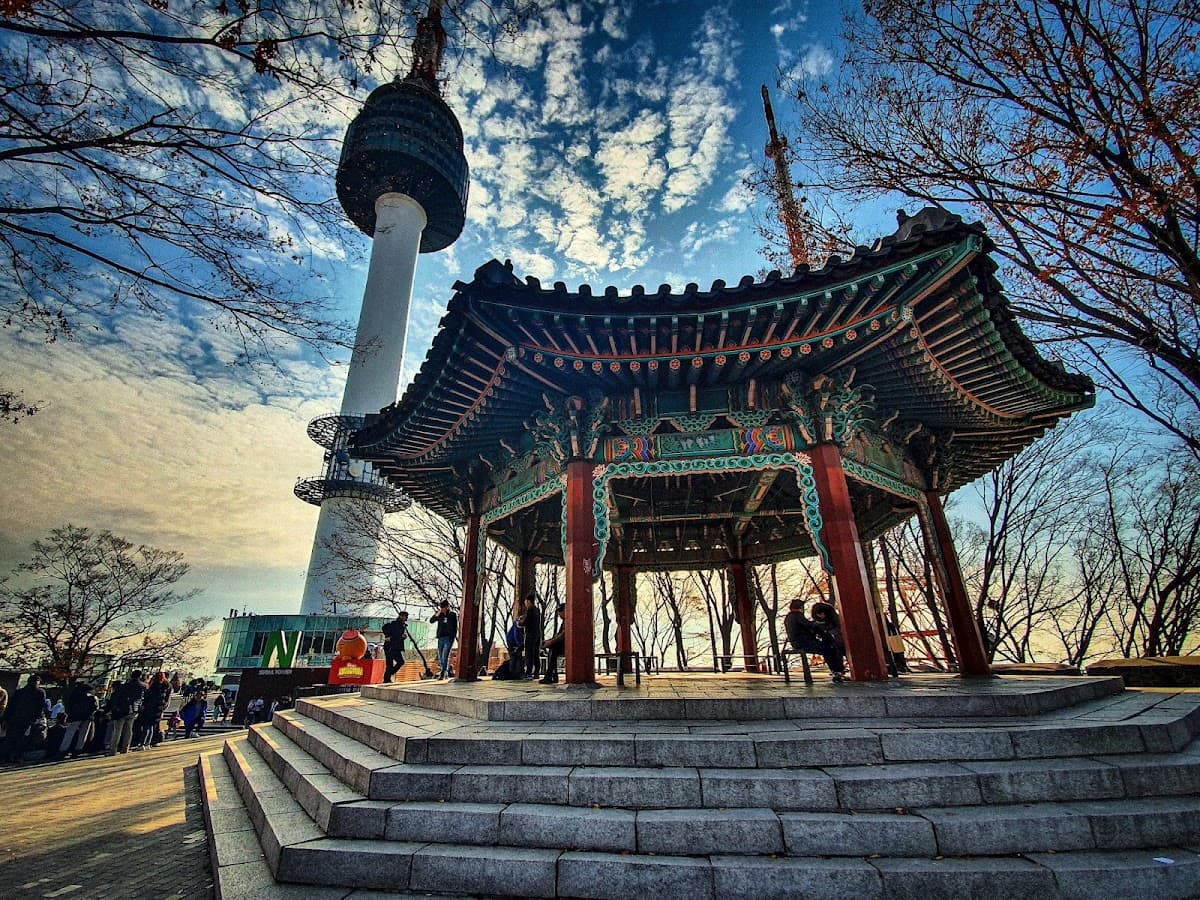
Perched atop Namsan Mountain, N Seoul Tower offers Seoul's best panoramic views while serving as the city's romantic epicenter. Couples attach "love locks" to the observation deck fences, creating a colorful testament to Seoul's romantic side.
What makes it special: The tower's LED exterior changes colors and patterns nightly, visible across the city. Time your visit for sunset to catch Seoul's transition from daylight bustle to neon-lit night energy.
Practical info: Take the Namsan Cable Car (₩11,000/$9 round-trip) or hike the mountain paths. Observatory tickets cost ₩16,000 ($13). The journey up takes 30 minutes; plan 2 hours total. Evening visits offer the most dramatic views.
Best for: Couples seeking romantic settings, families with older children, and photographers chasing that perfect cityscape shot.
Hongdae: Where Seoul's Youth Culture Comes Alive
Surrounding Hongik University, Hongdae pulses with student energy, indie music venues, and experimental art. This neighborhood invented Seoul's modern nightlife scene and continues pushing creative boundaries.
What makes it special: Street performances happen spontaneously – you might catch impromptu dance battles or acoustic sets while walking between bars. The area seamlessly blends underground clubs with cozy cafes and vintage shops.
Practical info: The action peaks after 10 PM and continues until dawn. Club covers run ₩15,000-30,000 ($12-25). Many venues offer foreigner discounts. Subway runs until midnight; budget for taxi rides home after late nights.
Best for: Solo travelers wanting to meet locals, couples seeking vibrant nightlife, and anyone interested in Seoul's contemporary culture.
Dongdaemun Design Plaza: Architecture Meets Innovation
Designed by Zaha Hadid, this flowing metallic structure houses Seoul's fashion and design hub. The building itself deserves as much attention as its contents – those curves defy traditional architecture while housing cutting-edge exhibitions.
What makes it special: The 24-hour shopping complex means you can hunt for unique Korean fashion pieces at 3 AM. The LED rose garden illuminates evenings with thousands of digital flowers that respond to movement.
Practical info: Shopping areas stay open 24/7; exhibitions run standard hours (10 AM-8 PM). Exhibition entry costs ₩5,000-15,000 ($4-12). The LED garden activates after sunset and is free to experience.
Best for: Design enthusiasts, night owls, and fashion lovers seeking pieces unavailable elsewhere.
War Memorial of Korea: Sobering History and Remembrance
This extensive museum chronicles Korea's military history from ancient times through the Korean War. The outdoor displays feature actual aircraft, tanks, and naval vessels, while indoor exhibits provide context often missing from international perspectives on Korean conflicts.
What makes it special: The memorial successfully balances honoring fallen soldiers with educating visitors about Korea's complex military history. The Korean War section offers particularly valuable insights for international visitors.
Practical info: Allow 3-4 hours for a comprehensive visit. Free admission, though donations are appreciated. Closes Mondays. Audio guides available in multiple languages for ₩3,000 ($2.50).
Best for: History enthusiasts, military buffs, and travelers seeking deeper understanding of Korean society and culture.
Han River Parks: Seoul's Natural Escape
The Han River bisects Seoul while providing green space for 9.7 million people. Multiple parks line both sides, offering cycling paths, picnic areas, and seasonal festivals that showcase Seoul's community spirit.
What makes it special: Locals gather for "chimaek" (chicken and beer) picnics, creating an authentic cultural experience tourists rarely access. Bike rentals and river cruises add active options to simple relaxation.
Practical info: Bike rentals cost ₩3,000-5,000 ($2.50-4) per hour. River cruises run ₩15,000-25,000 ($12-20) depending on route. Spring (April-May) and fall (September-October) offer ideal weather.
Best for: Families wanting outdoor time, couples seeking peaceful moments, and solo travelers hoping to observe local life.
Insadong: Traditional Arts and Culture Hub
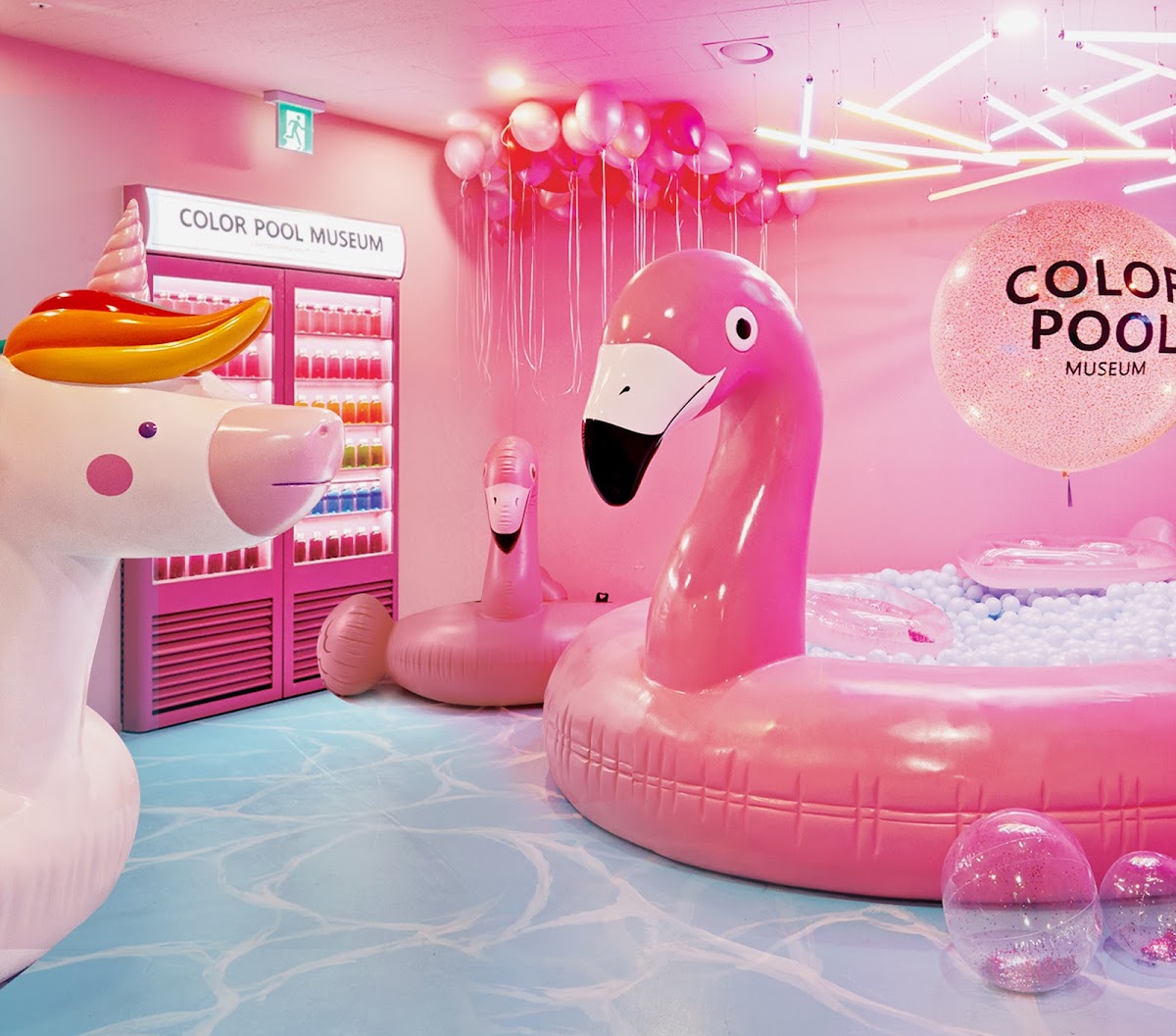
This historic neighborhood specializes in traditional Korean arts, crafts, and cultural experiences. Tea houses tucked into narrow alleys serve centuries-old recipes, while galleries showcase both established and emerging Korean artists.
What makes it special: Unlike touristy craft districts elsewhere, Insadong maintains authentic cultural connections. Many shops are run by actual artisans who can explain their techniques and cultural significance.
Practical info: Most shops open around 10 AM and close by 7 PM. Traditional tea costs ₩8,000-15,000 ($6-12). Sundays feature street performances and expanded vendor stalls. Allow 2-3 hours for thorough exploration.
Best for: Culture enthusiasts, art collectors, and travelers seeking authentic Korean crafts rather than mass-produced souvenirs.
Gangnam District: Glitz, Glamour, and Yes, That Song
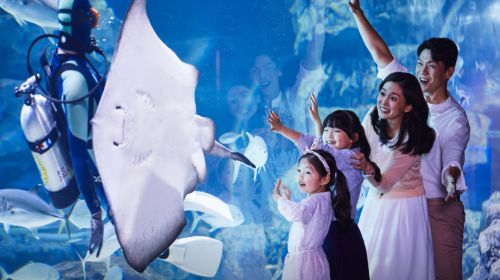
Made globally famous by Psy's "Gangnam Style," this upscale district showcases Seoul's wealth and ambition. High-end shopping, sleek restaurants, and the plastic surgery capital of the world create a distinctly modern Korean experience.
What makes it special: COEX Mall, Asia's largest underground shopping complex, connects to an aquarium, library, and convention center. The Bongeunsa Temple provides spiritual contrast to the surrounding materialism.
Practical info: Shopping here costs significantly more than other districts. COEX Aquarium tickets run ₩28,000 ($23) for adults. The temple is free and offers meditation programs for visitors.
Best for: Luxury shoppers, curious tourists wanting to see Seoul's affluent side, and families (the aquarium is excellent for kids).
Gwangjang Market: Street Food Paradise
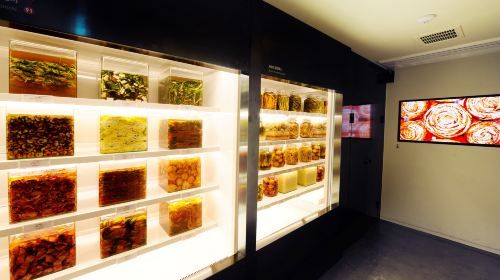
Seoul's oldest traditional market (over 100 years) serves some of the city's best street food in an authentic setting where locals actually shop for daily necessities.
What makes it special: Vendors often represent second or third-generation family businesses. Try bindaetteok (mung bean pancakes), mayak gimbap (mini rice rolls), or sannakji (live octopus) for the truly adventurous.
Practical info: Peak lunch hours (11 AM-2 PM) offer the freshest food but biggest crowds. Most dishes cost ₩3,000-8,000 ($2.50-7). Cash only. Arrive hungry and pace yourself – there's too much to try.
Best for: Food adventurers, budget travelers, and anyone wanting authentic local experiences rather than tourist-focused dining.
Banpo Rainbow Bridge: Water, Light, and Music Symphony
This fountain show transforms a major bridge into Seoul's largest water display, synchronized to music and lights. The Moonlight Rainbow Fountain operates seasonally and draws both locals and tourists for evening entertainment.
What makes it special: Unlike many tourist attractions, this remains popular with Seoul residents, creating a genuine community atmosphere during shows. Nearby Banpo Park offers perfect viewing with food vendors and seating areas.
Practical info: Shows run April-October, typically 8-9:30 PM with multiple performances. Free to watch. Arrive 30 minutes early for prime spots. Nearby restaurants offer dinner with fountain views.
Best for: Families with children, couples seeking romantic evening activities, and photographers interested in capturing Seoul's modern side.
Lotte World Tower: Sky-High Thrills
Seoul's tallest building houses an observation deck, luxury shopping, and Seoul Sky – an experience that includes glass slides and sky terraces for the adrenaline-seeking visitor.
What makes it special: The tower's design incorporates traditional Korean ceramics and calligraphy, making it culturally significant beyond just height. Clear days offer views stretching to North Korea.
Practical info: Seoul Sky tickets cost ₩27,000 ($22) for adults. Visit during clear weather for maximum impact – check air quality reports before booking. Allow 2 hours including shopping and dining options.
Best for: Thrill-seekers, architecture enthusiasts, and visitors wanting Seoul's most modern perspective on the city.
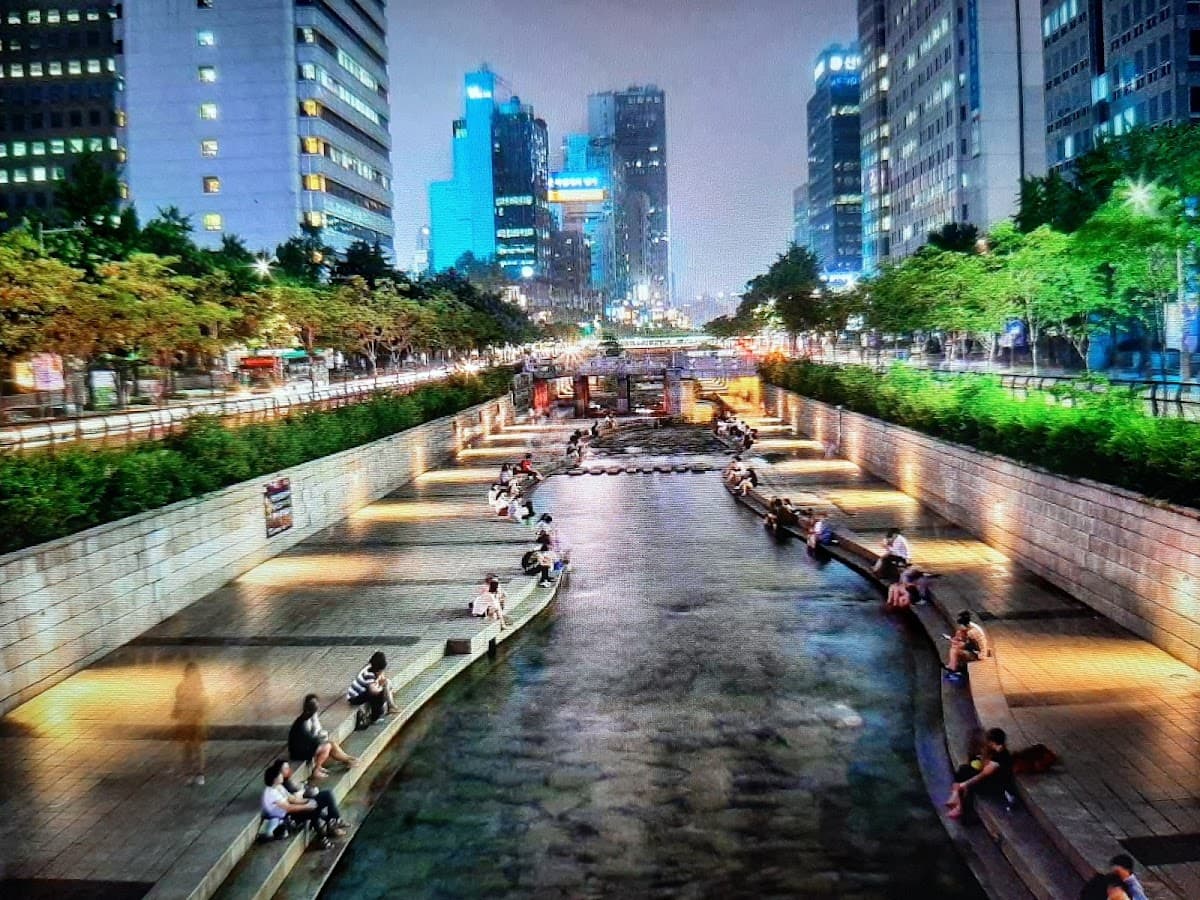
Cheonggyecheon Stream: Urban Renewal Success Story
This restored waterway flows through downtown Seoul, representing one of urban planning's greatest success stories. What was once a covered-over highway became a peaceful walking path lined with art installations and seasonal decorations.
What makes it special: The stream offers respite from Seoul's intensity while telling the story of thoughtful urban development. Evening illumination transforms the walkway into an romantic outdoor gallery.
Practical info: The 6-kilometer stream offers multiple entry and exit points. Walking the full length takes 2-3 hours, but shorter segments work perfectly. Free access 24/7. Evening visits offer cooler temperatures and lighting effects.
Best for: Urban planning enthusiasts, couples wanting peaceful walks, and travelers interested in Seoul's environmental initiatives.
Itaewon: International Flavor with Korean Twists
Originally developed around a U.S. military base, Itaewon evolved into Seoul's most international neighborhood. Here you'll find authentic cuisine from dozens of countries, along with Seoul's most diverse nightlife scene.
What makes it special: Unlike other international districts that feel disconnected from their host cities, Itaewon blends global influences with distinctly Korean touches. The result feels authentically Seoul while remaining comfortably familiar to international visitors.
Practical info: Restaurant prices vary widely – street food costs ₩5,000-10,000 ($4-8), while upscale dining runs ₩30,000-60,000 ($25-50) per person. Many establishments stay open later than typical Seoul restaurants.
Best for: International food lovers, travelers seeking familiar comforts, and anyone interested in Seoul's multicultural communities.
Seoul rewards the curious traveler with layers of experience that reveal themselves gradually. One visit introduces you to the obvious attractions – palaces, shopping, and famous districts. But Seoul's real magic lies in discovering how seamlessly it blends 600-year-old traditions with tomorrow's innovations. Whether you're here for three days or three weeks, Seoul will surprise you, challenge your assumptions, and probably convince you that one trip isn't nearly enough to understand this endlessly fascinating city. Book your ticket, pack comfortable walking shoes, and prepare for a city that refuses to fit into simple categories.
![[Myeongdong] Nanta Show in Seoul](/_next/image?url=https%3A%2F%2Ftixlayer.com%2Fstorage%2Fattractions%2F7542%2Fgoogle_1_1776208550.jpg&w=3840&q=75)
![[Hongdae] Nanta Show in Seoul](/_next/image?url=https%3A%2F%2Ftixlayer.com%2Fstorage%2Fattractions%2F5977%2Fgoogle_1_1776207096.jpg&w=3840&q=75)