Tokyo might seem overwhelming for families, but trust me – it's actually one of the most kid-friendly cities I've ever visited. After countless trips with families of all sizes, I've discovered that Tokyo has this magical ability to enchant children while keeping parents genuinely engaged. Here's your insider guide to making the most of Japan's capital with little ones in tow.
Theme Parks That Go Beyond Disney
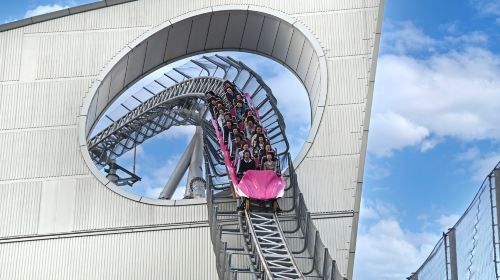
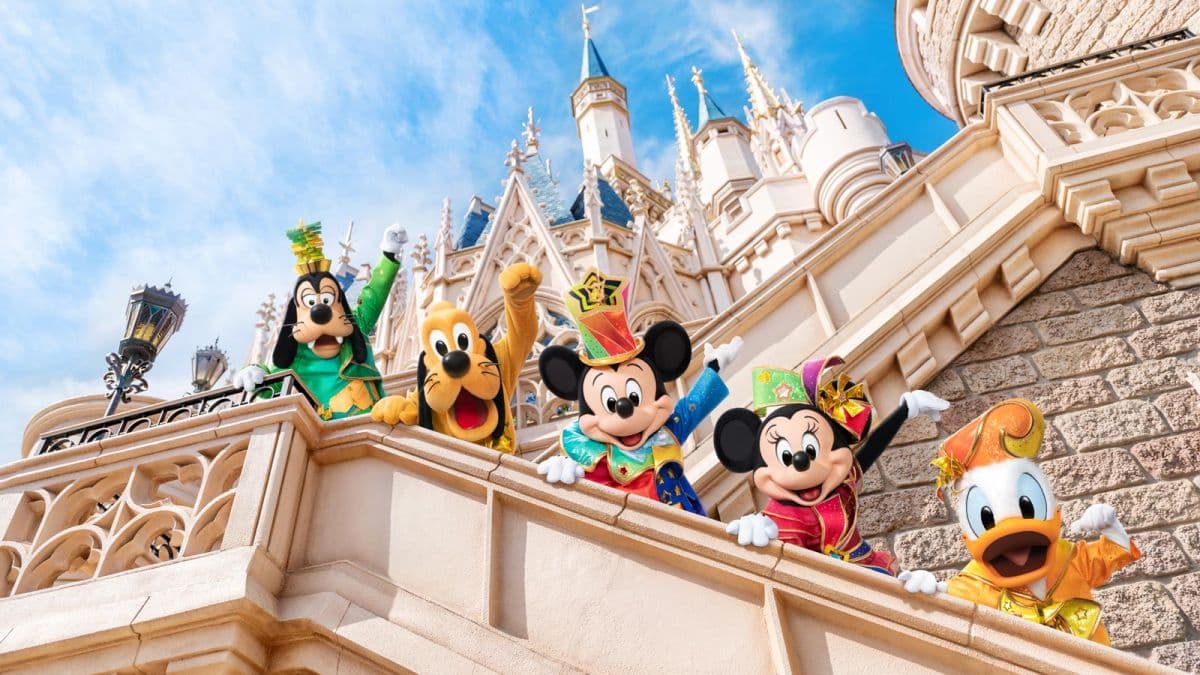
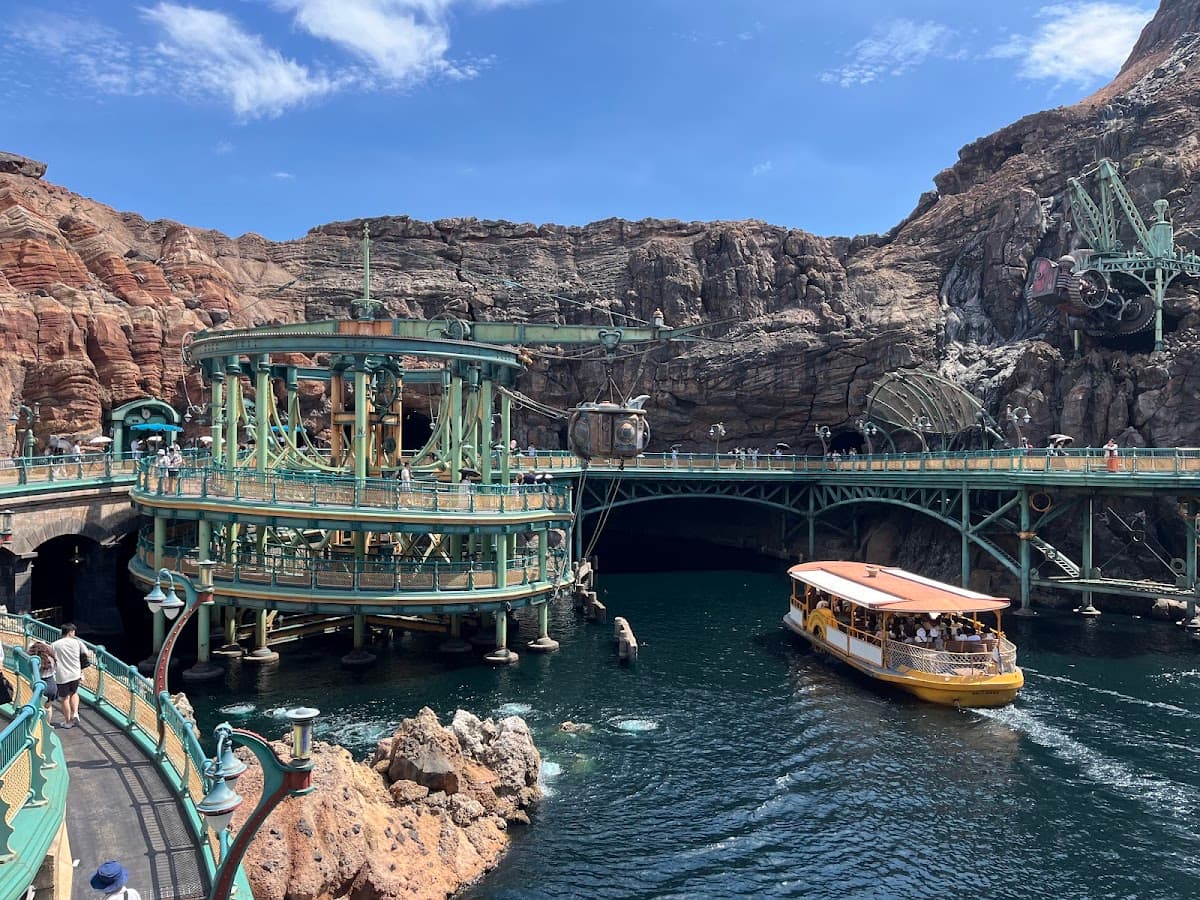
Tokyo Disneyland and DisneySea are obvious choices, but let me share some alternatives that might surprise you. Tokyo Dome City offers indoor fun with its Thunder Dolphin roller coaster weaving through buildings – perfect for thrill-seeking tweens while younger kids enjoy the gentler rides below.
Hanayashiki in Asakusa, Japan's oldest amusement park, charms with vintage rides and a nostalgic atmosphere. The roller coaster from 1953 might look tame, but kids love its retro appeal. Plus, you're steps away from Sensoji Temple – two attractions for the price of one area.
For something uniquely Japanese, Joypolis in Odaiba brings video games to life. Indoor roller coasters, virtual reality experiences, and interactive games work perfectly for kids aged 8 and up, especially on rainy days.
Interactive Museums That Actually Engage Kids
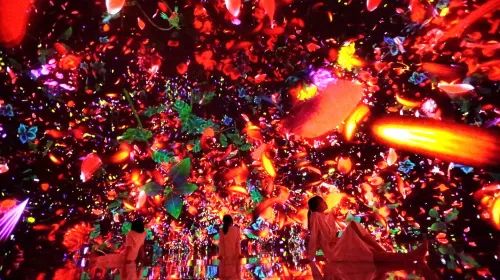
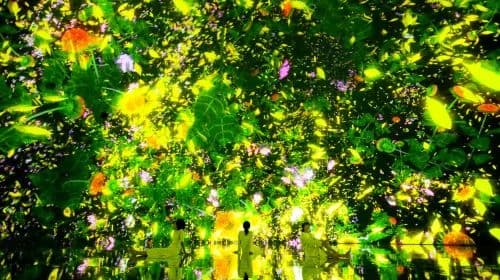
TeamLab Borderless (currently closed but reopening as TeamLab Phenomena) revolutionized my thinking about art museums with children. Kids run through digital waterfalls, touch walls that bloom with flowers, and become part of the artwork themselves. Book tickets weeks ahead – this isn't just tourist hype.
Miraikan (National Museum of Emerging Science) makes science tangible. Children pilot robots, interact with humanoid androids, and explore space through simulators. The English explanations help international families navigate easily.
Sony ExploraScience in Aqua City Odaiba lets kids experiment with sound, light, and technology through hands-on exhibits. It's smaller than Miraikan but perfect for shorter attention spans.
Animal Encounters Beyond Typical Zoos
Ueno Zoo houses Japan's beloved pandas, but the real winner is Inokashira Park Zoo. Smaller and more intimate, kids can observe Japanese serows, fennec foxes, and tropical birds up close. The adjacent park offers paddle boats shaped like swans – pure magic for young children.
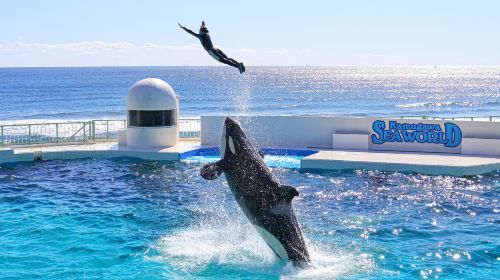
Aquapark Shinagawa combines aquarium with theme park elements. Dolphins perform synchronized swimming routines with music and lights, while kids can touch rays and small sharks in interactive pools.
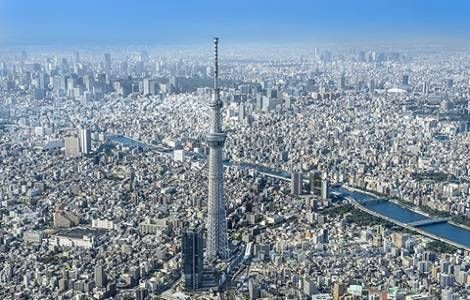
Sumida Aquarium in Tokyo Skytree Town features Japan's largest indoor open-tank system. Penguins swim at eye level, and the jellyfish displays mesmerize children of all ages.
Best Family-Friendly Neighborhoods
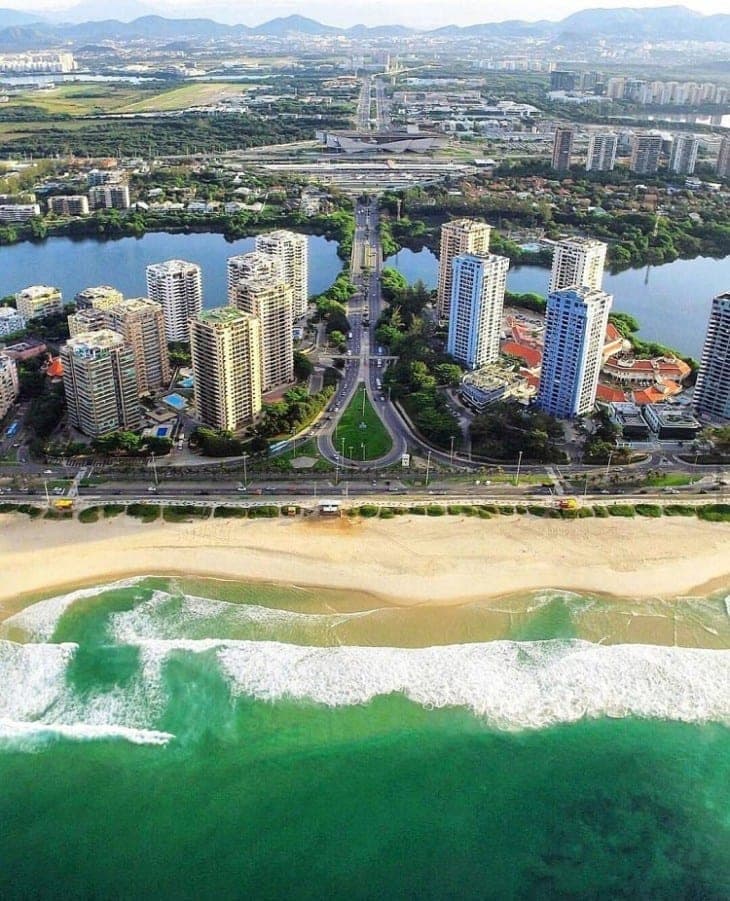
Odaiba feels like Tokyo's family playground. This artificial island offers beaches (yes, beaches in Tokyo!), shopping malls with play areas, museums, and stunning city views. The Palette Town Giant Ferris Wheel provides 16 minutes of aerial Tokyo sightseeing that even nervous parents can handle.
Harajuku and Omotesando aren't just for teenagers. Kiddy Land spans multiple floors of character goods and toys. Street performers around Harajuku Station entrance kids to Japanese pop culture, while Omotesando Hills offers upscale shopping with surprisingly good family facilities.
Asakusa provides cultural immersion without overwhelming little ones. Sensoji Temple welcomes children – they love the giant red lantern and fortune-telling papers. Traditional snack shops along Nakamise Street sell treats perfect for small hands.
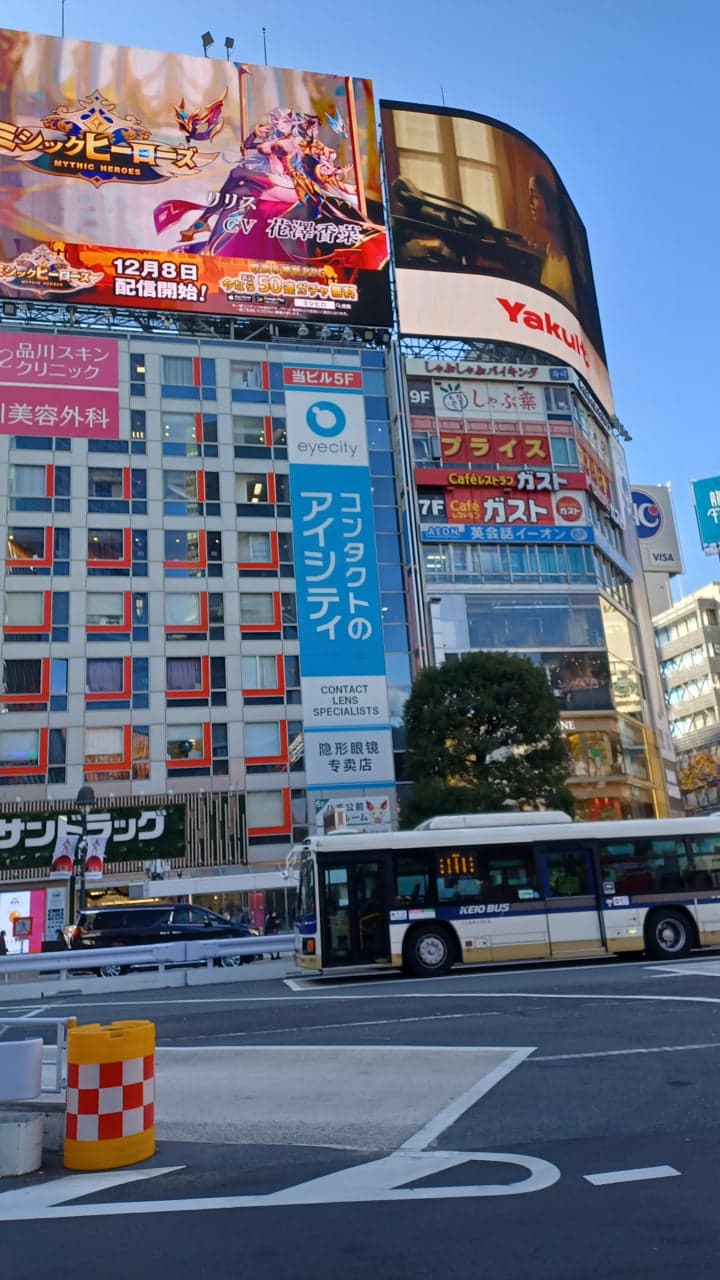
Shibuya works better than expected with kids. The famous crossing becomes a game, and Shibuya Sky observation deck offers city views without the crowds of Tokyo Skytree. Hachiko's statue provides a perfect photo opportunity and cultural lesson.
Age-Specific Activity Recommendations
Ages 3-6: Focus on sensory experiences. Kodomo no Shiro (Children's Castle) in Shibuya offers indoor playgrounds, ball pits, and creative workshops. Shinjuku Park Hyatt's swimming pool (day passes available) lets kids swim while parents enjoy luxury amenities.
Ages 7-12: This group handles Tokyo's complexity better. Tokyo Station's Character Street showcases every Japanese character imaginable. Tsukiji Outer Market (now mostly at Toyosu, but outer stalls remain) introduces kids to Japanese food culture through samples and visual displays.
Teenagers: They'll appreciate Shibuya's youth culture, Akihabara's electronics and anime, and Ginza's sophisticated atmosphere. Robot Restaurant (currently suspended but similar shows exist) appeals to their sense of spectacle.
Budget-Friendly Family Fun
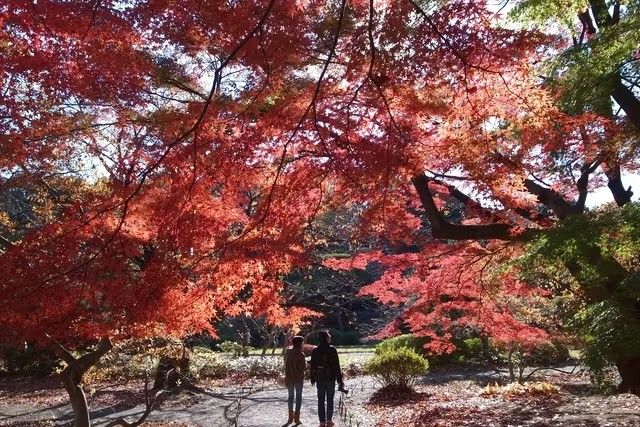
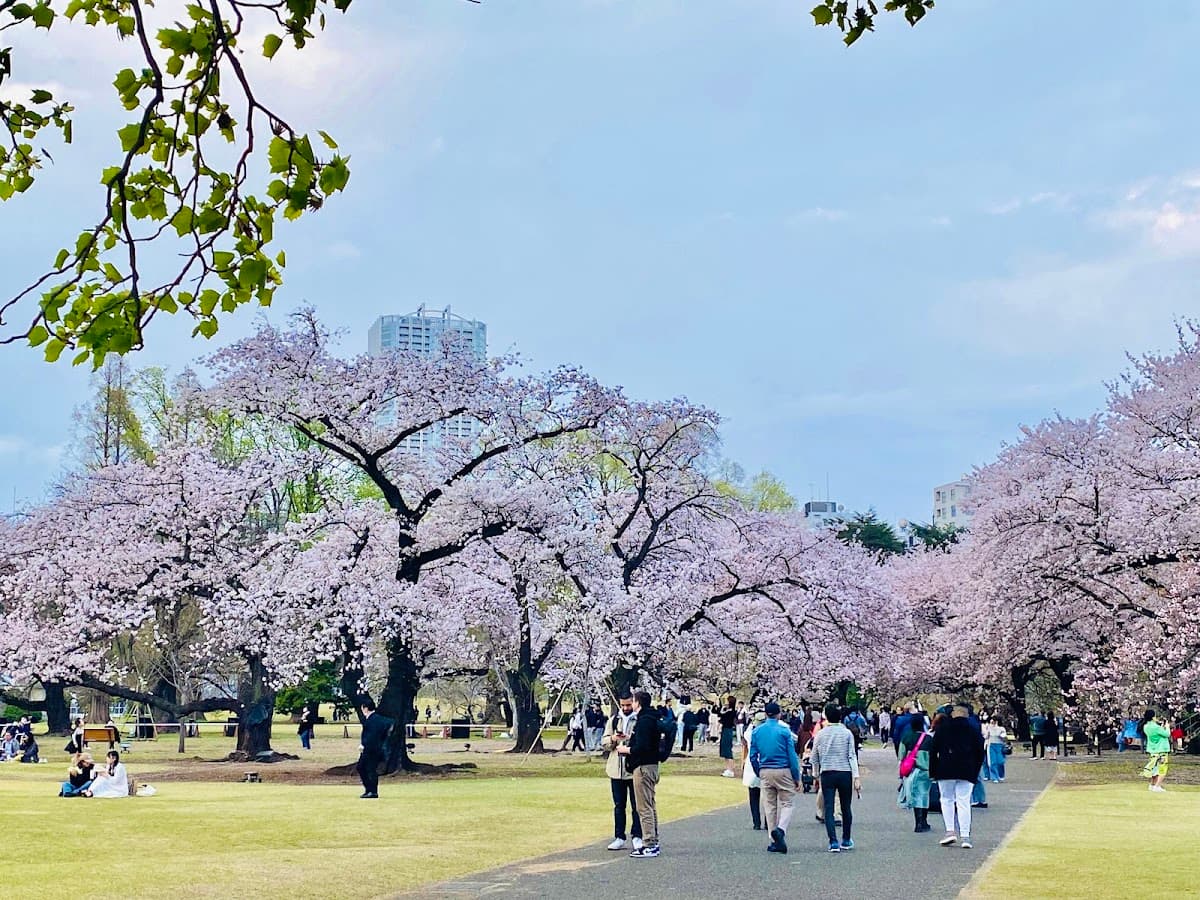
Public parks offer incredible value. Shinjuku Gyoen charges minimal entry but provides vast lawns, traditional gardens, and seasonal flowers. Inokashira Park combines nature with street performers and the small zoo mentioned earlier.
Department store roof gardens like Ginza Mitsukoshi or Isetan Shinjuku provide free city views and often host seasonal events. Many feature small play areas and food courts.
Shrine and temple visits cost nothing but offer cultural richness. Meiji Shrine's forest paths feel worlds away from city chaos. Kids love writing wishes on ema (wooden plaques) and watching wedding processions.
Free observation decks include Tokyo Metropolitan Government Building in Shinjuku and Caretta Shiodome. Both offer stunning views without Tokyo Skytree's hefty prices.
Rainy Day Alternatives
Tokyo Station's underground mall system could entertain families for days. Tokyo Ramen Street lets kids watch noodle preparation through glass windows, while Character Street provides shopping and photo opportunities.
Major department stores like Takashimaya Times Square or Tokyo Station's Daimaru feature toy floors, restaurants, and sometimes temporary children's exhibitions.
Indoor playlands scattered throughout shopping centers offer relief when weather doesn't cooperate. Palette Town's Venus Fort includes a kids' play area alongside its unique indoor streetscape design.
Covered markets like Ameya-Yokocho near Ueno Station provide cultural exploration with overhead protection. Kids enjoy the bustling atmosphere and street food samples.
Practical Tips for Family Travel
Transportation: JR Pass works for families, but Tokyo Metro day passes often prove more economical for city-focused itineraries. Priority seating exists for families with small children – don't hesitate to use it.
Strollers: Tokyo's excellent infrastructure accommodates strollers well. Most stations have elevators, though they're sometimes hidden. Station staff willingly help carry strollers up stairs when elevators aren't available.
Food: Convenience stores (combini) save families constantly. They stock baby supplies, snacks, drinks, and surprising variety of fresh food. Department store restaurant floors typically offer family-friendly options with plastic food displays making ordering easier.
Accommodation: Family rooms in business hotels often provide better value than international chains. Apartment rentals in areas like Shibuya or Shinjuku offer space for families to spread out while maintaining central locations.
Language: Google Translate's camera function works miracles with menus and signs. Most tourist areas have English-speaking staff, and Japanese people generally show extraordinary patience with foreign families.
Tokyo rewards families willing to embrace its unique rhythm. Children adapt quickly to cultural differences, often becoming more adventurous than their parents. The city's safety, cleanliness, and genuine welcome for families create memories that last lifetimes. Pack light, stay flexible, and prepare for Japan to charm every member of your family.