
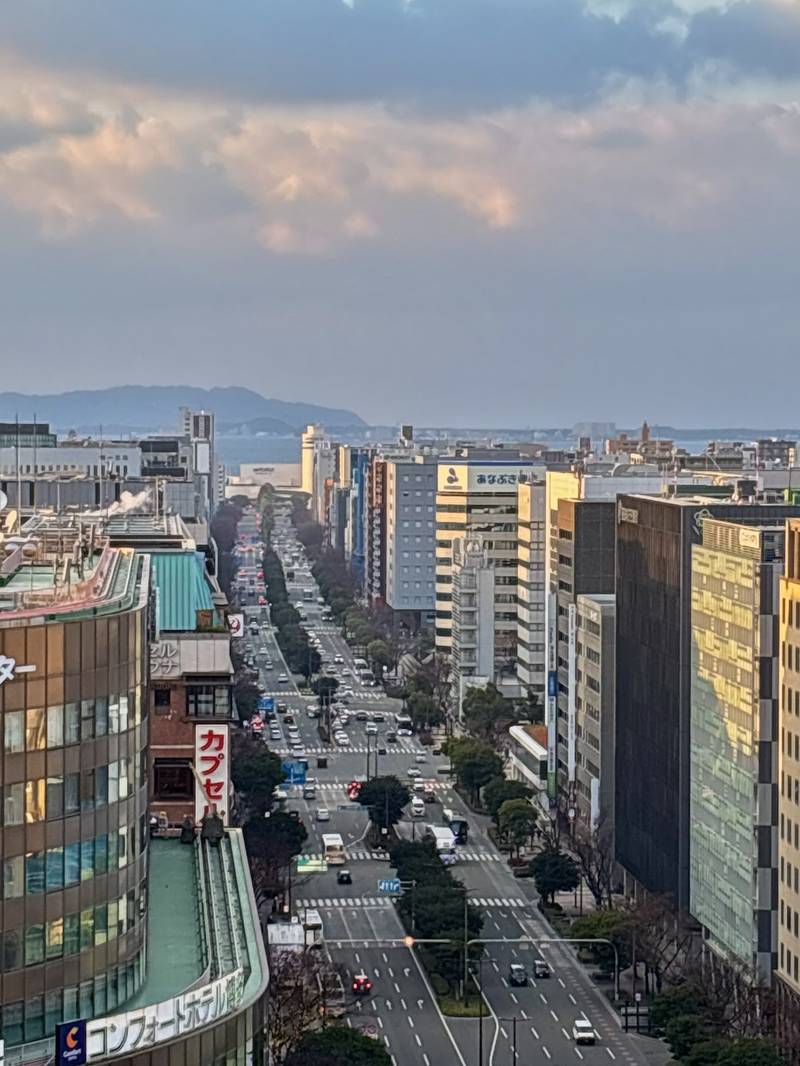
Japan
724 esperienze
Japan hits you with a sensory overload that somehow feels perfectly orchestrated. One moment you're pushing through the controlled chaos of Shibuya Crossing at rush hour, the next you're sitting in complete silence at Kiyomizu-dera temple watching monks sweep ancient wooden floors. The contrast isn't jarring—it's intoxicating. I've watched salarymen bow deeply to vending machines that dispense hot coffee in cans, eaten $200 kaiseki dinners followed by $3 ramen that made me question everything I knew about food, and witnessed bullet trains arrive with Swiss watch precision while cherry blossoms drift across the platforms like confetti.
The real magic happens in the details most tourists miss. Duck into any depachika (department store basement) and you'll find food displays so perfect they look fake—until you taste the $50 Hokkaido melons that actually justify their price. Stay at a ryokan in Hakone where your futon is laid out while you're soaking in onsen baths overlooking Mount Fuji, and breakfast arrives as a dozen tiny dishes that look like edible art. Take the last train from Shinjuku and watch the city transform from neon playground to sleeping giant, then wake up at 5 AM for the tuna auctions at Toyosu Market where buyers bid on fish worth more than most cars.
Practical Information
Visa
90-day tourist visa on arrival for most Western countries
Currency
Japanese Yen (JPY)
Language
Japanese (English signage common in major cities)
Timezone
GMT+9
Best Time to Visit
March-May for cherry blossoms or September-November for autumn colors and comfortable temperatures
Emergency Number
110 (police), 119 (fire/ambulance)
Cities in Japan
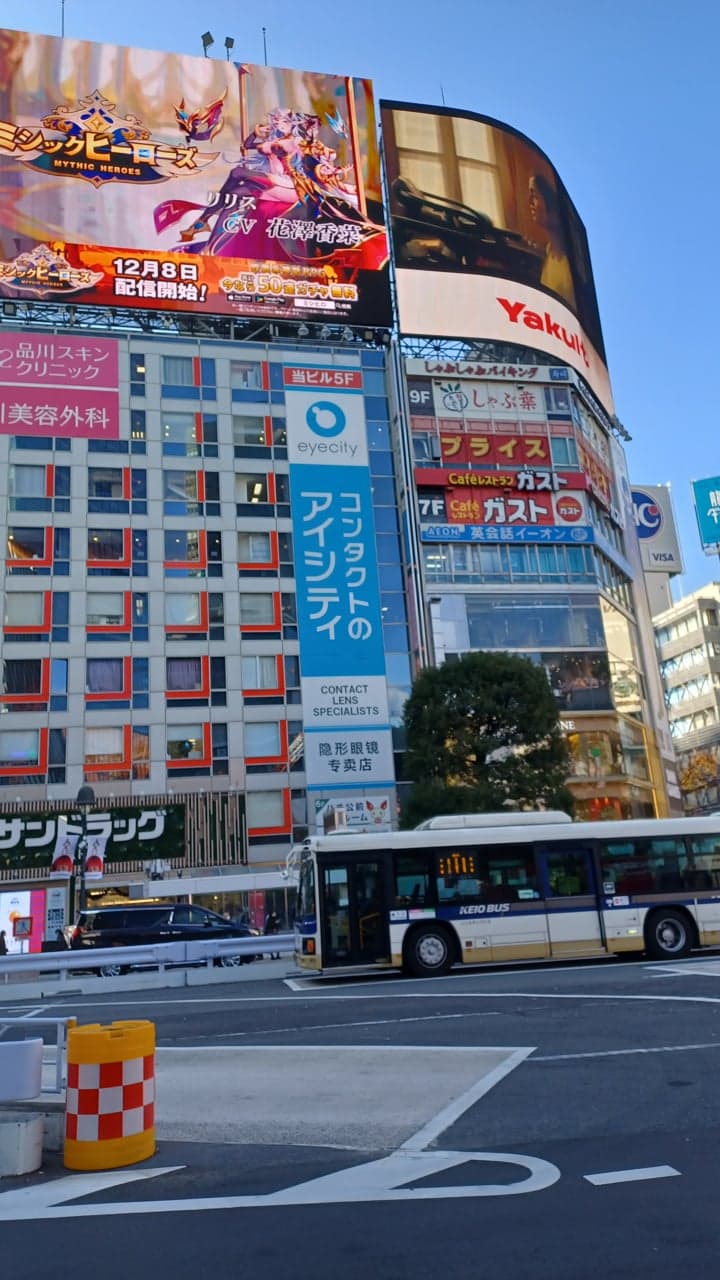
Tokyo
218 esperienze
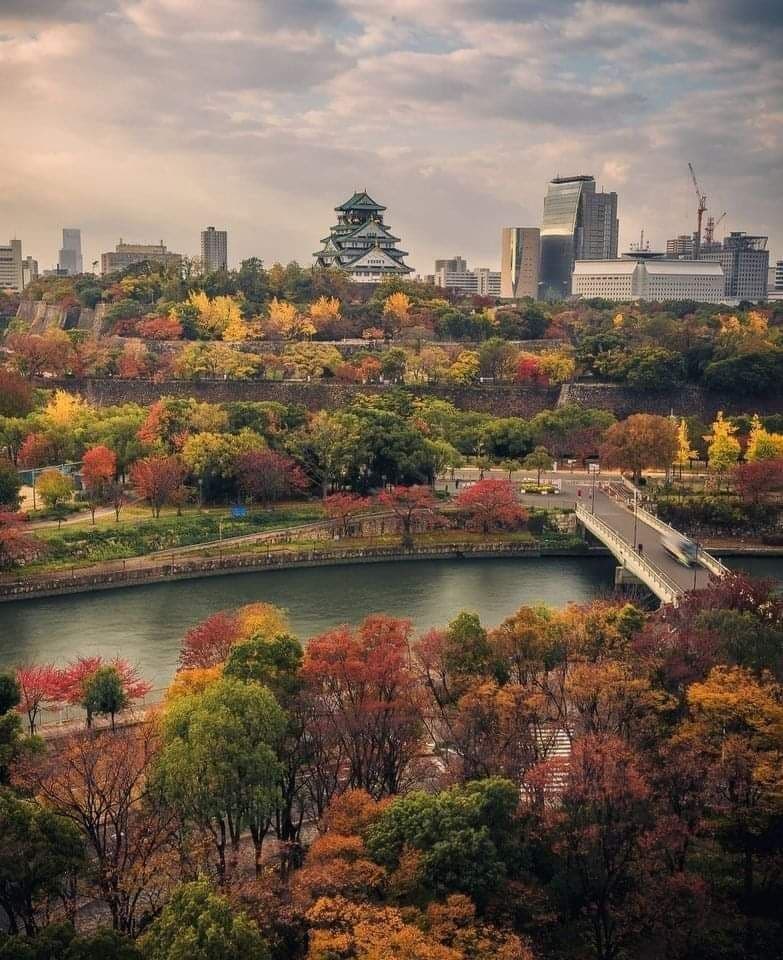
Osaka
155 esperienze
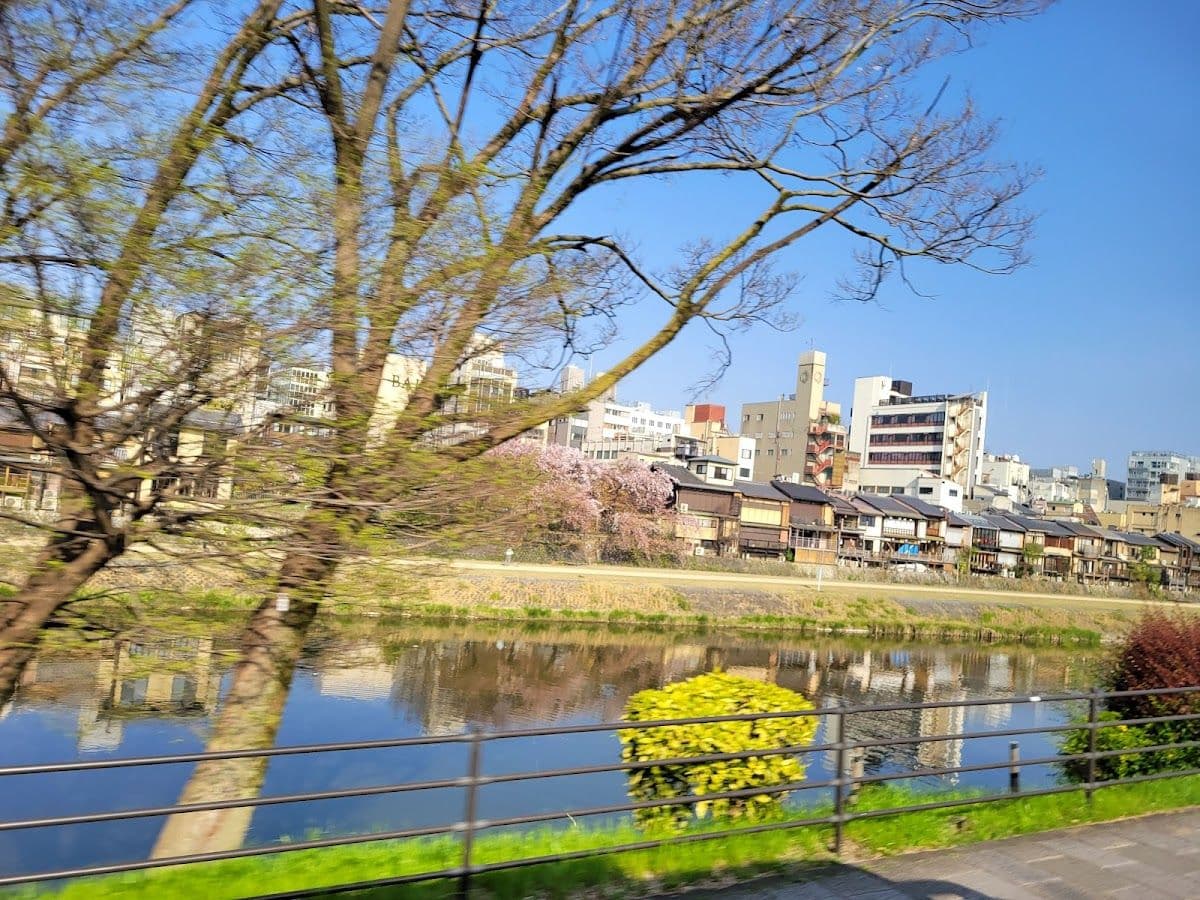
Kyoto
65 esperienze
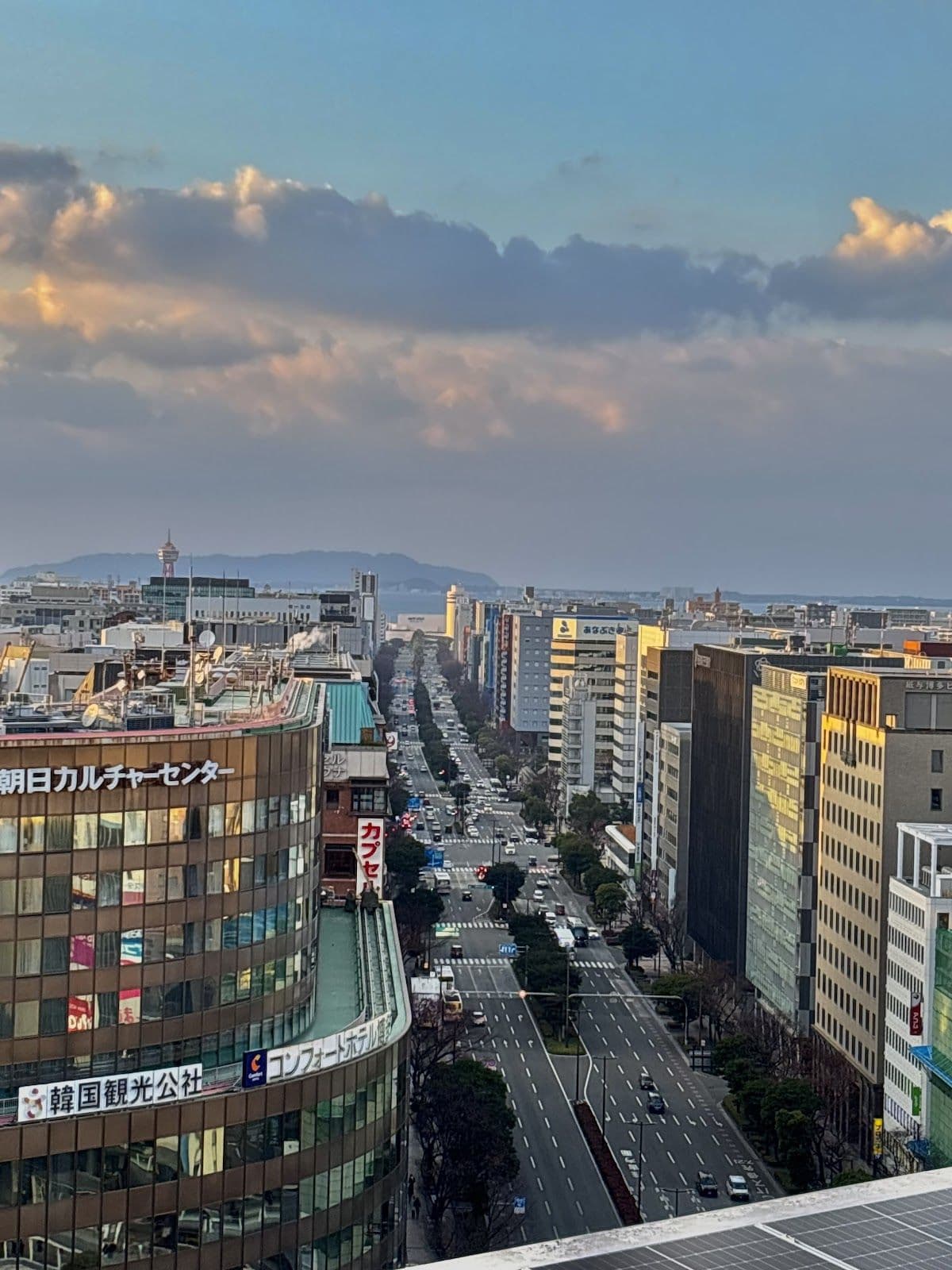
Fukuoka
60 esperienze
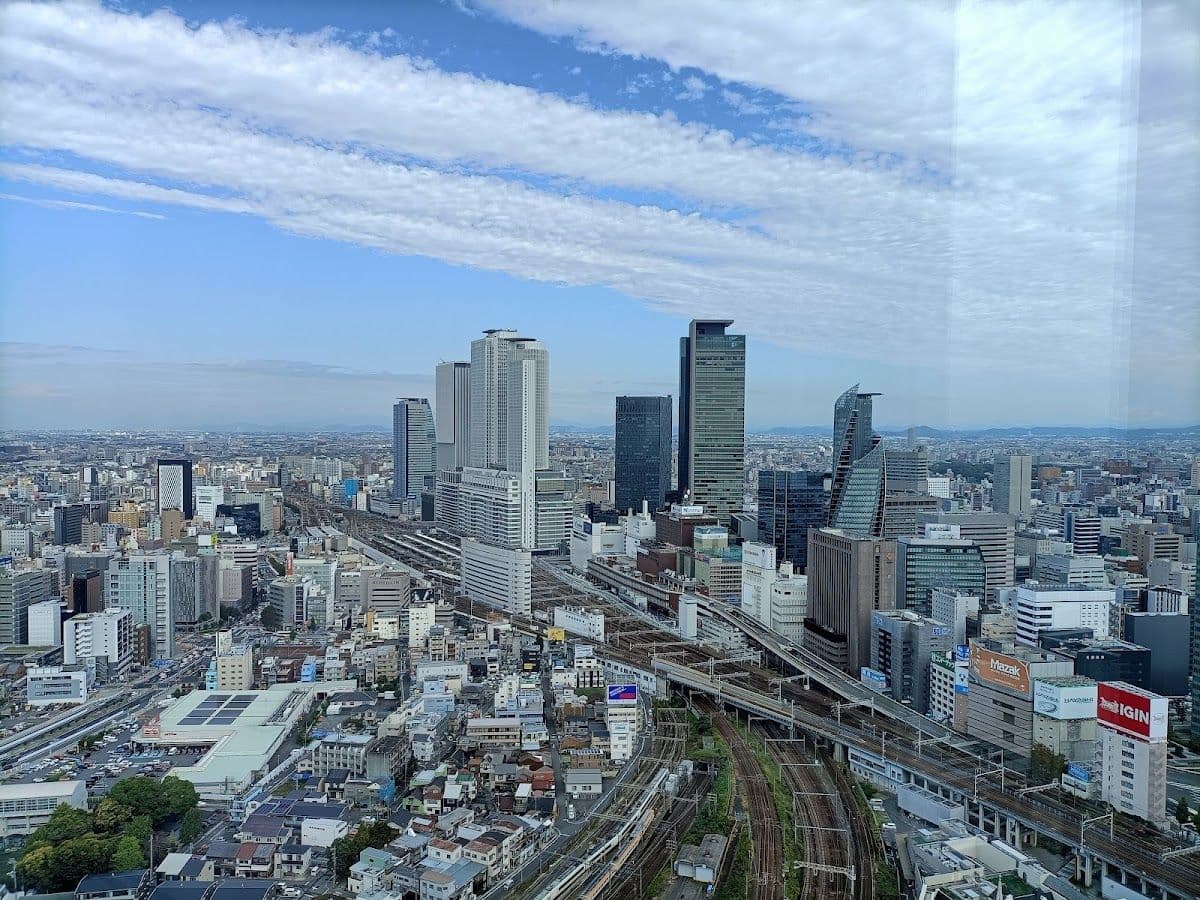
Nagoya
43 esperienze
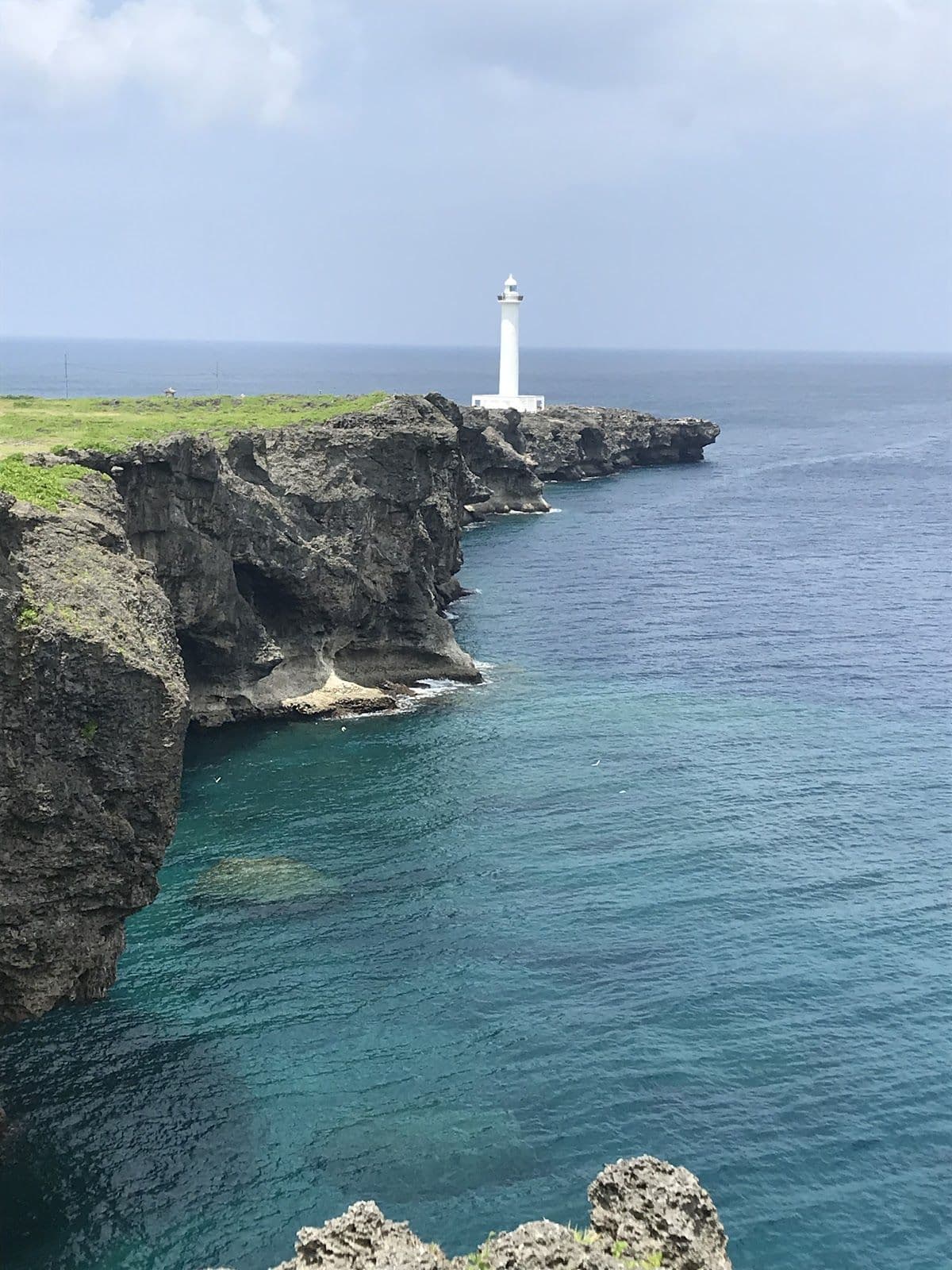
Okinawa
38 esperienze
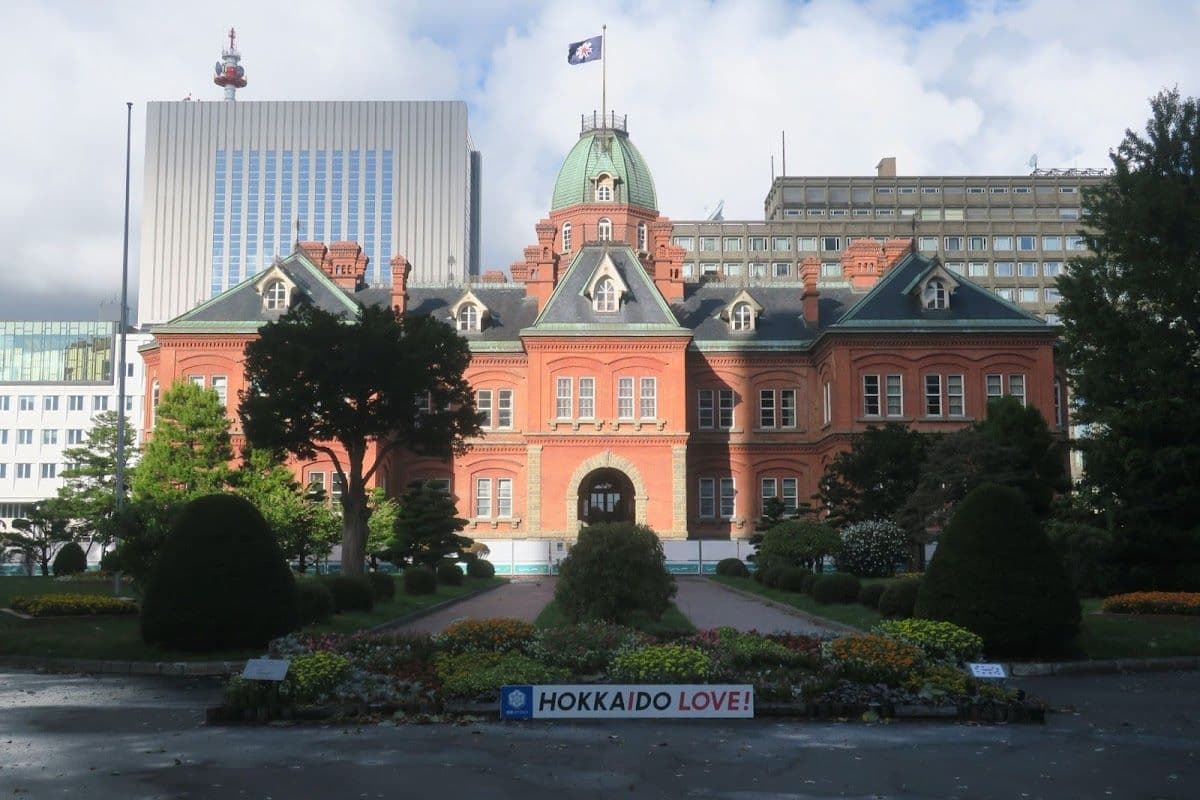
Sapporo
36 esperienze
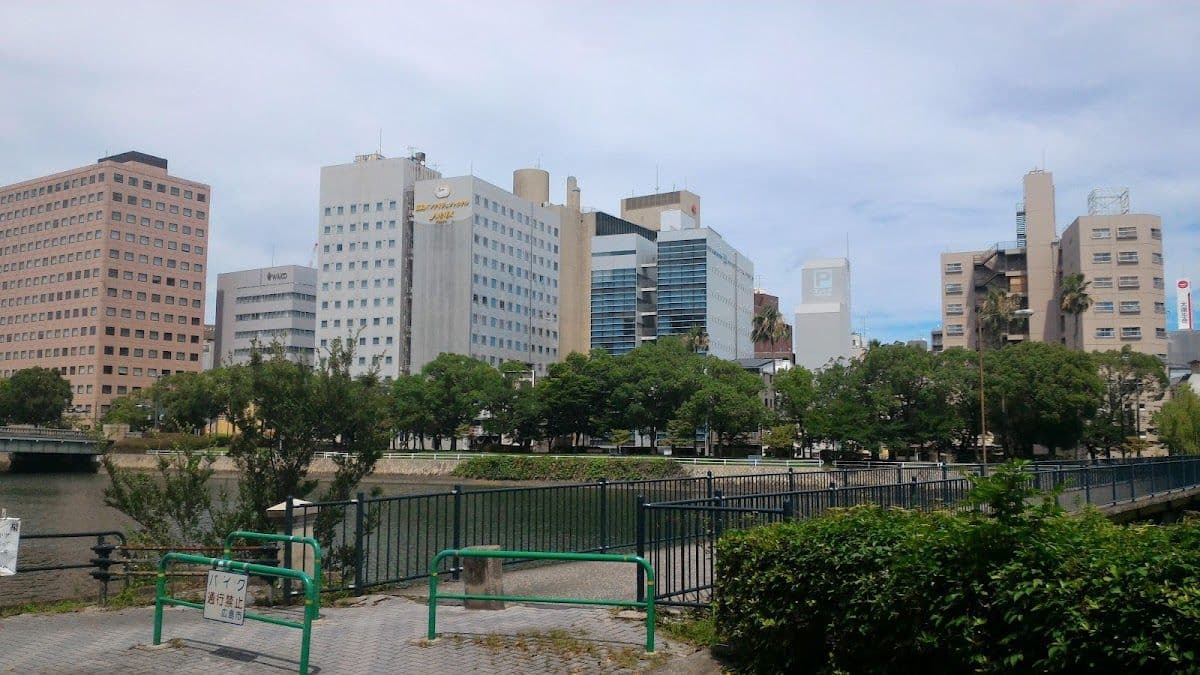
Hiroshima
36 esperienze
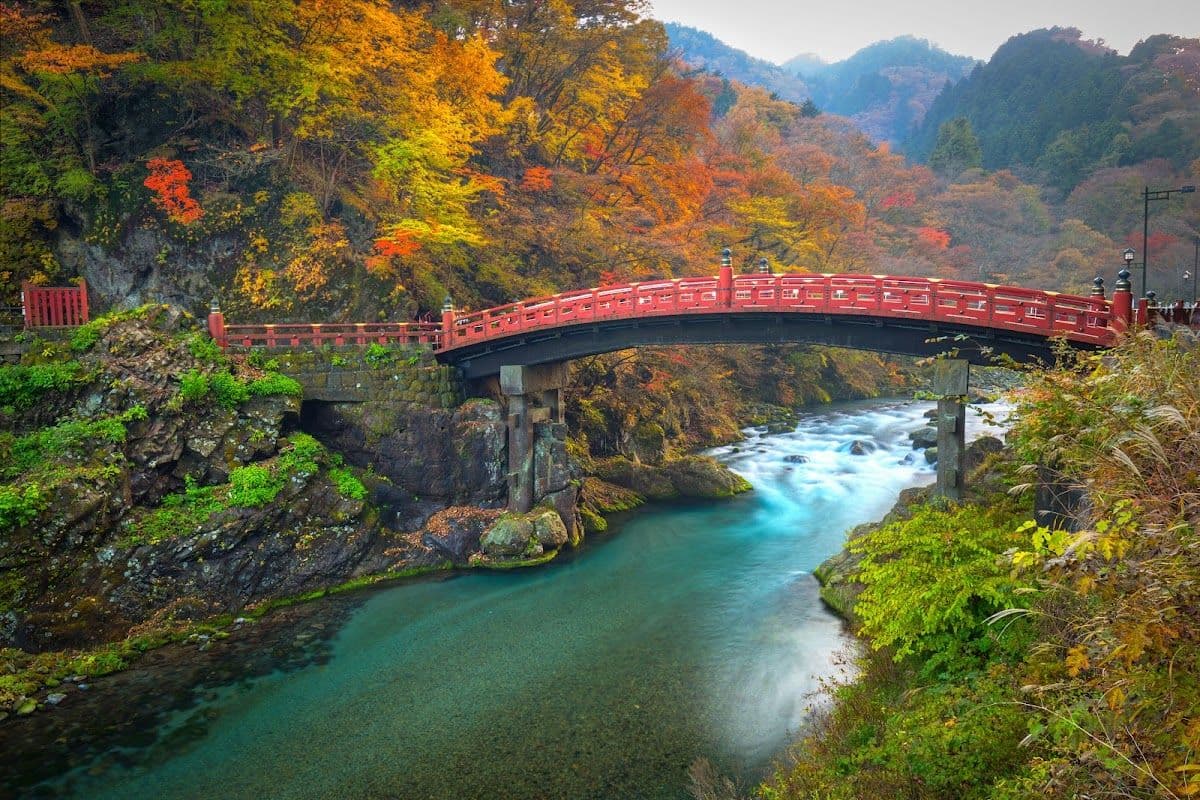
Nikko
25 esperienze
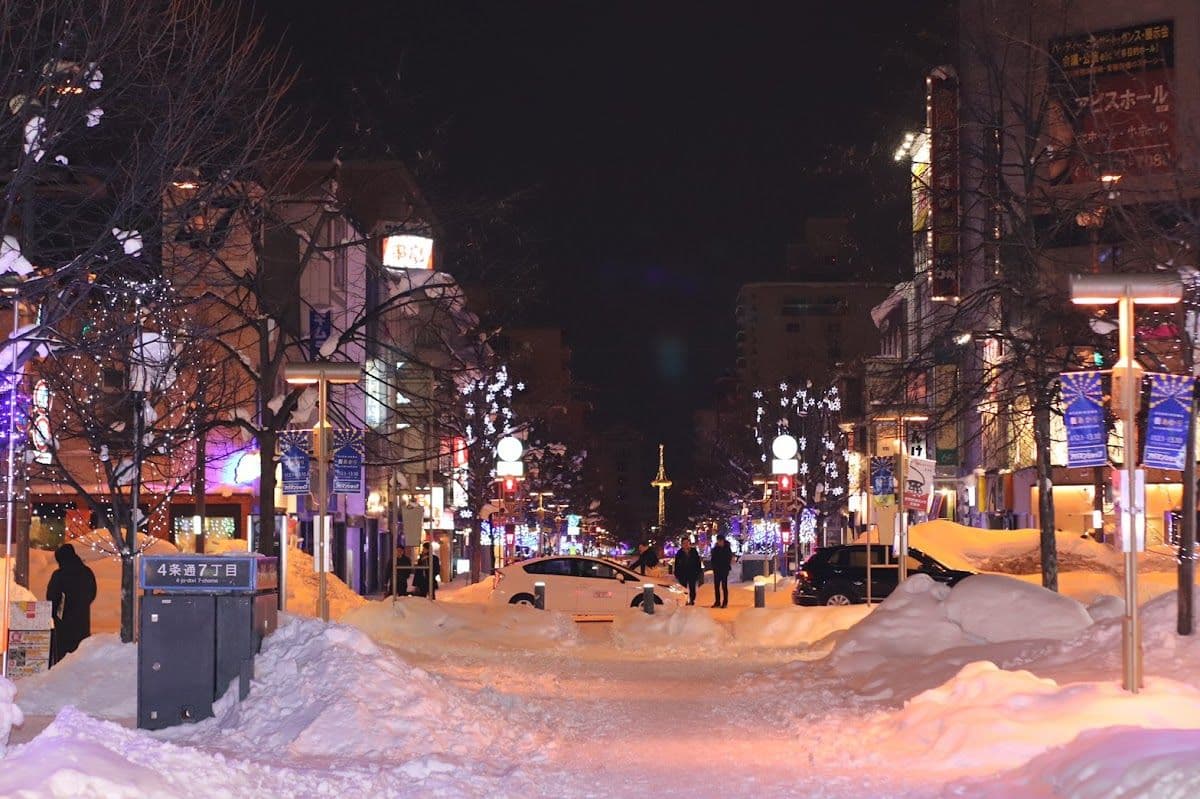
Hokkaido
21 esperienze
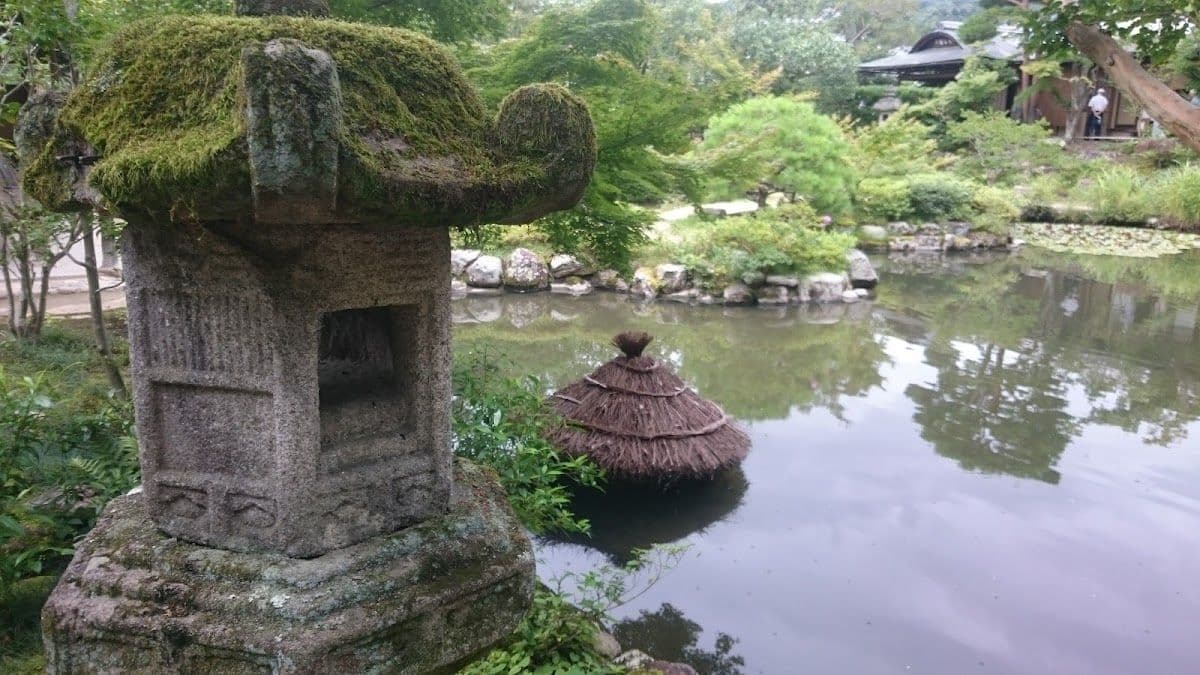
Nara
11 esperienze
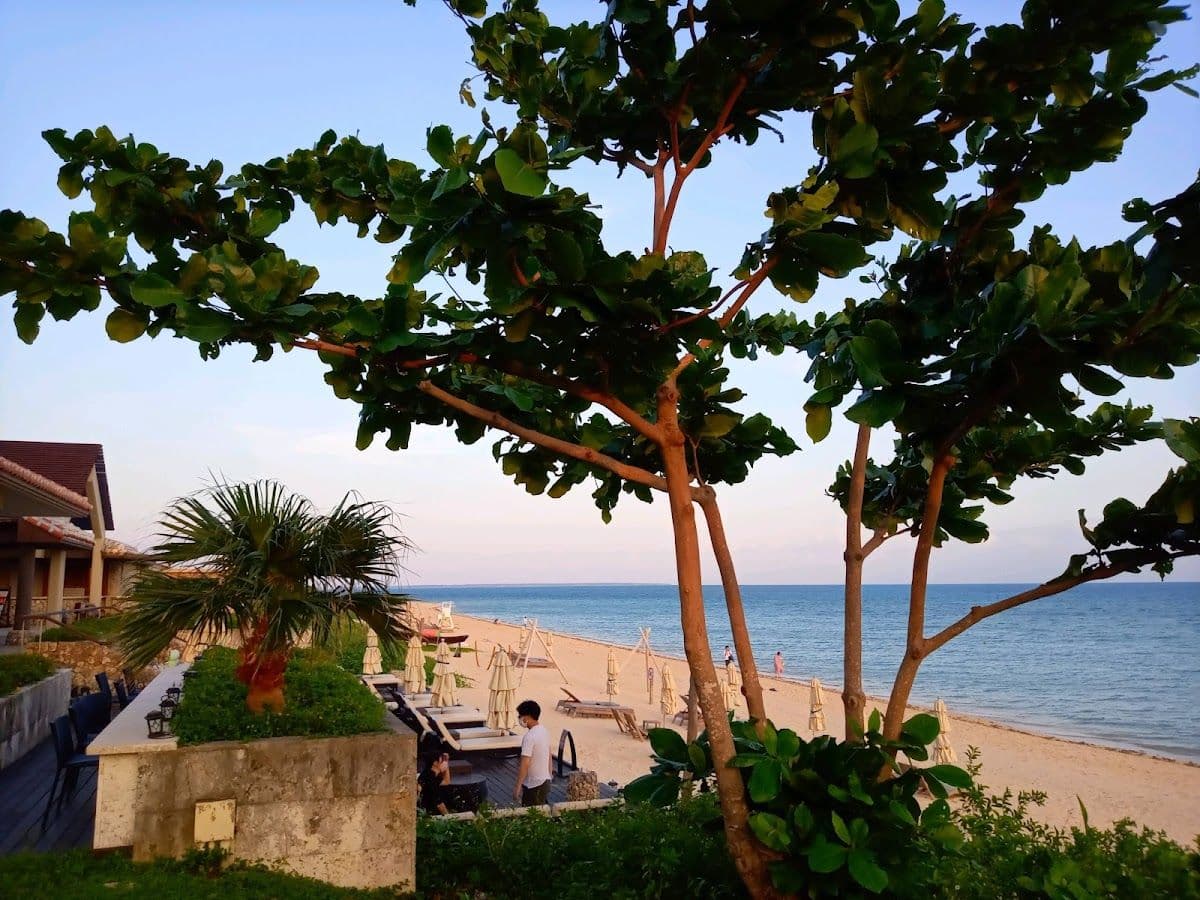
Ishigaki
5 esperienze
Hakone
3 esperienze
Kobe
3 esperienze
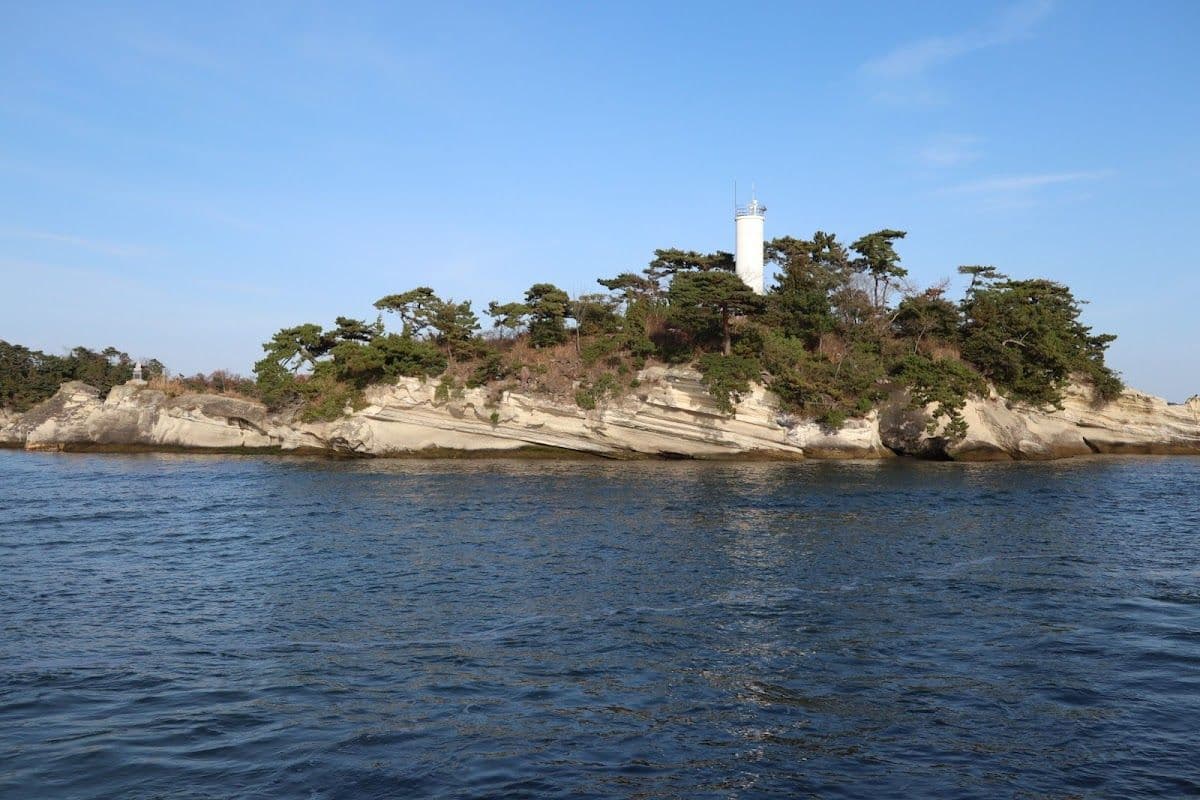
Matsushima
1 esperienza
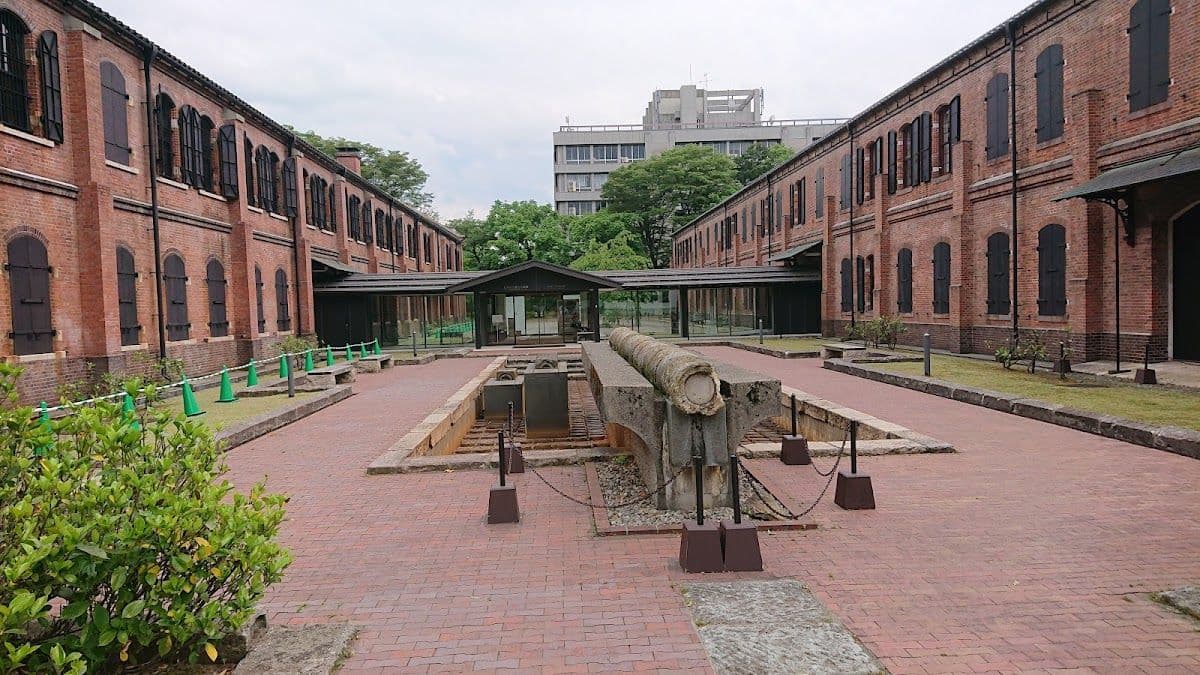
Ishikawa
1 esperienza
Hagi
1 esperienza
Kumamoto
1 esperienza
Takamatsu
1 esperienza
Travel guides for Japan
Is the Edo-Tokyo Open Air Architectural Museum Worth Visiting? A Planning Guide
Kansai Airport to Osaka Umeda: Is the Limousine Bus Worth It?
Is teamLab Botanical Garden Osaka Worth Visiting? A Planning Guide
Fukuoka Airport to Downtown: Do You Actually Need a Private Transfer?
Is a Private Rickshaw Tour of Gion Worth Booking? A Kyoto Planning Guide
Is the Retro Shibuya Food Tour Worth It? A Planning Guide