Pianificare un viaggio nella capitale irlandese non deve necessariamente prosciugare i tuoi risparmi. Essendo una delle città più visitate d'Europa, Dublino ha la reputazione di essere costosa e, in alcune zone, è vero. Ma con l'approccio giusto, puoi vivere il meglio che la città ha da offrire senza dover controllare costantemente il portafoglio. Questa guida di viaggio di Dublino copre tutto, dalle attrazioni gratuite ai posti dove mangiare a poco prezzo, fino a dove vale davvero la pena spendere qualcosa in più.
Inizia con ciò che è gratuito
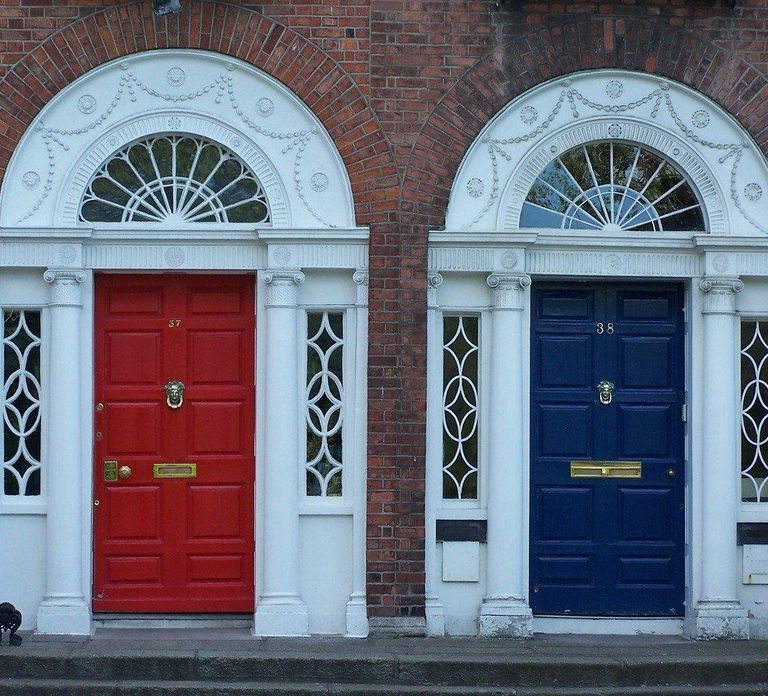
Alcune delle migliori cose da fare a Dublino non costano assolutamente nulla. Il National Museum of Ireland ha tre sedi in centro che coprono archeologia, storia naturale e arti decorative, tutte a ingresso gratuito. La National Gallery of Ireland è altrettanto impressionante e non richiede alcun biglietto per la sua collezione permanente, che include opere di Caravaggio e Vermeer.
Il Trinity College è visitabile gratuitamente e, sebbene l'esposizione del Book of Kells all'interno della Old Library richieda un biglietto d'ingresso, i giardini del college meritano una visita a sé stante. Merrion Square Park, St. Stephen's Green e Phoenix Park sono tutti aperti al pubblico gratuitamente. Phoenix Park è uno dei parchi cittadini recintati più grandi d'Europa e ospita cervi selvatici, il che rende il pomeriggio sorprendentemente memorabile.
Per ammirare il paesaggio costiero senza spendere nulla, prendi il treno DART verso sud, direzione Dún Laoghaire o Dalkey. La passeggiata sul molo di Dún Laoghaire è una delle preferite dalla gente del posto e offre viste sulla baia di Dublino difficili da battere.
Spostarsi senza spendere troppo

I trasporti sono uno degli aspetti più semplici su cui risparmiare a Dublino. La Leap Card è una carta ricaricabile che offre tariffe scontate su autobus, DART, tram Luas e treni pendolari. Rispetto all'acquisto di biglietti singoli, il risparmio si accumula rapidamente in pochi giorni.
Il centro città è anche molto percorribile a piedi. La maggior parte delle principali attrazioni si trova a una distanza ragionevole l'una dall'altra, quindi se il tempo lo permette, i tuoi piedi sono l'opzione migliore ed economica. Se vuoi coprire più terreno con qualche spiegazione lungo il percorso, un Dublin: Guided Bike & E-Bike Tour è un modo conveniente per vedere molto in poco tempo, ottenendo al contempo approfondimenti locali da una guida.
Evita i taxi quando possibile, specialmente dall'aeroporto. I servizi di autobus Aircoach o Dublin Express collegano regolarmente il centro città a una frazione del costo.
Mangiare bene con un budget limitato
La scena gastronomica di Dublino è migliorata enormemente, ma i prezzi dei ristoranti in centro possono essere alti. Il trucco è sapere dove cercare.
George's Street Arcade è un buon punto di partenza per pranzi economici, con una serie di bancarelle di cibo indipendenti e caffè. Fallon & Byrne in Exchequer Street ha un mercato gastronomico al piano terra dove puoi comporre un pasto sostanzioso senza dover pagare il conto di un ristorante. Per una vera colazione irlandese che ti sazi per tutta la giornata, cerca i caffè lontani dai principali corridoi turistici, dove i prezzi tendono a essere notevolmente più bassi.
Supermercati come Lidl, Aldi e Dunnes Stores sono utili se hai un alloggio con cucina o se vuoi prendere un pranzo al volo. Il Marks & Spencer Food Hall vicino a Grafton Street è leggermente più costoso ma utile per opzioni di qualità da asporto.
Per cena, i menu fissi a pranzo nei ristoranti di fascia media offrono spesso la stessa qualità del servizio serale a prezzi significativamente ridotti. Molti locali lungo Dame Street e South Great George's Street propongono queste offerte durante la settimana.
Vivere la cultura dei pub in modo intelligente
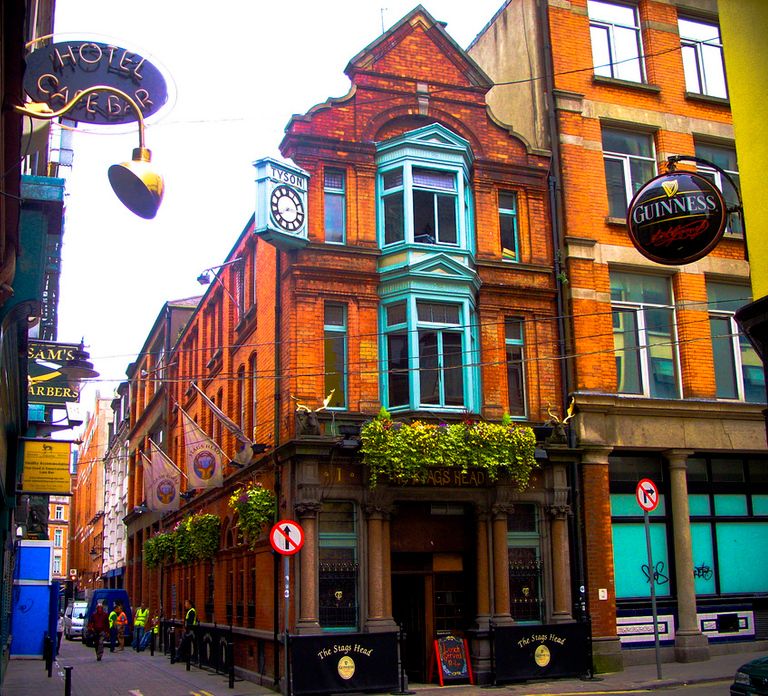
Il pub è centrale nella vita sociale irlandese e saltarlo del tutto significherebbe perdere qualcosa di veramente importante della cultura locale. Detto questo, le bevande a Dublino non sono economiche, in particolare nelle zone turistiche intorno a Temple Bar.
Una pinta di Guinness a Temple Bar può costare considerevolmente di più rispetto alla stessa pinta a pochi isolati di distanza. Allontanarsi leggermente dalla via principale verso pub come Mulligan's su Poolbeg Street o il Long Hall su South Great George's Street ti regalerà un'esperienza più autentica a un prezzo migliore.
Se desideri un modo strutturato per vivere la scena dei pub includendo un po' di storia e racconti, il Dublin Temple Bar Night Tour è un'opzione solida che aggiunge valore rispetto al semplice pub-hopping in autonomia. Allo stesso modo, il Dublin: City Pub Crawl Experience merita di essere preso in considerazione se viaggi da solo e vuoi incontrare altri viaggiatori esplorando diversi locali in una sola serata.
Dove concedersi uno sfizio
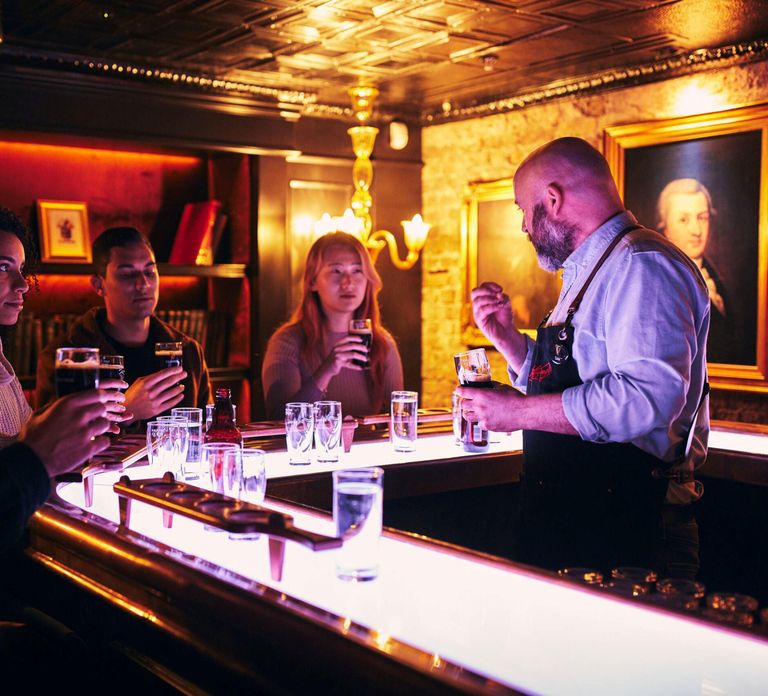
Viaggiare low cost non significa evitare ogni esperienza a pagamento. Alcune cose valgono il costo e scegliere con cura dove spendere rende quei momenti più significativi.
La Guinness Storehouse è una delle attrazioni più visitate in Irlanda e, se hai intenzione di andarci, la Dublin: Guinness Storehouse Connoisseur Experience offre un'esperienza di degustazione più approfondita che giustifica la spesa extra rispetto al biglietto standard.
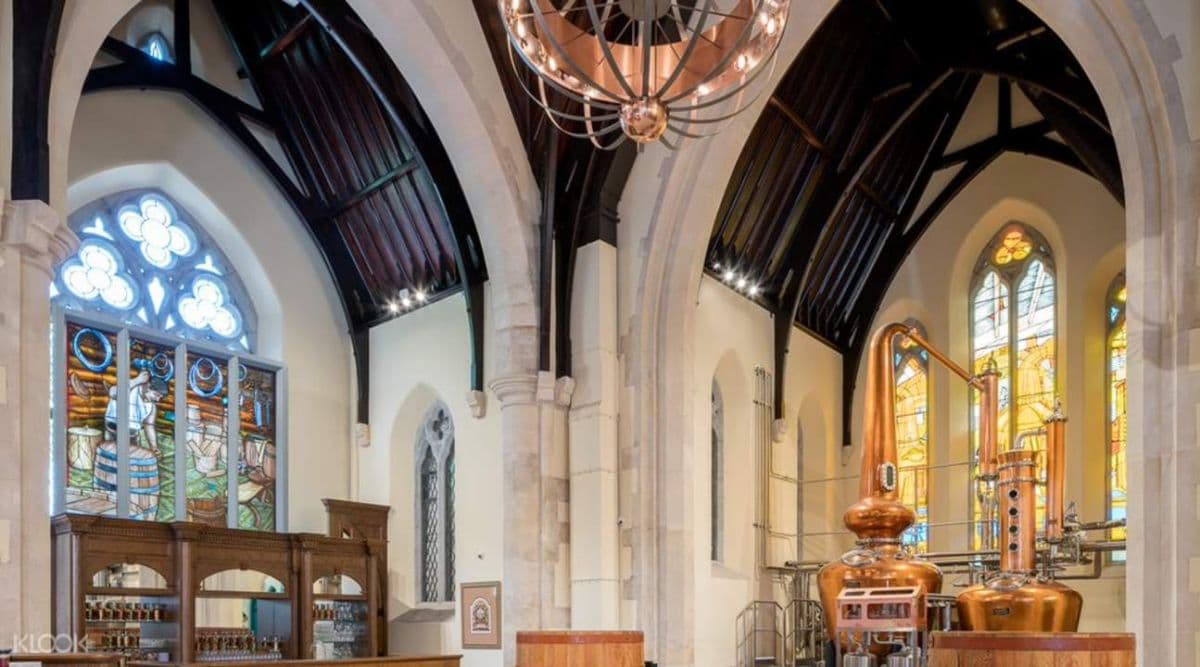
Gli amanti del whiskey dovrebbero prendere in considerazione il Jameson Distillery Guided Tour with Tasting, che combina storia, artigianato e una vera sessione di degustazione in un modo che è davvero educativo, non solo una semplice attrazione turistica.
Se stai pianificando una gita di un giorno, il Wicklow Mountains and Glendalough Tour from Dublin è una delle escursioni guidate con il miglior rapporto qualità-prezzo disponibili. Raggiungere Glendalough in autonomia richiede un'attenta pianificazione con i mezzi pubblici, quindi un tour guidato spesso ha un prezzo simile risparmiandoti notevoli complicazioni.
Consigli pratici per risparmiare a Dublino

Alcuni dettagli utili da sapere prima di arrivare:
Contanti vs carta: La maggior parte dei posti a Dublino accetta pagamenti con carta, inclusi i pagamenti contactless, e molti caffè e bancarelle più piccoli ora li preferiscono. Portare una piccola quantità di contanti è comunque utile per i pub più tradizionali e i venditori dei mercati.
Mance: Il servizio non è sempre incluso nel conto. Una mancia dal 10 al 15 percento è apprezzata nei ristoranti ma non è obbligatoria. Nei pub, lasciare la mancia al personale del bar non è una pratica comune in Irlanda.
Tour a piedi gratuiti: Diverse compagnie gestiscono tour a piedi gratuiti del centro città che funzionano con il modello della mancia alla fine. Questi sono un modo legittimo per orientarsi e imparare la storia della città senza un costo fisso anticipato. In alternativa, il Dublin Self-Guided Audio Tour copre oltre 130 punti di interesse al tuo ritmo, il che si adatta ai viaggiatori che preferiscono la flessibilità rispetto agli orari di gruppo.
Prenota in anticipo: Per qualsiasi attrazione a pagamento che hai deciso di includere, prenotare online in anticipo solitamente fa risparmiare rispetto all'acquisto all'ingresso. I prezzi presso le sedi più popolari possono aumentare durante l'alta stagione.
Periodo di viaggio: Visitare la città fuori dall'estate e dai grandi festival riduce significativamente i costi di alloggio. La primavera e l'autunno offrono un clima ragionevole e molta meno folla.
Dublino premia i viaggiatori che si prendono un po' di tempo per pianificare. La città offre molti modi per spendere soldi rapidamente, ma ha anche abbastanza cultura gratuita, quartieri percorribili a piedi e posti locali convenienti per rendere un viaggio low cost davvero piacevole anziché un compromesso.