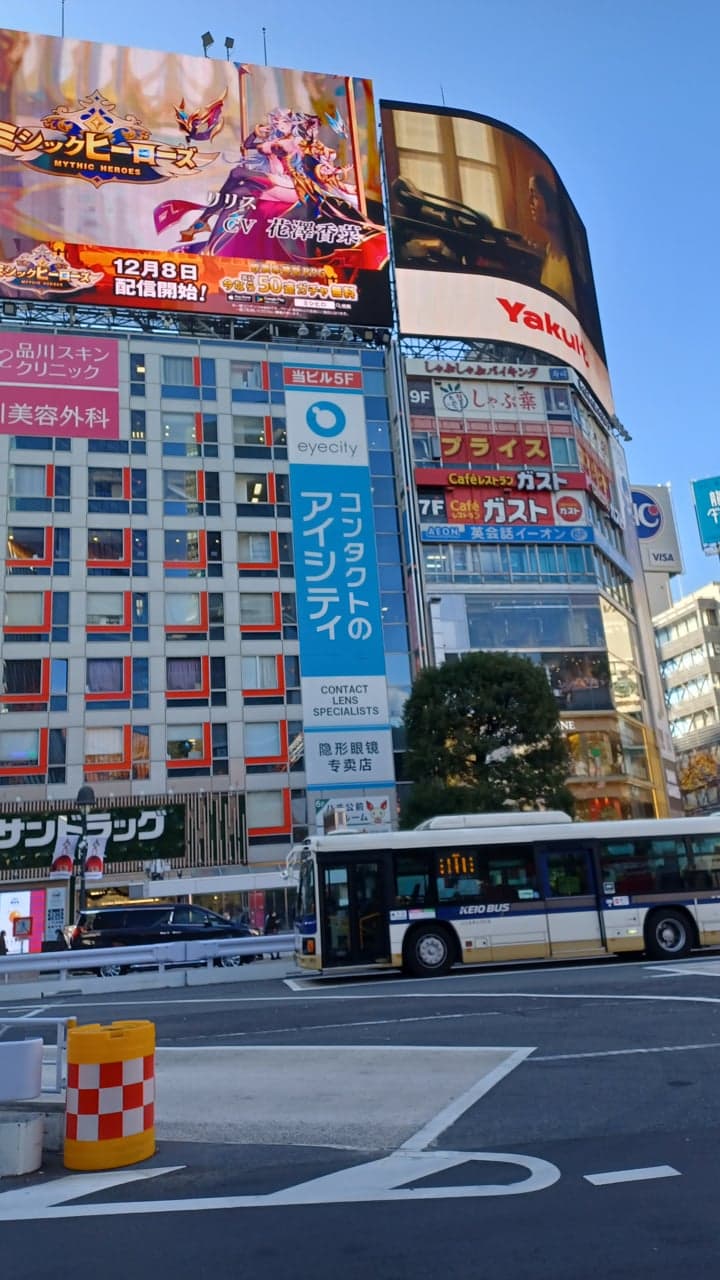
Tokyo hits you like a sensory overload in the best possible way. One moment you're watching monks chant at a 7th-century temple, the next you're dodging salary workers in a neon-lit district that looks like it fell out of Blade Runner. This city of 14 million somehow makes perfect sense while being utterly bewildering.
Whether you're here for three days or three weeks, Tokyo rewards the curious. Yes, you'll want to see the famous spots, but the real magic happens when you stumble into a tiny yakitori joint under the railway tracks or find yourself at a festival you didn't know existed. Here are the experiences that capture what makes Tokyo extraordinary.
Watch the Sunrise at Tsukiji Outer Market
Forget sleeping in – Tokyo's best breakfast happens before most people are awake. The Tsukiji Outer Market springs to life around 5 AM, and wandering through with a coffee while vendors set up their stalls feels like being let in on a secret. The famous tuna auctions moved to Toyosu, but Tsukiji's outer market remains the soul of Tokyo's food culture.
Grab fresh tamagoyaki (sweet rolled omelet) from a stall that's been perfecting the recipe for decades, or queue for sushi that costs a fraction of what you'd pay elsewhere but tastes impossibly fresh. The energy is infectious – everyone's focused, purposeful, passionate about their craft.
Practical tips: Arrive by 6 AM for the full experience. Most stalls close by 2 PM, many earlier. Budget ¥2,000-3,000 for a proper food crawl. Take the Hibiya or Oedo lines to Tsukiji station.
Best for: Food lovers, early risers, solo travelers who want to experience local culture.
Get Lost in Shibuya's Organized Chaos
The Shibuya Crossing gets all the press, but the real thrill is diving into the warren of streets surrounding it. This isn't just about taking that photo of the world's busiest intersection (though do that too). It's about understanding how Tokyo moves.
Head up to the Shibuya Sky observation deck for perspective, then plunge into Center Gai's narrow alleys lined with karaoke boxes, vintage stores, and restaurants you'll never find again. The energy shifts throughout the day – salary workers in the morning, students in the afternoon, party-goers at night.
Practical tips: Visit Shibuya Sky at sunset (¥2,000 for adults). The crossing is busiest between 7-8 PM on weekdays. Allow 3-4 hours to properly explore. Lockers available at Shibuya Station if you're carrying bags.
Best for: Everyone, but especially first-time Tokyo visitors who want the full urban intensity experience.
Experience Serenity at Senso-ji Temple
Asakusa's Senso-ji is Tokyo's oldest Buddhist temple, and somehow it manages to feel both touristy and deeply spiritual. The approach through Nakamise-dori shopping street builds anticipation – incense mingles with the smell of ningyo-yaki (doll-shaped pastries), and the massive red lantern grows larger as you approach.
Time your visit for early morning or late afternoon to avoid peak crowds. The evening illumination transforms the temple into something ethereal, while sunrise visits offer moments of genuine tranquility before the tour groups arrive.
Practical tips: Free entry to temple grounds. Arrive before 8 AM or after 6 PM for fewer crowds. Try traditional snacks along Nakamise-dori. The fortune slips (omikuji) cost ¥100 and make great souvenirs.
Best for: Culture seekers, photographers, families (kids love the traditional games and snacks).
Explore Harajuku's Creative Explosion
Harajuku isn't just about cosplay and cotton candy – though those have their place. This district is Tokyo's creative laboratory where fashion, youth culture, and art collide. Start at the serene Meiji Shrine, then walk down Takeshita Street for the full sensory assault.
But here's the insider tip: the side streets like Cat Street offer better shopping and people-watching. Duck into vintage stores, independent boutiques, and cafes that look like they were designed by someone who grew up on manga and fairy tales.
Practical tips: Weekends are intense but more entertaining for people-watching. Many stores don't open until 11 AM. Budget varies wildly – window shopping is free, but unique fashion pieces can cost ¥5,000-20,000+.
Best for: Teens, fashion enthusiasts, anyone curious about Japanese youth culture.
Master the Art of Ramen Hunting
Tokyo has roughly 10,000 ramen shops, and locals have strong opinions about which serves the city's best bowl. Skip the fancy places and find a joint with a line of salary workers – they know their ramen. Look for shops where you order from a vending machine and the chef never looks up from the pot.
Shinjuku's Omoide Yokocho (Memory Lane) offers atmosphere with your noodles – tiny stalls barely big enough for a counter and some stools. For the full experience, try different styles: rich tonkotsu from Kyushu, clear shoyu-based broths, or miso ramen that's perfect for cold days.
Practical tips: Most shops cost ¥800-1,500 per bowl. Don't linger – eat and leave to make room for the next person. Late night (after 10 PM) is prime ramen time. Learn basic ordering etiquette: slurping is encouraged.
Best for: Food adventurers, solo travelers, anyone wanting authentic local experiences.
Experience Kabuki-cho After Dark
Shinjuku's red-light district has cleaned up its act considerably, but it retains an edge that's missing from Tokyo's more polished neighborhoods. This isn't about seediness – it's about energy that doesn't quit. Neon signs stretch up buildings like electric ivy, and the streets buzz with an intensity that's purely Tokyo.
Stick to the main streets and you'll find excellent yakitori alleys, karaoke boxes, and bars stacked vertically in buildings that seem to defy physics. The Golden Gai area packs 200+ tiny bars into just a few alleyways – each one fits maybe five people maximum.
Practical tips: Many Golden Gai bars charge cover fees (¥500-2,000+). Some don't welcome foreigners, but plenty do – look for English signs. Start around 8 PM. Budget ¥3,000-5,000 for drinks and snacks.
Best for: Night owls, couples, experienced travelers comfortable with urban exploration.
Find Peace in Ueno Park
Ueno Park proves Tokyo knows how to breathe. This sprawling green space houses multiple world-class museums, a zoo, and enough cherry trees to create pink snowfall in spring. But even without the museums, it's where Tokyo comes to relax.
The Tokyo National Museum alone could eat up a day, with collections spanning centuries of Japanese art. The Ueno Zoo might seem random, but watching Japanese families enjoy pandas creates its own entertainment. During cherry blossom season, the park transforms into the city's biggest hanami party.
Practical tips: Museum entry ranges from ¥400-1,000. Zoo costs ¥600. Spring weekends are packed during cherry blossom season. Allow a full day if visiting multiple attractions.
Best for: Families, museum enthusiasts, anyone needing a break from Tokyo's intensity.
Shop Until You Drop in Ginza
Ginza makes no apologies for being expensive, and somehow that's liberating. This is where Tokyo puts on its finest clothes and best behavior. Even window shopping feels luxurious when the displays are this artfully arranged.
The department stores here are experiences in themselves – basement food courts (depachika) rival high-end restaurants, and the customer service reaches performance art levels. Don't miss the weekend pedestrian paradise when main streets close to traffic.
Practical tips: Window shopping is free and genuinely entertaining. Department store food courts offer high-end treats for ¥500-2,000. Many stores offer tax-free shopping for tourists. Sunday afternoons (1-5 PM) feature car-free streets.
Best for: Luxury shoppers, couples, anyone interested in Japanese customer service culture.
Take a Day Trip to Nikko
When Tokyo's urban intensity becomes overwhelming, Nikko offers the antidote. This UNESCO World Heritage site sits two hours north and feels like stepping into a different Japan entirely. Ancient temples hide among towering cedars, and the air actually smells clean.
The Toshogu Shrine complex showcases the peak of Japanese decorative arts – every surface carved, painted, or gilded into something extraordinary. But the real magic happens when you wander the mountain paths and realize you can't hear traffic anymore.
Practical tips: Day trip costs about ¥5,000 including transport and shrine entries. Take the Tobu Nikko line from Asakusa. Start early (8 AM departure) to maximize time. Comfortable walking shoes essential.
Best for: Culture enthusiasts, nature lovers, anyone wanting to see traditional Japan.
Experience a Sumo Tournament
Sumo wrestling looks deceptively simple until you watch it live. The ritual, the power, the split-second endings – it's unlike any other sport. Tokyo's Ryogoku Kokugikan hosts tournaments three times yearly (January, May, September), and the atmosphere rivals any major sporting event.
Even without tournaments, the Ryogoku area offers sumo culture year-round. Chanko-nabe restaurants serve the hearty stew that sumo wrestlers eat to bulk up, and you might spot active wrestlers training at nearby stables.
Practical tips: Tournament tickets range from ¥2,100-14,800. Morning practice sessions at sumo stables are often free but require respectful silence. Chanko-nabe meals cost ¥2,000-4,000.
Best for: Sports fans, cultural experiences seekers, anyone wanting to see a uniquely Japanese tradition.
Discover Odaiba's Futuristic Playground
Odaiba feels like Tokyo's vision of the future, circa 1995 – and somehow that makes it more charming. This artificial island in Tokyo Bay showcases Japanese innovation and quirky entertainment in equal measure. The life-sized Gundam statue changes throughout the day, and the views back to Tokyo's skyline are spectacular.
TeamLab Borderless (when it reopens) offers digital art experiences that Instagram dreams are made of, while Oedo Onsen Monogatari provides traditional hot spring relaxation with modern convenience.
Practical tips: Reach Odaiba via the scenic Yurikamome line or Tokyo Teleport station. Budget ¥3,000-5,000 for major attractions. Sunset visits offer the best skyline photography opportunities.
Best for: Families, tech enthusiasts, couples looking for unique experiences.
Indulge in Depachika Food Culture
Department store basement food courts (depachika) represent peak Japanese food culture. These aren't mall food courts – they're carefully curated collections of the city's best producers, from century-old wagashi sweet makers to cutting-edge pastry chefs.
Isetan in Shinjuku sets the gold standard, but every major department store offers its own interpretation. The presentation borders on art – even simple sandwiches arrive in perfect packaging. Free samples are common, and the people-watching rivals any entertainment.
Practical tips: Most depachika open at 10 AM. Prices range from ¥300 for individual items to ¥3,000+ for elaborate bento boxes. Tax-free shopping available. Best selection before 6 PM.
Best for: Food lovers, gift shoppers, anyone curious about Japanese attention to detail.
Experience Tokyo's Karaoke Culture
Karaoke in Tokyo isn't just singing – it's a social institution. Private rooms mean you can belt out off-key renditions without judgment, while elaborate costume collections and professional lighting systems make everyone feel like a star. The song selections span decades and languages.
Big Echo and Karaoke-kan dominate, but smaller establishments often offer more character. All-you-can-drink packages make the math work out, and some locations stay open 24 hours for the truly dedicated.
Practical tips: Rates start around ¥300 per person per 30 minutes. Drink packages cost ¥1,000-2,000. Prime time (evenings/weekends) costs more. Most systems offer English songs and interface options.
Best for: Groups, anyone wanting to experience a Tokyo social ritual, travelers looking for rainy day activities.
Explore Tsukishima's Monjayaki Scene
Tsukishima feels like a village that got swallowed by Tokyo and decided to just keep doing its own thing. This small island is famous for monjayaki – a savory pancake that locals cook at your table. It's not pretty food, but it's incredibly social and surprisingly delicious.
Monja Street packs dozens of restaurants into just a few blocks, each with subtle variations on the theme. The cooking process becomes entertainment as servers or brave diners attempt to flip the gooey mixture without disasters.
Practical tips: Meals cost ¥1,500-3,000 per person. Dinner reservations recommended on weekends. Most restaurants provide English menus. Let the staff cook if you're unsure – they won't judge.
Best for: Adventurous eaters, groups, couples looking for interactive dining experiences.
End with Late-Night Tokyo Station
Tokyo Station at midnight deserves its own category. This is when the city reveals another personality – salary workers catching last trains, convenience stores glowing like beacons, and a surprising number of excellent restaurants still serving perfect meals.
The station's architecture alone justifies a visit – the restored Marunouchi building looks like European grandeur transplanted to Asia. Underground shopping areas create entire worlds below ground level, and the efficiency of moving this many people remains hypnotic.
Practical tips: Last trains vary by line but generally run until midnight-12:30 AM. Station lockers available 24/7. Many restaurants in the station stay open late. The surrounding Marunouchi area offers upscale late dining.
Best for: Night owls, architecture enthusiasts, anyone wanting to see Tokyo's impressive infrastructure in action.
Tokyo rewards the curious and forgives the overwhelmed. You'll leave with more questions than answers, a camera full of photos that don't quite capture the experience, and an inexplicable urge to plan your return trip before you've even reached the airport. That's not a bug in Tokyo's system – it's the entire point.