Miami Travel Guide: Plan Your Perfect Trip
By Matt Cuckston, Founder & Travel Technology Expert at TixLayer
Few American cities pack as much variety into one destination as Miami. Sun, art, food, wildlife, and world-class beaches all sit within an hour of each other, making it one of the most rewarding places to visit in the United States. Whether you're researching things to do in Miami for the first time or planning a return trip with more depth, this guide gives you everything you need to make smart decisions before you arrive.
---
Getting There
Miami International Airport (MIA) is the main gateway and one of the busiest airports in the country. It handles direct flights from most major US cities as well as international routes from Europe, Latin America, and Canada. Fort Lauderdale-Hollywood International Airport (FLL), about 30 miles north, is a strong alternative, often served by budget carriers like Spirit and Southwest at lower fares. If you're flexible on departure airport, always compare both.
From MIA, the Miami Metrorail connects directly to downtown via the Airport Station. Taxis and rideshares are plentiful but can be expensive during peak hours. Pre-booked shared shuttles offer a middle ground if you're on a tighter budget.
Amtrak's Silver Service connects Miami to cities along the East Coast, including Orlando, Jacksonville, and New York, though journey times are long. Greyhound and FlixBus serve Miami from nearby Florida cities if you're combining destinations.
---
Getting Around
Miami is a car-centric city. Public transit exists but is limited in reach, so renting a car gives you the most flexibility, especially if you plan to visit the Everglades or explore neighborhoods south of downtown.
That said, within specific areas, you can get by without a car:
- South Beach and Miami Beach are walkable and flat, making them easy to navigate on foot or by bicycle. Citi Bike has docking stations throughout the area.
- The Metromover is a free automated rail loop connecting downtown, Brickell, and the Arts & Entertainment District. It's genuinely useful for short hops.
- Metrobus and Metrorail cover broader ground but routes can be slow and infrequent.
- Rideshare apps (Uber and Lyft) are widely available and often the most practical option for evening travel.
Parking in South Beach is expensive and competitive. If you're driving, budget for it or use park-and-ride facilities near Metrorail stations.
For a stress-free way to cover the main sights on your first day, the Miami: Hop-on Hop-off Sightseeing Tour is a practical option. It covers major stops across the city with the flexibility to jump off wherever interests you.
---
Best Neighborhoods to Know
South Beach (SoBe): The most iconic stretch of Miami, home to Art Deco architecture, Ocean Drive, and the famous white sand beach. Touristy but worth it, especially early in the morning before crowds arrive.
Wynwood: An arts district built around large-scale murals and open-air galleries. The Wynwood Walls: General Admission is the centerpiece, a curated outdoor museum of street art that draws artists from around the world. If you want a deeper experience, the Wynwood Street Art Tour takes you through the neighborhood with a knowledgeable guide who explains the stories behind the work.
Brickell: Miami's financial district has transformed into a dense urban neighborhood with upscale restaurants, rooftop bars, and waterfront parks. It skews expensive but has excellent food options.
Little Havana: The cultural heart of Miami's Cuban community. Calle Ocho is the main corridor, lined with cafes, cigar shops, and domino parks. Food here is affordable and authentic.
Coconut Grove: A laid-back, tree-lined neighborhood with a marina, independent shops, and a slower pace than the rest of the city. Good for families.
Design District: Luxury retail and serious architecture sit alongside galleries and restaurants. Worth a walk even if you're not shopping.
---
When to Visit
Miami's climate is subtropical, which means warm weather year-round but a pronounced wet season.
Best months: November through April. Temperatures sit between 65°F and 80°F (18°C to 27°C), humidity is manageable, and rain is infrequent. This is peak season, so expect higher hotel prices and larger crowds, particularly around Christmas, New Year, and Spring Break (March to April).
Shoulder season: May and October. Prices drop noticeably and the weather is still warm. Rain becomes more frequent but rarely lasts all day.
What to avoid: June through September. Hurricane season runs from June 1 to November 30, with peak risk in August and September. Beyond storm risk, the heat and humidity during these months are intense, and afternoon thunderstorms are almost daily. If budget is your priority and you don't mind the heat, you can find excellent hotel rates during this period.
---
What to See and Do
Beyond the beach, Miami offers a wide range of experiences.
The Everglades are one of the most unique ecosystems on the planet and sit less than an hour from downtown. An Everglades Airboat Safari Adventure with Transportation is one of the most efficient ways to experience it, with hotel pickup included. You'll glide through sawgrass marshes and likely spot alligators, herons, and other wildlife up close.
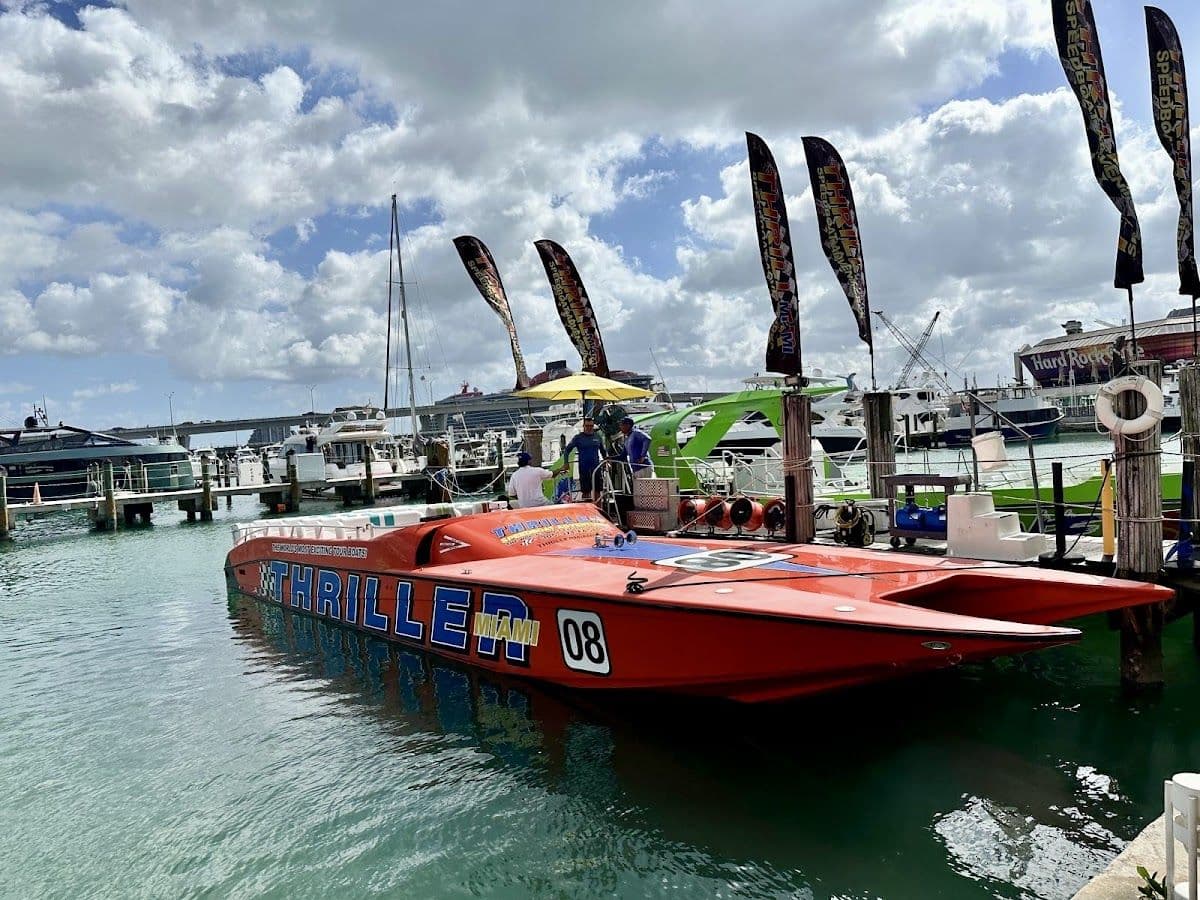
For something on the water, the Thriller Miami: Speedboat Adventure offers a fast-paced tour past Star Island, celebrity homes, and Biscayne Bay landmarks. It's loud, fun, and gives you a perspective on the city you won't get from land.
Zoo Miami is one of the largest and most respected zoos in the US. It's particularly good for families and houses species from tropical regions around the world.
Sports fans should consider catching an NBA game at Kaseya Center. NBA Miami Heat Home Tickets can be booked in advance, and the atmosphere on game nights is electric.
If you want to maximize your budget across multiple attractions, the Go City: Miami All-Inclusive Pass covers over 30 experiences and can save a significant amount compared to paying entry fees individually.
---
Where to Eat
Miami's food scene reflects its demographics: Cuban, Haitian, Colombian, Peruvian, and Caribbean influences are woven through the city's restaurants.
Budget options: Versailles Restaurant on Calle Ocho is an institution for Cuban food. A full meal with a cafecito (Cuban espresso) costs very little. Food trucks in Wynwood are another affordable and quality option.
Mid-range: Zak the Baker in Wynwood for breakfast or lunch. KYU for wood-fired Asian-inspired dishes. Coyo Taco for elevated Mexican street food.
Splurge: Carbone Miami at the Nobu Eden Roc hotel for Italian-American classics in a theatrical setting. Komodo in Brickell for Southeast Asian-inspired dishes and a dramatic multi-floor space.
One practical note: many South Beach restaurants add a service charge automatically. Check your bill before adding an additional tip.
---
Budget Expectations
Miami sits firmly in the expensive column for US cities, particularly in South Beach and Brickell.
- Budget traveler: $100 to $140 per day (hostel or budget hotel, food trucks and casual restaurants, free beaches and public transit)
- Mid-range: $200 to $350 per day (3-star hotel, sit-down meals, a mix of paid and free activities)
- Luxury: $500 and above per day (oceanfront hotels, fine dining, private tours)
Alcohol is expensive across the board. Happy hour specials exist but are less common in tourist-heavy areas.
---
Insider Tips
1. Go to South Beach before 8am. The beach transforms completely in the early morning. The light is soft, the sand is nearly empty, and the Art Deco hotels along Collins Avenue look their best. Most tourists don't surface until mid-morning.
2. The Venetian Causeway is one of the best free views in the city. This older causeway connecting Miami to Miami Beach is open to cyclists and pedestrians. The views of Biscayne Bay and the downtown skyline from the middle of the bridge are genuinely impressive and almost never mentioned in mainstream guides.
3. Little Havana is quietest on weekdays. The neighborhood gets crowded on weekends when it becomes a tourist attraction. Visit on a Tuesday or Wednesday morning and you'll find locals playing dominoes at Maximo Gomez Park, bakeries with short queues, and a much more authentic atmosphere.
---
Practical Tips
- Sun protection is non-negotiable. The UV index in Miami regularly hits extreme levels. Reapply sunscreen every 90 minutes if you're outdoors.
- Mosquitoes are active in summer and near the Everglades year-round. Pack repellent.
- Tipping culture follows standard US norms: 18 to 20 percent at restaurants, $1 to $2 per drink at bars.
- Cell coverage is strong throughout the city and most hotels offer free Wi-Fi.
- Spanish is widely spoken. Basic Spanish phrases go a long way in Little Havana and with many service workers.
- Book popular restaurants and tours in advance during peak season, particularly between December and March.
Miami rewards travelers who look beyond the obvious. The beach is just the beginning.