The Complete Guide to Kuala Lumpur: Malaysia's Dynamic Capital
Kuala Lumpur hits you with a sensory overload the moment you step outside the airport. The humid air carries hints of satay smoke and frangipani, while the skyline stretches impossibly high above bustling street markets. This is a city where you can slurp noodles from a plastic stool at 2 AM, then sip cocktails on the 57th floor an hour later. KL, as locals call it, doesn't just blend cultures—it celebrates them loudly and proudly.
When to Go
Best Time to Visit
KL's tropical climate means it's warm year-round, but timing your visit can make a huge difference. May through July offers the sweet spot—less rain, manageable humidity, and clearer skies for those Petronas Towers photos.
Avoid December through February if you can. This is monsoon season, and while the rain creates dramatic afternoon thunderstorms, it also means soggy street food adventures and indoor mall browsing.
Weather Breakdown
- Dry Season (May-September): Hot and humid with occasional afternoon showers
- Monsoon Season (October-March): Heavy rainfall, especially December-February
- Year-round temperature: 26-32°C (79-90°F)
Festivals Worth Planning Around
Chinese New Year (January/February) transforms the city with red lanterns and lion dances, but expect crowds and higher prices. Hari Raya celebrations after Ramadan bring incredible Malay feasts. Deepavali lights up Little India in spectacular fashion.
Pro tip: Festival seasons mean amazing food specials, but book accommodations well in advance.
How to Get There and Around
Getting to KL
Kuala Lumpur International Airport (KLIA) handles most international flights, sitting about 45km south of the city. The KLIA Express train gets you to KL Sentral in 28 minutes for around RM55 ($12). Skip the expensive taxis—the train runs every 15 minutes and drops you right in the transport hub.
Budget carriers often use KLIA2. Same train system, just hop on at Terminal 2.
Getting Around the City
The LRT and MRT systems are your best friends. Clean, air-conditioned, and efficient, they connect all major areas. A day pass costs RM8 ($1.80) and covers unlimited rides.
Grab (Southeast Asia's Uber) dominates the ride-sharing scene. Cheaper than taxis and the drivers actually use GPS. In traffic-heavy areas like Bukit Bintang, walking often beats driving.
Avoid regular taxis unless you enjoy heated negotiations about meter usage.
Where to Stay
Bukit Bintang
The Times Square of KL. Shopping malls, street food, bars, and that touristy energy you either love or hate. Perfect if you want everything walkable, but expect noise and crowds. Great transport connections to everywhere else.
KLCC (City Centre)
Home to the Petronas Towers and plenty of upscale hotels. Cleaner and more polished than Bukit Bintang, but you'll pay for the prestige. The Suria KLCC mall and KLCC Park make it family-friendly.
Chinatown
Gritty, authentic, and budget-friendly. Stay here if you want to be surrounded by temples, traditional shophouses, and some of the city's best street food. Not as polished, but infinitely more character.
Bangsar
KL's hipster neighborhood. Think craft cocktails, independent cafes, and young professionals. Quieter than the city center but still well-connected. Great if you prefer local vibes over tourist central.
Mont Kiara
Expat central. International restaurants, familiar chains, and English everywhere. Choose this if you want a softer introduction to KL or traveling with picky eaters.
What to Eat
Forget everything you think you know about Malaysian food. KL's street food scene operates on a different level entirely.
Must-Try Dishes
Char Kway Teow: Flat rice noodles wok-fried with prawns, Chinese sausage, and bean sprouts. The best versions have that crucial "wok hei" (breath of the wok) smokiness.
Nasi Lemak: Malaysia's national dish. Coconut rice served with sambal, fried anchovies, peanuts, and hard-boiled egg. Sounds simple, tastes incredible.
Laksa: Spicy noodle soup with coconut milk. Every region has variations, but KL's curry laksa will make you sweat and smile simultaneously.
Hokkien Mee: Dark soy sauce noodles with pork, squid, and prawns. Look for the darkest, most caramelized version you can find.
Roti Canai: Flaky flatbread served with curry. Perfect breakfast, snack, or late-night meal.
Where to Find the Best Food
Jalan Alor comes alive after dark with sizzling woks and plastic stools. Tourist-friendly but still authentic. Try the char kway teow at stall #8.
Lot 10 Hutong brings famous hawker stalls under one air-conditioned roof. Pricier than street stalls but perfect for cautious eaters or sweltering afternoons.
Petaling Street Market in Chinatown serves incredible hokkien mee and won ton noodles. Navigate past the fake Rolex watches to find food gold.
Village Park Restaurant makes KL's most famous nasi lemak. Locals queue for hours. Arrive early or very late.
Madras Lane hosts Indian Muslim stalls serving exceptional roti canai and teh tarik (pulled tea).
Drinking Culture
Malaysia's diverse population means varied drinking customs. Chinese coffee shops serve killer kopi (coffee with condensed milk). Indian stalls make theatrical teh tarik. Western-style bars cluster around Changkat Bukit Bintang.
Teh tarik is an art form—sweetened tea "pulled" between cups to create froth. Watch the masters work at any mamak stall.
Top Experiences and Attractions
Petronas Twin Towers
Yes, they're touristy. Yes, they're still worth it. The skybridge offers decent views, but the real magic happens at night when the towers light up. Best photo spots: KLCC Park or Traders Hotel rooftop bar.
Batu Caves
A 30-minute train ride to Hindu temples built inside limestone caves. Climb 272 colorful steps past aggressive monkeys (secure your belongings). The giant golden statue and cave cathedral are genuinely impressive.
Central Market
A beautiful Art Deco building housing local crafts, artwork, and cultural performances. Less chaotic than other markets, perfect for souvenir shopping without aggressive haggling.
KL Forest Eco Park
Canopy walks and jungle trails in the city center. The suspended bridge offers unique city views through tropical foliage. Free admission makes it even better.
Merdeka Square
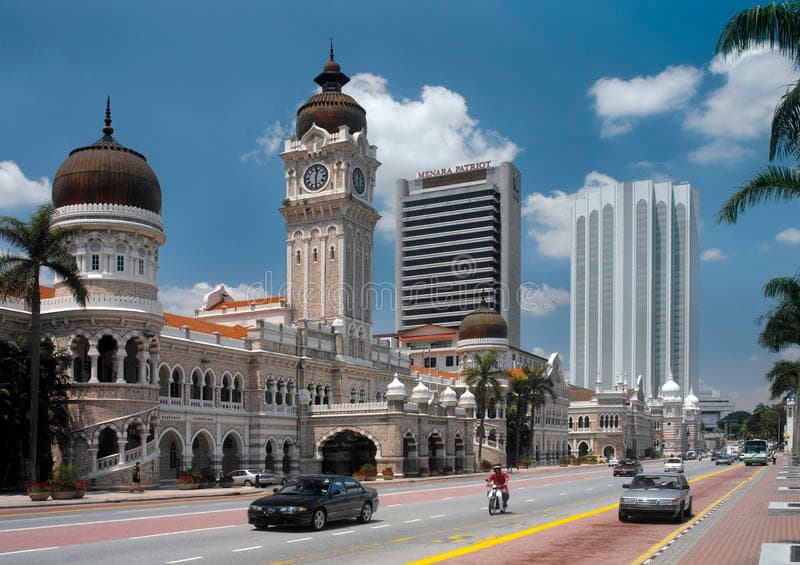
Historic heart of colonial KL. The Sultan Abdul Samad Building's clock tower and surrounding Moorish architecture provide Instagram-worthy backdrops and Malaysian history lessons.
Thean Hou Temple
Stunning Chinese temple complex with city views. Especially beautiful during Chinese festivals when red lanterns create magical evening scenes.
Street Art in Chinatown
Beyond the famous Penang murals, KL's Chinatown hides incredible street art down narrow alleys. Bring comfortable shoes and allow time to wander.
Money-Saving Tips
Eat like locals eat: Street stalls and hawker centers offer incredible meals for RM5-15 ($1-3). Hotel restaurants charge 10x more for inferior food.
Happy hour everything: Many bars offer 1-for-1 deals from 5-8 PM. Rooftop bars become affordable with advance planning.
Free attractions abound: KLCC Park, KL Forest Eco Park, temple visits, and walking tours cost nothing but provide rich experiences.
Shop at local markets: Central Market and Petaling Street offer better prices than mall shops. Haggling is expected and fun.
Use public transport: LRT/MRT day passes cost less than one Grab ride. Plus you'll see more of real KL.
Stay in Chinatown or Bangsar: Hotels here cost half the KLCC prices with easy transport connections.
Common Mistakes to Avoid
Don't eat only in malls: Food courts are convenient but you'll miss KL's incredible street food culture.
Don't ignore the heat: Carry water, seek shade during midday, and embrace the siesta concept.
Don't tip everywhere: Tipping isn't expected at local restaurants or street stalls. Upscale places may add service charges.
Don't dress inappropriately for temples: Cover shoulders and legs. Many temples provide sarongs if needed.
Don't expect everyone to speak English: While many do, learning "terima kasih" (thank you) and "maaf" (excuse me) goes far.
Don't only stay in tourist areas: Venture into local neighborhoods for authentic experiences and better prices.
Don't rush: KL rewards slow exploration. Allow time for spontaneous discoveries and lengthy food sessions.
Suggested 3-Day Itinerary Overview
Day 1: City Center Introduction
Morning: Petronas Towers and KLCC Park
Afternoon: Central Market and Merdeka Square
Evening: Jalan Alor street food dinner
Day 2: Cultural Immersion
Morning: Batu Caves adventure
Afternoon: Thean Hou Temple and Chinatown exploration
Evening: Bangsar bars and local nightlife
Day 3: Local Life
Morning: KL Forest Eco Park canopy walk
Afternoon: Shopping at Petaling Street, street art hunting
Evening: Sunset drinks with skyline views
Kuala Lumpur rewards the curious traveler. Every alley holds potential discoveries, every meal tells a cultural story, and every conversation reveals new perspectives. Come hungry, stay curious, and leave planning your return trip.
Book your KL adventure through TixLayer and prepare for a city that will surprise you at every turn.