Sapporo Travel Guide: Plan Your Perfect Trip
By Matt Cuckston, Founder & Travel Technology Expert at TixLayer
Sapporo sits at the northern edge of Japan's main island chain, and it rewards travellers who make the effort to get there. As Hokkaido's capital and largest city, it offers a very different pace and flavour from Tokyo or Osaka. The food is richer, the winters are dramatic, the summers are genuinely cool, and the overall atmosphere is more relaxed. If you're researching things to do in Sapporo, this guide is designed to give you a thorough planning foundation from transport and neighbourhoods to seasonal timing, budget expectations, and a few tips you won't find in the standard tourist brochures.
---
Getting to Sapporo
Most international travellers arrive at New Chitose Airport (CTS), located about 40 kilometres south of the city centre. It handles direct flights from major Asian hubs including Seoul, Taipei, Hong Kong, and Beijing, as well as connections from Tokyo Haneda and Narita.
From New Chitose, the JR Airport Express train runs directly to Sapporo Station in around 37 minutes and costs approximately 1,150 JPY. Trains run frequently throughout the day, making this the easiest and most reliable option. Taxis and shared shuttles are available but significantly more expensive and slower during peak hours.
If you're travelling from Tokyo by rail, the journey involves the Shinkansen to Shin-Hakodate-Hokuto and then a limited express train, taking around five hours total. Japan Rail Pass holders can cover this route without additional cost, which makes it worth considering for longer itineraries.
---
Getting Around the City
Sapporo has a clean, easy-to-navigate subway system with three lines covering the main areas visitors care about. A single ride costs between 210 and 380 JPY depending on distance. Day passes are available and worthwhile if you're planning to move around a lot.
The city is also unusually walkable by Japanese urban standards, particularly around the central Odori area. Many of the main attractions, restaurants, and shopping streets are within comfortable walking distance of each other.
For day trips outside the city, JR Hokkaido trains connect Sapporo to Otaru, Noboribetsu, and Lake Toya. Renting a car is worth considering if you want to explore rural Hokkaido at your own pace, especially in summer and autumn.
---
Best Neighbourhoods to Stay In
Odori and Susukino form the commercial and social core of the city. Staying here puts you close to everything, including the famous Ramen Alley, department stores, and the best izakayas. Susukino has a lively nightlife scene without being overwhelming.
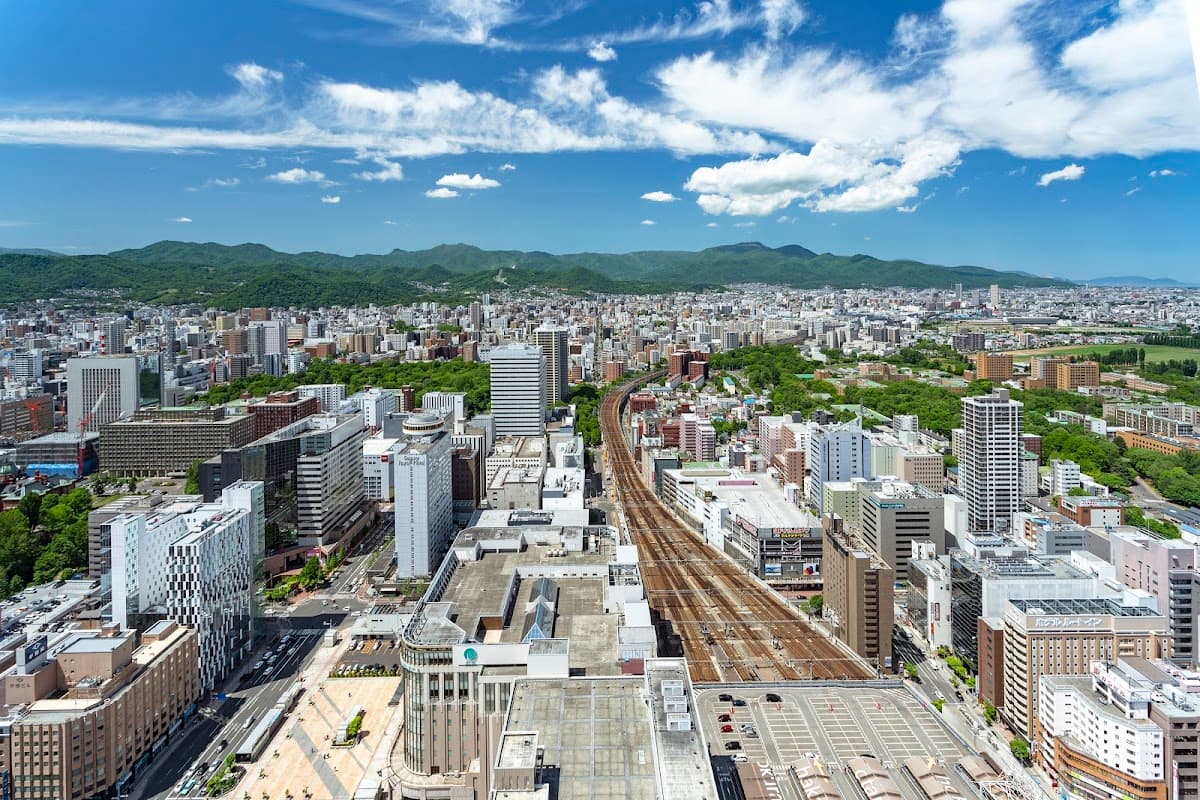
Sapporo Station area is the most convenient base for travellers who plan to take a lot of day trips, since the main rail hub is right on your doorstep. Hotels here range from budget business hotels to upscale international chains.
Nakajima Park area is a quieter residential neighbourhood a short subway ride from the centre. It suits travellers who want to stay somewhere calmer without sacrificing access.
---
When to Visit
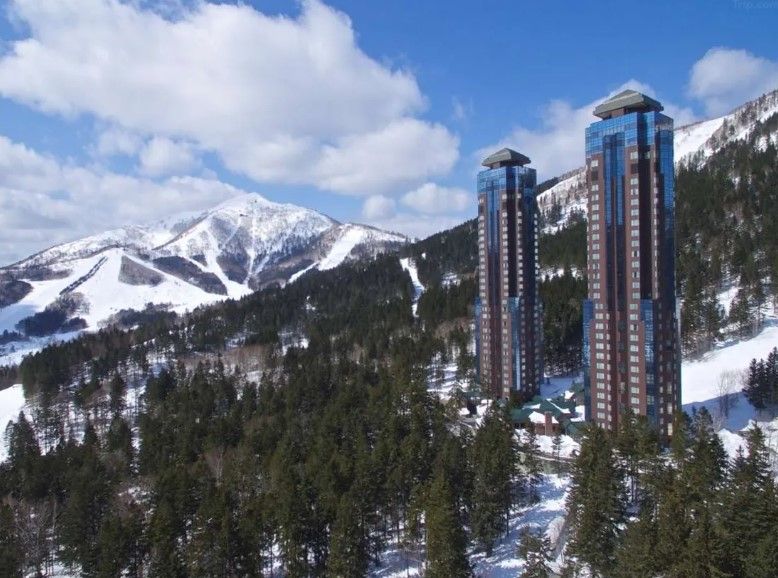
Sapporo has four genuinely distinct seasons, and the right time to visit depends entirely on what you're after.
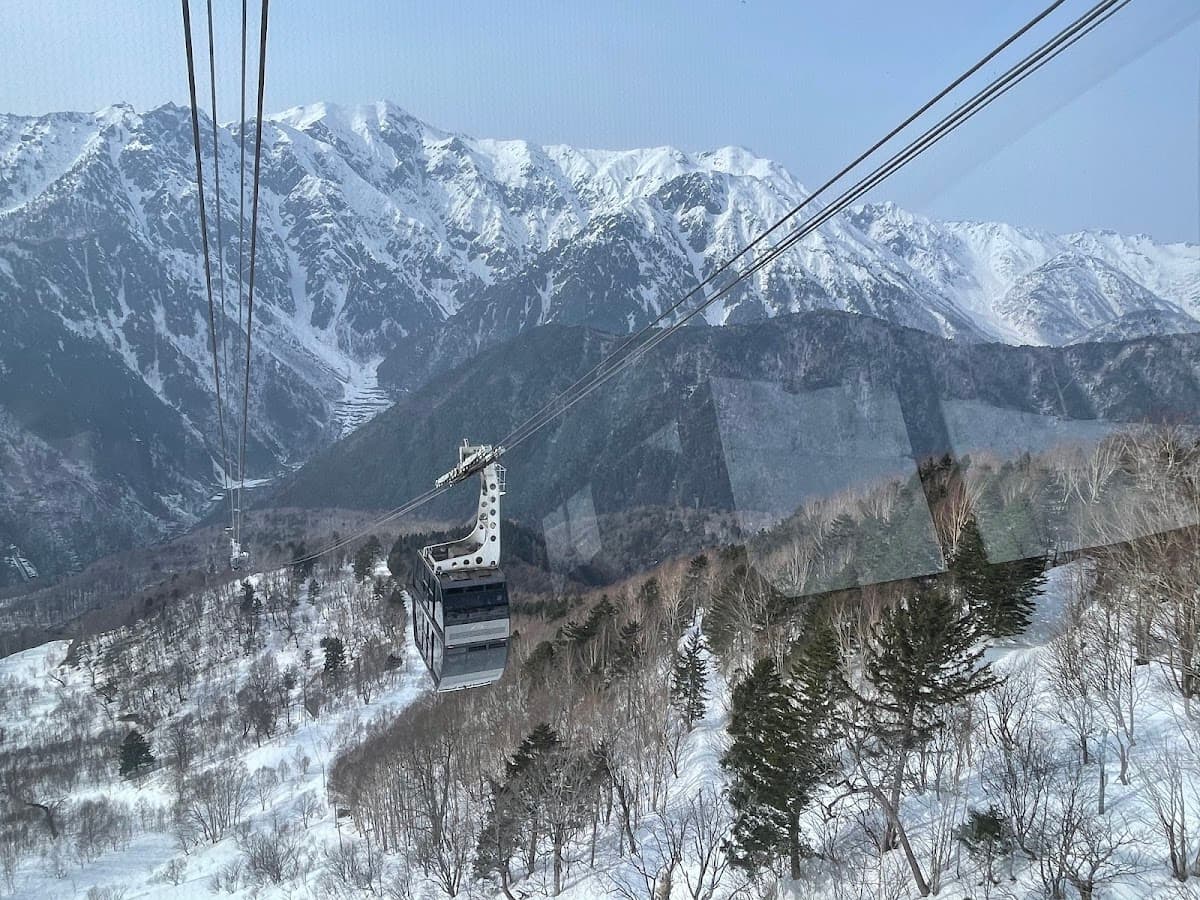
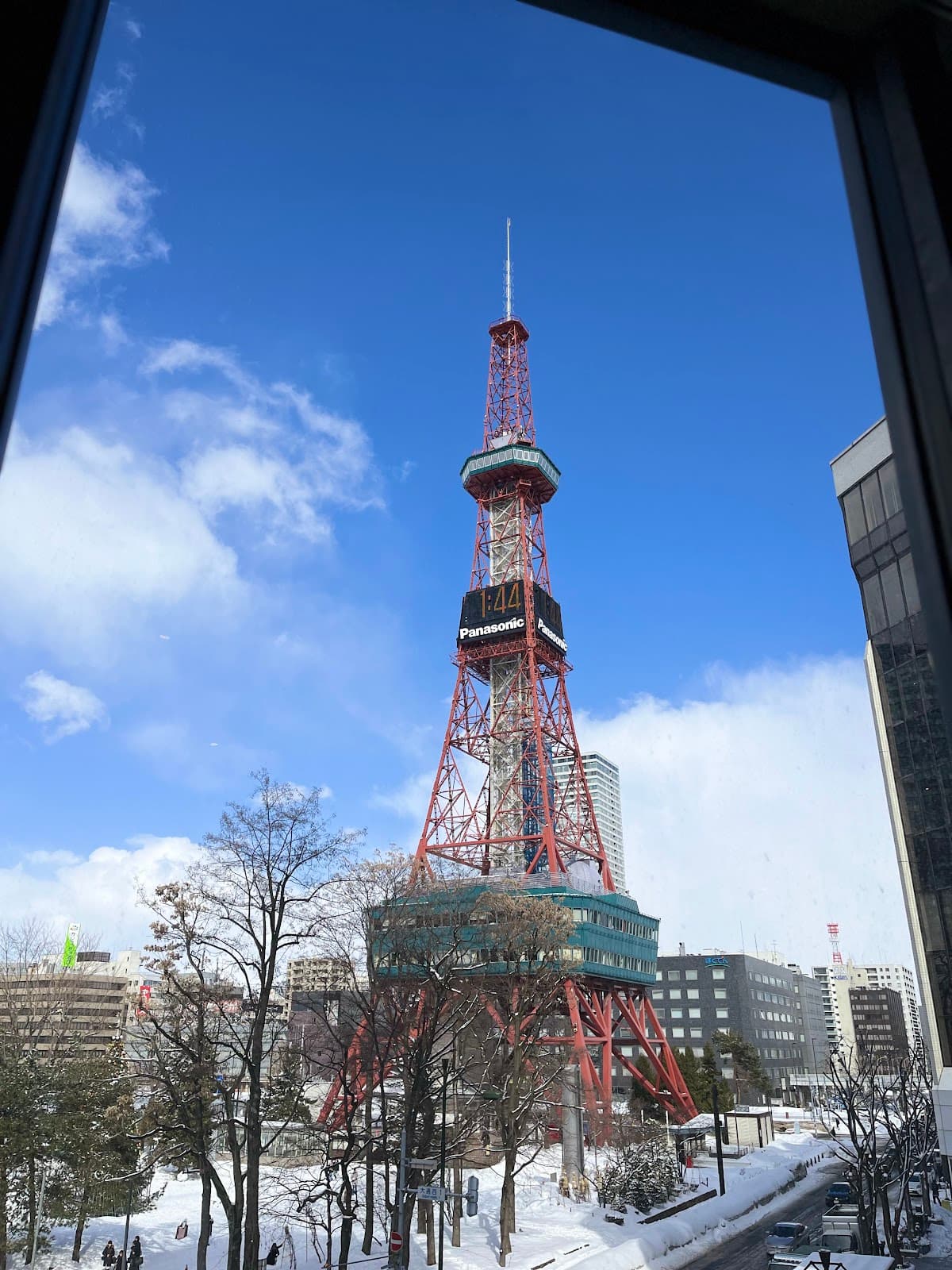
Winter (December to February) is when the city is at its most famous. Snowfall is heavy and consistent, and the annual Sapporo Snow Festival in early February draws enormous crowds. Ski resorts within easy reach of the city, including Sapporo Kokusai Ski Resort, offer some of the best powder conditions in the world. If skiing is your priority, January and February deliver the best snow.
Spring (April to May) sees snow melt quickly and temperatures rise to a comfortable range. Cherry blossoms arrive later here than in mainland Japan, usually in late April to early May.
Summer (June to August) is arguably the most underrated time to visit. While the rest of Japan swelters, Sapporo stays cool and pleasant, rarely exceeding 30°C. Lavender blooms across Hokkaido in July, and the city's beer gardens open for the season.
Autumn (September to November) brings vivid foliage and crisp air. October is particularly beautiful but can book up fast.
What to avoid: The Snow Festival period in early February is spectacular but hotel prices spike and availability tightens weeks in advance. If you want winter without the crowds, go in January. Golden Week in late April to early May is also heavily booked across Japan.
---
Top Things to See and Do
For a well-structured introduction to the city, a Sapporo 1-day tour is a practical way to cover the main highlights with local context.
Mt. Moiwa is one of the best viewpoints in the city. The Mt. Moiwa ropeway takes you up to a platform with sweeping views over the city and surrounding mountains, and the night view is especially worth the trip.
For winter sports, the Japan Hokkaido Sapporo Kokusai Ski Resort 1-day tour offers packages suited to different skill levels, handling the logistics of getting to the slopes and back.
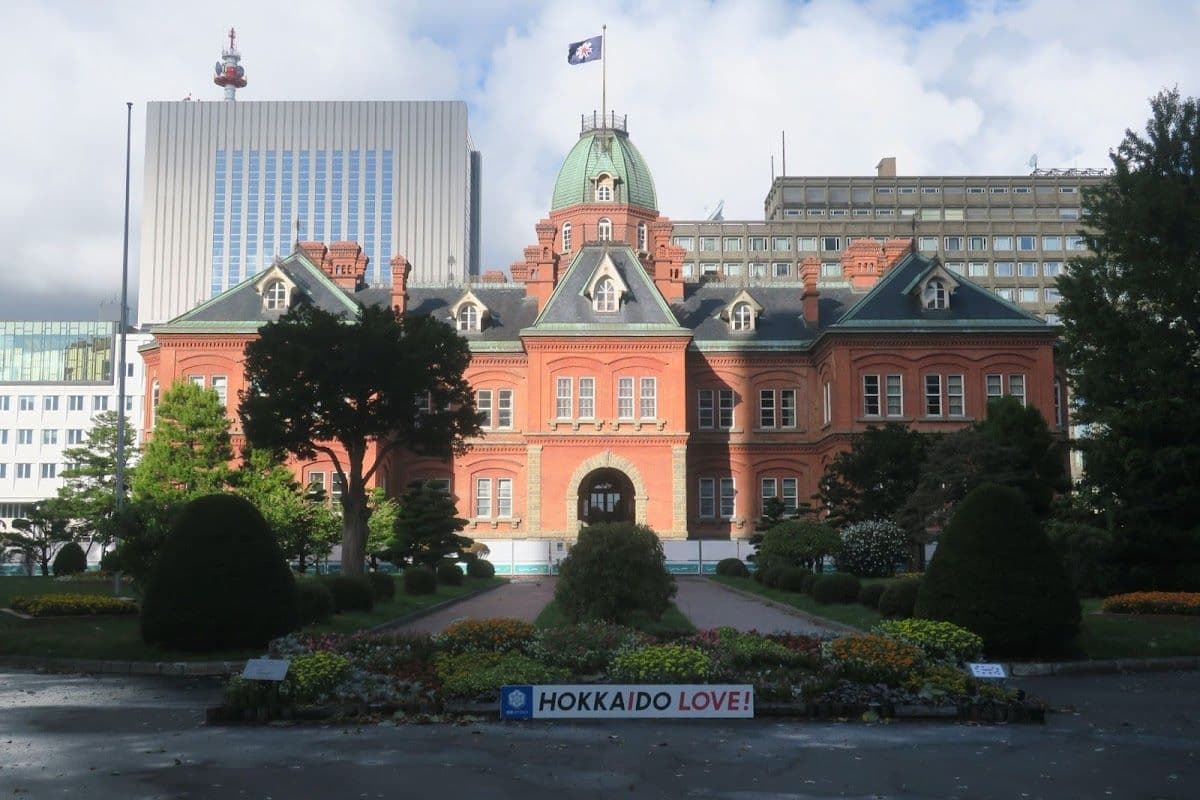
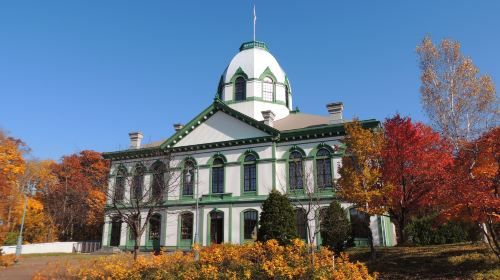
The Historical Village of Hokkaido is an open-air museum featuring over 60 preserved buildings from the Meiji and Taisho eras. It's a genuine step back into early Hokkaido settlement history and is far more interesting than it might sound.
For views from a different vantage point, the JR Tower Observatory T38 sits 160 metres above the city and offers panoramic sightlines on clear days.
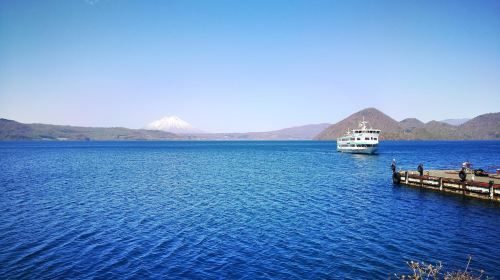
Day trips from the city are easy and worthwhile. Lake Toya is a caldera lake about 90 minutes away with boat rides and onsen towns along its shore. Hōheikyō Hot Spring is a more accessible option for a relaxing soak, located in a forested valley just outside the city.
---
Where to Eat
Sapporo has a food culture that punches well above its weight. The city is best known for miso ramen, and the Ramen Yokocho (Ramen Alley) in Susukino is the obvious starting point, though lines form early in the evening. Soup curry is a Sapporo invention and worth seeking out at any of the dedicated restaurants around the city.
Seafood from Hokkaido is exceptional. The Nijo Market near Odori is a good spot for fresh crab, sea urchin, and salmon roe, either as a market breakfast or a sit-down meal. Lamb barbecue, known locally as Jingisukan, is another regional speciality you should try at least once.
For budget eating, convenience stores like Seicomart (a Hokkaido-specific chain) offer surprisingly good prepared food. A full meal rarely costs more than 600 to 800 JPY.
---
Budget Expectations
Sapporo is meaningfully more affordable than Tokyo. Mid-range hotel rooms in central areas typically run between 8,000 and 15,000 JPY per night. A decent sit-down ramen lunch costs around 900 to 1,200 JPY. Izakaya dinners with drinks for two can be done comfortably for 5,000 to 8,000 JPY.
The main costs to plan for are ski passes and resort day trips in winter, which can add up quickly. Budget travellers who focus on local food and public transport can get through a day in Sapporo for well under 5,000 JPY excluding accommodation.
---
Insider Tips
The underground shopping mall is your weather backup plan. Sapporo has an extensive network of underground walkways and shopping passages connecting the main station, Odori, and Susukino. In winter, this means you can walk significant distances without stepping outside. Most visitors don't realise the full extent of the network until their second trip.
Go to the observation spots on weekday evenings. The night views from Mt. Moiwa and the JR Tower are genuinely spectacular, but weekend evenings draw crowds. A Tuesday or Wednesday visit means shorter waits and a more relaxed experience.
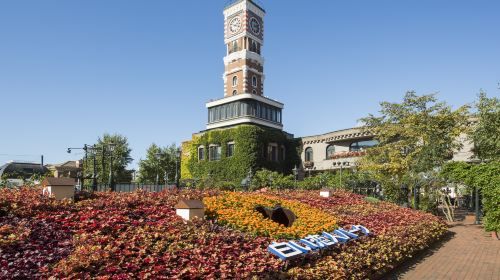
Shiroi Koibito Park is worth visiting even if you're not a chocolate fan. The Shiroi Koibito Park is built around Hokkaido's most famous biscuit brand, and while it sounds like a tourist trap, the factory tour and European-style garden are genuinely well done. It's also a great spot to stock up on gifts before heading home, since the products here are fresher than what you'll find at airport shops.
---
Practical Tips
- Get an IC card (Suica or a local equivalent) at the airport on arrival. It works on the subway, JR trains, and most buses.
- Sapporo Station and the surrounding blocks have excellent coin locker facilities if you need to store luggage between check-in and check-out.
- English signage in the city centre is good, but outside the main tourist areas it drops off quickly. Download an offline map and the Google Translate camera function before you go.
- Tipping is not practised in Japan. Offering a tip can cause confusion or embarrassment.
- Winters require proper layering. Temperatures regularly fall to minus 10°C or below, and wind chill makes it feel colder. Pack accordingly.
Sapporo rewards careful planning, and the city has enough range to satisfy travellers with very different priorities. Whether you're here for the slopes, the food, or simply to experience a part of Japan that most visitors never reach, the time you put into planning will pay off from the moment you arrive.