
San Diego Travel Guide: Plan Your Perfect Trip
By Matt Cuckston, Founder & Travel Technology Expert at TixLayer
California's southernmost major city sits right on the Pacific coast, separated from Mexico by just a few miles and from Los Angeles by about two hours of freeway. Whether you're planning a long weekend or a full week, the things to do in San Diego range from world-renowned animal parks and naval history museums to surf breaks, craft breweries, and some of the best fish tacos in the country. This guide covers everything you need to know before you arrive.
---
Getting There
By Air: San Diego International Airport (SAN) sits just three miles from downtown, making it one of the most conveniently located airports in the United States. Most major U.S. cities have direct flights, and the airport serves several international routes. From the terminal, a taxi or rideshare to downtown takes under 10 minutes and costs roughly $15 to $20.
By Train: Amtrak's Pacific Surfliner connects San Diego to Los Angeles, Santa Barbara, and points north. The route hugs the coastline for much of the journey, making it one of the more scenic rail options in the country. The Santa Fe Depot in downtown is the arrival point, putting you within walking distance of most central hotels.
By Car: Driving from Los Angeles takes roughly two to two and a half hours without traffic, though the I-5 corridor can slow significantly on Friday afternoons. If you're crossing from Mexico at Tijuana, the San Ysidro border crossing is the busiest land border in the Western Hemisphere, so budget extra time.
---
Getting Around
San Diego is a car-friendly city, and having a rental gives you the most flexibility, especially for reaching the Zoo Safari Park in Escondido or beaches north of the city. That said, downtown, Balboa Park, and the Gaslamp Quarter are all walkable, and the Metropolitan Transit System (MTS) covers most tourist areas reasonably well.
The Trolley system runs three lines connecting downtown to Old Town, Mission Valley, and the border. Day passes cost around $6 and are worth it if you're staying central. Rideshare apps are widely available and affordable for shorter hops between neighborhoods. Renting a bike or scooter works well along the Mission Beach boardwalk and in Coronado.
---
Best Neighborhoods to Stay
Gaslamp Quarter: The most central option, surrounded by restaurants, bars, and walking distance from the waterfront. Hotels here tend to be pricier but save you on transport costs.
Little Italy: A quieter, more residential feel with excellent coffee shops, Italian restaurants, and easy access to the harbor. A strong choice for first-time visitors.
Mission Beach and Pacific Beach: Best for travelers who want to be close to the ocean. More casual in atmosphere, with surf shops, beach bars, and a younger crowd.
Coronado: Across the bay via the iconic bridge, Coronado offers a slower pace, a beautiful beach, and the historic Hotel del Coronado. Slightly removed from the main attractions but worth considering for a relaxed stay.
North Park: A local favorite for food and nightlife, with independent restaurants and some of the city's best craft beer bars. Less convenient for major tourist sites but excellent if you want to experience everyday San Diego life.
---
When to Visit
San Diego earns its reputation for consistent weather. The city averages over 260 sunny days per year, but there are meaningful differences between seasons.
Best months: September and October. Summer crowds have thinned, prices drop, and the weather is often at its warmest and most stable. The marine layer that blankets the coast during June and July, locally known as "June Gloom," has lifted by this point.
Spring (March to May): Pleasant temperatures in the low 70s, wildflowers in bloom, and fewer tourists than summer. A strong option for budget-conscious travelers.
Summer (June to August): Peak season. Hotels are expensive, beaches are crowded, and mornings are often overcast along the coast. That said, summer does bring festivals, outdoor events, and the full energy of the city.
Winter (December to February): Mild by most standards, with daytime temperatures around 60 to 65°F. Rainfall is possible but rarely heavy. This is also peak season for whale watching, as gray whales migrate along the coast.
---
What to See and Do
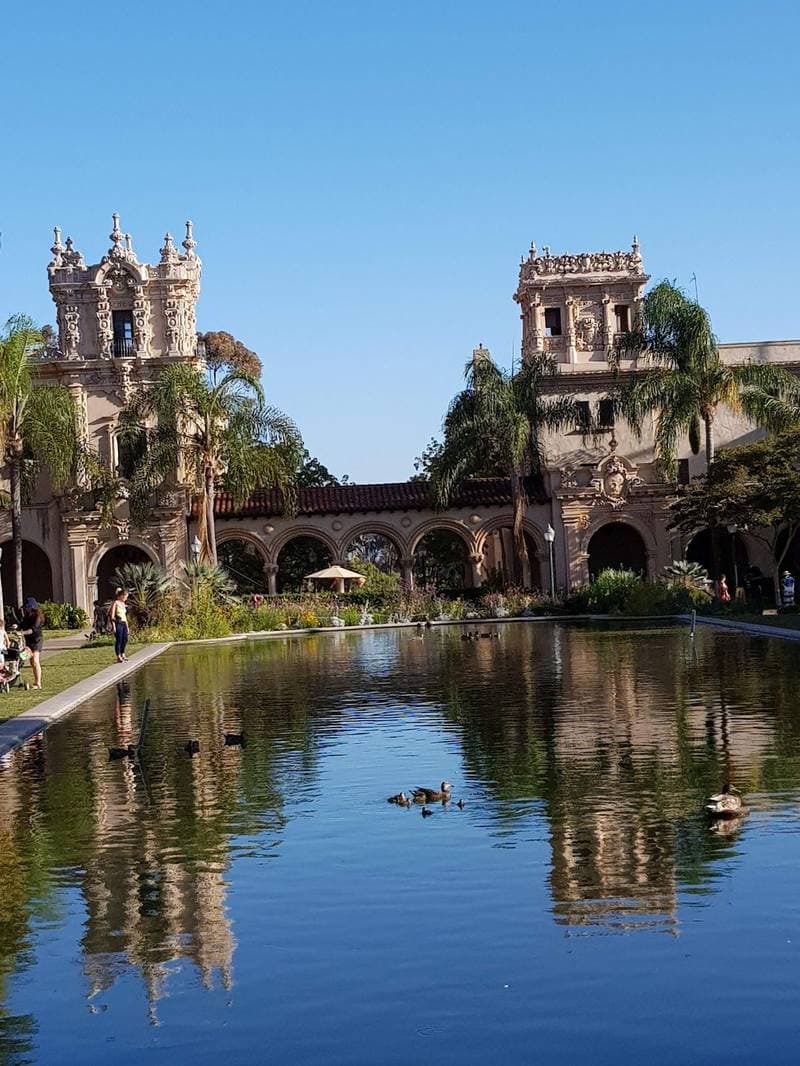
Balboa Park is the cultural core of the city, home to 17 museums, gardens, and the famous San Diego Zoo 1-Day Pass. With over 3,700 rare and endangered animals across beautifully landscaped grounds, the Zoo alone can fill a full day. If you want more space and a more open safari-style experience, the San Diego Zoo Safari Park 1-Day Pass in Escondido is worth the drive. Visiting both? The San Diego Zoo & Safari Park 2-Visit Pass saves money and gives you flexibility on timing.
The USS Midway Museum on the downtown waterfront is one of the most impressive military history attractions in the country. You can walk the flight deck, sit in cockpits, and explore the massive ship from bow to stern. Book a USS Midway Museum: Skip The Line Ticket in advance during peak season to avoid long queues.
The Harbor and Waterfront offer several ways to get out on the water. A San Diego Harbor Cruise gives you a relaxed overview of the bay and skyline, while a San Diego Whale Watching & Dolphin Cruise is a standout experience between December and April when gray whales are active offshore.
Old Town San Diego is the site of the original settlement and offers a walkable collection of historic buildings, Mexican restaurants, and market stalls. It's touristy but genuinely interesting for a half-day visit.
La Jolla is a coastal neighborhood about 15 miles north of downtown with sea caves, snorkeling, and a colony of harbor seals at Children's Pool beach. The Torrey Pines State Natural Reserve nearby has trails with sweeping ocean views.
---
Where to Eat
San Diego punches well above its weight for food. The fish taco is the city's signature dish, and the best versions are found at small taquerias rather than tourist-facing restaurants. Locals consistently point to places in Barrio Logan and along the waterfront in Chula Vista.
Little Italy's Saturday farmers market is one of the best in California for fresh produce, local cheeses, and prepared food stalls. North Park and South Park neighborhoods have the highest concentration of independent restaurants, covering everything from Vietnamese pho to wood-fired Neapolitan pizza.
For craft beer, San Diego has more breweries per capita than almost any other American city. Ballast Point, Stone Brewing, and AleSmith all have large taprooms, but smaller neighborhood spots like those in North Park offer a more local experience.
---
Budget Expectations
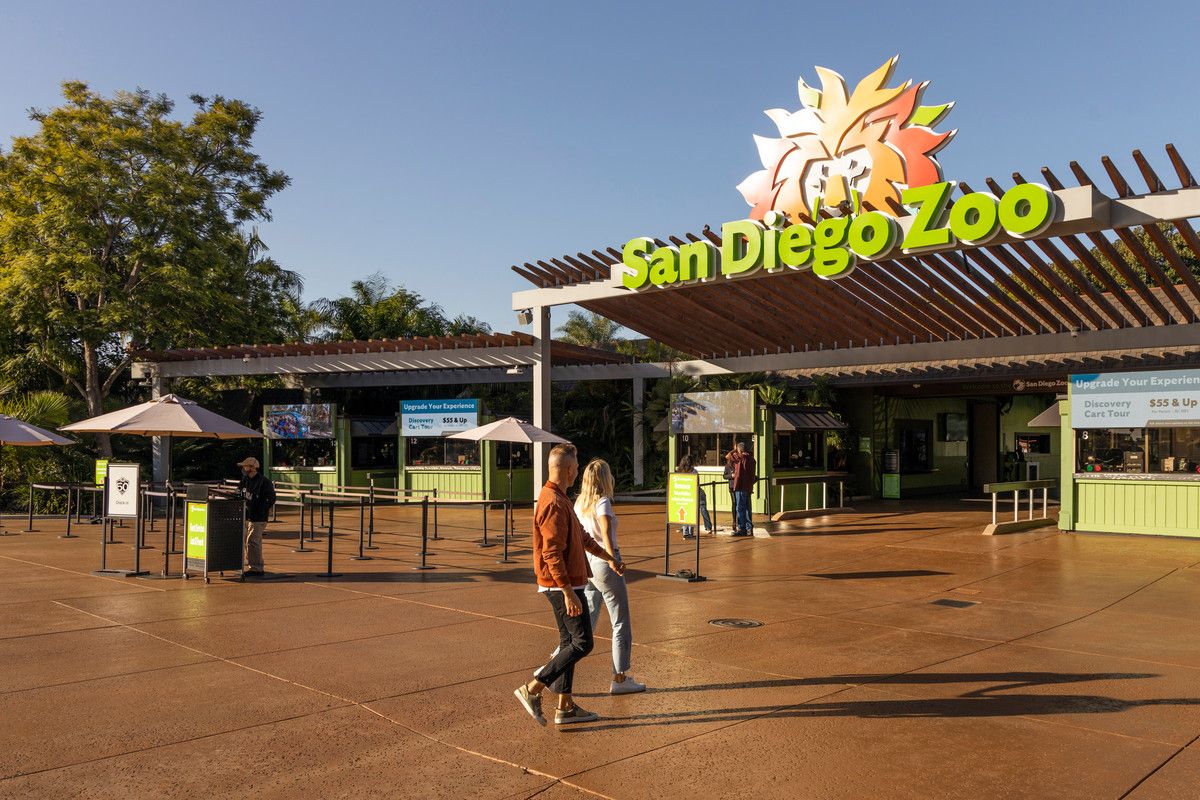
San Diego sits in the mid-to-high range for U.S. cities. Budget travelers can manage on around $100 to $130 per day by staying in hostels or budget motels, eating tacos and market food, and using public transit. Mid-range travelers spending on a decent hotel, sit-down meals, and attraction tickets should budget $200 to $300 per day. The major attractions, particularly the Zoo and USS Midway, have entry fees in the $25 to $60 range, so booking passes like the Go City: San Diego Explorer Pass can meaningfully reduce costs if you're planning to visit multiple sites.
Parking downtown costs $20 to $35 per day in garages, which is worth factoring in if you rent a car.
---
Insider Tips
The Zoo is best on weekday mornings. Animals are most active in the first two hours after opening, and crowds are noticeably thinner before 10am. Arriving right at opening on a Tuesday or Wednesday is a completely different experience from a Saturday afternoon in July.
Coronado Beach faces west, not south. Most visitors assume all San Diego beaches catch the same sunset, but Coronado is positioned to give you an unobstructed view of the sun dropping into the Pacific. It's one of the best sunset spots in the city and far less crowded than Mission Beach in the evenings.
Cross into Tijuana for a meal and come back. The San Ysidro crossing is straightforward for U.S. citizens with a passport, and Avenida Revolucion and the Zona Rio neighborhood have excellent restaurants at a fraction of San Diego prices. The pedestrian crossing takes 10 to 15 minutes northbound outside of peak hours. It's an experience most visitors skip entirely and almost everyone who does it wishes they'd done it sooner.
---
Practical Tips
- Tap water is safe to drink throughout the city.
- Tipping 18 to 20 percent is standard at sit-down restaurants.
- Parking at beaches fills up quickly on summer weekends. Arrive before 9am or use public transit.
- The MTS Day Tripper pass covers unlimited rides on buses and trolleys for $6 per day.
- Sunscreen is necessary year-round. The UV index is high even on overcast days due to the city's latitude.
- Cell coverage is strong throughout the metro area, including most beach zones.
San Diego rewards travelers who take time to move beyond the obvious. The major attractions are genuinely worth visiting, but the neighborhoods, coastline, and food scene are what make the city worth returning to.