
Naples Travel Guide: Plan Your Perfect Trip
By Matt Cuckston, Founder & Travel Technology Expert at TixLayer
Naples sits at the edge of a bay that has drawn traders, emperors, and artists for thousands of years, and it has never really stopped being extraordinary. If you are looking for things to do in Naples and want a planning resource that goes beyond the usual surface-level advice, you are in the right place. This guide covers how to get here, how to get around, where to stay, what to eat, and how to make the most of every day without overspending or wasting time.
---
Getting to Naples
Naples International Airport (NAP), also known as Capodichino, sits about 7 kilometres north of the city centre. It handles flights from most major European hubs, and budget carriers including Ryanair and easyJet operate regular routes from the UK, Germany, and Spain. From the airport, the Alibus shuttle runs directly to Piazza Garibaldi (the main train station) and the port, costing around €5 and taking 20 to 30 minutes depending on traffic.
If you are travelling from Rome, the high-speed Frecciarossa train between Roma Termini and Napoli Centrale takes just over an hour and runs frequently throughout the day. This is often the most comfortable and reliable option. Standard tickets can be found for €20 to €50 depending on how far in advance you book.
Ferries and hydrofoils connect Naples to the islands of Capri, Ischia, and Procida, as well as to Palermo and Cagliari for longer crossings. The main departure points are Molo Beverello and Calata Porta di Massa, both walkable from the city centre.
---
Getting Around the City
Naples has a metro system with two main lines, a funicular network climbing to the Vomero hill, and a dense bus network. Single tickets cost €1.10 and are valid for 90 minutes across all modes. A daily pass costs €3.50 and is worth it if you plan to make more than three or four journeys.
Taxis are metered but can be expensive, particularly from the airport. Always confirm the meter is running before you set off. Ride-hailing apps are less common here than in northern Italian cities, so taxis from official ranks are your safest option.
Walking is genuinely the best way to explore the historic centre, which is compact and packed with things to see at street level. The Spaccanapoli corridor cuts straight through the old city and rewards slow, unhurried exploration.
---
Best Neighbourhoods to Stay In
Centro Storico is the heart of the old city and the most atmospheric base. It is noisy, lively, and close to almost everything. Accommodation here ranges from budget guesthouses to boutique hotels in historic palazzos.
Chiaia is the upmarket residential neighbourhood along the waterfront. It is quieter, cleaner, and home to better restaurants and bars. Prices are higher, but it offers a calmer experience without being far from the action.
Vomero sits on the hill above the city and is a favourite with locals. It is residential and peaceful, with excellent views and a good selection of independent cafes and restaurants. The funicular makes getting down to the centre straightforward.
Quartieri Spagnoli, the Spanish Quarter, is a grid of narrow streets running west of Via Toledo. It has a reputation that does not entirely match reality today. It is dense and authentic, and increasingly popular with younger travellers looking for affordable stays and local atmosphere.
---
When to Visit
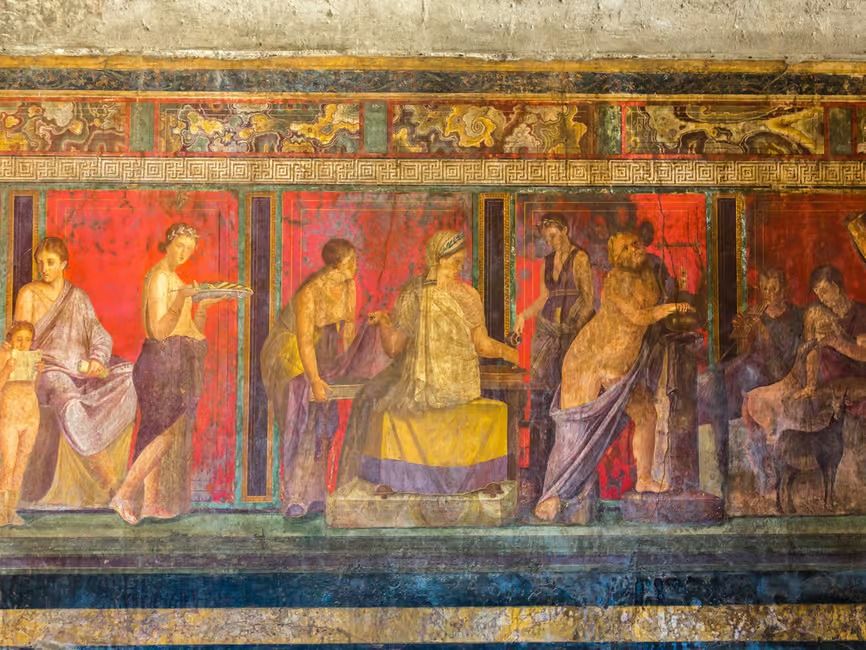
The best months to visit Naples are April, May, September, and October. Temperatures are comfortable, crowds are manageable, and the light is excellent for photography and sightseeing. Spring also means the surrounding countryside is green, which makes day trips to Pompeii and the Amalfi Coast particularly rewarding.
June through August brings intense heat, particularly in July and August when temperatures regularly exceed 35°C. The city itself empties as locals head to the coast, but tourist numbers at major sites spike sharply. If you visit in summer, book everything well in advance and plan outdoor activities for early morning.
November through February is the quietest period. Prices drop considerably, crowds thin out, and the city takes on a different character. Rain is more frequent, and some ferry routes to the islands operate on reduced schedules. That said, winter is a perfectly viable time to visit if you are focused on food, museums, and culture rather than beach days.
Avoid the week of Ferragosto (around August 15) if possible. Many local restaurants and shops close, the city feels deserted in some areas, and tourist sites become uncomfortably crowded.
---
What to See and Do
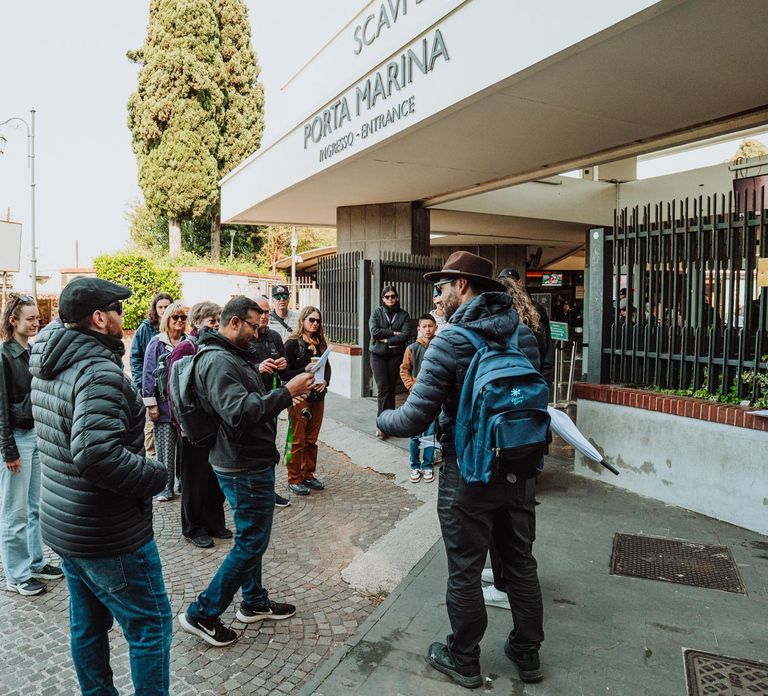
The National Archaeological Museum is one of the finest in the world and essential context before visiting any of the ancient sites in the region. It holds the bulk of artefacts recovered from Pompeii and Herculaneum, including the famous Secret Cabinet of erotic art.
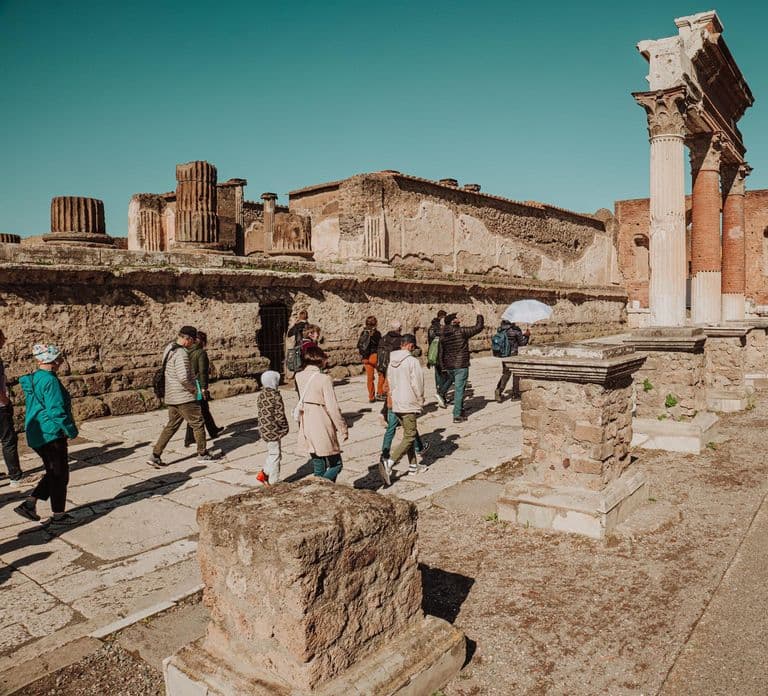
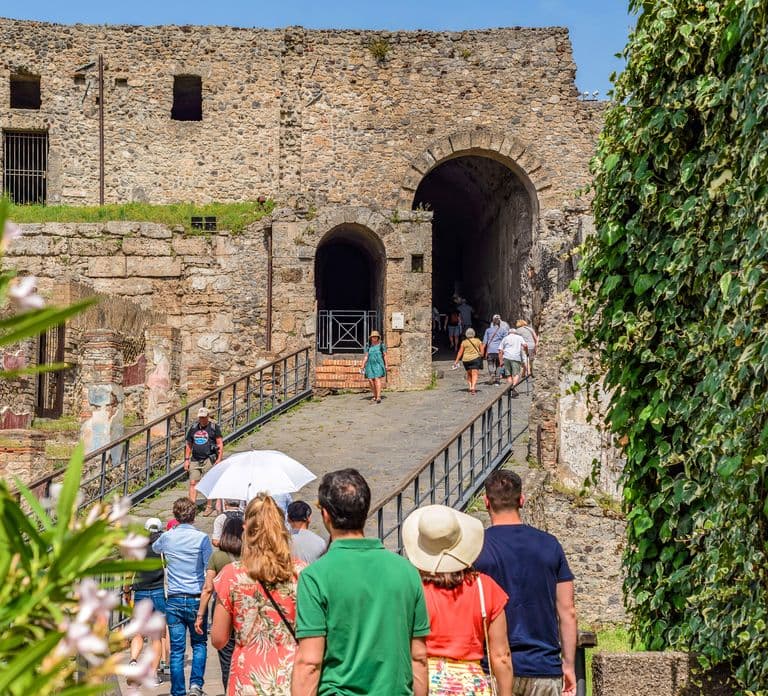
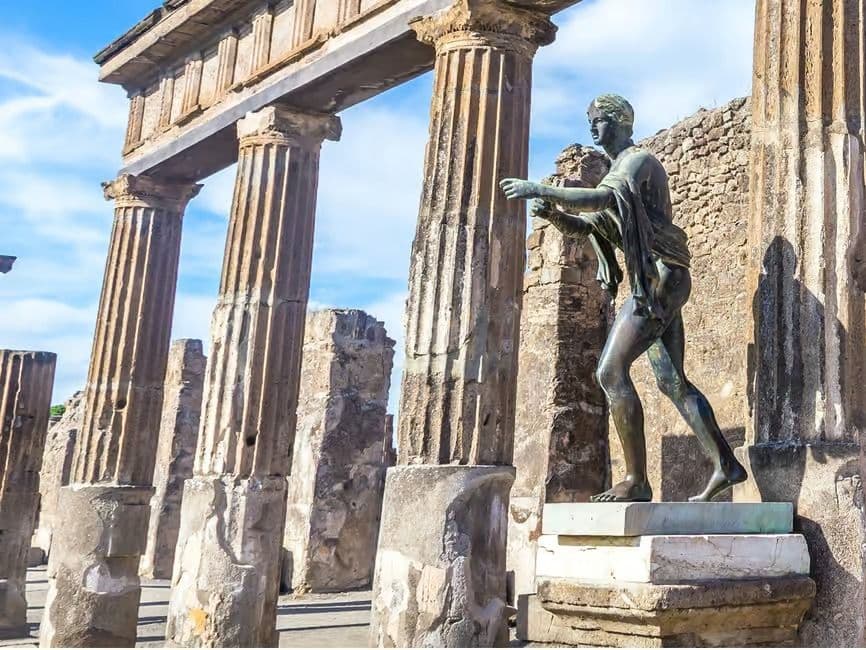
For the ancient sites themselves, Pompeii is the obvious starting point. A Pompeii Guided Tour with a Local Archaeologist transforms what could be an overwhelming experience into something genuinely meaningful. If you prefer a smaller group setting, the Pompeii Small Group Tour with an Archaeologist is an excellent alternative. For those who want to combine the ruins with the volcano itself, a Pompeii and Mount Vesuvius Tour with Transportation covers both in a single well-organised day.
Herculaneum is smaller than Pompeii but arguably better preserved, and far less crowded. The Herculaneum Small Group Tour with an Archaeologist is one of the best ways to experience it properly.
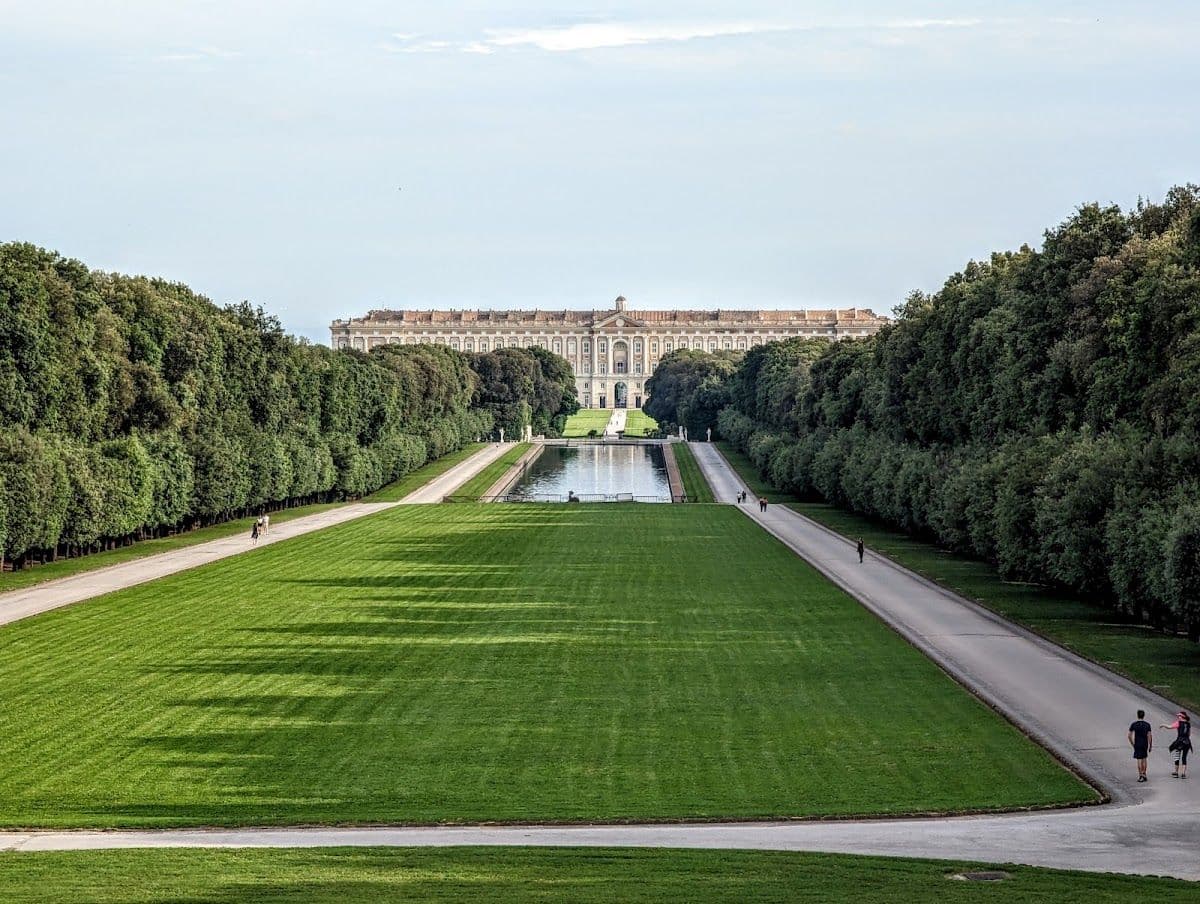
Beyond the ancient world, the Royal Palace of Naples, Castel dell'Ovo on its small island, and the underground tunnels of Napoli Sotterranea are all worth your time. For a day away from the city, the Tour of Positano, Amalfi and Ravello gives you the Amalfi Coast in a single well-structured excursion.
---
Where to Eat

Naples is the birthplace of pizza as the world knows it, and eating it here is a genuinely different experience. L'Antica Pizzeria da Michele on Via Cesare Sersale is the most famous, serving only Margherita and Marinara. Expect a queue. Sorbillo on Via dei Tribunali is another institution with a longer menu.
Beyond pizza, look for ragù napoletano (a slow-cooked meat sauce served over pasta), frittura di paranza (mixed fried seafood), and sfogliatella (a shell-shaped pastry filled with ricotta). Street food is excellent and inexpensive throughout the Centro Storico.
For a hands-on experience, a Naples pizza making lesson in a traditional restaurant is a genuinely enjoyable way to spend a morning and leaves you with a skill worth keeping.
Budget-wise, Naples is one of the most affordable major cities in Italy. A sit-down pizza at a good restaurant costs €6 to €12. A full meal with wine at a mid-range trattoria rarely exceeds €30 per person. Accommodation runs from €40 per night for a decent guesthouse to €150 and above for a boutique hotel in Chiaia.
---
Insider Tips
Book Pompeii for the first slot of the day. The site opens at 9am and the first two hours are dramatically quieter than the rest of the day. By 11am the main streets are crowded enough to make it difficult to pause and take in what you are actually looking at.
Take the Circumvesuviana train to Herculaneum rather than Pompeii for a quieter ancient site experience. The train stops at Ercolano Scavi, a short walk from the entrance. Most day-trippers head straight to Pompeii, which means Herculaneum rarely feels overrun even in peak season.
The Quartieri Spagnoli is best explored on a weekday morning. The neighbourhood's small workshops, tailors, and food stalls are open and unhurried before noon on weekdays. Weekends bring more foot traffic and a different atmosphere that, while enjoyable, is less representative of daily life in the area.
---
Practical Tips
- Carry cash. Many smaller restaurants, bars, and market stalls do not accept cards.
- Keep an eye on your belongings on busy streets and on public transport, particularly around Piazza Garibaldi.
- The city's historic centre is a UNESCO World Heritage Site. Much of it is pedestrianised or has limited traffic, which makes walking both practical and pleasant.
- If you are arriving by cruise ship, the Pompeii and Herculaneum Shore Excursion is designed specifically to work within port schedules.
- Tipping is not expected in the same way it is in the US or UK, but leaving small change or rounding up the bill is appreciated.
Naples is a city that asks something of its visitors: patience, curiosity, and a willingness to look past the surface. Those who give it that find it impossible to forget.