Nagoya Travel Guide: Plan Your Perfect Trip
By Matt Cuckston, Founder & Travel Technology Expert at TixLayer
Nagoya doesn't get the same international attention as Tokyo or Kyoto, but that's precisely what makes it worth your time. Japan's fourth-largest city is a place where samurai history, manufacturing heritage, and a genuinely distinct food culture come together without the overwhelming crowds. If you're researching things to do in Nagoya and wondering whether it deserves a spot on your itinerary, the short answer is yes. This guide covers everything you need to plan your trip from start to finish.
Getting to Nagoya
Nagoya is one of Japan's most accessible cities. Chubu Centrair International Airport (NGO) handles international arrivals and sits on an artificial island about 35 minutes from the city centre by the Meitetsu Airport Line. The train runs frequently and costs around ¥870 for a standard seat.
If you're already in Japan, the Shinkansen is the most convenient option. From Tokyo, the Tokaido Shinkansen takes roughly 1 hour 40 minutes on a Nozomi service. From Kyoto, it's just 35 minutes, and from Osaka, around 50 minutes. A Japan Rail Pass covers Hikari and Kodama services but not Nozomi, so factor that in when planning.
Long-distance highway buses are a budget-friendly alternative from major cities, typically costing ¥2,500 to ¥4,000 depending on the route and booking timing.
Getting Around the City
Nagoya has an excellent subway network with six lines covering all the main areas you'll want to visit. A single journey costs ¥210 to ¥320 depending on distance. The Donichi Eco Kippu day pass (¥620 on weekends and public holidays) is excellent value if you're planning to move around a lot.
The city also has a loop bus called the Meguru that connects major tourist sites for ¥210 per ride or ¥630 for a day pass. Taxis are available but expensive by most standards. Cycling is manageable in flatter areas, and rental options are available near major stations.
Best Neighbourhoods to Base Yourself
Sakae is the commercial and entertainment core, with department stores, restaurants, and easy subway access. It suits most visitors and has the widest range of accommodation.
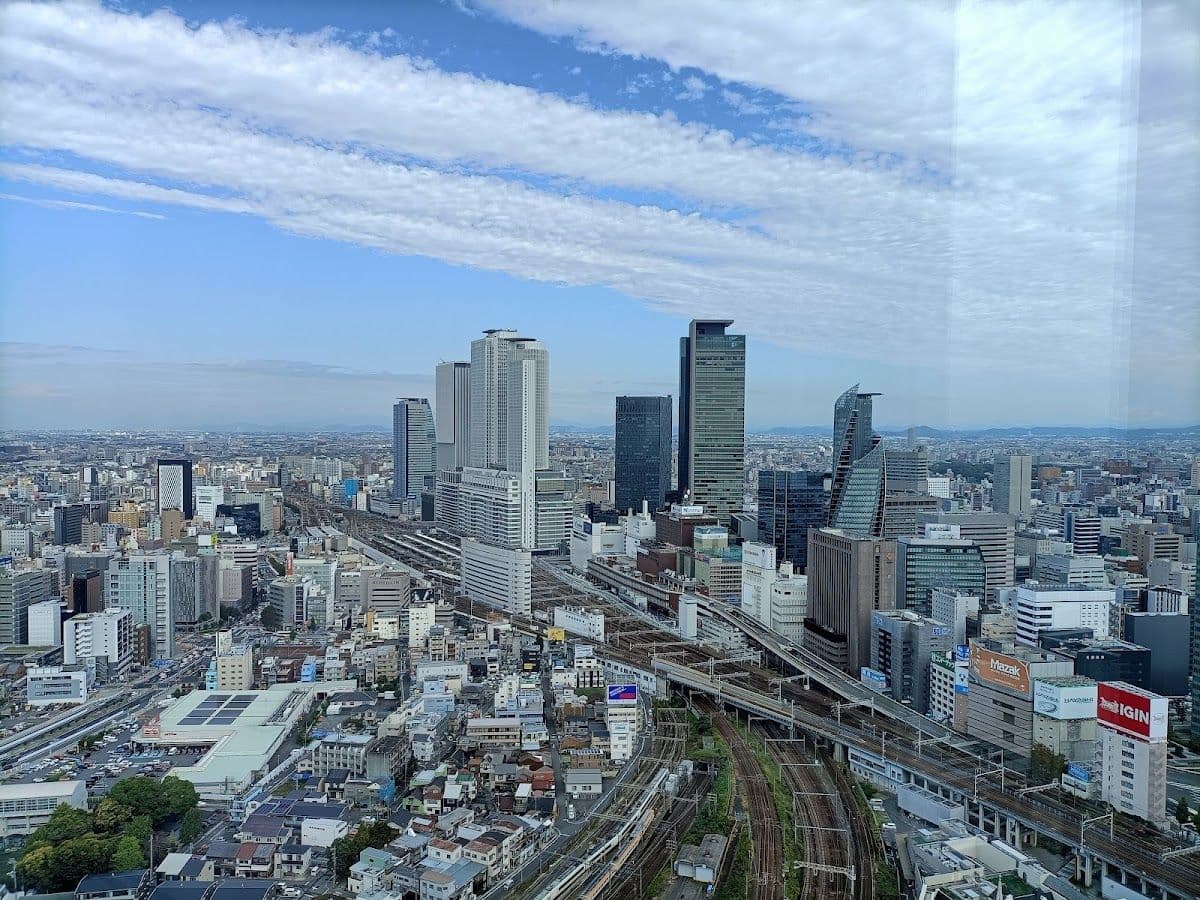
Nagoya Station area is ideal for those arriving by Shinkansen or planning day trips, since it's the main transit hub. Hotels here range from budget business hotels to upscale chains.
Atsuta is worth considering if you want to be close to the famous Atsuta Shrine and prefer a quieter, more residential feel.
When to Visit
March to May is the most popular window. Cherry blossoms typically arrive in late March around Nagoya Castle, and temperatures are comfortable for walking. This is also when the Fuji Shibazakura Festival draws visitors to the wider region, with moss phlox blooming against the backdrop of Mount Fuji.
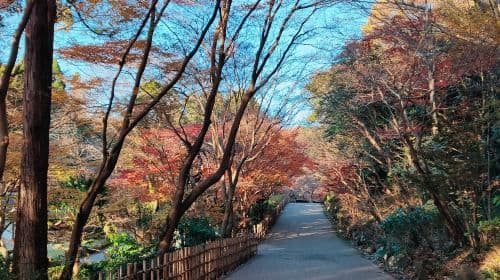
October to November is equally appealing. Autumn foliage is reliable and the heat has passed, making it the best time for extended sightseeing on foot.
June to August brings heat and humidity that can be genuinely draining. The rainy season in June adds another layer of difficulty. If summer is your only option, start early in the mornings and plan indoor activities for midday.
December to February is cold but manageable, and the city is far less crowded. Some attractions reduce their hours, but accommodation prices drop noticeably.
What to See and Do
Nagoya Castle is the obvious starting point. The main keep is currently closed for reconstruction, but the Honmaru Palace has been painstakingly restored and is open to visitors. The gold shachihoko (tiger-fish) ornaments on the roof are one of the city's most recognisable symbols.
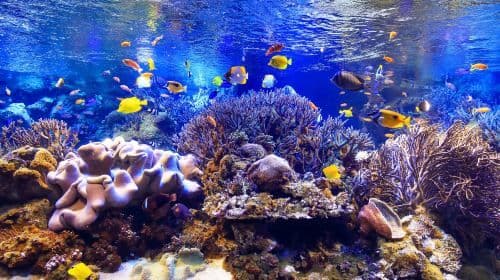
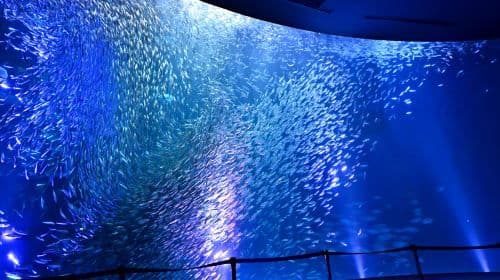
For marine life, the Port of Nagoya Public Aquarium is one of Japan's largest and features orca shows, beluga whales, and a deep-sea zone that genuinely impresses. It's a strong option for families and anyone with an interest in ocean ecosystems.
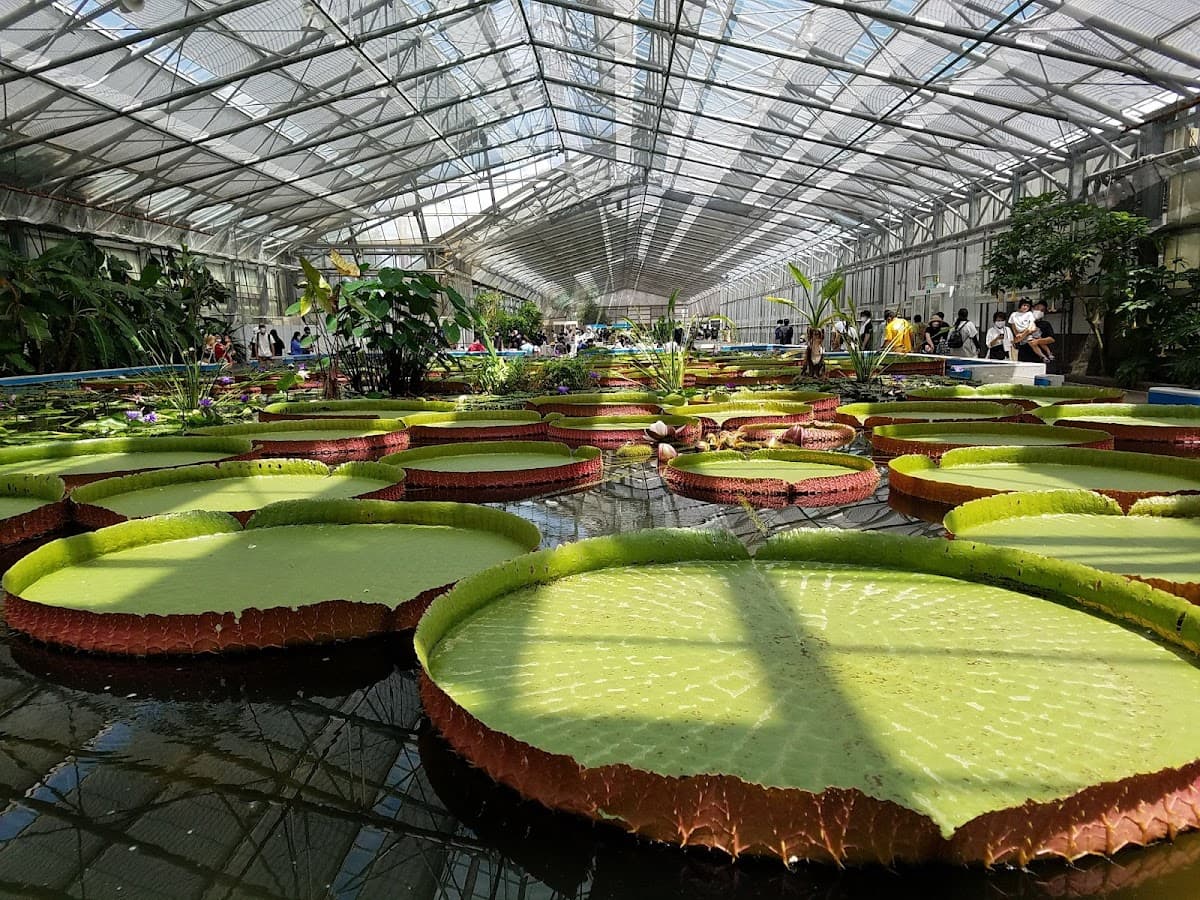
The Higashiyama Zoo and Botanical Gardens covers an enormous area in the eastern part of the city and is one of the most visited zoos in Japan. Combine your visit with a trip up the Higashiyama Sky Tower next door for panoramic views across the city.
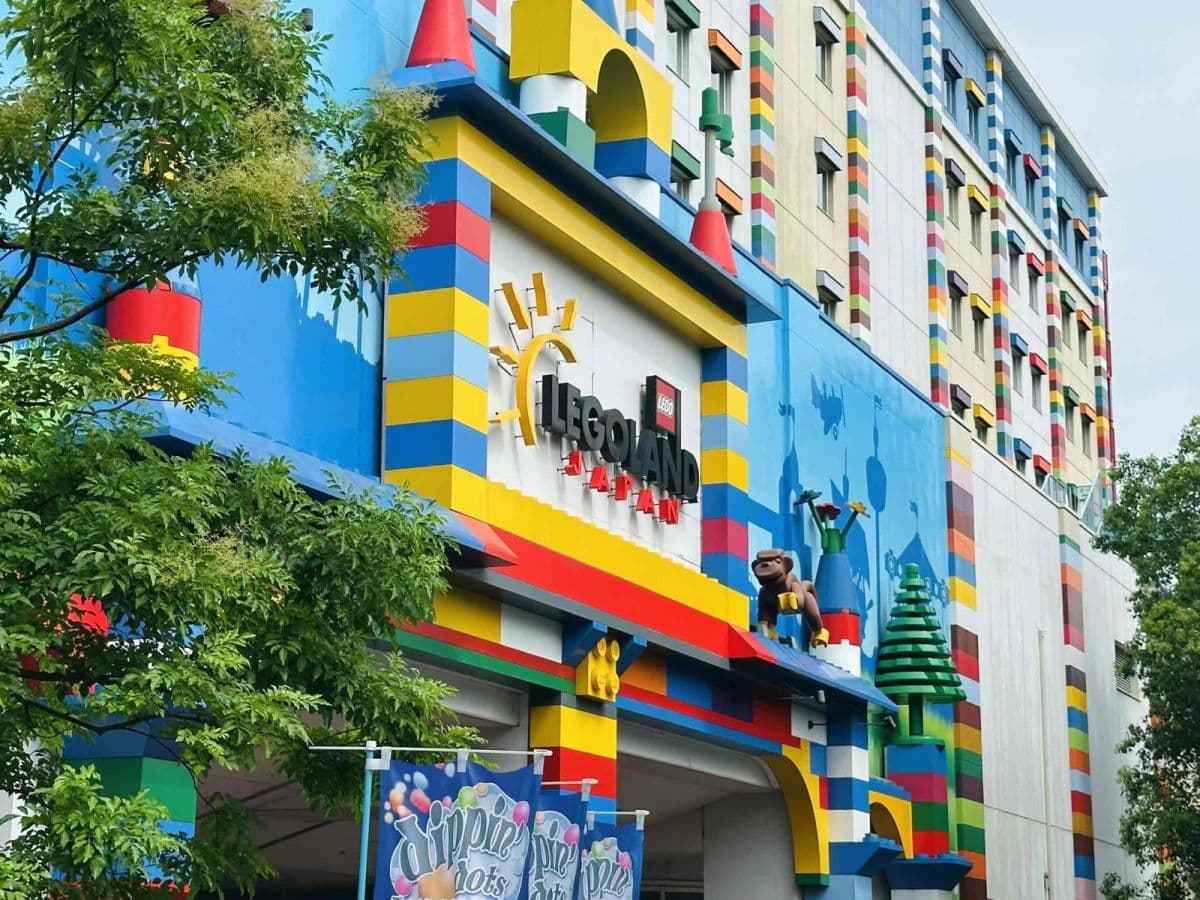
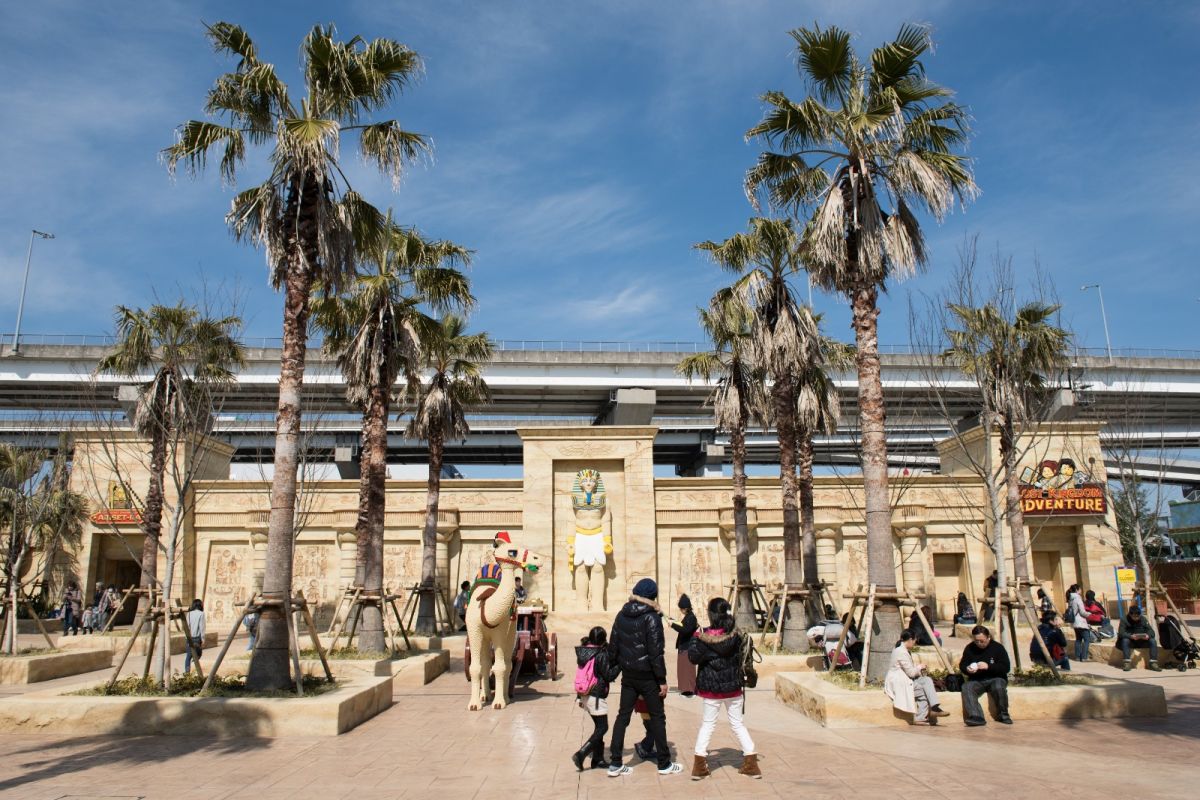
Families travelling with younger children should consider Legoland Japan, located on the Port of Nagoya waterfront. It's purpose-built for children aged two to twelve and covers themed zones built around LEGO bricks.
Day Trips Worth Taking
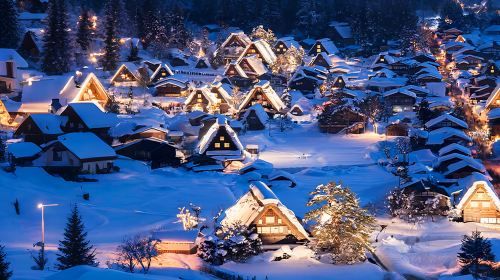
Nagoya's central location makes it one of the best bases in Japan for day trips. The Hida Takayama and Shirakawa-go one-day tour is one of the most popular options, taking you through preserved Edo-period streets and into the UNESCO-listed gassho-zukuri farmhouse villages. Alternatively, the Historic Takayama and Gassho Village Day Tour offers a similar experience with a slightly different itinerary.
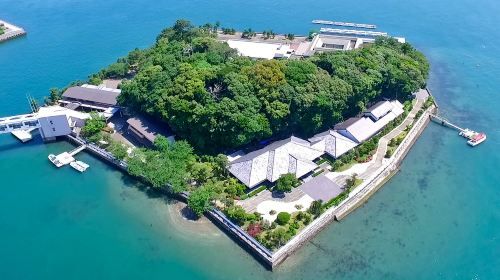
For something more spiritual, the sacred Ise Shrine and Mikimoto Island private tour combines Japan's most important Shinto shrine with the birthplace of cultured pearl farming.
Where to Eat
Nagoya has its own distinct food culture, known locally as Nagoya-meshi. Don't leave without trying:
- Miso katsu: Pork cutlet topped with a rich, dark hatcho miso sauce. Yabaton is the most well-known chain for this.
- Hitsumabushi: Grilled eel over rice, served with dashi broth and condiments. You eat it three ways: plain, with toppings, then poured over with broth.
- Tebasaki: Sweet and spicy chicken wings, a Nagoya staple found at izakayas across the city.
- Ogura toast: Thick white toast spread with butter and sweet red bean paste, a morning ritual in local coffee shops.
The Osu Kannon area and Sakae both have strong concentrations of restaurants. For markets, the Yanagibashi Chuo Market is where local chefs shop and worth a morning visit.
Budget Expectations
Nagoya sits in a comfortable middle ground. It's noticeably more affordable than Tokyo and Kyoto for accommodation, with decent business hotels available from ¥7,000 to ¥10,000 per night. Mid-range options run ¥12,000 to ¥20,000.
Food is where the city genuinely rewards budget travellers. A full teishoku set lunch at a local restaurant costs ¥900 to ¥1,200, and convenience store meals are always a reliable fallback. Dinner at a mid-range restaurant runs ¥1,500 to ¥3,500 per person without drinks.
Most major attractions charge between ¥500 and ¥1,500. A realistic daily budget for a mid-range traveller covering transport, two meals, and one attraction is ¥6,000 to ¥9,000, excluding accommodation.
Practical Tips
IC Cards: Load an IC card (Manaca, Suica, or Icoca) at the airport or any station. It works on all subways, buses, and many convenience stores, saving time at ticket machines.
Coin Lockers: Available at Nagoya Station and major subway stations. Essential for storing luggage on day trips.
Wi-Fi: Pocket Wi-Fi rental or a local SIM card is strongly recommended. While convenience stores and many cafes offer free Wi-Fi, coverage is inconsistent on public transport.
Insider Tips
First, the Morning Service culture in Nagoya coffee shops is genuinely unique. Many local cafes offer a free boiled egg and toast with any morning coffee order before 11am. It's a local institution that most visitors walk past without realising.
Second, Atsuta Shrine is one of Japan's most significant Shinto sites, enshrining the Kusanagi-no-Tsurugi sword, one of the three Imperial Treasures. It draws around nine million visitors a year but remains far less crowded than Kyoto's major shrines. Arriving at opening time (dawn) means you'll often have the forested paths almost entirely to yourself.
Third, the Noritake Garden on the site of the original Noritake porcelain factory is a genuinely interesting stop that rarely appears in standard itineraries. You can watch craftspeople at work, tour a small museum, and browse the outlet store for discounted pieces.
Final Word
Nagoya rewards travellers who take the time to look beyond the obvious. The food alone justifies a visit, the transport connections make day tripping effortless, and the city's own history runs deeper than most people expect. Whether you're stopping over for a night or using it as a base for a week, it earns its place on any Japan itinerary.