
Milan Travel Guide: Plan Your Perfect Trip
By Matt Cuckston, Founder & Travel Technology Expert at TixLayer
Milan is one of Europe's most layered cities. On the surface, it's a global capital of fashion and finance. Dig a little deeper and you'll find extraordinary Renaissance art, medieval castles, world-class opera, and a food scene that goes far beyond pasta. If you're researching things to do in Milan, this guide covers everything from getting there and getting around to where to eat, which neighbourhoods to base yourself in, and how to make the most of every day.
Getting There
Milan is served by three airports, which can be confusing for first-time visitors.
Malpensa Airport (MXP) is the main international hub, located about 50 kilometres northwest of the city centre. The Malpensa Express train connects the airport to Cadorna and Centrale stations in around 40 to 75 minutes depending on your destination, and runs frequently throughout the day. Tickets cost around €13. Taxis are fixed-rate at €95 to the city centre.
Linate Airport (LIN) is much closer, just 7 kilometres east of the centre, and handles mostly European routes. Bus line 73 connects it to the metro network for a standard transit fare. A taxi runs around €25 to €30.
Orio al Serio Airport (BGY), near Bergamo, is used by Ryanair and other budget carriers. Despite being marketed as a Milan airport, it's about 50 kilometres away. Autostradale and Terravision run direct coaches to Centrale station for around €10.
If you're arriving by train from elsewhere in Italy, Milan Centrale is one of the country's busiest rail hubs with direct high-speed connections to Rome (around 3 hours), Florence (under 2 hours), Venice (2.5 hours), and Turin (under an hour).
Getting Around the City
Milan's public transport network, run by ATM, is efficient and well-connected. The metro has four lines (M1 red, M2 green, M3 yellow, M4 blue) that cover most major attractions. A single ticket costs €2.20 and is valid for 90 minutes across metro, trams, and buses.
If you're planning to use public transport frequently, a day pass (€7.60) or the Milan City Pass Zani Viaggi offers excellent value, bundling transport with admission to over 10 attractions.
For a more enjoyable way to explore, consider a Milan E-Bike Tour with a local guide. The city is flatter than most people expect, and cycling is genuinely practical here, especially around the Navigli and Sempione Park areas.
Taxis are metered and reliable but not cheap. Ride-hailing apps including FREE NOW and Uber operate in the city.
When to Visit
Best months: April, May, September, and October. Spring and early autumn bring comfortable temperatures (typically 15 to 22°C), manageable crowds, and the city looking its best. These are also the months when outdoor dining, rooftop terraces, and day trips to the lakes feel most enjoyable.
June to August can be intensely hot and humid, with temperatures regularly pushing above 33°C. Many locals leave for the coast or mountains in August, meaning some restaurants and shops close. That said, summer does bring outdoor cinema screenings, festivals, and a quieter, more relaxed pace in certain neighbourhoods.
November to February is the low season. Expect fog, cold, and grey skies, but also lower hotel prices and thinner queues at major attractions. December is the exception, when Christmas markets and festive decorations make the city genuinely atmospheric.
Avoid visiting during Fashion Week (February and September) or major furniture and design fairs like Salone del Mobile (April) unless you're attending them. Hotels triple in price and book out months in advance.
Best Neighbourhoods to Stay In
Brera is the neighbourhood most visitors fall in love with. Cobbled streets, independent galleries, good restaurants, and a relaxed pace make it ideal for a first trip. It's also central and walkable to most major sights.
Navigli is the canal district, popular with younger travellers and those who want to be close to the evening aperitivo scene. It's lively at night and has a good selection of mid-range accommodation.
Porta Romana and Porta Venezia offer a more residential feel with excellent local restaurants, fewer tourists, and slightly lower prices than Brera.
Centrale is convenient for transport connections but not especially atmospheric. Good for business travellers or those arriving late and leaving early.
What to See and Do
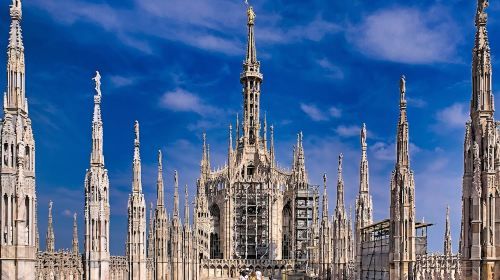
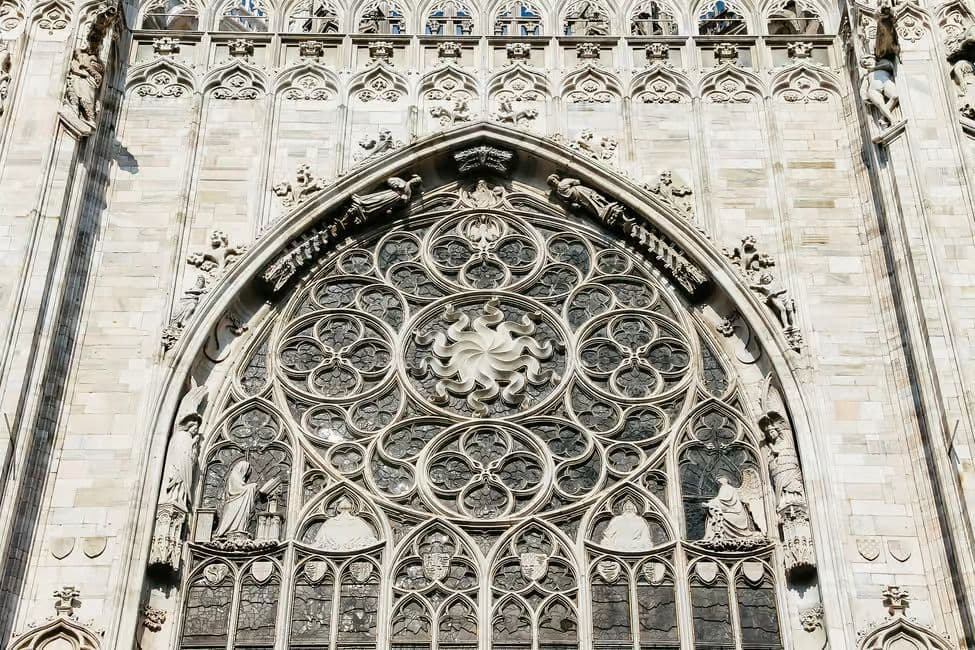
The Duomo Cathedral Guided Tour for Small Groups is the obvious starting point. The cathedral took nearly six centuries to complete and is one of the largest Gothic churches in the world. A guided tour makes a real difference here given the sheer density of detail, from the 135 spires to the stained glass windows. If you'd prefer to go independently, you can book Cathedral and Duomo Terraces access with an audio guide and make your own way around.
Leonardo da Vinci's Last Supper is the city's most sought-after experience and requires advance booking, sometimes weeks or months ahead. The Milan Walking Tour with Last Supper Entrance Tickets is one of the most practical ways to secure access while also getting context from a knowledgeable guide.
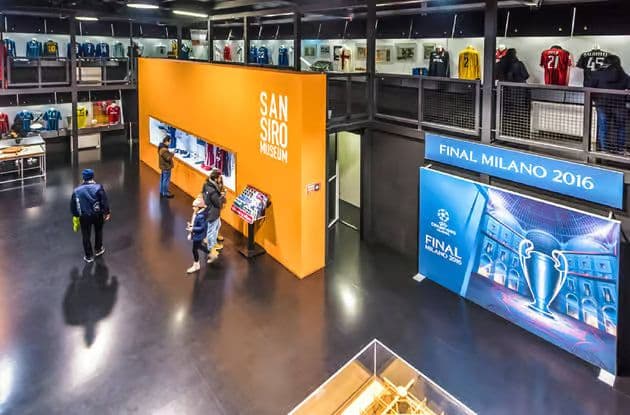
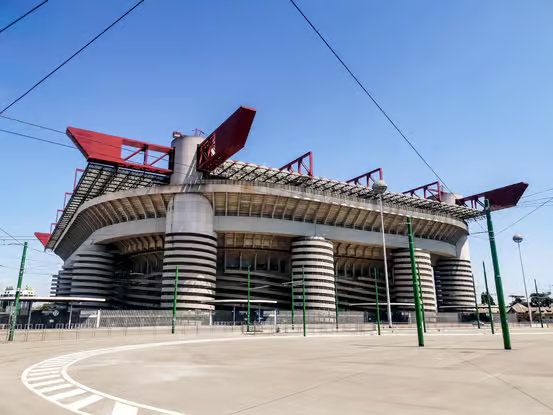
For football fans, the San Siro Stadium and Museum Guided Tour is a genuinely impressive experience. San Siro is one of the most iconic stadiums in world football and the museum covers the history of both AC Milan and Inter Milan, who share the ground.
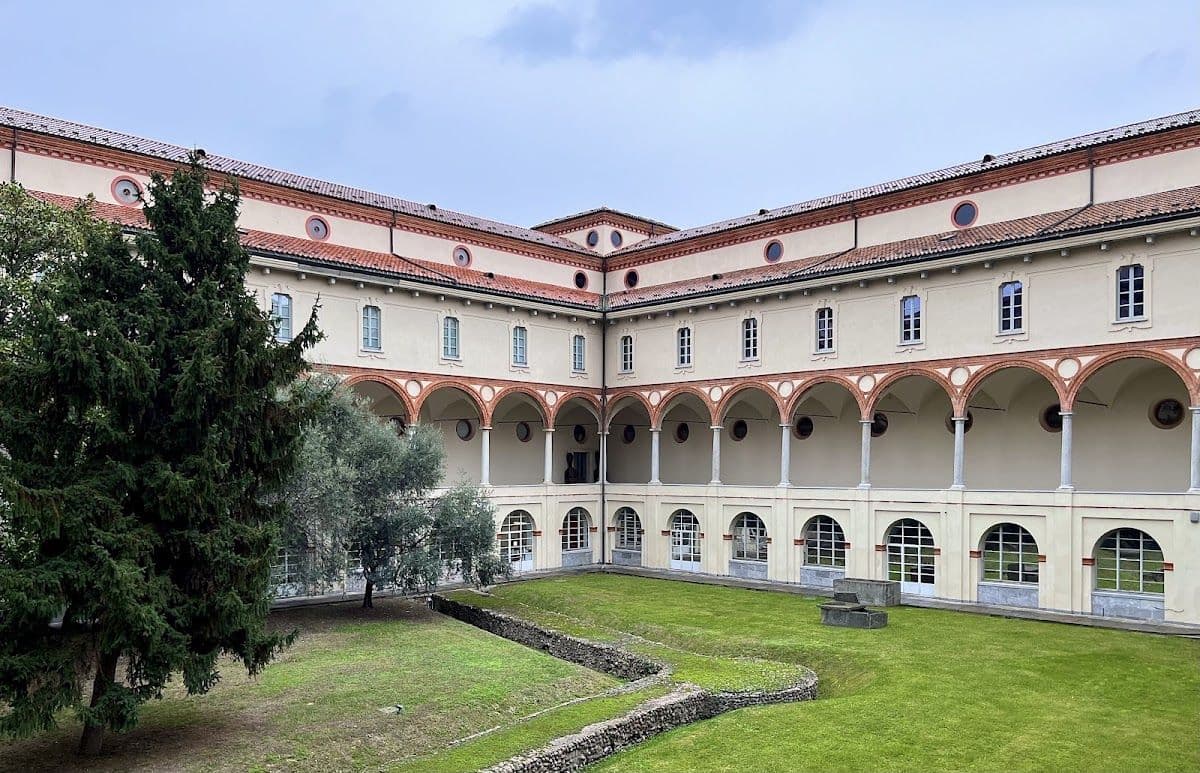
The National Museum of Science and Technology Leonardo da Vinci is consistently underrated. With over 16,000 items including reconstructions of da Vinci's machines, it's one of the best science museums in Europe and a particularly good option if you're travelling with children.
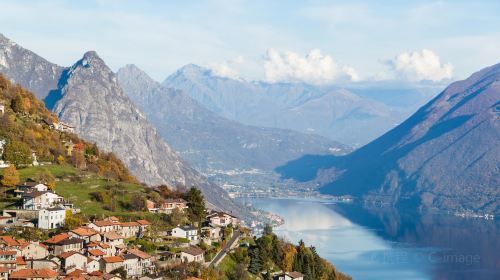
Beyond the city, a Lake Como Day Trip with Bellagio Cruise makes for an outstanding full-day excursion. The lake is around an hour from the city centre by train and the scenery is among the most beautiful in northern Italy.
Where to Eat
Milanese cuisine is richer and more butter-forward than you might expect from Italy. Look for risotto alla Milanese (saffron risotto), cotoletta alla Milanese (breaded veal cutlet), and ossobuco. These are dishes you'll find done properly in trattorias rather than tourist-facing restaurants near the Duomo.
For aperitivo, the Navigli and Porta Venezia areas are the places to be between 6pm and 9pm. Many bars offer a generous spread of food alongside your drink for no extra charge, which effectively doubles as an affordable early dinner.
For coffee, avoid sitting down at cafes near major landmarks. A coffee at the bar (standing) costs around €1.20 to €1.50. Sitting down can cost three times as much.
Market lovers should visit the Mercato Metropolitano or the covered market at Piazza Wagner for local produce, cheeses, and prepared food at honest prices.
Budget Expectations
Milan is one of Italy's more expensive cities but it's not prohibitively so. Here's a rough daily budget guide:
- Budget traveller: €70 to €100 per day (hostel or budget hotel, self-catering some meals, public transport)
- Mid-range traveller: €150 to €220 per day (3-star hotel in a central neighbourhood, restaurant lunches and dinners, a few paid attractions)
- Luxury traveller: €350 and above per day (4 or 5-star hotel, fine dining, private tours)
Museum entry fees typically range from €5 to €15. The Duomo complex charges separately for the cathedral interior, terraces, and museum, so budget accordingly or look at combination passes.
Insider Tips
The rooftop of La Rinascente is known mostly to locals. The department store next to the Duomo has a top-floor terrace bar with direct views of the cathedral spires at eye level. It's one of the best vantage points in the city and you don't need to buy anything to access it.
Book the Last Supper at least six weeks in advance. The viewing slots are 15 minutes long and strictly timed. If you leave it to the last minute, you will almost certainly miss out unless you join a guided tour that has pre-allocated tickets.
Tuesday is the best day to visit popular museums. Weekends are crowded and Mondays see many smaller museums closed. Tuesday tends to offer the best balance of open venues and manageable visitor numbers.
Practical Tips
- Validate your metro or bus ticket before boarding. Inspectors do check and fines are around €100.
- Most restaurants don't open for dinner before 7:30pm. Showing up at 6pm will often get you turned away.
- Tap water is safe to drink and widely available from public fountains called fontanelle.
- Many churches require covered shoulders and knees for entry. Carry a light scarf.
- Pickpocketing is most common around Centrale station and on the M2 line. Keep bags in front of you.
Milan rewards the traveller who does a little planning. Book key attractions in advance, get a transit pass, and leave time to simply walk without an agenda. The city has a way of revealing itself gradually, and that's precisely what makes it worth coming back to.