Kyoto Travel Guide: Plan Your Perfect Trip
By Matt Cuckston, Founder & Travel Technology Expert at TixLayer
If you're researching things to do in Kyoto, you've landed in the right place. Japan's former imperial capital is one of the most historically rich cities in Asia, home to over 1,600 Buddhist temples, 400 Shinto shrines, and some of the country's finest traditional cuisine. Unlike Tokyo's relentless pace, Kyoto moves a little slower, and that's exactly the point. This guide will walk you through everything you need to plan a trip that actually makes sense.
---
Getting to Kyoto
Most international travellers fly into Osaka's Kansai International Airport (KIX) or, less commonly, into Tokyo's Narita or Haneda airports before taking the Shinkansen.
From Kansai International Airport: The Haruka Limited Express train runs directly to Kyoto Station in about 75 minutes. A reserved seat costs around 3,600 yen. The ICOCA & Haruka discount package is worth looking into if you plan to use public transport extensively during your stay.
From Tokyo: The Tokaido Shinkansen connects Tokyo Station to Kyoto Station in approximately 2 hours 15 minutes on a Nozomi service. A one-way unreserved seat costs around 13,000 yen, though the Japan Rail Pass covers this route and pays for itself quickly if you're moving between cities.
From Osaka: Kyoto is just 15 minutes from Osaka on the Shinkansen, or around 30 minutes on the cheaper Hankyu or Kintetsu lines. Day trips between the two cities are entirely practical.
---
Getting Around Kyoto
Kyoto's public transport is reliable but requires a bit of planning. The city's bus network is the most useful option for reaching temples and shrines that sit outside the train grid.
- Buses: The city bus system covers most major sights. A single ride costs 230 yen, and a one-day bus pass costs 700 yen. Buy it at the bus terminal outside Kyoto Station.
- Subway: Two lines (Karasuma and Tozai) cover the central area efficiently. Useful for reaching Nijo Castle and the Fushimi area.
- Bicycle: Kyoto is one of Japan's most cycle-friendly cities. Rental shops are easy to find near the station and around Gion. A full day rental runs 1,000 to 1,500 yen.
- Taxis: Available and metered, but expensive for longer journeys. Useful late at night when buses stop running.
- Rickshaw: For a slower, more atmospheric way to see specific districts, a rickshaw tour is genuinely worthwhile. The Kyoto Higashiyama Rickshaw Private Car Tour by Rickshaw Ebisu-ya lets you take in the historic lanes of Higashiyama with a knowledgeable guide pulling the way.
---
When to Visit
Timing matters more in Kyoto than almost anywhere else in Japan.
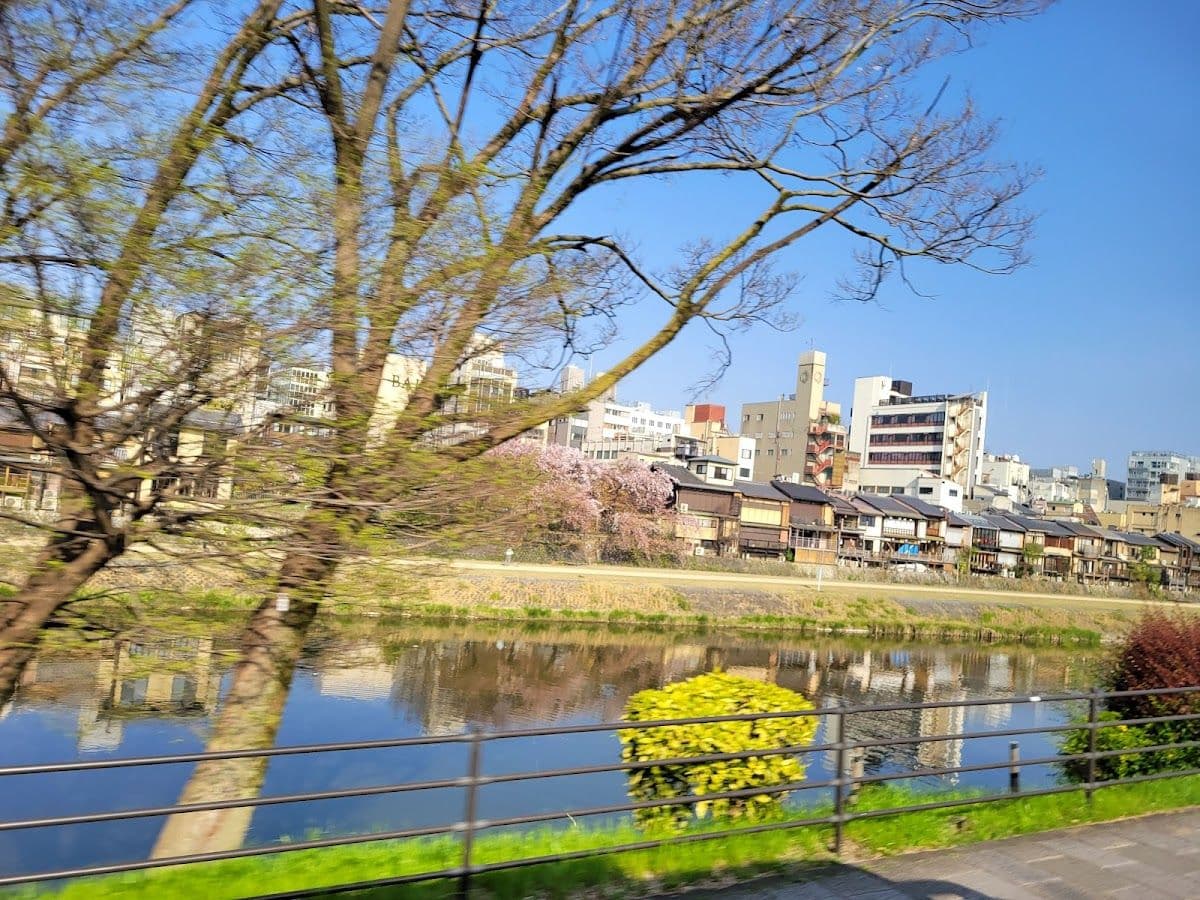
Spring (late March to early May): Cherry blossom season draws enormous crowds, particularly in late March and early April. The city is genuinely beautiful during this period, but accommodation prices spike and popular sites become very crowded. Book at least three to four months in advance if you plan to visit then.
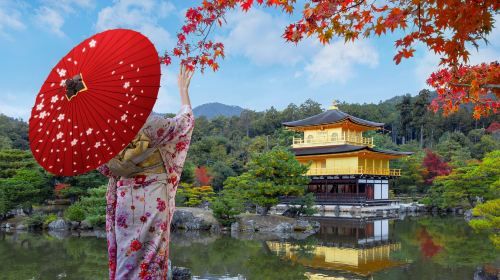
Autumn (mid-October to late November): Arguably the best time to visit. The maple foliage turns the temple gardens into something extraordinary, and the weather is cool and dry. Crowds are significant but slightly more manageable than spring.
Summer (June to August): Hot, humid, and rainy in June during the tsuyu (rainy season). July and August are sweltering. That said, summer festivals like Gion Matsuri in July are culturally unmissable if you can handle the heat.
Winter (December to February): The least visited season and, for many, the most rewarding. Temples dusted with snow, minimal crowds, and lower prices. January and February are cold but dry. A worthwhile trade-off for patient travellers.
What to avoid: The Golden Week holiday period (late April to early May) sees domestic tourism surge across Japan. Kyoto in particular becomes extremely congested. Unless you have no flexibility, it's worth planning around it.
---
Best Neighbourhoods
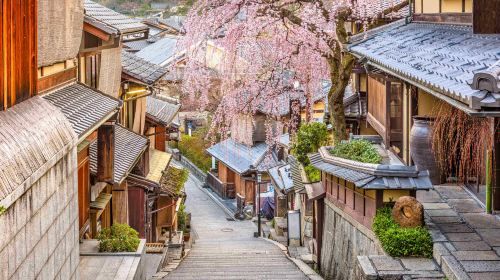
Higashiyama: The most atmospheric area for walking, with stone-paved lanes, traditional machiya townhouses, and a cluster of major temples. Stay here if you want to be close to Kiyomizu-dera and Gion.
Gion: The traditional geisha district. Best explored in the early morning or evening when the light is softer and the crowds are thinner.
Arashiyama: Located in the western hills, this area is worth a half-day at minimum. The bamboo groves, river scenery, and temples make it one of the most photographed areas in Japan. A guided tour of the Arashiyama Bamboo Forest is a good option if you want context alongside the scenery.
Downtown (Kawaramachi/Shijo): The commercial and dining centre. Good transport links and a wide range of accommodation and restaurants.
Fushimi: South of the city centre, home to the famous Fushimi Inari shrine. Worth staying nearby if you want to visit the torii gates at dawn before the crowds arrive.
---
What to See and Do
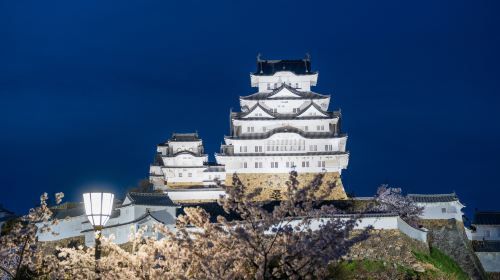
Kyoto's temple and shrine count can feel overwhelming. Rather than trying to see everything, pick a few areas and go deep.
Fushimi Inari Taisha: The thousands of vermillion torii gates winding up Mount Inari are iconic for good reason. Go early. The Fushimi Inari Taisha Day Tour also takes in Kinkakuji, making it an efficient way to cover two major sites in a single day.
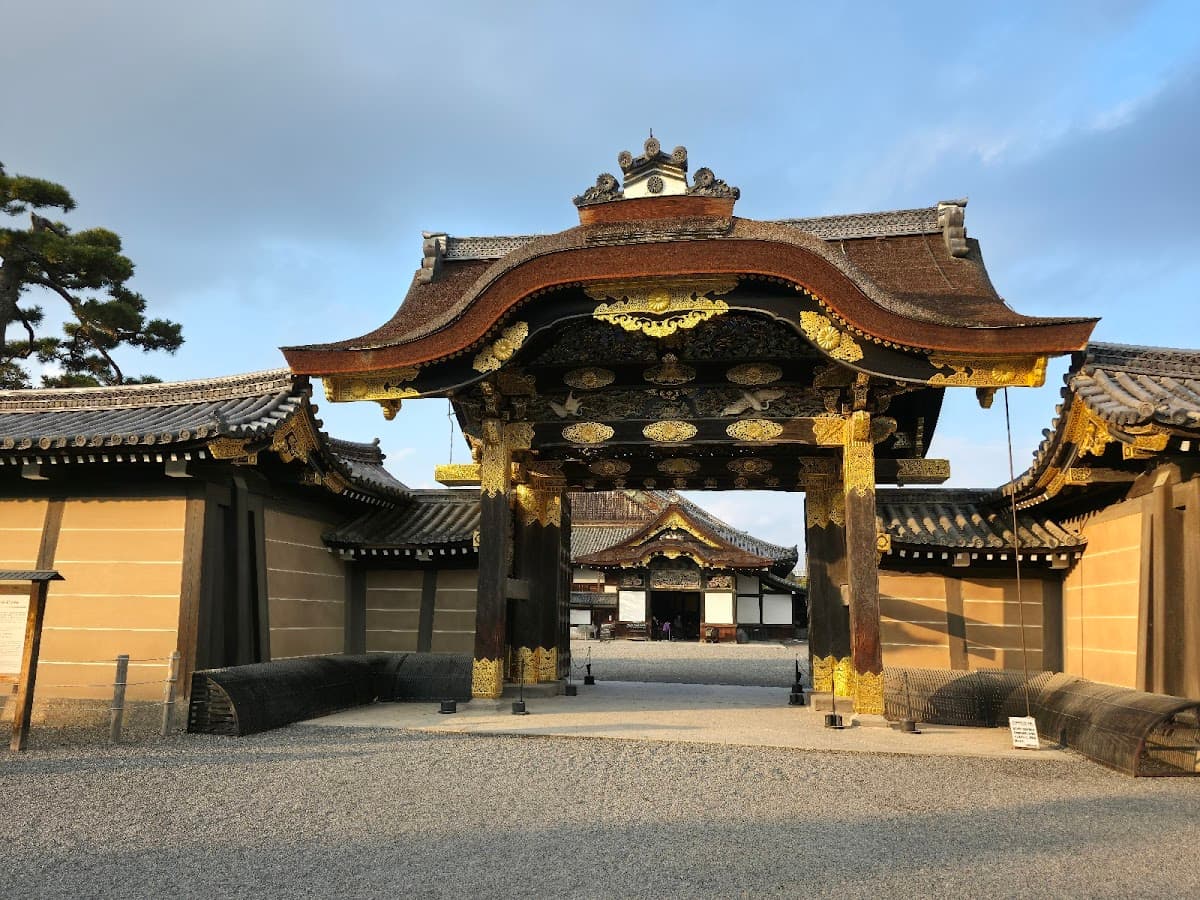
Nijo Castle: The former residence of the Tokugawa shoguns is one of the most historically significant buildings in Japan. The famous nightingale floors, designed to squeak as a security measure, are a highlight. Book your Nijo Castle visit in advance to avoid queues.
Nishiki Market: A narrow covered market with around 100 stalls selling pickled vegetables, fresh tofu, grilled skewers, and Kyoto-specific street food. The Kyoto Nishiki Market Food Tour is a smart way to navigate it with someone who knows which stalls are worth stopping at.
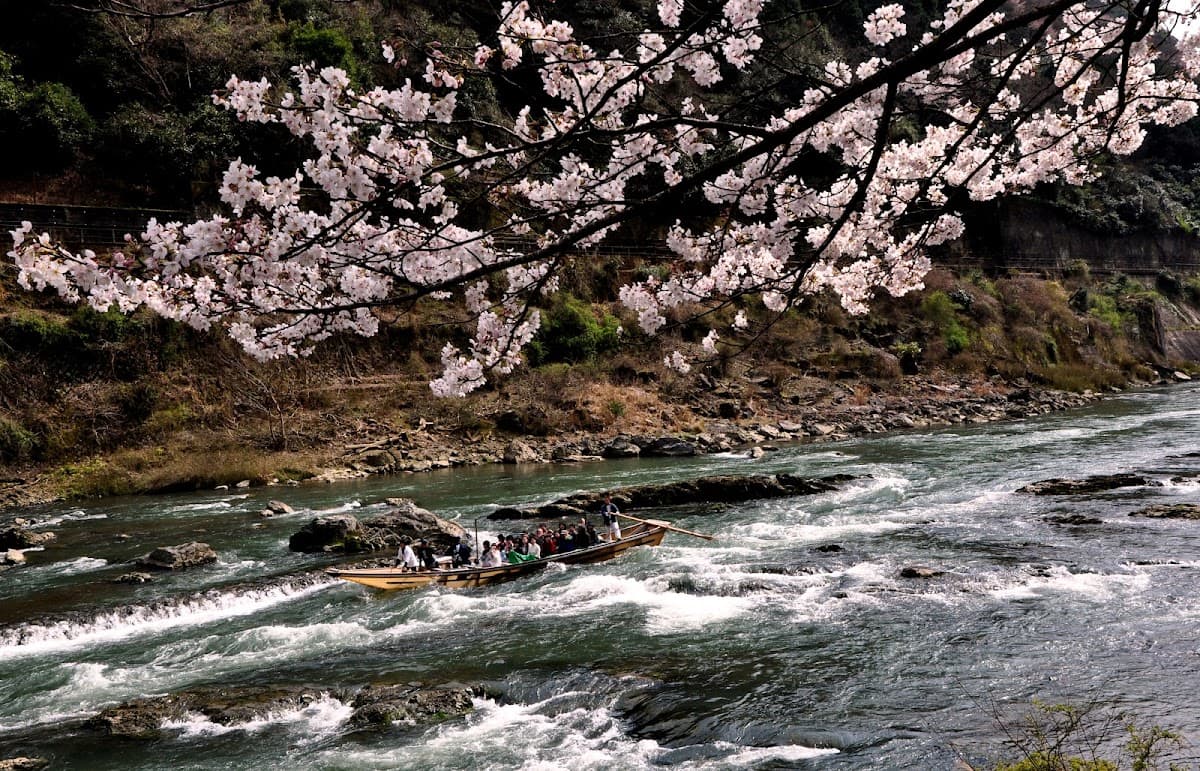
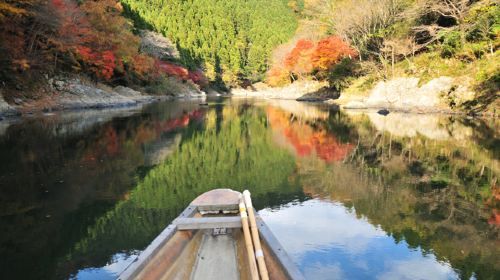
Arashiyama: Beyond the bamboo groves, the Hozugawa River Boat Ride offers a completely different perspective on the landscape, drifting through steep gorges between Kameoka and Arashiyama.
Cultural experiences: Renting a kimono for a day is one of the more accessible ways to engage with traditional culture. KYOKOMACHI Kimono Rental offers well-fitted options and is conveniently located near the main sightseeing areas.
---
Where to Eat
Kyoto has its own culinary identity distinct from the rest of Japan. Kaiseki, the multi-course haute cuisine rooted in Buddhist temple cooking, originated here. It's expensive but worth trying at least once.
- Budget (under 1,000 yen per meal): Convenience stores (7-Eleven, Lawson) serve surprisingly good food. Ramen shops, soba restaurants, and tofu-focused lunch sets are widely available.
- Mid-range (1,000 to 3,000 yen): Obanzai, the traditional Kyoto home-style cooking of small seasonal dishes, is found at lunch sets throughout the city. Look for restaurants near Nishiki Market and along Pontocho alley.
- Splurge: A kaiseki dinner at a traditional ryotei can run anywhere from 15,000 to 50,000 yen per person. If you're going to spend money on one meal in Japan, this is the one.
---
Budget Expectations
Kyoto sits in the mid-to-upper range for Japan travel. Budget travellers staying in hostels and eating at markets or convenience stores can get by on 5,000 to 8,000 yen per day. A comfortable mid-range trip with a private hotel room, sit-down meals, and paid attractions runs closer to 15,000 to 25,000 yen per day. Temple entrance fees are typically 500 to 1,000 yen each, which adds up quickly if you're visiting several per day.
---
Insider Tips
Visit Fushimi Inari on a weekday evening: Most visitors arrive mid-morning and leave by early afternoon. If you head up the mountain path after 5pm on a weekday, the upper sections become noticeably quieter and the light through the torii gates is exceptional.
The back streets of Nishiki Ward: The blocks immediately north and south of Nishiki Market contain a concentration of small, family-run lacquerware and ceramics shops that don't appear in most travel lists. If you're looking to buy craft goods without tourist-market pricing, this is where to look.
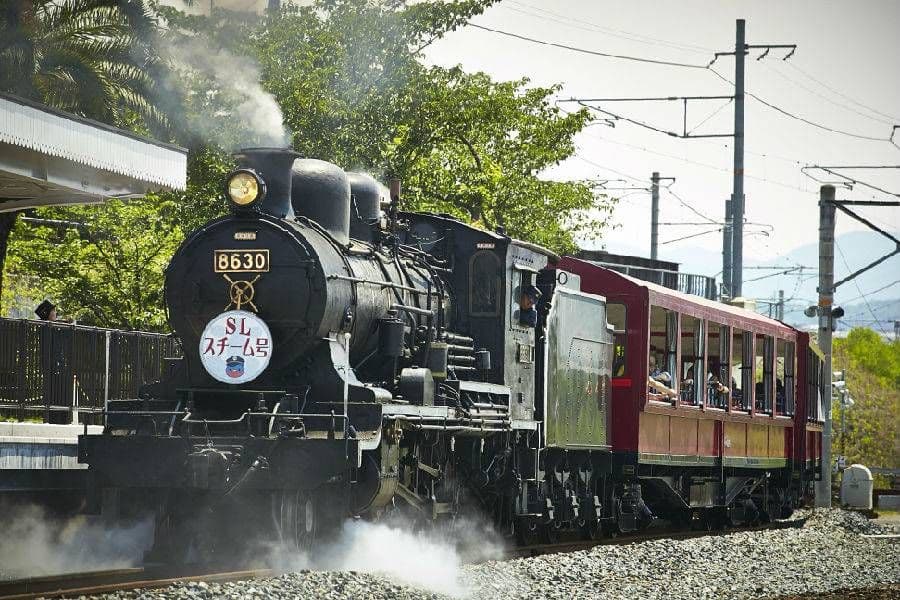
Take the Sagano Scenic Railway instead of walking the bamboo grove: The Sagano Romantic Train runs through the Hozugawa gorge on a narrow-gauge line and offers scenery that most visitors miss entirely because they're focused on the main Arashiyama sights. Tickets sell out, so book ahead.
---
Practical Tips
- Get a Suica or ICOCA IC card for tap-and-go payments on trains and buses across the city.
- Most temple gardens close by 5pm. Plan your afternoon accordingly.
- Kyoto's taxi drivers are reliable and honest. If you're lost or it's late, don't hesitate to use one.
- Many smaller restaurants do not accept credit cards. Carry cash.
- Download Google Maps offline before you arrive. Mobile data is essential, so pick up a pocket WiFi or SIM card at the airport.
---
Kyoto is the kind of city that rewards preparation. The more you understand about its geography, seasonal rhythms, and cultural context before you arrive, the more you'll get out of it. Use this guide as your starting point, then dig into the specific experiences that match your interests. There's genuinely no bad way to spend time here.