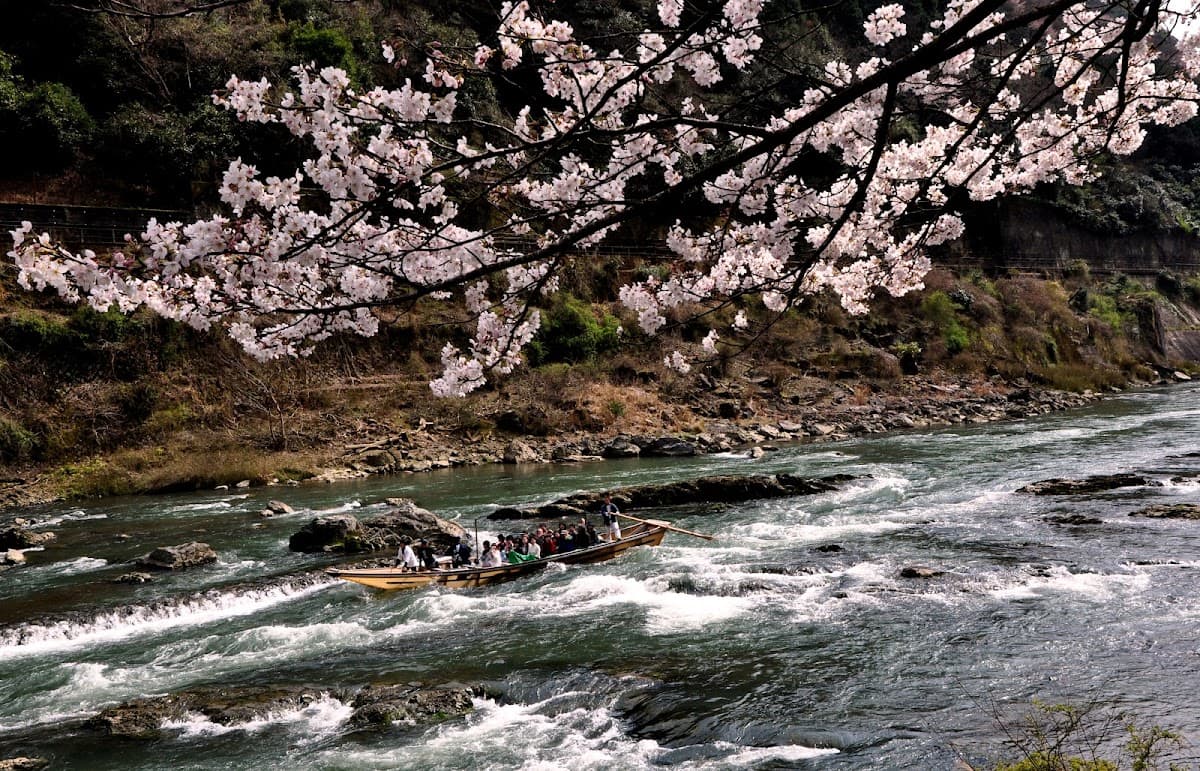
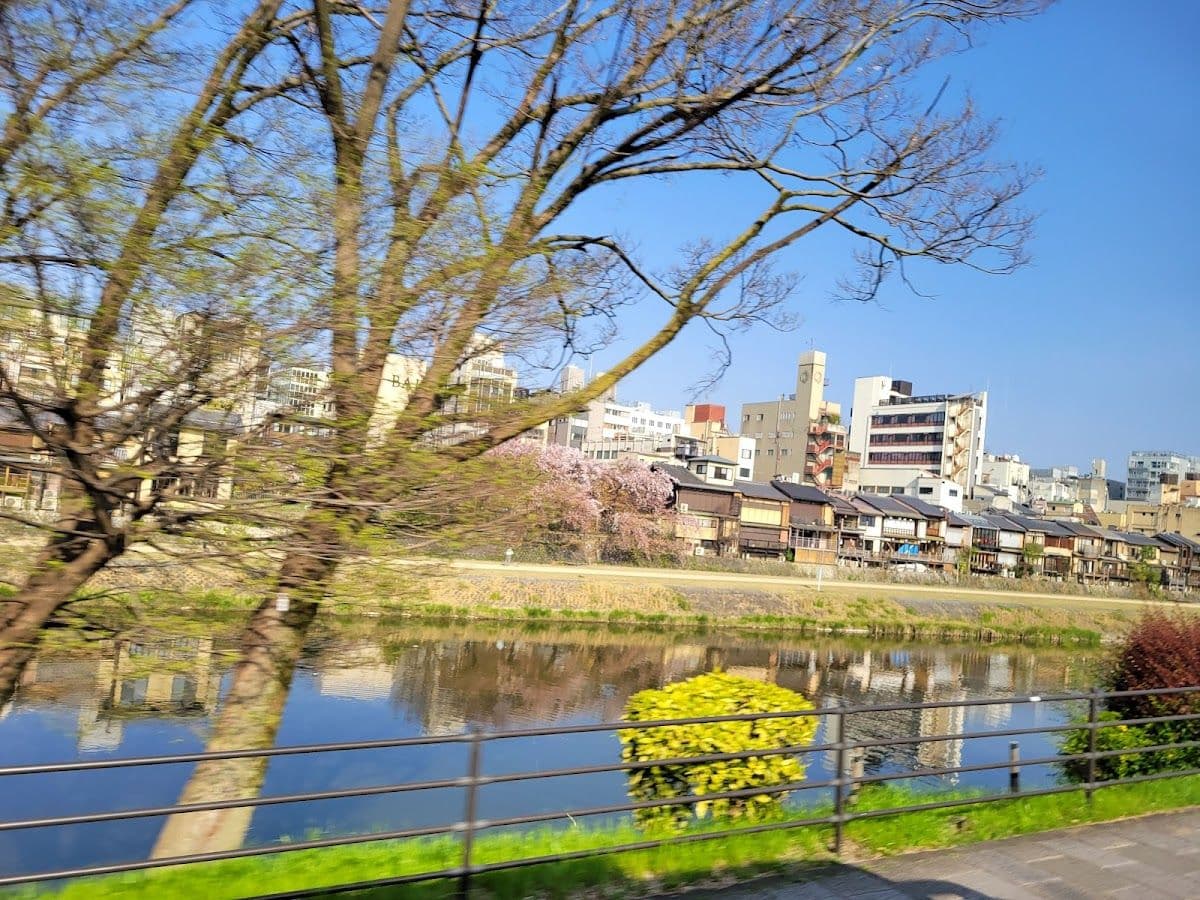
Japan has a reputation for being expensive, but with the right approach, a Kyoto travel guide will show you just how far your money can stretch in this ancient city. Between centuries-old temples, forested mountain trails, and some of the most distinctive food culture in the country, there are plenty of things to do in Kyoto that cost very little or nothing at all. The key is knowing where to spend and where to hold back.
Free and Low-Cost Attractions Worth Your Time
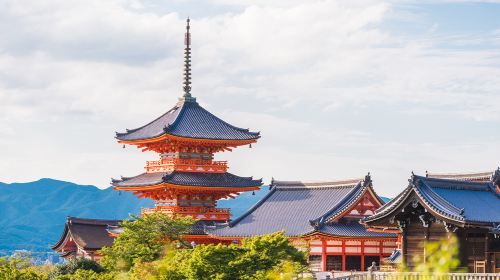
Some of Kyoto's most memorable experiences come at no cost. Fushimi Inari Taisha, the iconic shrine trail lined with thousands of torii gates, is completely free to enter at any hour. The further you hike up the mountain, the fewer crowds you'll encounter. Early morning visits reward you with near-empty paths and softer light. If you'd prefer a guided experience with context and local insight, the Fushimi Inari Taisha Day Tours option on TixLayer pairs this iconic site with Kinkakuji Temple for a fuller day out.
The Arashiyama Bamboo Forest is another no-entry-fee attraction, though it draws large crowds during peak hours. Walk through early in the day for a more peaceful visit. If you want to go deeper into the area with a guide, the Kyoto: Arashiyama Bamboo Forest and Garden Views Tour offers a structured half-day experience that covers the forest alongside lesser-visited garden spots.
Philosopher's Path, a stone walkway running alongside a canal lined with cherry trees, is free year-round and especially beautiful during spring and autumn. Strolling this route and dipping into small shrines along the way costs nothing but time.
Affordable Food Options
Eating well on a budget in Kyoto is entirely achievable if you know where to look. Convenience stores like 7-Eleven, FamilyMart, and Lawson serve surprisingly good onigiri, hot foods, and bento boxes for a few hundred yen. These are reliable options for breakfast or a quick lunch between sightseeing.
Nishiki Market, a narrow covered market in central Kyoto, is a great place to graze. Many stalls sell small portions of pickled vegetables, grilled skewers, and tofu-based snacks for under 300 yen each. It's one of the most affordable ways to sample local flavors without sitting down for a full meal. If you'd like a more structured introduction to the market's food culture, the Kyoto Nishiki Market Food Tour includes guided tastings and a traditional lunch.
For sit-down meals, look for teishoku set menus at neighborhood restaurants. These typically include rice, miso soup, a main dish, and pickles for around 800 to 1,200 yen. Ramen and soba shops also offer solid value, with most bowls priced between 700 and 1,000 yen.
Avoid restaurants immediately surrounding major tourist sites. Prices tend to be higher and quality doesn't always follow. Walk a few streets away and you'll find better value almost immediately.
Getting Around Without Overspending
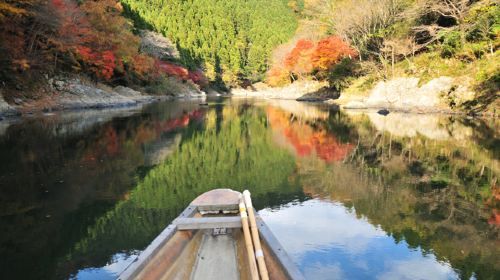
Public buses and the subway system cover most of Kyoto's main areas efficiently. A single bus ride costs 230 yen, and a one-day bus pass costs 700 yen, making it worthwhile if you plan to take three or more rides in a day. The pass is available at bus terminals and major tourist information centers.
Renting a bicycle is another cost-effective option, particularly for exploring the Higashiyama district or cycling along the Kamo River. Daily rental rates typically run between 1,000 and 1,500 yen and give you the flexibility to stop wherever you like.
If you're arriving from Osaka or other Kansai cities, an IC card such as Suica or ICOCA simplifies transit payments and works across trains, subways, and buses. Load it with cash and tap in and out without worrying about buying individual tickets.
Where to Splurge
Not everything needs to be done on the cheap. Some experiences in Kyoto genuinely benefit from a bit of investment.
A private rickshaw tour is one worth considering if it fits your budget. Pulled by a trained jinrikisha operator through scenic neighborhoods, it offers a perspective on the city that walking or cycling simply can't replicate. The Kyoto Arashiyama Rickshaw Private Car Tour and the Kyoto Higashiyama Rickshaw Private Car Tour are both well-regarded options for this kind of experience.
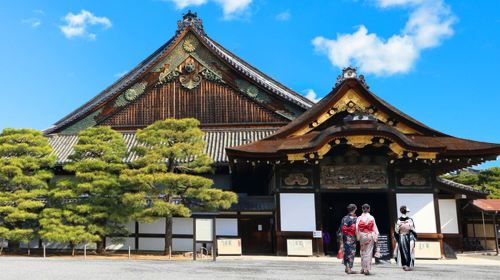
A kimono rental is another worthwhile splurge, especially if you plan to visit temple districts. Wearing one while walking through Higashiyama or Gion adds a layer of connection to the surroundings that photos alone can't capture. The KYOTO Kimono Rental at KYOKOMACHI offers a range of styles and includes dressing assistance.
Paid temple gardens, while not free, are often worth the modest admission fee. Ryoanji, Kinkakuji, and Ginkakuji each charge between 500 and 1,000 yen and offer a quality of space and maintenance that reflects the cost.
Practical Money Tips
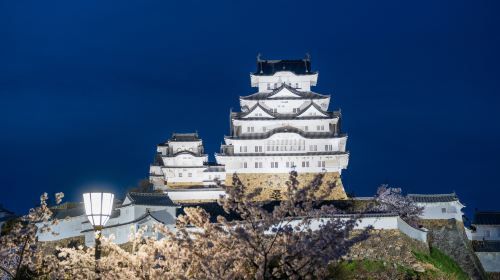
Japan remains a largely cash-based society, and Kyoto is no exception. Many smaller restaurants, temples, and market stalls do not accept cards. Carry enough yen with you at all times, and use 7-Eleven ATMs, which reliably accept international cards with low fees.
Book accommodation slightly outside the central tourist areas. Neighborhoods like Fushimi, Nishikyogawa, and areas near Kyoto Station often offer lower nightly rates while still providing easy access to transit.
If you're visiting multiple paid museums or cultural sites, check whether a combination ticket is available. The Kyoto City bus and subway pass combinations can also include discounted entry to select attractions.
Finally, travel during shoulder season. Late November and late March through early April draw the largest crowds and often the highest accommodation prices. Visiting in January, June, or September typically means lower costs and fewer queues, with the city still fully operational and worth exploring.
With a bit of planning, Kyoto rewards budget-conscious travelers generously. The city's greatest assets, its temples, trails, food markets, and cultural atmosphere, are accessible without spending heavily. Prioritize the experiences that matter most to you, keep your transport costs lean, and you'll leave with far more than your money's worth.
Written by Matt Cuckston, Founder and Travel Technology Expert at TixLayer.