Jeju Travel Guide: Plan Your Perfect Trip
By Matt Cuckston, Founder & Travel Technology Expert at TixLayer
If you're searching for things to do in Jeju and wondering where to even begin, you're not alone. South Korea's largest island packs an extraordinary amount into a relatively compact space: UNESCO World Heritage sites, lava tube caves, black sand beaches, haenyeo (female divers) culture, and a food scene that locals are fiercely proud of. It's the kind of place that rewards slow exploration, but also works well as a short getaway from the Korean mainland. This guide will walk you through everything you need to plan a trip worth remembering.
Getting to Jeju
The most common way to reach Jeju is by air. Gimpo Airport in Seoul offers frequent flights that take around one hour, and Gimhae Airport in Busan also has regular connections. Jeju International Airport is well-connected, and domestic tickets can be surprisingly affordable if booked in advance, sometimes as low as 30,000 to 50,000 KRW one way. International visitors can also fly directly from cities like Tokyo, Osaka, Shanghai, and Hong Kong.
If you prefer the scenic route, ferries operate from several ports on the mainland including Mokpo, Wando, and Busan. The crossing takes anywhere from one to thirteen hours depending on your departure point and vessel type. It's a slower option, but a worthwhile experience if you have the time and want to bring a vehicle.
Getting Around the Island
Jeju does not have a subway system, so getting around requires a bit more planning than a typical Korean city. The main options are:
Rental car: This is genuinely the best way to explore the island, especially if you want to reach coastal roads, mountain trails, and rural attractions on your own schedule. Roads are well-maintained and signage includes English. International driving permits are accepted.
Intercity buses: An extensive bus network covers most of the island, including express routes and local lines. Fares are low, and the T-money card used on mainland Korea works here too. That said, frequencies can be limited in rural areas, so check timetables carefully.
Taxis and ride-hailing: Taxis are metered and relatively affordable. Kakao T, Korea's dominant ride-hailing app, works on Jeju and is useful for late-night travel or reaching spots not well-served by buses.
Best Areas to Stay
Jeju City (Jeju-si): The island's main city sits on the northern coast and is the most practical base for first-time visitors. It has the widest range of accommodation, restaurants, and transport links. The Yeon-dong and Nohyeong-dong areas near the airport are especially convenient.
Seogwipo: Located on the southern coast, Seogwipo has a more relaxed pace and is closer to many of the island's natural attractions including Cheonjiyeon Waterfall and Olle Trail access points. It suits travellers who want a quieter stay.
Jungmun Resort Area: This purpose-built tourism zone between Jeju City and Seogwipo houses larger resort hotels, theme parks, and a beach. It's a good choice for families or those who prefer resort-style amenities.
When to Visit
Jeju has a distinct four-season climate, and timing your visit makes a real difference.
Spring (April to May) is widely considered the best time to visit. Temperatures are mild, cherry blossoms and yellow canola flowers blanket the landscape, and crowds are manageable outside of Korean public holidays.
Autumn (September to November) is the second-best window. The heat of summer fades, foliage on Hallasan turns red and gold, and the weather is generally stable.
Summer (June to August) brings heat, humidity, and the peak of domestic tourism. Beaches are packed and prices climb. Typhoon season runs through this period, so check forecasts carefully, particularly in July and August.
Winter (December to February) is quieter and cheaper. Hallasan can receive snow, which makes for dramatic scenery, but some hiking trails close. Coastal areas stay relatively mild compared to mainland Korea.
Avoid visiting during Chuseok (Korean Thanksgiving) and Seollal (Lunar New Year) unless you book well in advance. Accommodation and flights sell out quickly and prices spike.
What to See and Do
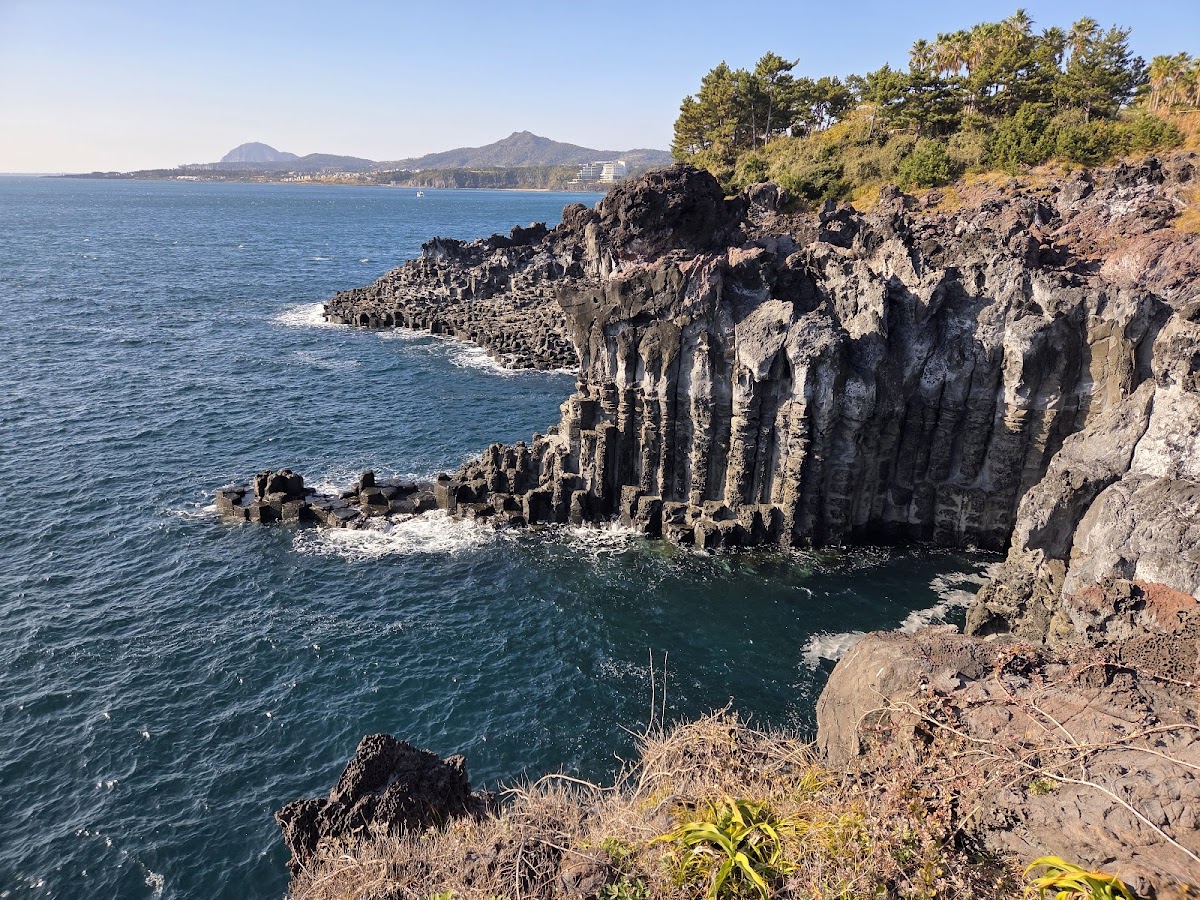
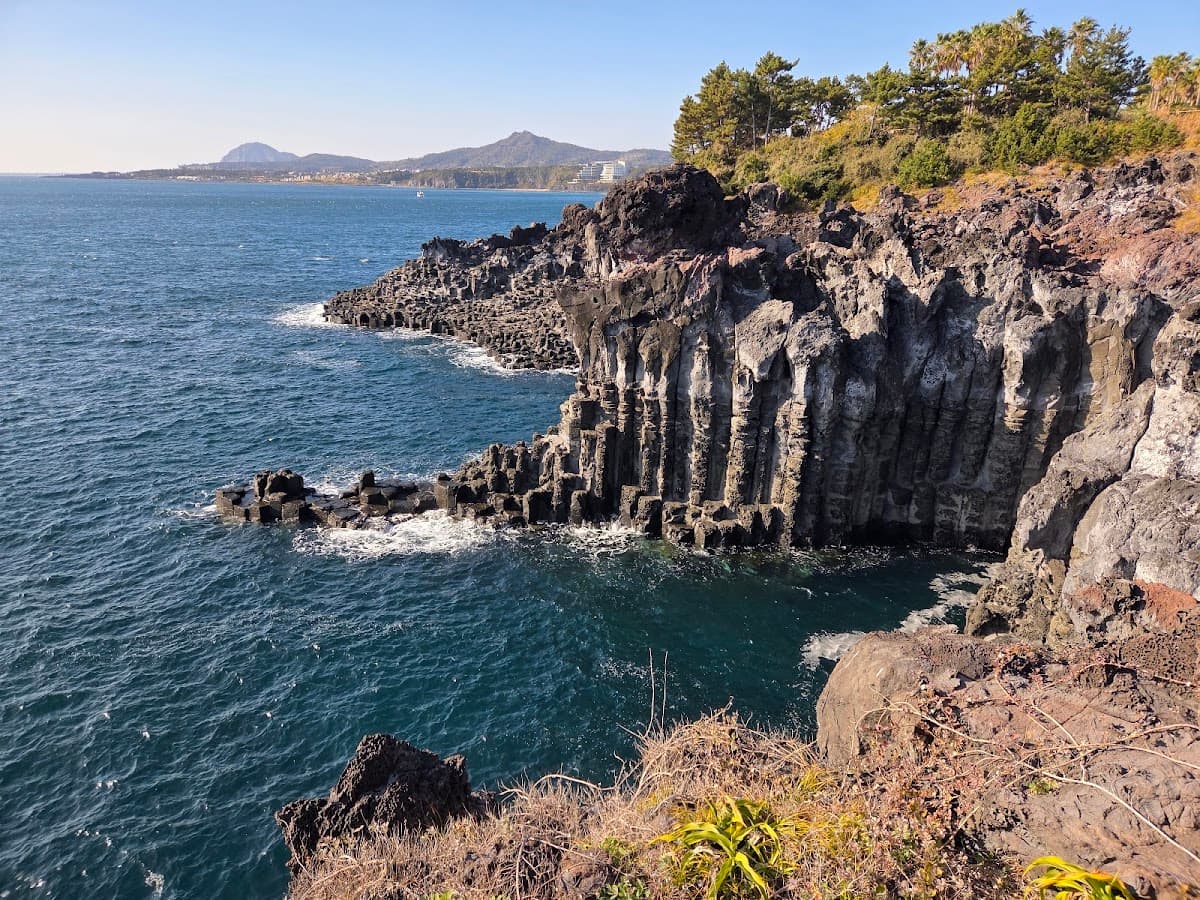
Jeju's UNESCO World Heritage designation covers Hallasan National Park, Geomunoreum Lava Tube System, and Seongsan Ilchulbong (Sunrise Peak). These are non-negotiable stops and genuinely impressive. To make the most of the island's protected sites without the stress of navigating independently, the Jeju Eastern UNESCO Day Tour covers key highlights in a single well-organised day.
For a more leisurely afternoon, Hallim Park on the western coast combines lava tube caves, subtropical gardens, and folk village displays in one well-maintained complex. It's particularly popular in spring when the gardens are at their best.
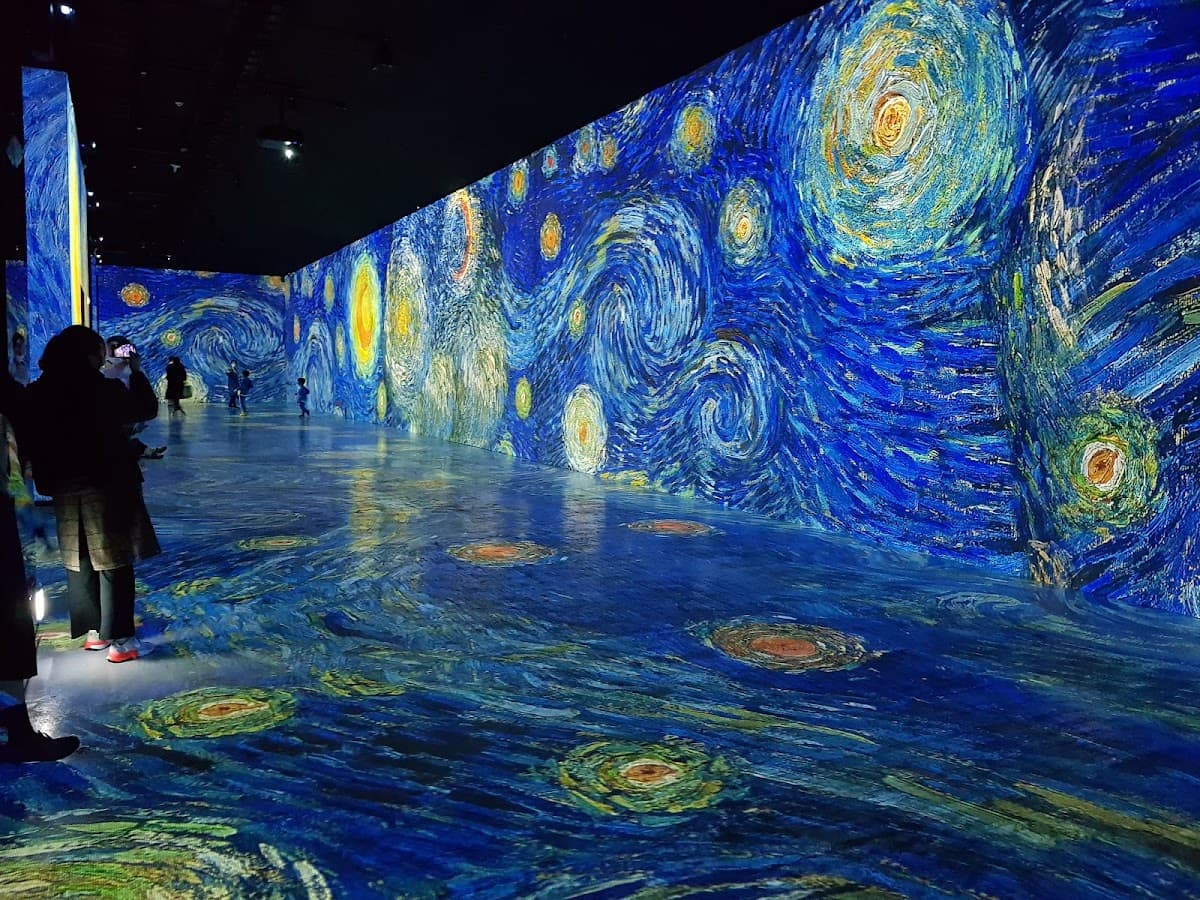
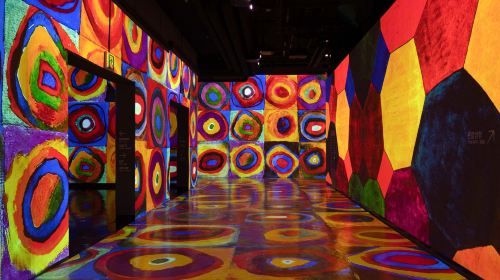
Art and culture lovers should consider the Bunker des Lumières, an immersive digital art experience set inside a former bunker. It's a striking venue and a genuinely different way to spend a few hours on the island.
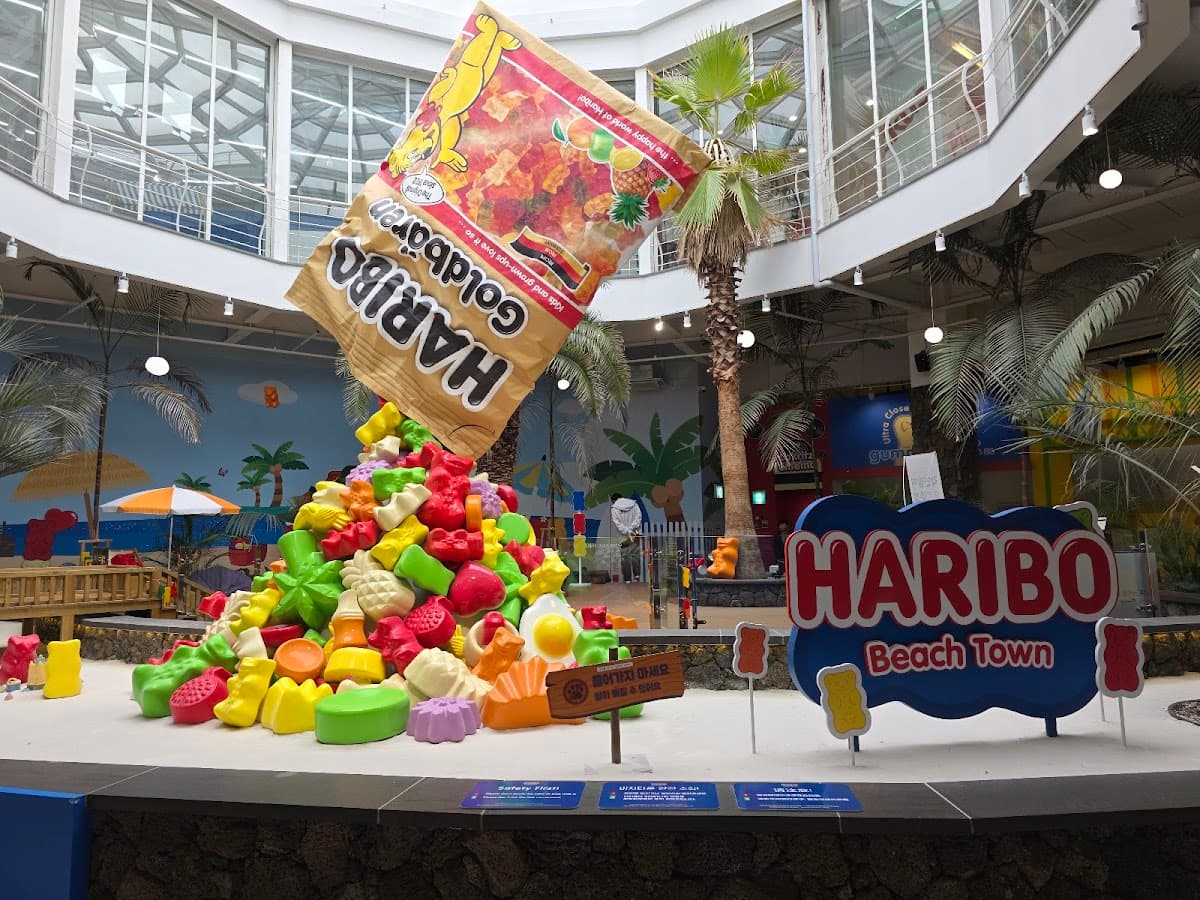
Families travelling with children will find plenty to keep everyone busy. Shinhwa Theme Park is one of the largest entertainment complexes on the island, combining rides, a water park, and a resort. For something more unusual, the Jeju Rail Bike Pass lets you pedal along scenic coastal tracks at your own pace, a genuinely fun experience for all ages.
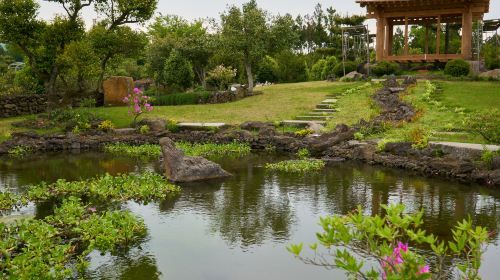
For nature at a quieter pace, Camellia Hill Botanical Garden is a beautifully landscaped garden home to over 600 plant species. It's especially stunning between November and March when the camellia trees are in bloom.
Where to Eat
Jeju has its own distinct food culture, shaped by the sea and the island's agricultural traditions. Key dishes to try:
Heuk dwaeji (black pork): Jeju's black pigs produce exceptionally flavourful pork. Grilled at the table and eaten with pickled vegetables and ssamjang, it's the island's signature meal. Dombae-gogi, a boiled pork dish served with kimchi, is the more traditional version.
Haemul tang (seafood stew): With the ocean on all sides, the seafood here is excellent. Abalone porridge (jeonbokjuk) is a local speciality worth seeking out.
Hallabong tangerines: These mandarin-like citrus fruits are grown across the island and appear in everything from fresh juice to pastries and chocolates. Pick some up at any local market.
For a sit-down meal, the Dongmun Traditional Market in Jeju City is a good place to graze through local street food before exploring the stalls. Seogwipo's Maeil Olle Market is smaller but well-regarded for its atmosphere and fresh produce.
Budget Expectations
Jeju sits in a middle range for South Korea. Accommodation ranges from budget guesthouses at around 30,000 to 50,000 KRW per night to luxury resorts exceeding 300,000 KRW. Meals at local restaurants are affordable, with most sit-down lunches costing between 8,000 and 15,000 KRW. The main costs to plan for are car rental (typically 50,000 to 80,000 KRW per day) and entrance fees to attractions, which add up quickly if you're visiting multiple parks and museums.
Overall, a mid-range traveller spending on accommodation, car rental, meals, and a couple of paid attractions should budget roughly 150,000 to 250,000 KRW per day.
Insider Tips
Book Hallasan trail permits early. The Witseoreum and Donnaeko trails require advance reservations through the national park's online system. Spots fill up weeks ahead during peak seasons, and turning up without a booking means you won't get in.
The Olle Trails are underused by international visitors. This network of 26 coastal and inland walking routes circles the entire island. Most international tourists focus on the major landmarks and miss these well-marked paths entirely. Trail 7 along the southern coast between Wolpyeong and Seogwipo is particularly scenic and manageable as a half-day walk.
Visit Seongsan Ilchulbong on a weekday morning. The sunrise crowds are real and significant on weekends. Arriving on a Tuesday or Wednesday just before dawn gives you a dramatically quieter experience at one of the island's most photographed spots.
Practical Tips
- A T-money card loaded with credit is useful for buses and some taxis.
- Download Naver Maps rather than relying solely on Google Maps, as coverage and accuracy are better for Korean addresses.
- Most attraction signage is in Korean and English, but having a translation app handy helps at smaller restaurants.
- Tap water is safe to drink across the island.
- Korean SIM cards and pocket Wi-Fi devices can be picked up at Jeju International Airport on arrival.
Jeju rewards travellers who go beyond the standard itinerary. Give yourself at least four to five days to get past the tourist highlights and into the quieter rhythms of the island.