Jakarta Travel Guide: Plan Your Perfect Trip
By Matt Cuckston, Founder & Travel Technology Expert at TixLayer
Jakarta does not always get the credit it deserves. Many travellers pass through Indonesia's capital on their way to Bali or Yogyakarta without stopping long enough to scratch the surface. That is a mistake worth correcting. If you are researching things to do in Jakarta, you will find a city that rewards curiosity: a layered, chaotic, genuinely fascinating place where colonial architecture sits beside gleaming skyscrapers, and where some of the best food in Southeast Asia costs less than a dollar on the street.
This guide is built as a practical planning resource, not a highlights reel. Whether you have two days or two weeks, here is what you need to know.
---
Getting to Jakarta
Soekarno-Hatta International Airport (CGK) is the main international gateway, located roughly 20 kilometres west of the city centre. It handles direct flights from most major Asian hubs including Singapore, Kuala Lumpur, Bangkok, Hong Kong, and Tokyo, as well as long-haul routes from Europe, the Middle East, and Australia.
From the airport, your options into the city are:
- Airport Rail Link (Kereta Bandara): The fastest and most reliable option. The train connects the airport to Sudirman (BNI City) station in around 50 minutes and costs around IDR 70,000 (roughly USD 4.50). From Sudirman you can connect to the MRT or take a rideshare.
- Taxi: Official Blue Bird taxis are metered and trustworthy. Expect to pay IDR 150,000 to IDR 250,000 depending on traffic and destination. Traffic can be brutal during peak hours, so allow extra time.
- Rideshare apps: Grab and Gojek both operate from the airport. Prices are competitive but surge pricing applies during busy periods.
If you are arriving by train from Yogyakarta, Surabaya, or Bandung, you will arrive at Gambir Station, which is centrally located and well connected.
---
Getting Around the City
Jakarta's traffic is notorious, and for good reason. Driving yourself is not recommended unless you have significant experience with Indonesian roads. The good news is that public transport has improved dramatically in recent years.
MRT Jakarta: Clean, air-conditioned, and reliable. The north-south line runs from Lebak Bulus in the south to Kota in the north, covering most of the key tourist and business areas. Single trip fares start at IDR 3,000.
TransJakarta BRT: An extensive bus rapid transit network covering the whole city. Slower than the MRT but useful for reaching areas the train does not cover. Fares are a flat IDR 3,500.
Gojek and Grab: These rideshare and ride-hailing apps are essential tools. Gojek's ojek (motorcycle taxi) service is the fastest way to move short distances in traffic. For longer trips or when travelling with luggage, use GoCar or GrabCar.
Insider tip: Download both Gojek and Grab before you arrive. Prices fluctuate between the two apps depending on the time of day and location, and having both gives you a quick way to compare fares.
---
Best Neighbourhoods to Base Yourself
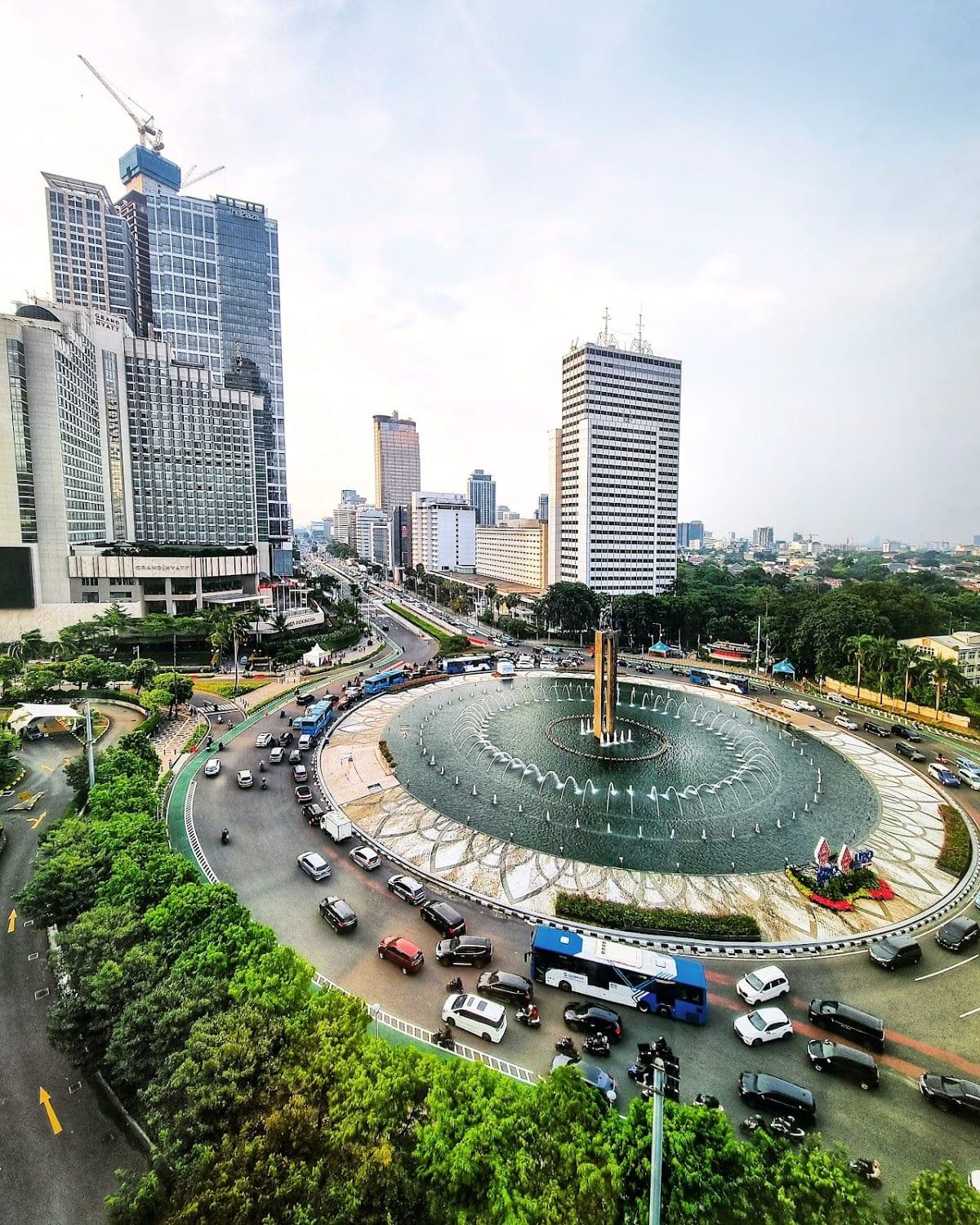
Menteng: Central, leafy, and well connected. This is one of the more pleasant areas to stay, with good restaurants, easy MRT access, and a relatively walkable layout by Jakarta standards. A solid choice for first-time visitors.
SCBD and Sudirman: The central business district is where you will find the bulk of international hotels, upscale malls, and rooftop bars. Convenient for transport connections but not particularly atmospheric.
Kemang: Popular with expats and creative types. Plenty of independent restaurants, bars, and boutiques. Better suited to travellers who want a local neighbourhood feel.
Kota Tua (Old Town): If you want to be close to Jakarta's colonial history and the northern waterfront, Kota Tua is worth considering. Accommodation options are more limited here, but the area itself is one of the most interesting in the city.
Cikini and Gondangdia: Quieter residential areas adjacent to Menteng with good food options and easy access to the centre. Often overlooked but practical and affordable.
---
When to Visit
Jakarta sits just south of the equator, which means the climate is consistently hot and humid year-round. Temperatures hover between 27°C and 34°C regardless of season. The key variable is rainfall.
Best months to visit: June through September is the dry season and the most comfortable time to travel. Skies are clearer, outdoor activities are more enjoyable, and you are less likely to encounter the severe flooding that can disrupt transport across the city.
Months to approach with caution: December through February is peak wet season. Rainfall can be intense and prolonged, and Jakarta has a well-documented flooding problem in low-lying areas. It is not impossible to travel during this period, but be prepared for disruptions and keep an eye on weather forecasts.
Ramadan: If your visit falls during the Islamic holy month (dates shift each year), expect some restaurants to be closed during daylight hours, and nightlife to be significantly quieter. It is a culturally interesting time to visit, but requires some adjustment to your food and activity planning.
---
What to See and Do
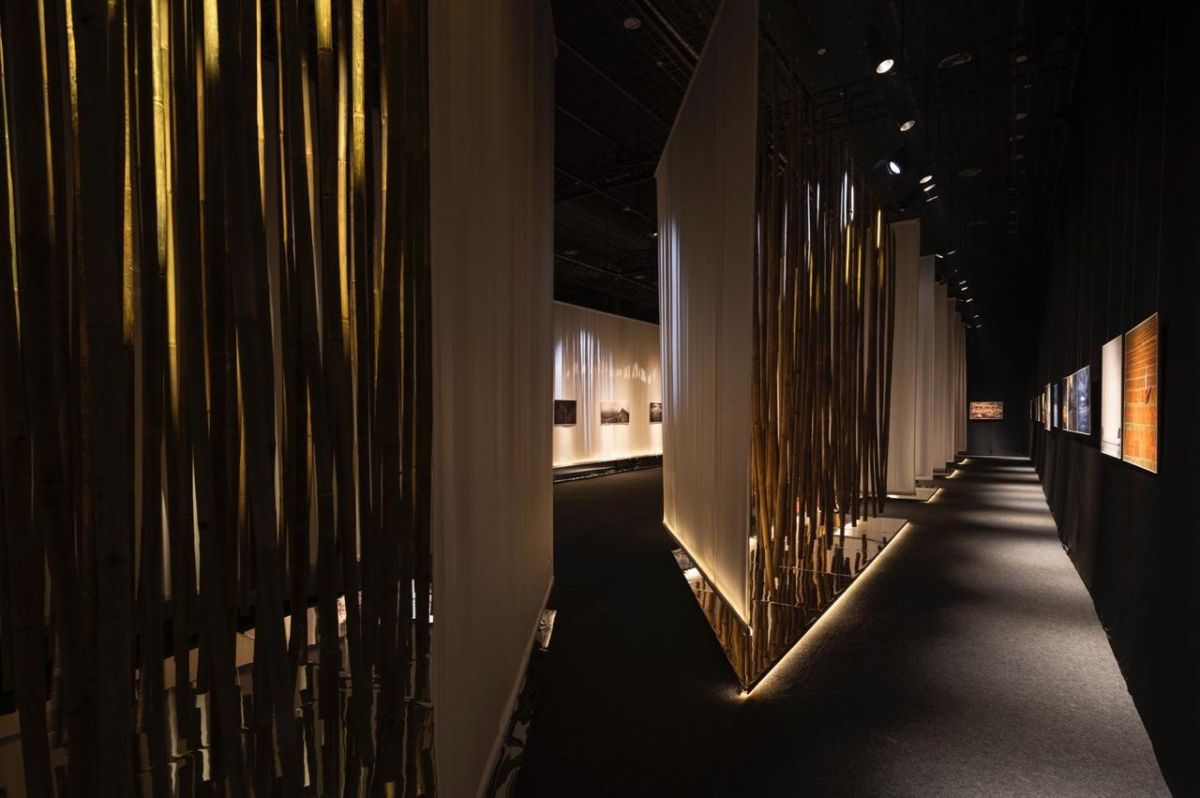
Jakarta has more to offer than most visitors expect. Here is a cross-section of worthwhile experiences across different interests and budgets.
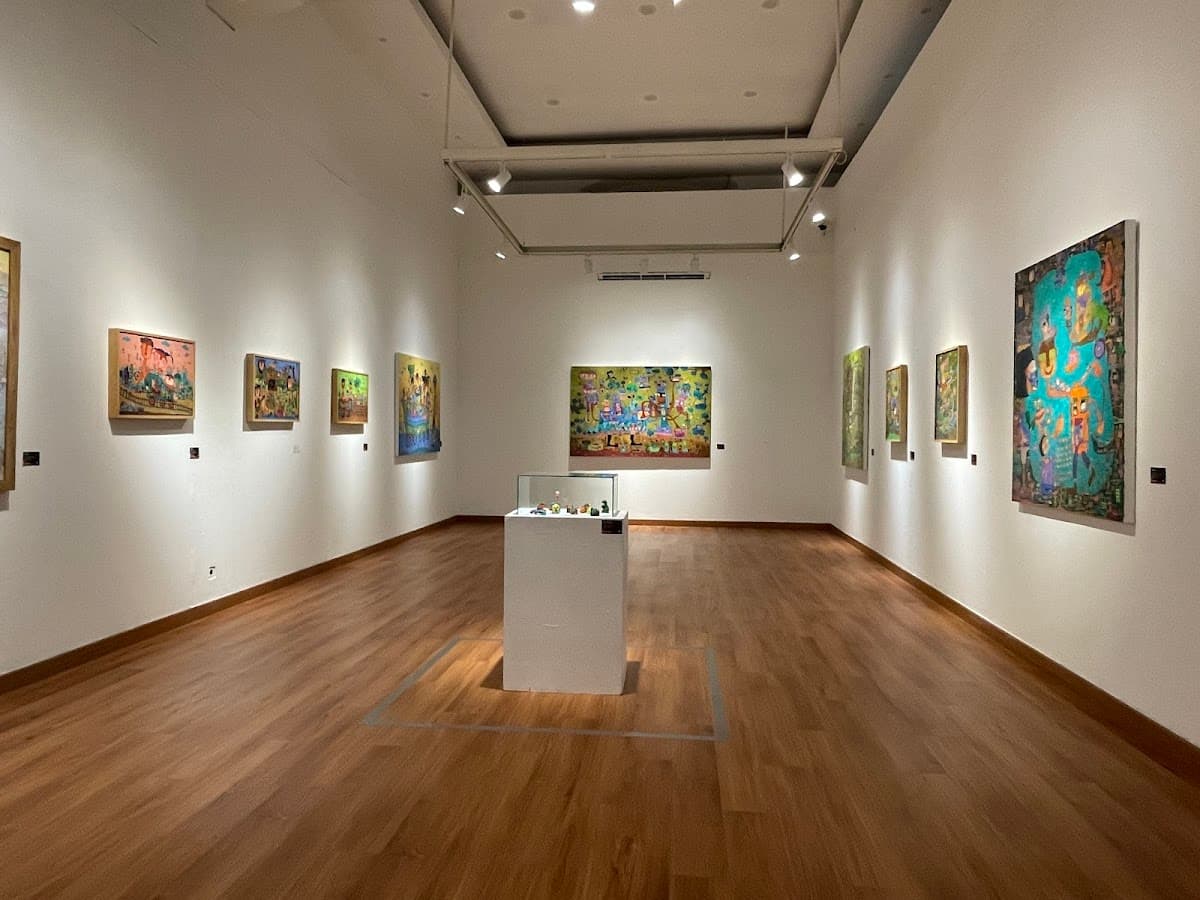
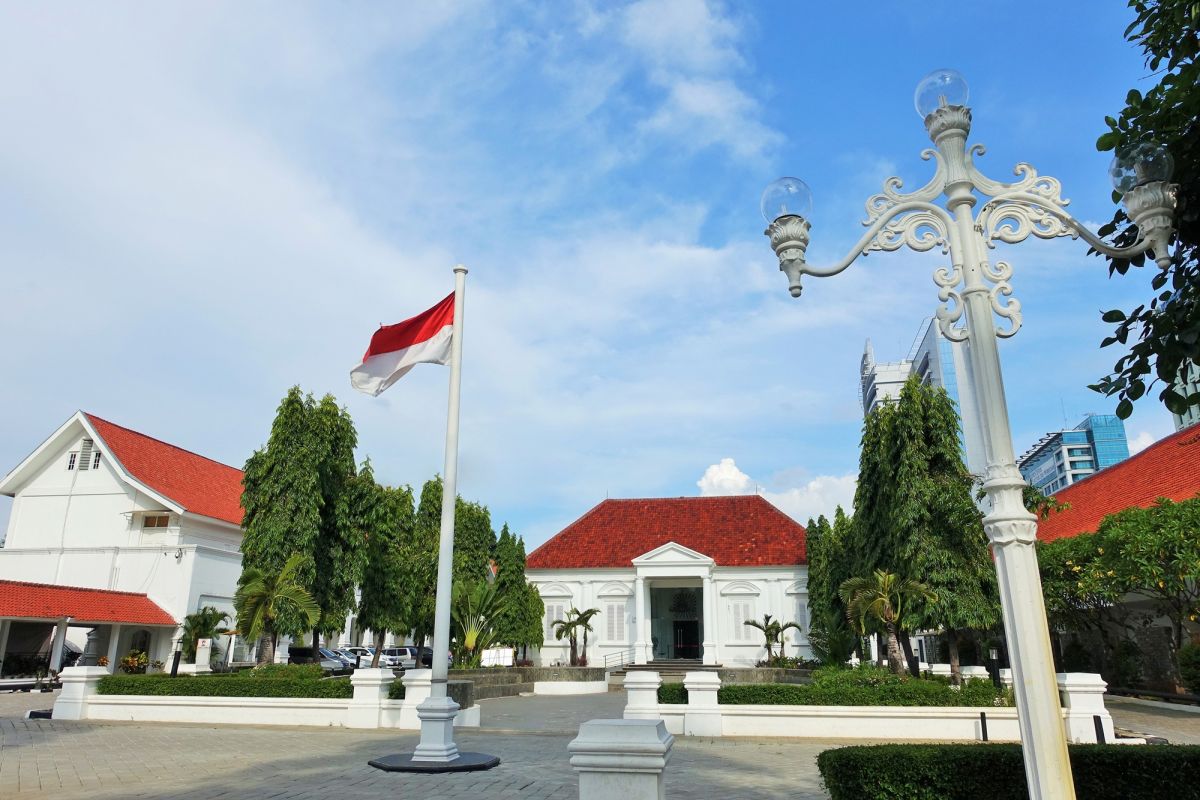
History and culture: The Museum Nasional Indonesia is one of the best museums in Southeast Asia and genuinely worth several hours of your time. Its collection spans thousands of years of Indonesian history, from prehistoric artefacts to Hindu-Buddhist sculpture and colonial-era objects. Admission is very affordable. For contemporary art, the Galeri Nasional Indonesia hosts rotating exhibitions from Indonesian and international artists in a well-curated space.
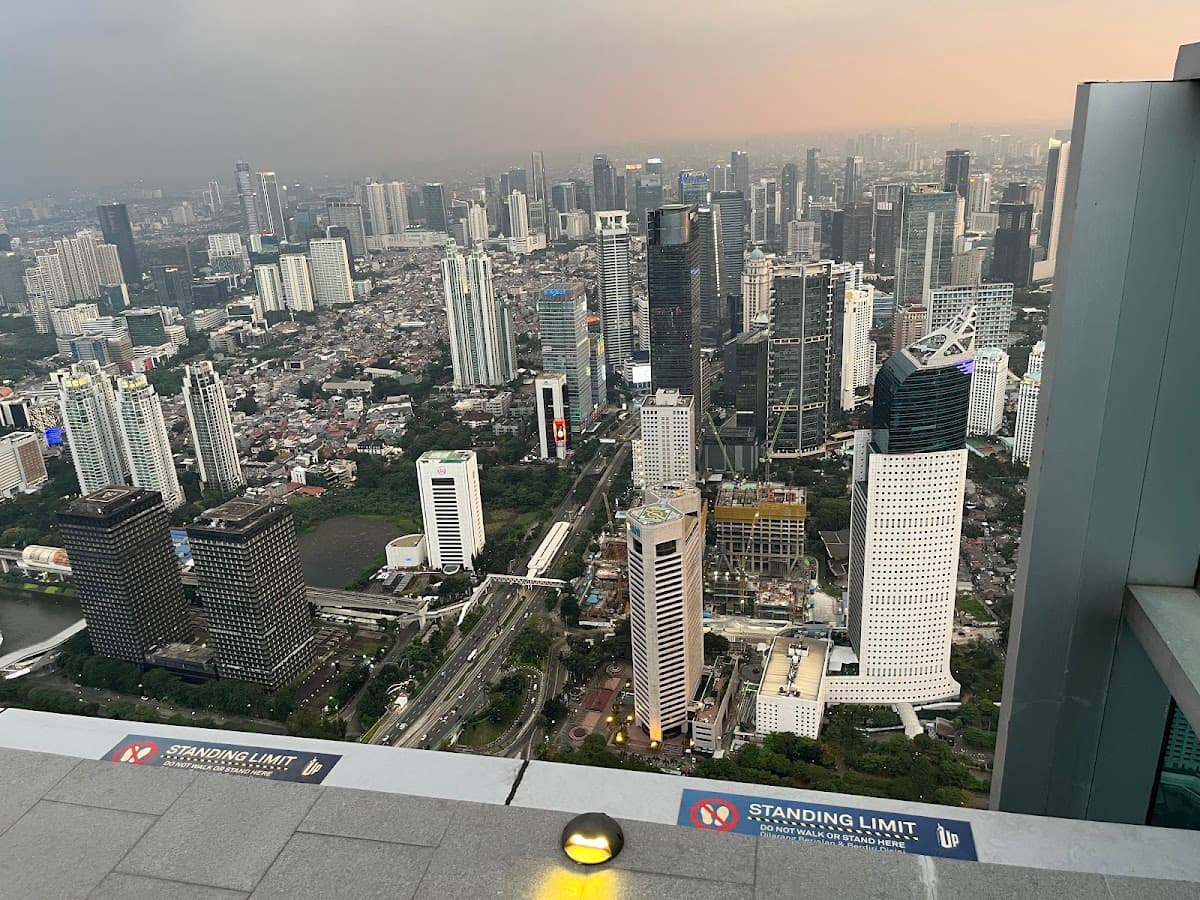
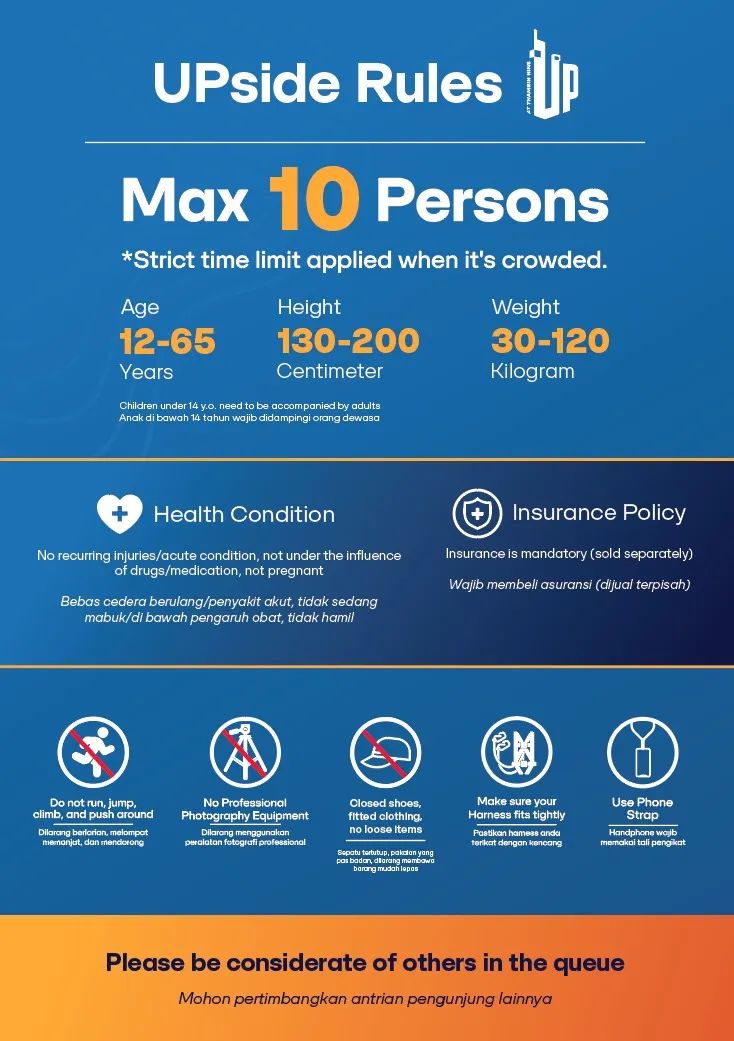
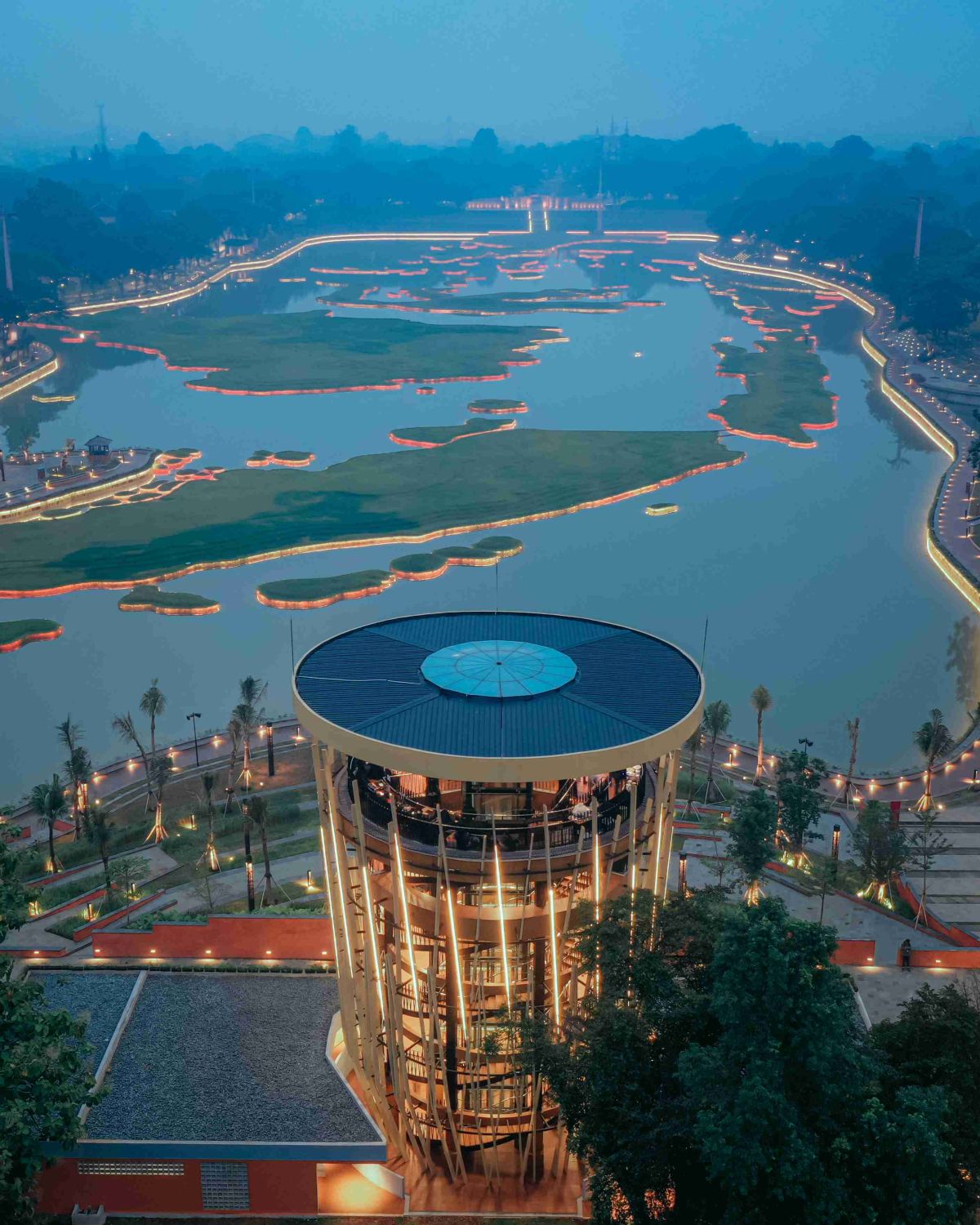
Views and landmarks: For a perspective on the city from above, UP at Thamrin Nine offers one of the best observatory experiences in the city, with panoramic views that make the sprawling scale of Jakarta genuinely comprehensible.
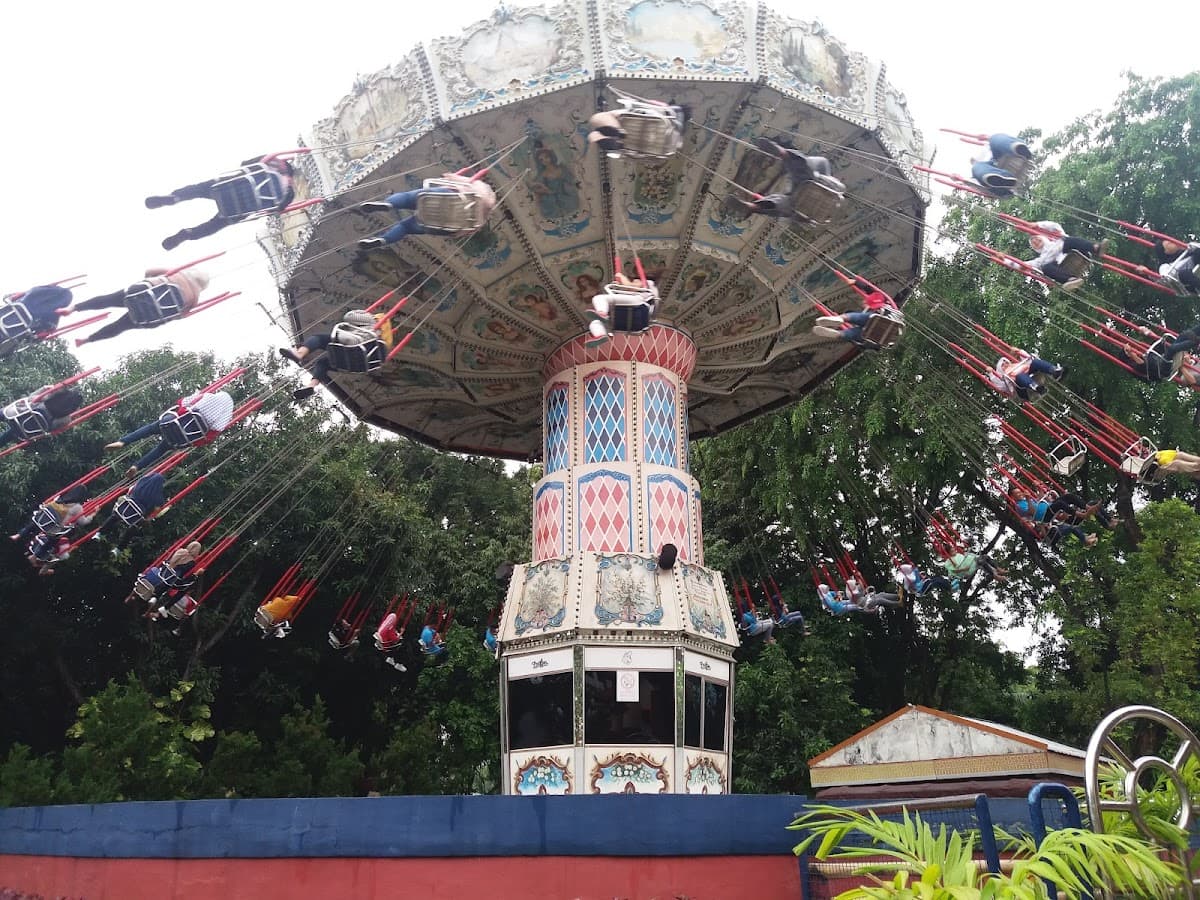
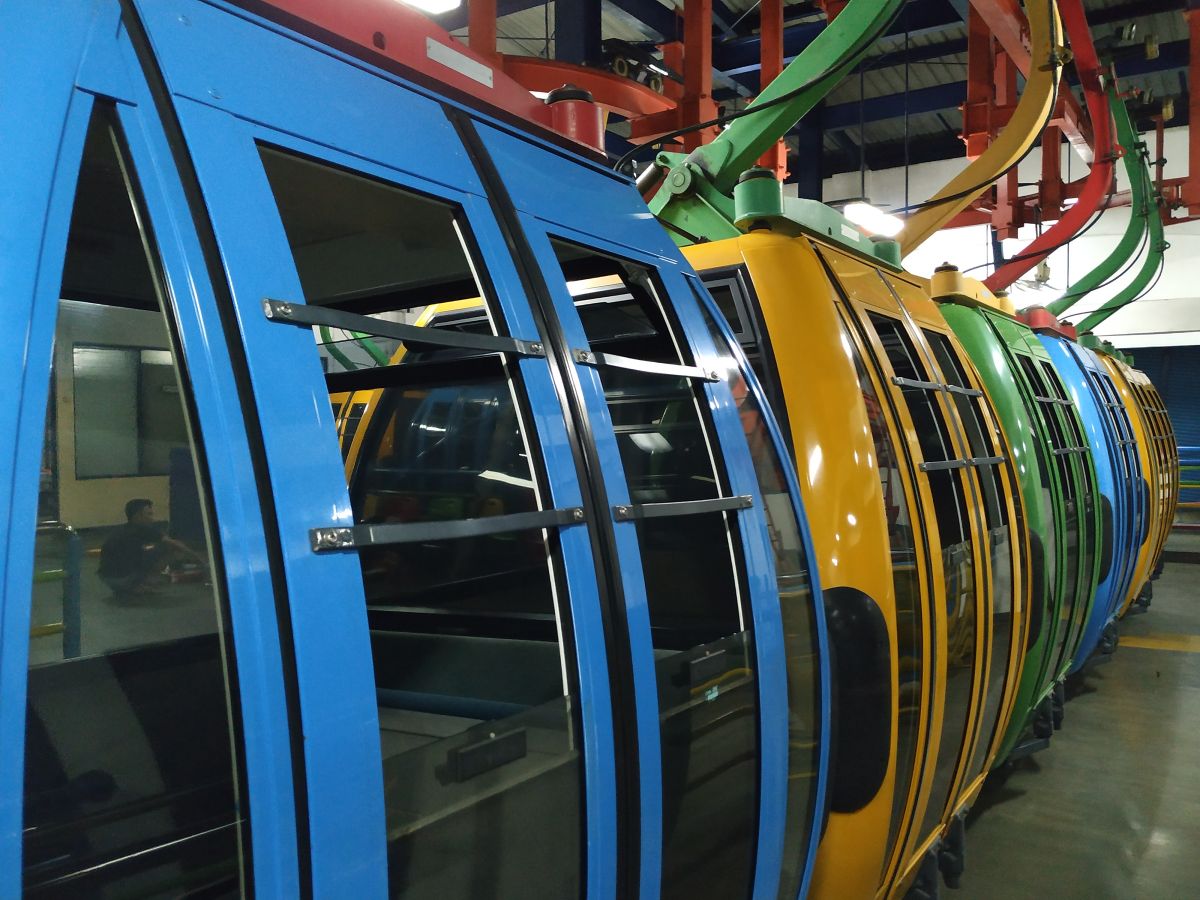
Family activities: The Ancol waterfront precinct in North Jakarta is the city's main leisure destination. You can spend a full day here between Dunia Fantasi at Ancol, Jakarta's long-running theme park with rides and entertainment for all ages, and Atlantis Water Adventure Ancol, a well-maintained water park that is particularly good value during weekday visits when crowds are thinner.
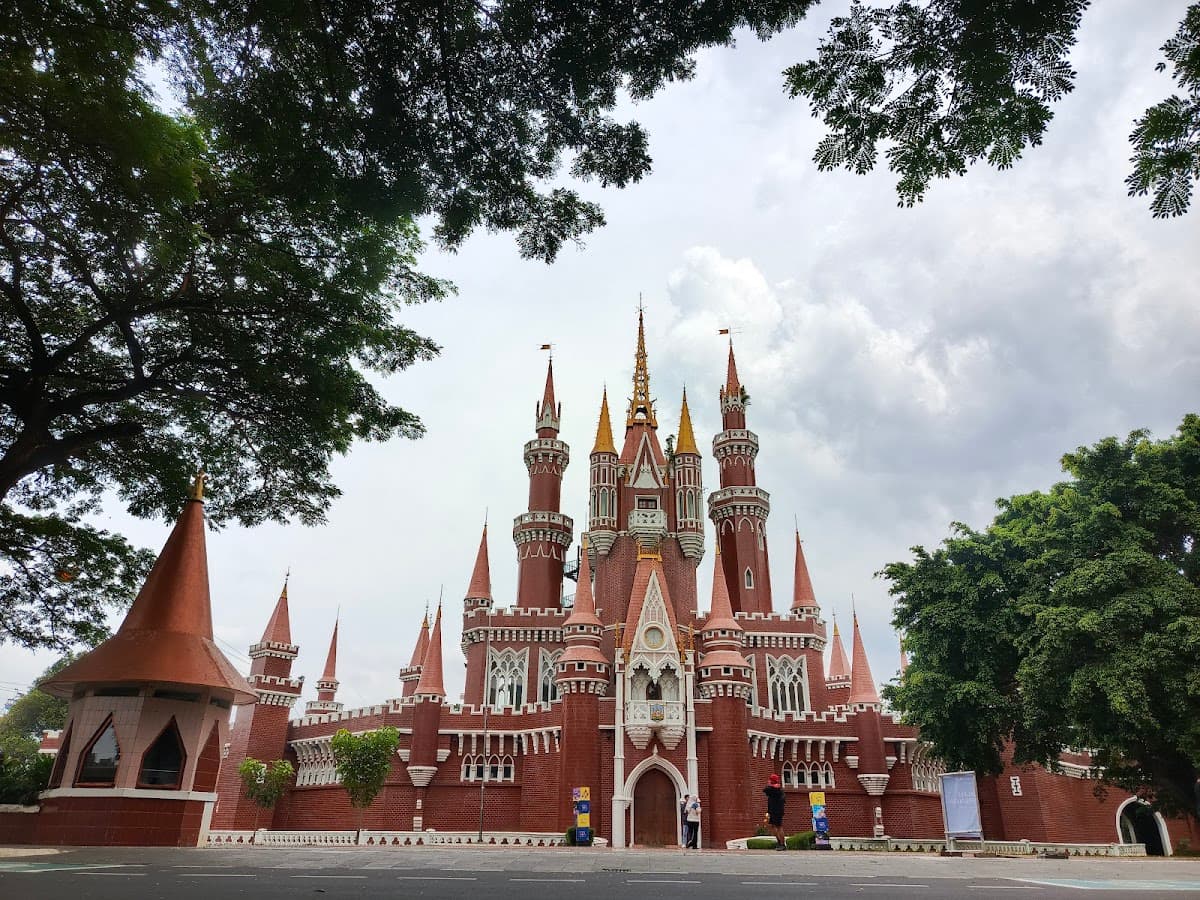
Cultural overview: Taman Mini Indonesia Indah is sometimes dismissed as touristy, but it is actually one of the most efficient ways to get a sense of Indonesia's extraordinary regional diversity. The park features traditional architecture, cultural performances, and exhibits representing all of the country's provinces.
Kota Tua: The old Dutch colonial quarter is worth at least half a day. The main square, Fatahillah Square, is lined with restored colonial buildings and small museums. Go early in the morning before the heat and the crowds build up.
---
Where to Eat
Food is one of the strongest reasons to visit Jakarta. The city draws culinary traditions from across the Indonesian archipelago and has a food scene that ranges from street-level warungs to some of the best restaurants in Southeast Asia.
Street food essentials: Look for nasi goreng (fried rice), mie goreng (fried noodles), soto (broth-based soup), and gado-gado (peanut sauce salad with vegetables and tofu). A full meal at a warung or street stall typically costs IDR 15,000 to IDR 30,000.
Padang food: Restaurants serving Padang-style cuisine from West Sumatra are everywhere in Jakarta. You sit down, an array of dishes is placed on your table, and you pay only for what you eat. Rich, spicy, and deeply satisfying.
Upscale dining: The SCBD and Kemang areas have a strong concentration of higher-end restaurants. Expect to pay IDR 200,000 to IDR 500,000 per person for a full meal with drinks at a mid-to-upper range restaurant.
---
Budget Expectations
Jakarta is an affordable city by international standards, but it has a wider price range than most Southeast Asian capitals.
- Budget traveller: IDR 300,000 to IDR 500,000 per day (roughly USD 20 to 33) covering a guesthouse, street food, and public transport
- Mid-range traveller: IDR 800,000 to IDR 1,500,000 per day (USD 52 to 97) for a comfortable hotel, restaurant meals, and rideshares
- Higher-end travel: IDR 2,000,000 and above per day for international hotel brands, fine dining, and private transport
---
Practical Tips
Get a local SIM card immediately: Available at the airport from providers like Telkomsel and XL. Data is cheap and fast, and you will need it for navigation and rideshare apps.
Carry cash in smaller denominations: While card payments are increasingly accepted in malls and restaurants, street vendors, warungs, and smaller shops are cash only. ATMs are widely available but not always reliable.
Insider tip on timing: Jakarta's traffic follows predictable patterns. The worst congestion is weekday mornings between 7am and 9am and evenings between 5pm and 8pm. If you can schedule major journeys outside these windows, you will save significant time and frustration.
Insider tip on malls: Jakarta's shopping malls are not just retail spaces. They function as community hubs, air-conditioned refuges from the heat, and food courts with genuinely excellent local food at low prices. Do not skip the food court level of any major mall.
Dress modestly when visiting religious sites: Jakarta has a large Muslim population and many active mosques. Carry a light scarf or layer if you plan to visit religious sites, and remove shoes when required.
---
Jakarta rewards travellers who come prepared and approach it on its own terms. It is not a city that tries to make things easy for visitors, but the effort pays off. Plan well, stay flexible, and you will leave with a much richer understanding of Indonesia than the airport transit queue ever offered.